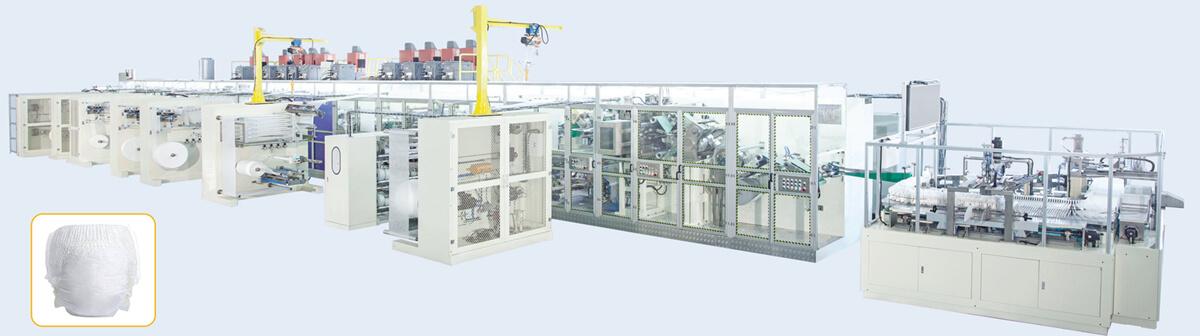
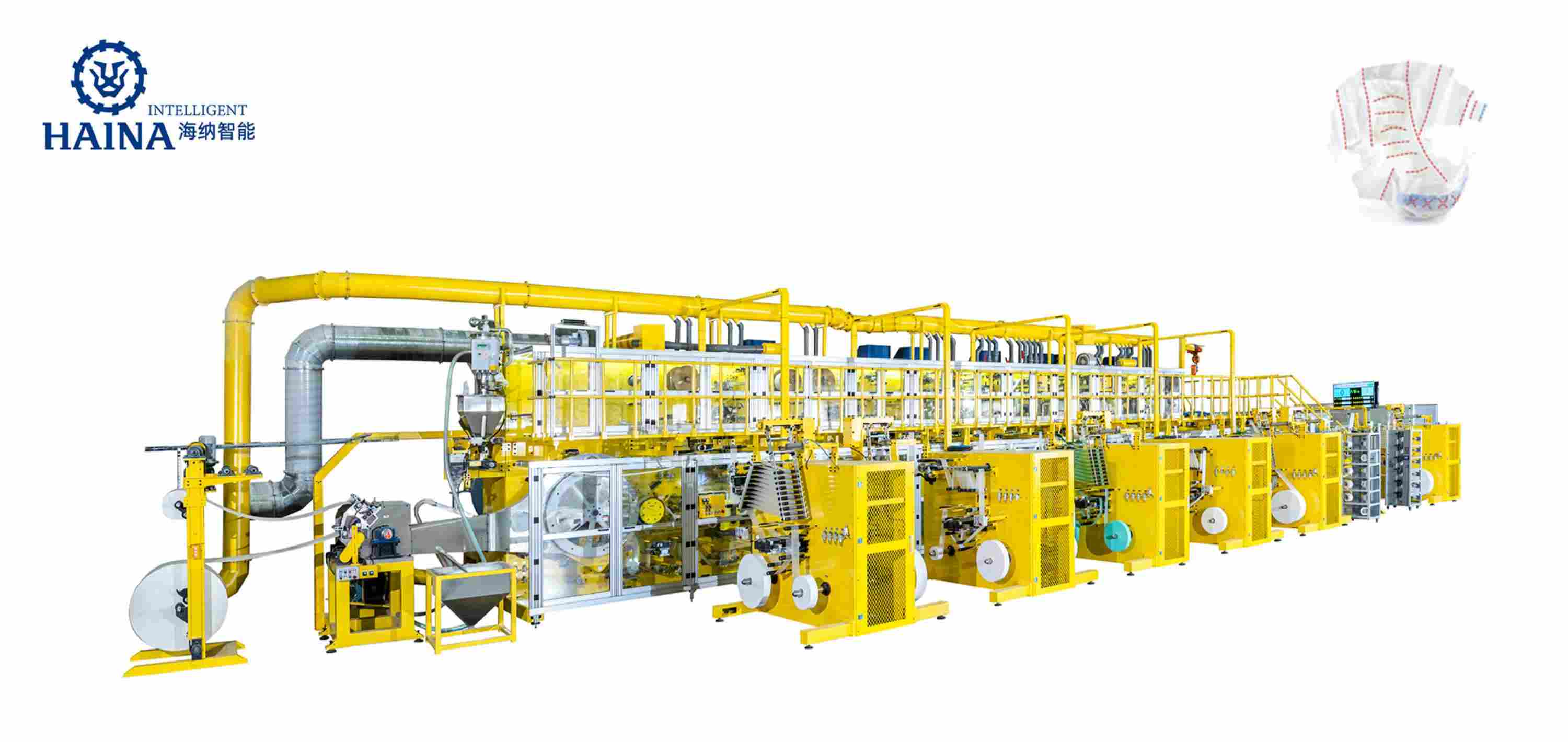
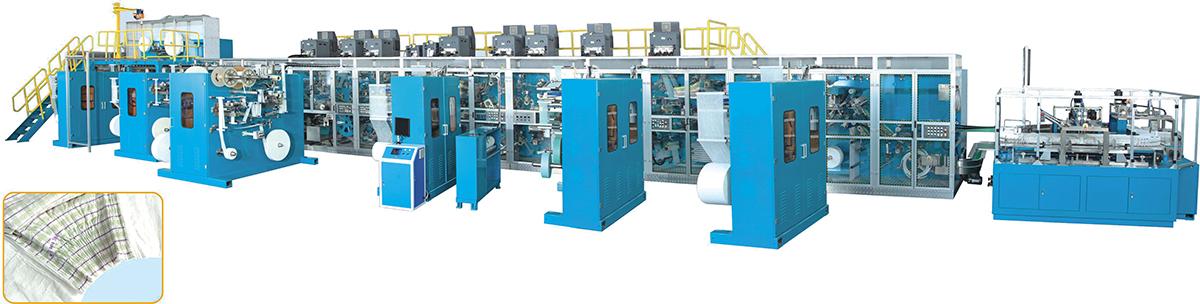
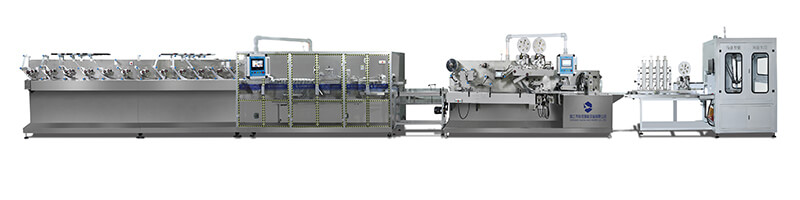
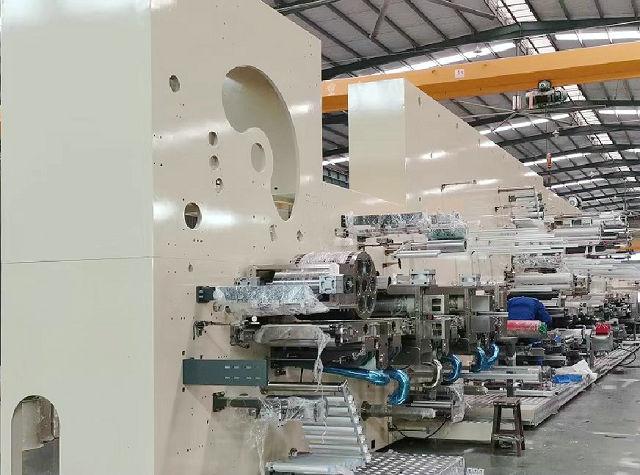
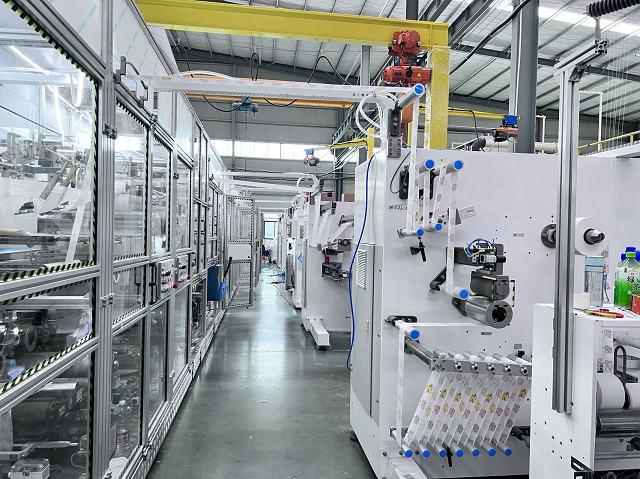
Product knowledge for a baby diaper making production line should be organized as a configuration dossier that connects intended diaper constructions to machine modules, material interfaces, format changes, controls, utilities, tests, and supplier responsibilities. The dossier must answer what the line includes, which SKUs it can be set up to make, what the buyer supplies, which conditions limit performance, and how each requirement will be accepted. A project engineer should use production-intent drawings and materials rather than generic product descriptions. The baby diaper making production line is ready for purchase only when deviations are visible and the FAT plan can produce traceable evidence for critical functions and products.
Assemble a Configuration Dossier
The dossier begins with controlled buyer requirements: SKU drawings, size and construction matrix, materials, critical dimensions and placement, closure and elastic features, absorbent-core definition, packaging formats, quality methods, site interfaces, and launch sequence. Identify preliminary information and its resolution date. A supplier cannot freeze an accurate configuration when the buyer's core product choices remain hidden in informal samples.
Request a clause-by-clause supplier response. For each requirement, mark included, optional, excluded, buyer-supplied, subject to confirmation, or deviating. Link the response to a drawing, component schedule, function description, trial, or calculation where relevant. General statements such as "can produce all sizes" should be replaced by a format matrix and a test plan.
The dossier should identify final machine modules, options, interfaces, and requirement status.
Maintain a document register with title, number, revision, owner, status, review date, and related requirement. It may include layout, process flow, utility data, module list, principal component list, format parts, controls architecture, safety information, manuals, spare proposal, training plan, FAT protocol, and packing interface. The final dossier should describe the built machine, not merely the quotation stage.
Define Product Range and Format Boundaries
A size range is an engineering boundary, not a marketing label. For every intended SKU, define finished dimensions, layer widths, core shape, material positions, elastic and closure arrangement, cut profile, fold, pack count, and any printed or registration feature. Ask which dimensions are continuously adjustable and which depend on dedicated parts or station design.
Create a change matrix listing recipes, guide adjustments, unwind changes, applicator setup, cutting parts, folding parts, sensor references, inspection settings, counters, and packing changes. Record estimated method and required competence without asserting a universal changeover time. The supplier should demonstrate selected changes under agreed conditions and account for removed parts.
Limits need context. A product may fit nominal dimensions but exceed a material-path, application, detection, folding, or packing boundary. Request the controlling constraint and how it will be verified. Where a future SKU is not fully defined, reserve a documented interface only if technical feasibility is established; avoid assuming that unspecified expansion will be simple.
Dossier section
Decision question
Supplier evidence
Buyer evidence
Product range
Which exact SKUs and features are supported?
Format and configuration matrix
Approved drawings and priority range
Material interfaces
Can production materials feed and convert?
Roll interfaces and representative trials
Specifications, lots, and incoming results
Automation
Which functions are controlled or detected?
Architecture, function descriptions, challenges
Permissions, data, and reaction requirements
Site boundary
Who provides every connection and service?
Utility and interface schedule
Measured site readiness and contractor scope
Acceptance
What evidence closes the requirement?
Build, function, and FAT records
Methods, materials, witnesses, and approvals
Review Process Modules and Interfaces
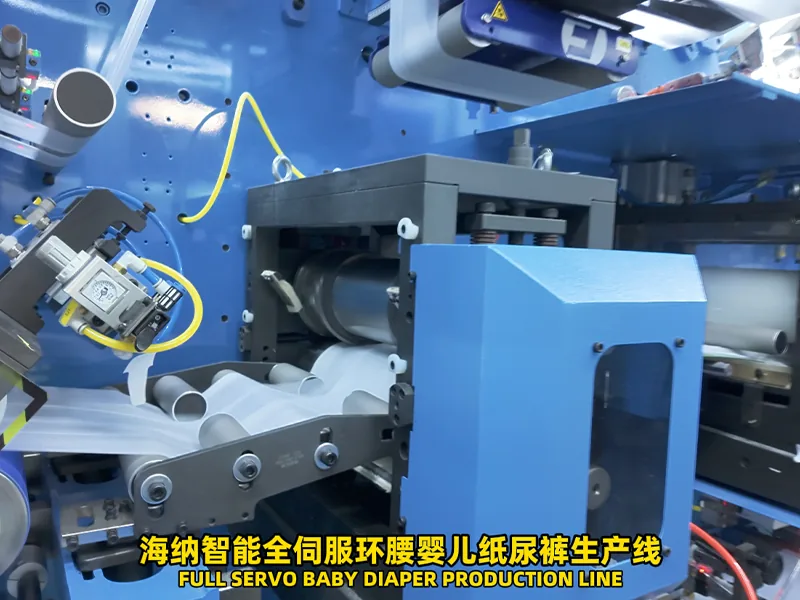
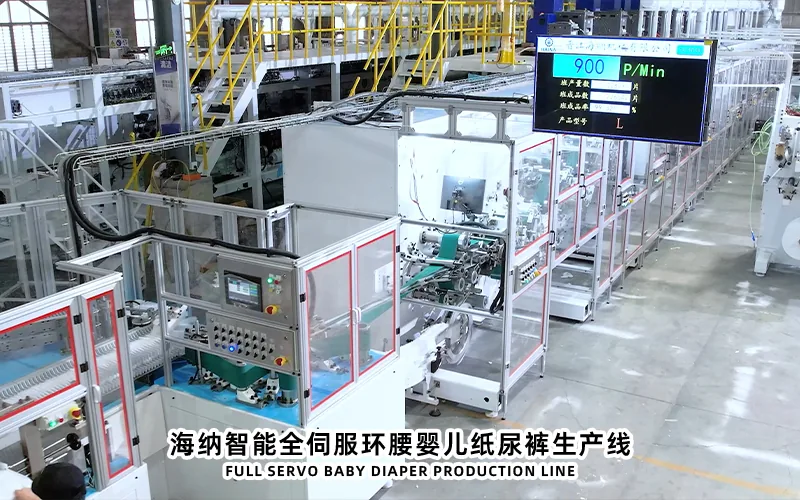
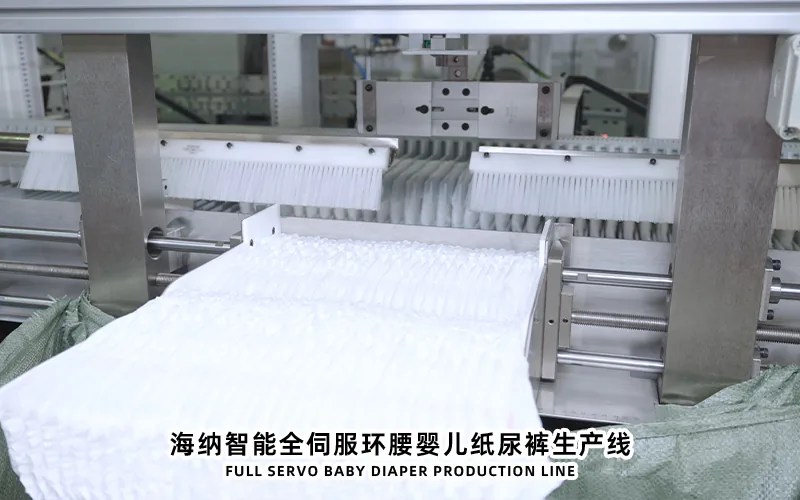
Trace the offered modules from roll loading through unwinding, guiding, tension control, absorbent input handling, core forming and placement, web assembly, adhesive application, elastic and closure placement, component and product cutting, folding, inspection, rejection, counting, transfer, and packing. The exact flow depends on construction and scope. Confirm physical and signal boundaries between modules.
For each module, record inputs, outputs, utilities, fixed references, adjustable variables, sensors, alarms, access, cleaning, wear parts, and failure effects. Ask how a local variation appears in the finished diaper and what evidence separates material, setup, mechanical, controls, and utility causes. This information becomes the basis for operating and maintenance training.
Module review should expose material, mechanical, control, and responsibility boundaries.
Pay special attention to interfaces that span suppliers: adhesive preparation, absorbent-material feed, extraction, inspection devices, coding, packing, network, and material handling. Use an interface control sheet with connection details, signal behavior, loads, allowable conditions, owner, test, and drawing reference. A missing interface may not appear until installation unless the dossier forces an early decision.
Specify Controls, Utilities, and Data
The controls section should identify major hardware and software, drive architecture, operator interfaces, recipes, permissions, alarms, history, backup, restoration, inspection inputs, reject outputs, packing communication, remote-support method, and change control. Buyers do not need confidential design detail to define required behavior and support evidence.
Separate production settings from protected engineering parameters. Define which values are stored by SKU, what is verified after loading, how revisions are released, who can change them, and how an unauthorized difference is detected. FAT can test selected roles, recipe recall, alarm history, backup identity, and failure recovery under approved procedures.
Utilities should be specified at the connection and under realistic demand. Include electrical characteristics and stability, compressed-air capacity and quality, vacuum or extraction where required, adhesive conditions, environment, network, and connected equipment. The buyer should verify site capacity rather than simply repeat supplier values in a building drawing.
Data requirements should start with decisions. If the factory needs output, stops, rejects, alarms, recipe identity, or traceability events, define source, timestamp, retention, access, interface, and validation. More data is not automatically more useful. Uncontrolled data tags and inconsistent stop categories can produce precise-looking but misleading reports.
Plan FAT Products and Evidence
Select FAT SKUs by coverage. One may challenge the largest format, another a unique closure or elastic arrangement, and another a packing or inspection interface. Use production-intent materials and identify lots. If all SKUs cannot be tested, document why the selected set covers functions and what must be confirmed at site.
FAT products should be selected to cover configuration extremes and unique functions.
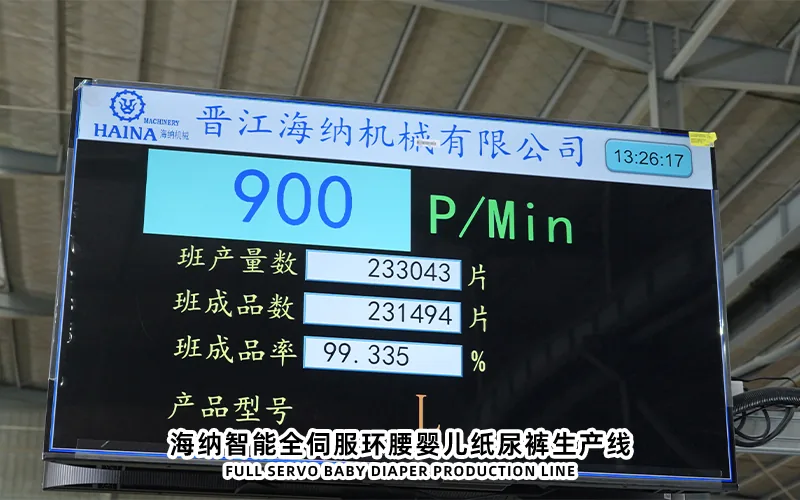
The protocol should define final machine revision, materials, setup responsibility, operating condition, speed terms, run basis, sampling, product and pack methods, inspection challenges, planned stops, interruption treatment, changeover, utility assumptions, documents, training exercises, and deviation process. Design speed is an engineering reference; stable working speed requires an agreed test condition; actual operating speed is a production setting; the contractual acceptance value belongs in the signed protocol.
Record raw evidence, not only pass or fail. Keep setup values, sample identifiers, measurement results, stop and alarm sequence, rejected products, material changes, and witness decisions. For a failed requirement, document containment, cause, correction, retest scope, and final disposition. Do not close a deviation with an undated promise.
Include maintainability and recovery evidence. Witness representative threading and roll change, format-part handling, cleaning access, selected preventive tasks, alarm diagnosis, sensor challenge, backup review, and controlled restart. These exercises reveal whether the dossier can support the buyer after shipment.
Close Deviations and Transfer Ownership
Classify deviations by effect on safety, product, capacity evidence, installation, maintenance, documentation, and schedule. Assign an owner, action, required proof, retest need, and due date. A deviation that cannot be closed before shipment needs formal buyer disposition and a site plan; shipping should not erase its visibility.
At handover, reconcile the final built equipment with drawings, module list, component schedule, formats, recipes, software and hardware revisions, backups, spare parts, manuals, certificates that are actually supplied, training records, FAT results, and open actions. Avoid claims about certification unless documents and scope are verifiable for the project.
HAINA can review the dossier for an offered baby diaper making production line configuration and identify final supplier evidence, buyer inputs, and site checks. The buyer should retain independent ownership of product approval, local safety obligations, site utilities, materials, and release rules.
Baby Diaper Making Production Line Configuration Acceptance Dossier
Scope file: Final equipment, options, exclusions, buyer supplies, connected systems, spare scope, and document list.
Product file: Approved SKUs, materials, format matrix, critical characteristics, test methods, and future limitations.
The completed dossier should match the physical line and remain usable by factory owners.
Assign a custodian and keep the dossier under revision control. Review it after site acceptance, significant product or material change, controls modification, rebuild, or supplier-approved update. A project file stored but never maintained will not support future engineering decisions.
Frequently Asked Questions
How detailed should the product range be in a quotation?
List each intended SKU or a controlled family with dimensions, construction differences, materials, format implications, pack needs, and acceptance status. Avoid relying on broad size labels that hide unique process features.
What is the difference between an option and an interface?
An option is an offered item or function that may be added to scope. An interface is a boundary where equipment, utility, material, data, or responsibility must connect, whether the connected item is supplied by the machine manufacturer or another party.
Can FAT be completed with substitute raw materials?
Only with documented differences, limitations, buyer approval, and a later confirmation plan. Substitute materials may not represent feeding, forming, bonding, cutting, folding, inspection, or packing behavior of production-intent inputs.
Which documents must match the machine at shipment?
At minimum, reconcile final equipment and interfaces, layouts, principal components, formats, utilities, controls revisions, backups, manuals, maintenance information, spare references, FAT evidence, deviations, and agreed training records.
Conclusion
Product knowledge for a baby diaper making production line becomes actionable when it is stored in a configuration dossier that matches the physical machine, intended SKUs, site, and acceptance evidence. The practical buyer action is to issue one revision-controlled dossier index with named owners and refuse design or FAT closure while critical rows remain generic, assumed, or unsupported. Before shipment, walk the machine with the final product, interface, and verification files, then record every limitation and open action so the operating factory receives engineering knowledge rather than only a completed sales package.