Adult & Baby Diaper Machine,Sanitary Napkins Production Line Blog
Use this baby diaper production line maintenance guide to organize shift checks, planned service, condition monitoring, spares, records, and OEM support.
A reliable baby diaper production line maintenance program combines operator care every shift, calendar or runtime-based planned service, condition monitoring, critical-spare control, and a disciplined failure review. Manufacturers should deliver the asset list, manuals, lubrication points, wear limits, drawings, software backups, and recommended spares before handover. The operating factory then adjusts intervals using actual load, contamination, materials, stops, and inspection history. Maintenance success should be measured through stable sellable output, repeat failures, planned work completion, product quality, and recovery time, not simply the number of tasks closed.
Build the Maintenance Asset Register at Handover
Divide the diaper production line into maintainable systems: unwind and splice units, web guiding, tension control, pulp and absorbent-core formation, SAP dosing where applicable, tissue and nonwoven handling, elastic application, adhesive systems, cutting, forming, sealing, folding, rejection, counting, stacking, conveying, electrical controls, compressed air, dust collection, and packaging interfaces. Give every asset a location code that matches drawings, spare records, and work orders.
For each asset, record maker, model, serial number, installed quantity, lubrication requirement, inspection point, normal operating indicator, wear limit where provided, tool requirement, safety isolation, spare number, and document reference. Capture PLC, HMI, drive, and servo versions with approved backups. Photographs can help technicians identify a location, but they should supplement controlled diagrams and part numbers.
Manufacturers should review the register with maintenance personnel before final acceptance. The buyer can then check whether every task is possible with the delivered access, tools, manuals, and spare parts. Missing information is easier to close while factory and commissioning teams are still assigned to the project.
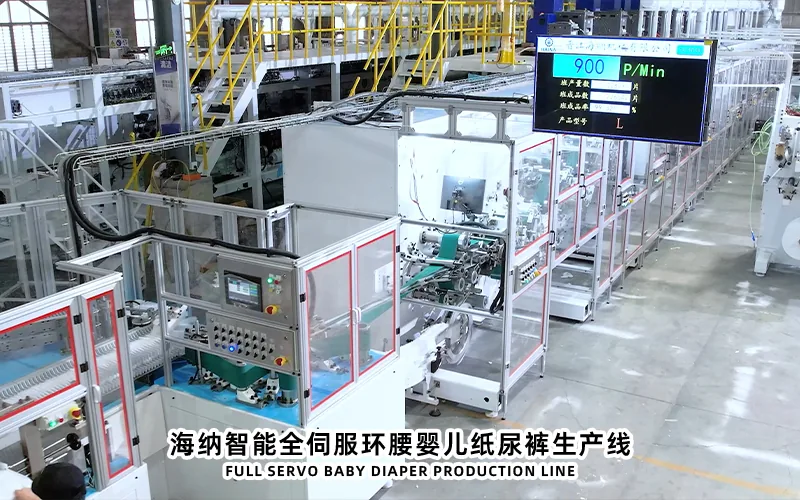
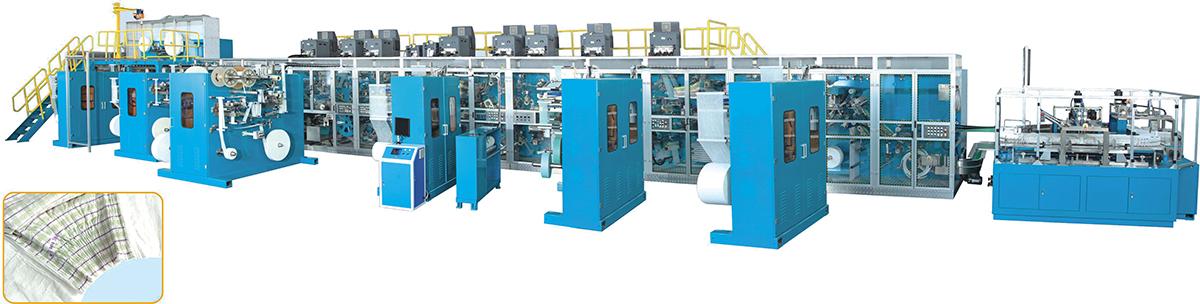
A line-level asset register connects each service task to a specific module and component.
Create a Focused Shift Care Routine
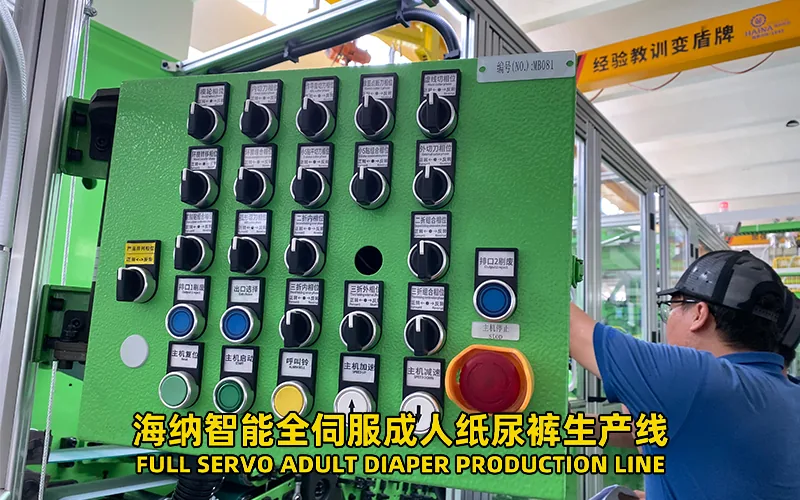
Operator care should target changes that can be observed safely without dismantling the machine. At shift start, review guards, alarms, leaks, air pressure, adhesive temperature status, extraction, material paths, sensor cleanliness, unusual noise, vibration, and housekeeping. During production, record stops, web breaks, splice performance, rejection events, product defects, and manual adjustments. At shift end, clean approved areas and hand unresolved conditions to the next team.
A checklist must describe an observable result. Check belt is vague; inspect the named belt for tracking, surface damage, contamination, and abnormal noise is more useful. Keep the list short enough to complete, and route defects by severity. Operators should not enter guarded or isolated zones unless trained and authorized for the task.
High-value shift observations
Material roll condition, alignment, splicing readiness, and web tracking
Glue pattern consistency, nozzle contamination, hose condition, and temperature alarms
Cut quality, buildup around tooling, and abnormal product scrap
Compressed-air leaks, unstable pressure, and repeated pneumatic faults
Sensor contamination, unexplained alarm resets, and recurring manual correction
Guard, interlock, emergency-stop, access, and housekeeping condition
Schedule Weekly, Monthly, and Runtime-Based Work
Planned maintenance intervals should come initially from component and machine guidance, then be refined with operating evidence. Weekly work may include deeper cleaning, inspection of belts and chains, adhesive filtration, air preparation, fasteners, cutters, and web-path components. Longer intervals may cover lubrication, alignment, bearing condition, electrical enclosure cleaning, safety-device checks, drive cooling, tension calibration, and replacement of defined wear parts.
Runtime, cycles, roll changes, or product quantity may be better triggers than calendar time for heavily loaded assets. Environmental conditions also matter. Dust, fiber, heat, humidity, frequent washdown, aggressive cleaning agents, and high changeover frequency can shorten service intervals. Record the reason whenever an interval is extended or reduced.
Coordinate maintenance with the production plan. Group tasks by isolation zone and required skill to reduce repeated shutdown and startup. Reserve enough time for verification after work. A schedule that fills every available minute with wrench time but leaves no controlled trial encourages defects to appear during the next production order.
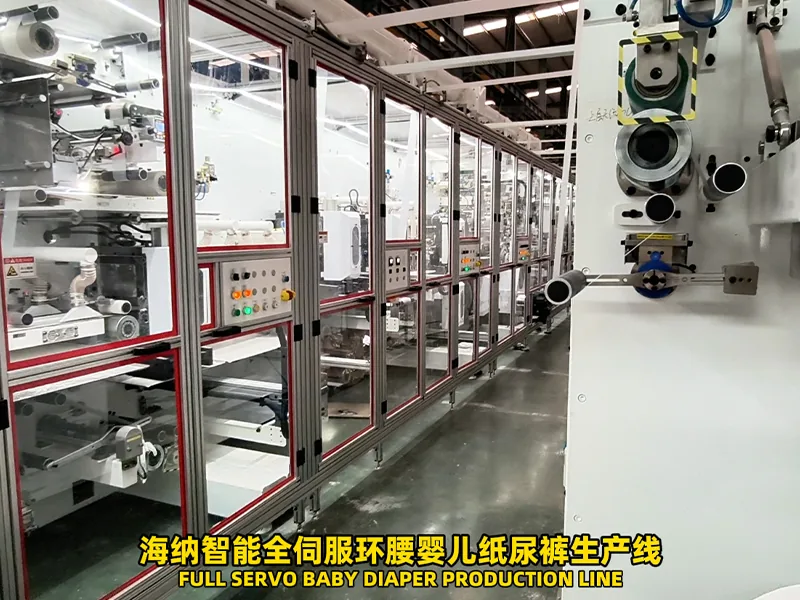
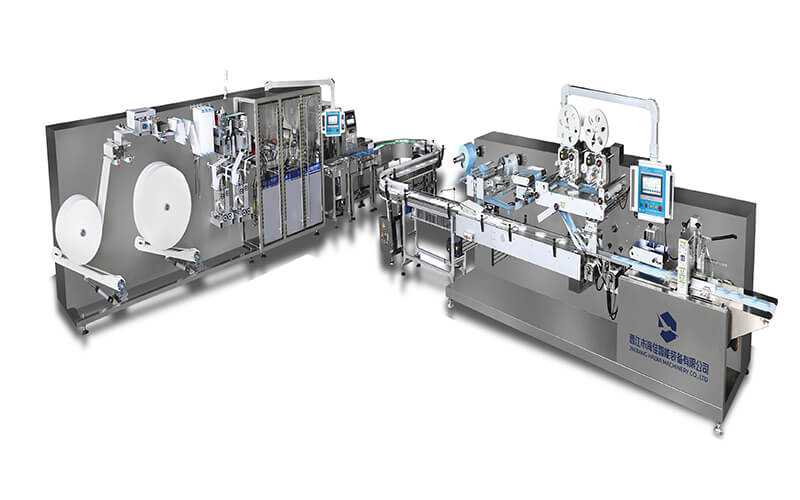
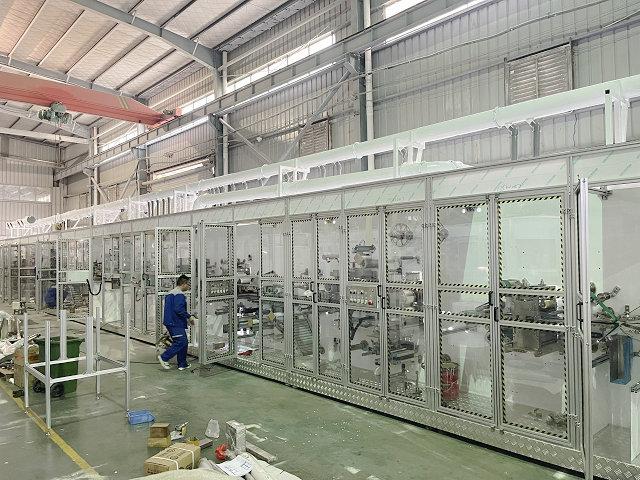
Access, contamination control, and observable condition support reliable shift maintenance.
Use Condition Monitoring Where It Changes a Decision
Condition monitoring should answer when to inspect, adjust, repair, or replace. Useful indicators can include vibration, temperature, current, pressure, vacuum, web tension, adhesive pressure, filter differential, alarm frequency, cutting quality, and product rejection. Choose indicators with a known link to a failure mode. Collecting data without an action limit only creates files.
Establish a baseline after commissioning under a documented product and speed. Trend the same point, method, instrument, and operating condition. Investigate changes rather than waiting for a universal threshold. For example, increasing drive current may reflect mechanical load, contamination, alignment, product setup, or a control issue; maintenance and production context is needed before replacing a motor.
Link Spare Parts to Failure Consequence and Lead Time
Classify parts by their effect on safety, quality, output, and recovery time. Keep a defined recovery route for single-point failures with long procurement or programming lead times. Standard bearings, sensors, belts, pneumatic devices, blades, filters, heater elements, drive hardware, and control components need different stock logic. Shelf life, storage environment, repairability, and interchangeability should influence quantity.
Each spare record should include the exact part number, machine position, approved supplier, available substitute, installation instructions, parameter or software need, inspection status, and reorder point. Issue parts against a work order so consumption reveals recurring failure. Inspect stored electronics, elastomers, lubricants, and precision tooling periodically.
HAINA can be asked to provide project-specific maintenance documents and spare recommendations with its baby diaper production line equipment. Buyers should review the list against local supplier access, shift pattern, technician capability, and acceptable downtime before deciding final stock.
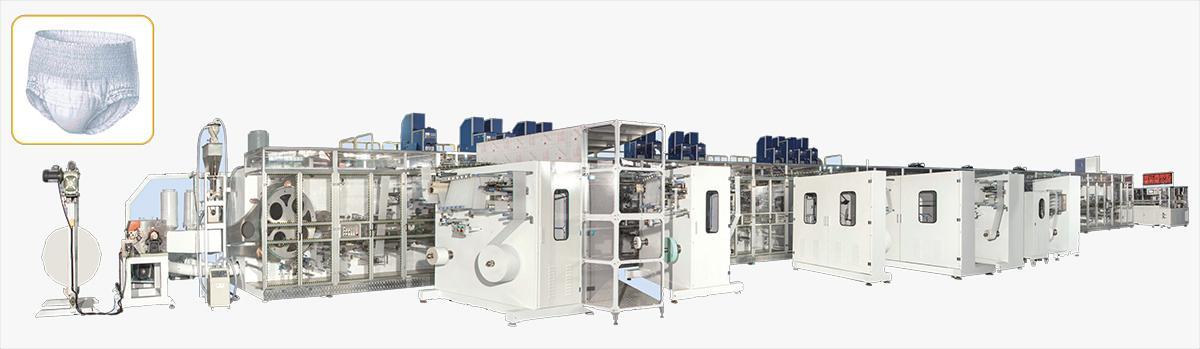
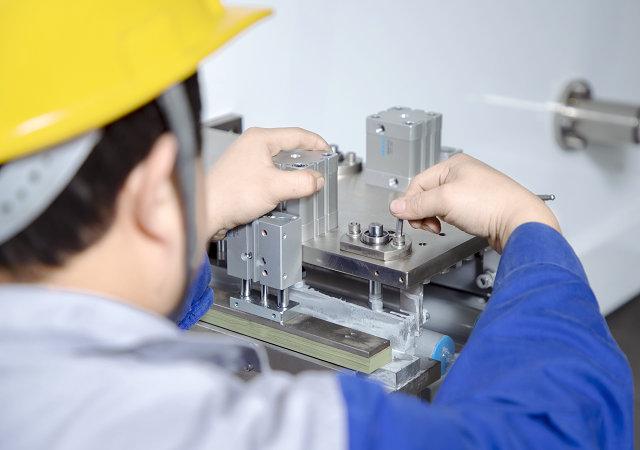
Lubrication, alignment, tension, and fastener checks should follow controlled intervals.
Use a Repeatable Failure and Recovery Workflow
When the line stops, protect people and product first. Record the time, machine state, product, material batch, speed, alarms, recent changes, and visible symptoms before resetting information disappears. Confirm the safe intervention state. Restore production only after the immediate cause is understood well enough to avoid unsafe or damaging restart.
Contain the hazard and affected product.
Capture alarms, settings, conditions, and operator observations.
Check the named process zone using drawings and the fault tree.
Correct the verified cause rather than exchanging parts at random.
Run a controlled restart and confirm product quality.
Record the repair, parts, settings, evidence, and follow-up action.
Escalate repeat failures into root-cause review and design or process correction.
Separate symptom, failed component, physical cause, and organizational cause. A broken belt is a failed item, but misalignment, contamination, incorrect tension, poor storage, or missed inspection may be the underlying condition. Closing only the visible failure produces repeat downtime.
Measure Maintenance with an Operating Scorecard
Use a small set of connected measures. Planned work compliance shows whether the program is being executed. Repeat failure rate indicates whether repairs solve causes. Mean time to restore helps identify documentation, skill, access, or spare gaps. Quality loss and sellable output connect maintenance to the production result.
Review the scorecard in a short cross-functional meeting. Production can explain schedule and material events, quality can identify defect patterns, and maintenance can show equipment findings. Assign one action owner and due date for each recurring loss. Avoid rewarding a low maintenance-hour figure if the line is accumulating deferred work or operating with temporary adjustments.
Measure
Question answered
Review together with
Possible action
Planned work completion
Are required tasks done on time?
Schedule loading and overdue critical tasks
Adjust resources or intervals
Repeat failure frequency
Are causes actually being removed?
Asset, product, material, and repair history
Root-cause review
Recovery time
How quickly can safe production resume?
Diagnosis, access, tools, spares, and approvals
Improve recovery plan
Maintenance-related quality loss
Does equipment condition affect sellable product?
Reject reason and inspection data
Change inspection or wear limits
Spare service level
Are critical parts available and usable?
Lead time, stock condition, and consumption
Revise stock strategy
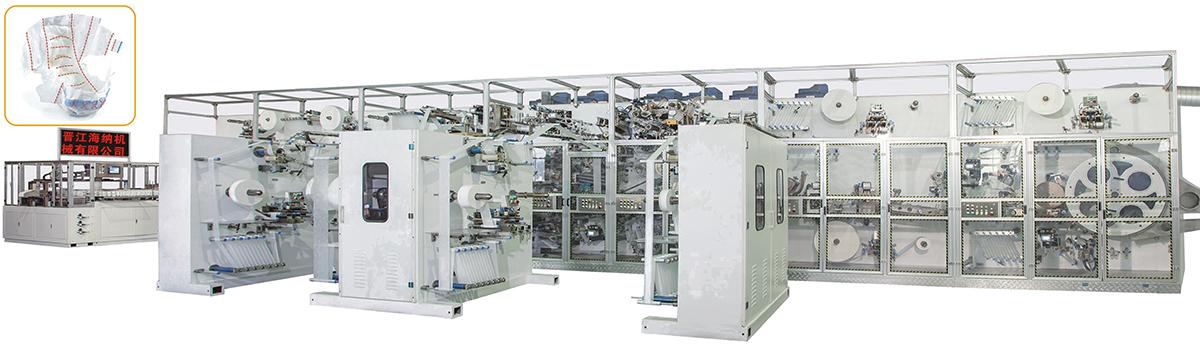
After service, a controlled restart confirms safety, setup, product quality, and record completion.
Use the scorecard to select a few improvement experiments each month. If repeated web breaks dominate loss, compare material lots, tension history, splice condition, guide performance, and operator response before changing the maintenance interval. If recovery is slow, observe the diagnosis path and remove missing drawings, tools, access, or approvals. Focused experiments make the maintenance plan more accurate without turning every event into a major project.
Frequently Asked Questions
How often should a baby diaper line receive preventive maintenance?
Use the manufacturer's initial intervals, then adjust by runtime, environment, materials, condition trends, and failure history. There is no single interval for every module.
What maintenance can operators perform?
Trained operators can complete approved observation, cleaning, lubrication, and simple care tasks within their authorization. Guarded or hazardous work requires the defined isolation and competent maintenance role.
Which spare part is most important?
The most important spare is the one whose failure creates unacceptable risk or downtime and has no rapid recovery route. Criticality must be assessed for the specific line.
Should maintenance records include product information?
Yes. Product format, material, operating condition, and quality symptoms can reveal setup-dependent failures that an asset-only history would miss.
Conclusion
A practical baby diaper production line maintenance guide begins during machine handover and improves through operating evidence. Build the asset register, make shift care observable, schedule work by risk and use, monitor conditions that trigger decisions, and connect spares to recovery needs. Manufacturers and buyers should agree on documents, backups, training, and escalation routes before acceptance. The factory should then review maintenance results with output and quality data so the program prevents repeat loss instead of becoming a checklist exercise.