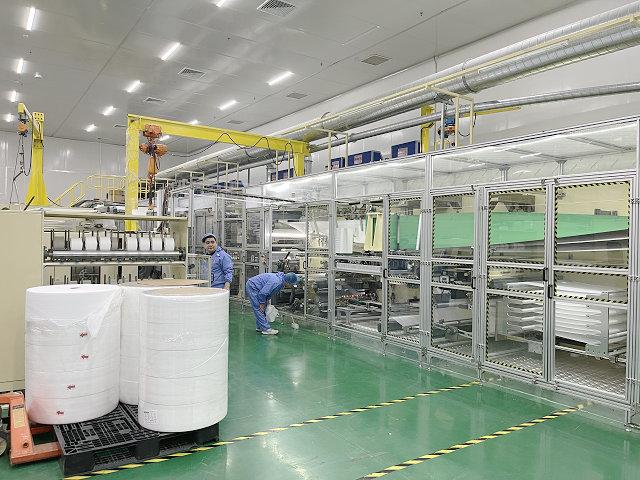
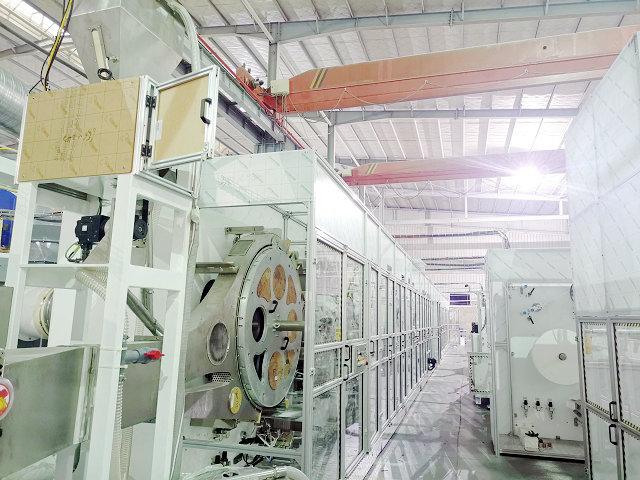
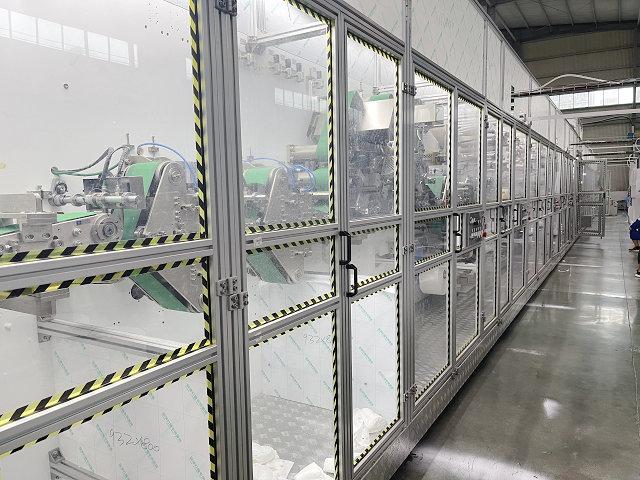
Maintenance for a lady diaper production line, interpreted here as menstrual pants manufacturing equipment, must protect absorbent-core placement, elastic chassis formation, side seams, contour cutting, folding, hygiene, and automatic inspection. The maintenance supervisor should organize care around product-contact and dust zones, elastic feed paths, bonding or sealing stations, change parts, drives, sensors, and downstream transfer. Each task needs a safe machine state, approved cleaning method, observable acceptance condition, and post-work product check. Because menstrual pants combine soft absorbent layers with a wearable elastic structure, maintenance quality should be verified with the actual size and materials that challenge registration, contraction, seams, and fit geometry.
Define the Menstrual Pants Care Scope
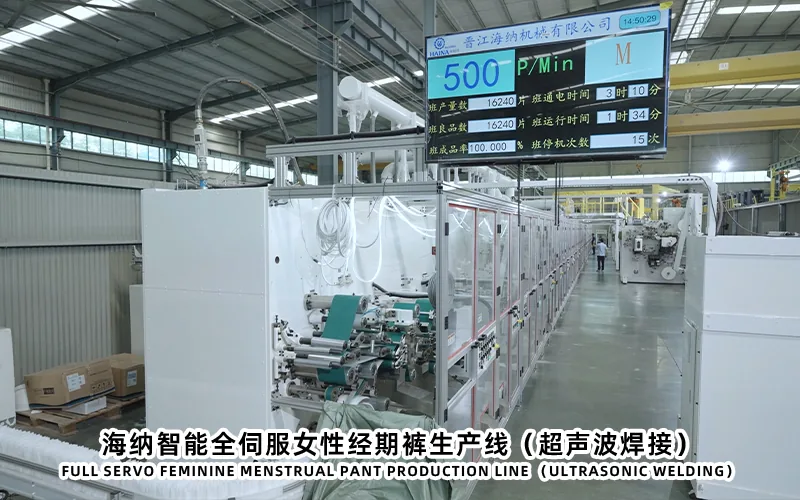
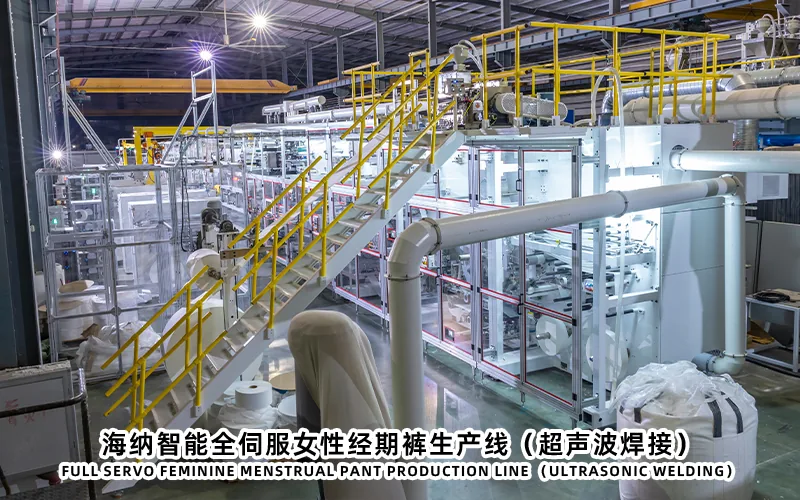
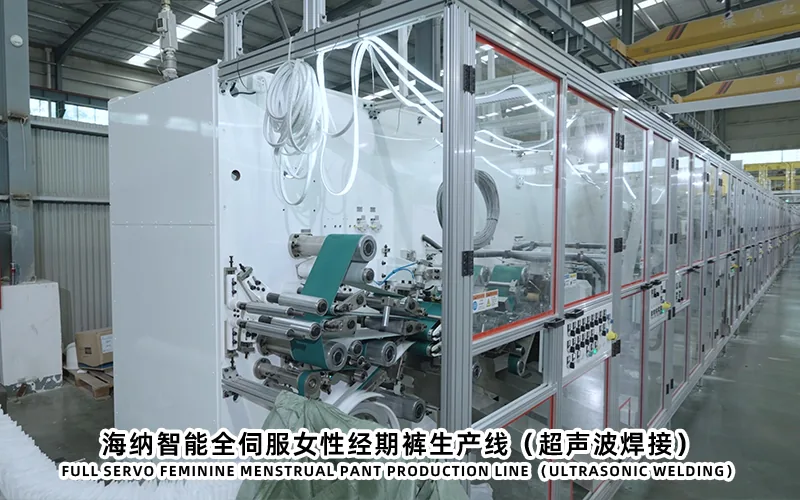
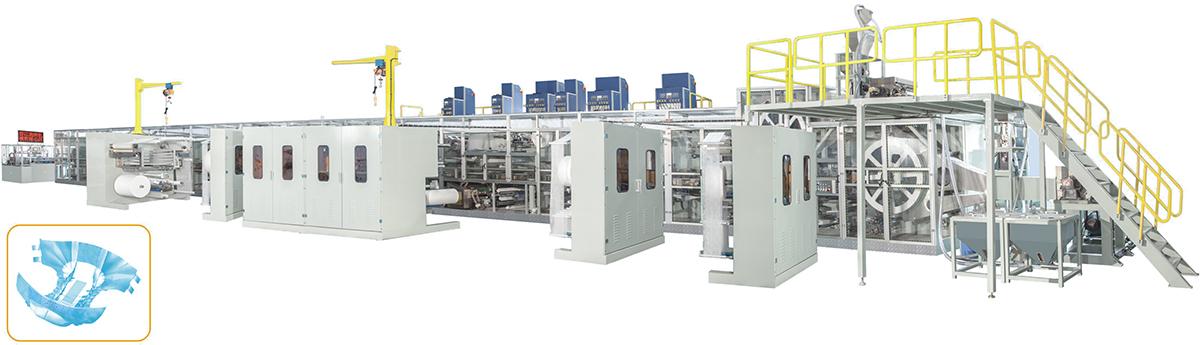
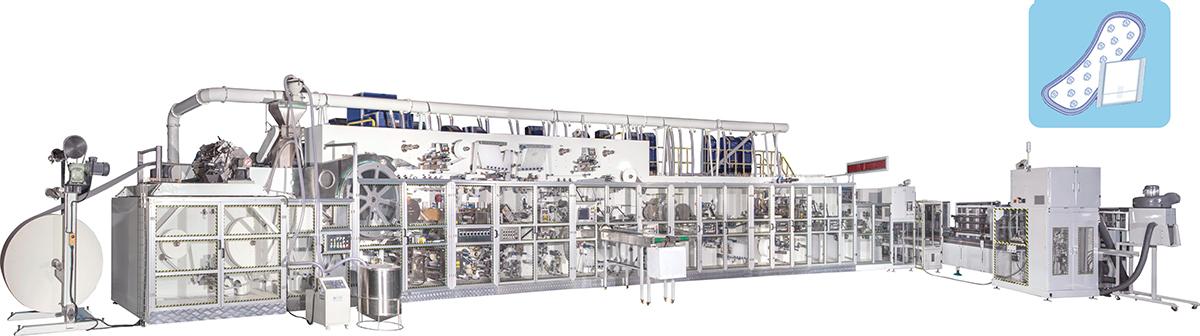
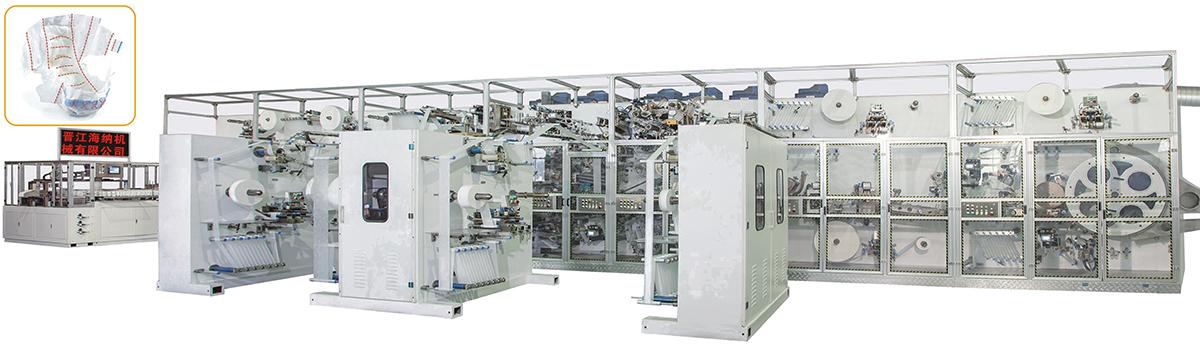
A menstrual pants line can include material unwinds, web guidance, absorbent-core preparation, acquisition and body-facing layers, liquid-resistant film, barriers, multiple elastic feeds, bonding or seam formation, contour and separation cutting, folding, inspection, rejection, counting, and downstream handling. Build the asset register from the delivered configuration, including utilities and support equipment that affect vacuum, extraction, adhesive, air, electrical supply, or environmental condition.
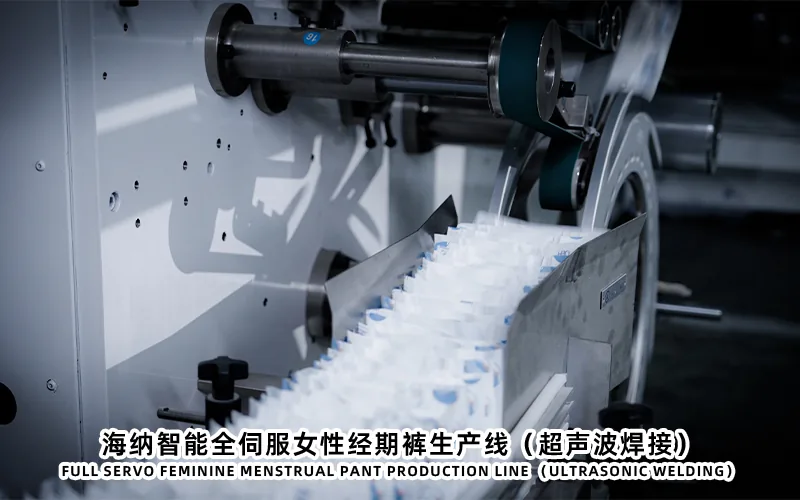
Map assets to product characteristics. Core equipment affects mass, profile, containment, and position. Web handling affects wrinkles and registration. Elastic applicators affect contraction and wearable geometry. Seam stations affect closure and appearance. Cutting affects edges and dimensions. Folding and transfer affect presentation and pack readiness. Inspection and rejection affect containment of defects. This map tells quality staff what to verify after each intervention.
Safety and hygiene boundary: use approved isolation, stored-energy, sharp-tool, hot-surface, and cleaning procedures. Do not improvise access or use a cleaning method that can spread fibers, dust, adhesive, lubricant, or debris into product and control areas.
Maintenance scope should connect every process zone to menstrual-pants geometry and quality.
Control Hygiene, Dust, and Product-Contact Surfaces
Define zones by contamination risk and cleaning method. Product-contact and near-product surfaces need identified tools, approved materials, and a documented completion check. Core and trim areas may generate fibers and dust that collect in extraction paths, vacuum seals, rollers, guards, sensors, and cabinets. Adhesive can build up near application and contact points. Each residue behaves differently, so one generic cleaning instruction is inadequate.
Clean from controlled areas toward collection points without redistributing contamination. Use vacuum, wipes, brushes, or other methods only as approved for the equipment and material. Uncontrolled compressed air can drive debris into bearings, electronics, ducts, or finished-product paths. Protect open components during intrusive work and account for wipes, blades, fasteners, wire ends, and tools before closing guards.
Inspection after cleaning is important because residue can hide wear, scoring, loose mounting, seal damage, or poor alignment. Record the as-found condition before removing evidence. Repeated heavy buildup may indicate extraction restriction, leakage, material behavior, poor application, incorrect guarding, or an interval that does not match exposure. Investigate the source rather than increasing cleaning frequency indefinitely.
Plan restart sanitation where maintenance opens product zones. The factory should define who verifies area clearance, correct materials, clean contact surfaces, removed chemicals, and first-off product disposition. Maintenance completion does not by itself establish hygienic readiness.
Maintain Elastic Chassis and Seam Functions
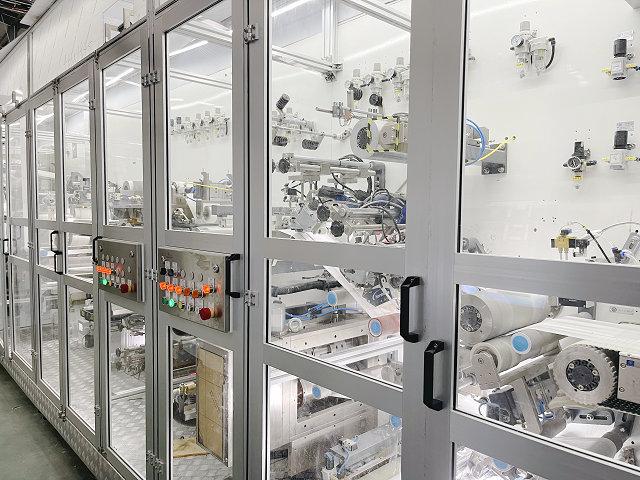
Elastic systems deserve a dedicated route. Inspect roll support, routing, guides, tension or feed devices, applicator surfaces, mounting, sensors, cables, hoses, and adhesive or bonding inputs. Look for material dust, nicks, hardened residue, worn contact surfaces, looseness, and repeated offset correction. Record whether the symptom is limited to one elastic group, one side, one size, a certain roll diameter, or a particular material lot.
Seam function depends on the installed method. Maintenance should identify the relevant energy, pressure, contact, timing, support, temperature where applicable, cleanliness, and alignment variables without assuming one universal process. Use approved process and equipment limits. Product checks should examine the defined seam position, continuity, appearance, and performance method. A visual pass alone may not prove attachment quality.
Elastic and seam maintenance should be verified against contraction, position, and wearable chassis geometry.
Function
Maintenance evidence
Product warning
Post-work verification
Elastic feed
Routing, guide, tension device, roll and applicator state
Uneven contraction or shifted elastic
Position and contraction sample by approved method
Chassis registration
Web edge, sensor, roller, mounting and recipe
Asymmetric geometry or component offset
Aligned dimension and position checks
Side seam
Cleanliness, contact, alignment, timing and process inputs
Open, weak, marked, or misplaced seam
Appearance and defined seam test
Contour cutting
Tool edge, buildup, support, fastening and clearance
Rough edge, incomplete cut, shape variation
Edge and finished-dimension inspection
Fold and transfer
Belts, guides, vacuum, timing and accumulation
Distorted fold or transfer mark
Fold geometry, orientation, rejection and count
A symptom can travel downstream. Uneven elastic may alter cutting or folding; core position may affect seam or wearable balance; material tension can look like applicator drift. Trace the earliest abnormal point and compare synchronized observations before changing several settings.
Create Diaper Production Line Condition Routes
Condition routes should distinguish observations possible during safe operation from work requiring a stopped and isolated state. During production, trained staff can observe external leakage, abnormal sound, product trends, alarm recurrence, roll behavior, and visible indicators from protected positions. Planned stops enable guarded-zone cleaning, fastening checks, tool inspection, belt and roller condition, sensor mounting, filters, and difficult access.
Use stable point names and methods. "Check vibration" is incomplete; identify the asset and point, machine state, approved instrument or comparison, baseline, action rule, and record. Similar detail applies to temperature, vacuum, drive load, alignment, tool condition, and tension behavior. Compare equivalent SKU and material conditions where process demand affects readings.
Review interval effectiveness rather than copying a fixed schedule forever. Frequent no-finding tasks may need a different trigger or method. Failures shortly after a completed inspection may reveal inadequate access, unclear limits, poor recording, or the wrong failure indicator. Material or product changes can increase exposure and justify an earlier review.
Repeatable condition points make trends comparable across sizes, materials, technicians, and shifts.
For menstrual pants manufacturing equipment, request maintenance access and inspection-point information during layout review. A component that cannot be safely reached, cleaned, measured, or replaced under the proposed factory arrangement creates a lifecycle risk that should be resolved before installation.
Govern Change Parts and Critical Spares
Menstrual-pants sizes can use dedicated guides, cutters, forming or folding parts, inspection regions, and recipes. Identify each physical change part with a controlled reference and compatible size. Store it clean, dry, protected from impact, and separated from damaged or obsolete parts. Inspect mounting surfaces, fasteners, alignment marks, wear, and sharp edges before installation.
Use changeover observations as maintenance evidence. A size that needs repeated extra adjustment may reveal part wear, base alignment, unclear setup standards, recipe drift, material variation, or damage. Record maintenance findings separately from normal setup time. Do not normalize improvised shims, unapproved settings, or undocumented part rework.
Connect every stocked spare to an installed asset, drawing, and approved specification.
Identify sensitive storage needs for bearings, blades, belts, sensors, drives, and electronic parts.
Inspect received parts and quarantine damaged, unidentified, or incompatible items.
Record whether installation needs programming, calibration, alignment, or a special recovery test.
Review repeated part consumption for a common mechanism before increasing stock.
Update the spare list when an approved modification changes compatibility.
Criticality depends on consequence and recovery options, not part price. A small dedicated sensor or size component may stop a product campaign if there is no approved alternative. Conversely, some larger items may have a controlled repair path. Set stock according to installed quantity, observed use, sourcing uncertainty, repairability, and business consequence without claiming a universal inventory level.
Area clearance: account for tools and materials and confirm product-zone hygiene.
Protection: restore guards and complete approved checks for affected safety functions.
Configuration: verify size parts, product recipe, material identity, and inspection regions.
Staged function: test motion and automatic functions in the sequence defined by the work plan.
Representative output: run the size and materials that challenge the serviced function.
Quality release: inspect core, elastic, seam, cut, fold, detection, rejection, and count as affected.
Follow-up: recheck condition after heat, load, speed, or material exposure can reveal settling.
Release evidence should prove hygiene, equipment restoration, automatic response, and menstrual-pants quality.
The release scope should be agreed before work starts. Quality can then prepare the right samples and methods, while maintenance knows which settings and functions require evidence. HAINA can review a proposed maintenance and recovery package for the supplied configuration, but site authorization, safety rules, and product disposition remain with the factory's approved roles.
Keep a follow-up open when the original condition was intermittent, material-specific, or dependent on sustained operation. A short dry cycle cannot verify an elastic-feed issue that occurs only late in a roll or a seam condition that changes after warm operation. State the event or duration that will close the follow-up.
Frequently Asked Questions
What does lady diaper production line mean here?
It refers to an industrial menstrual pants line. The guide therefore focuses on absorbent-core conversion, elastic wearable chassis, seams, contour cutting, folding, hygiene, inspection, and product release.
Why are elastic systems a separate maintenance focus?
Multiple elastic feeds and applicators can affect contraction, symmetry, fit geometry, cutting, and folding. Their routing, controls, mounting, cleanliness, material, and settings require coordinated evidence.
Should every size be tested after maintenance?
Test the sizes affected by the intervention and the representative condition most likely to expose a problem. Work on shared datums or base equipment may justify checking more than one setup.
How can maintenance protect hygiene?
Use controlled cleaning zones, approved tools and methods, protected open components, debris and tool accountability, product-contact inspection, material clearance, and quality authorization before release.
Conclusion
A useful guide reflects the menstrual-pants process instead of offering generic cleaning advice. Map the diaper production line by hygiene, core, web, elastic, seam, cutting, folding, automation, and transfer risk. Define safe tasks, condition evidence, change-part control, critical spares, and product-specific release tests. The practical verification step is to select one planned intervention in an elastic or seam zone and observe it from as-found inspection through representative product follow-up. Before accepting the guide, the buyer or factory should close any missing access method, part identity, cleaning rule, quality criterion, or cross-functional handoff revealed by that trial.