The five useful lubrication rules for sanitary napkin equipment are to define the correct point, lubricant, quantity, interval, and responsible person for every task. A maintenance planner should turn those rules into a controlled register rather than rely on memory or a generic grease schedule. Each entry needs an equipment reference, approved product, application method, contamination controls, completion evidence, and an escalation trigger. This approach protects bearings and transmission parts while reducing the risk that oil or grease reaches absorbent materials. The final intervals must come from the machine documentation, operating conditions, inspection findings, and verified lubricant compatibility.
Five Rules for Sanitary Napkin Lubrication
A practical five-rule system converts a broad maintenance instruction into five questions: where is the point, what product is approved, how much is applied, when is it due, and who owns the work? All five answers must appear together. A color mark on a bearing without a quantity or interval is incomplete, and a calendar task without a physical point reference invites mistakes. The register should use the same component names shown on drawings, lubrication diagrams, and the machine interface so operators and maintenance technicians speak the same language.
The point list should cover driven bearings, chains, gear units, guides, sliding mechanisms, and other serviceable components identified by the manufacturer. It should also state which components are sealed, centrally lubricated, or not intended for routine field lubrication. Adding grease to a sealed bearing or mixing oil types can create a fault rather than prevent one. Procurement teams reviewing sanitary napkin manufacturing equipment should therefore request the lubrication drawing and approved-product list before acceptance, not after production begins.
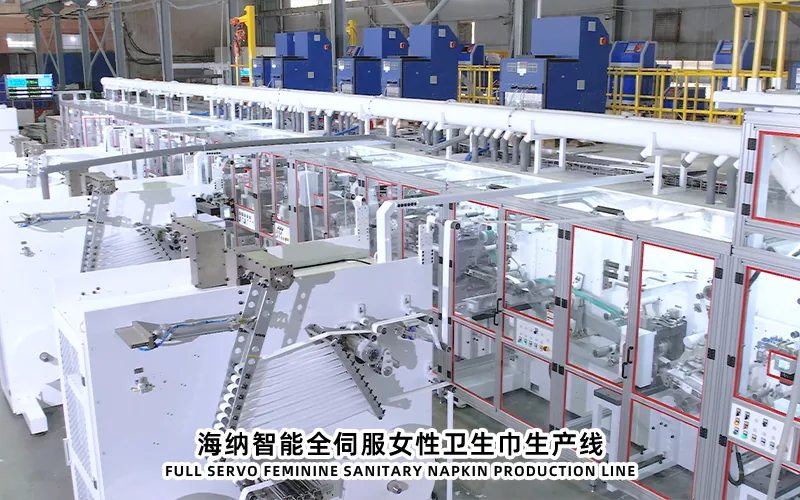
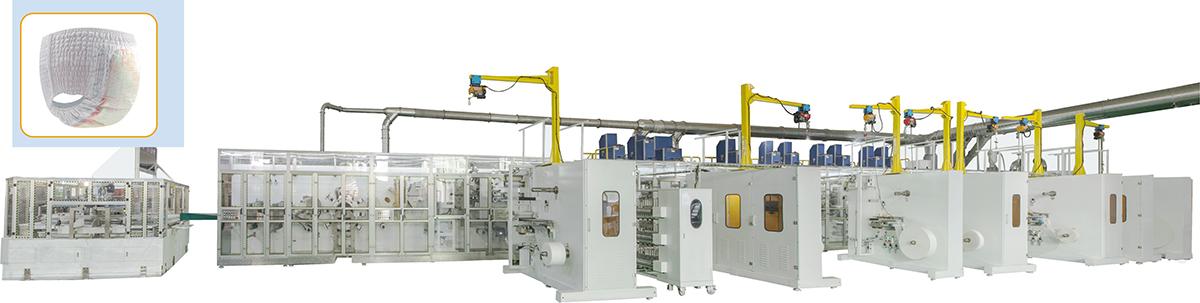
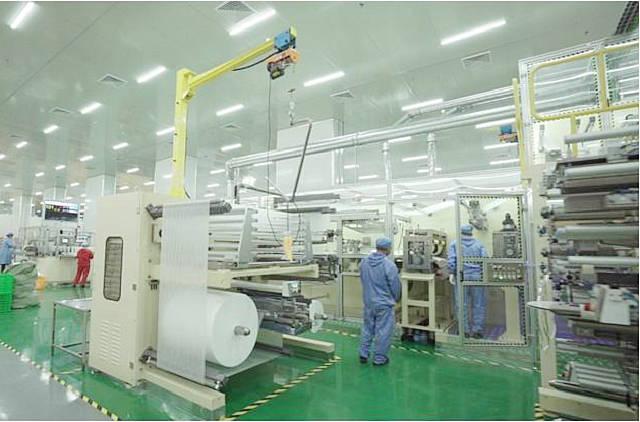
Point identification should follow the actual line layout and component documentation.
Build a Point Register That Technicians Can Use
Begin with an equipment walkdown while the line is stopped, isolated, and available for inspection. Give every service point a unique code that connects the physical label to the maintenance record. Record the component, access route, isolation requirement, approved tool, lubricant code, application amount, interval basis, and normal condition after service. Photographs may help identify a point, but they do not replace a drawing reference because guards, covers, and nearby parts can change.
Accessibility deserves its own field. A task hidden behind a guard may require planned downtime, while an externally routed point may be serviced during a shorter stop. Never convert a difficult point into an online task simply to save time. The machine risk assessment, isolation procedure, and supplier instructions determine whether any task can be completed while equipment is energized. If the access arrangement encourages technicians to reach near moving webs, cutters, drives, or heated assemblies, raise an engineering change request instead of normalizing the unsafe route.
The register also needs status control. Mark points as active, temporarily unavailable, modified, or retired, and retain the reason for each change. When a bearing, gearbox, or central lubrication block is replaced, compare the new component requirements with the previous entry. A component that looks interchangeable may have a different grease, fill level, seal arrangement, or relubrication interval.
Control Lubricant Selection and Storage
Lubricant selection is an engineering decision, not a purchasing substitution. Compatibility depends on the component, base oil, thickener system, viscosity requirement, operating temperature, speed, load, seal material, and surrounding environment. The approved list should name the exact product used at each point and define a review route when that product is unavailable. A supplier statement that two products are generally similar is not enough evidence for mixing them inside a component.
Storage controls protect the decision after approval. Keep containers closed, labeled, clean, and separated by product. Use dedicated transfer containers and application tools so residues do not cross between oils and greases. Mark the receiving date and status, and quarantine damaged, unidentifiable, or contaminated containers. Small open cups beside the line are convenient but remove traceability and expose lubricant to fibers, dust, and moisture.
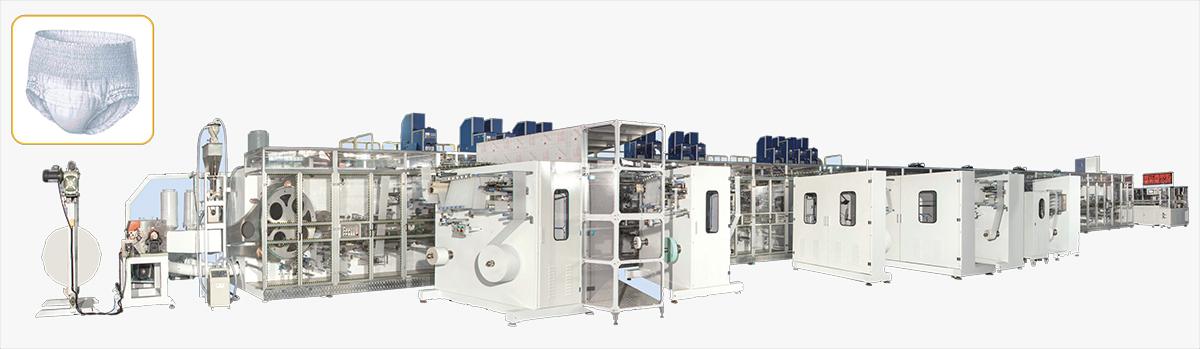
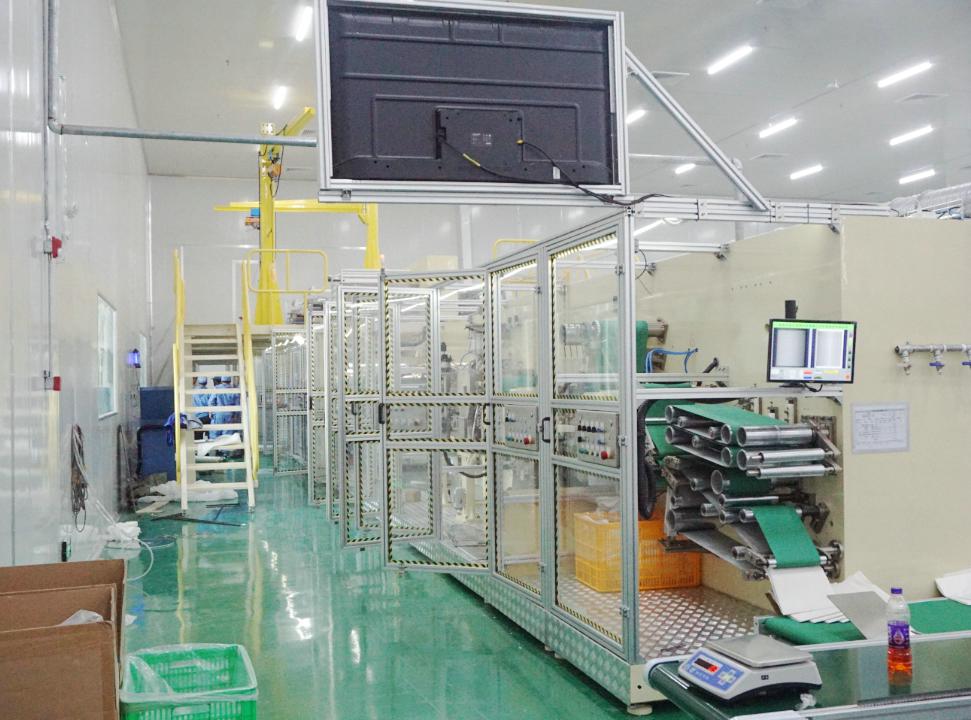
Dedicated tools and labeled products reduce mixing and application errors.
Control field
Required evidence
Common failure
Planner response
Point
Drawing reference and physical code
Wrong bearing or missed hidden point
Verify during a safe walkdown
Product
Approved lubricant and compatibility review
Mixed or substituted product
Quarantine and obtain engineering disposition
Quantity
Measured amount or defined level
Overfilling, leakage, or heat
Inspect, correct, and record condition
Interval
Manual basis plus operating history
Calendar task ignores actual duty
Review after trend and condition evidence
Owner
Named role and completion record
Assumed work or duplicate work
Use signoff and independent spot checks
Set Quantity and Interval From Evidence
More lubricant is not automatically better. Excess grease can raise churning temperature, damage seals, and push material into areas where it does not belong. Too little may leave contact surfaces inadequately protected. Express quantity in a repeatable form: a measured mass or volume, a verified metering-device output, or a clearly defined oil level under stated machine conditions. Avoid instructions such as "add some grease" or "fill as needed" because two technicians will interpret them differently.
Use the equipment documentation as the initial interval basis, then review it against actual duty. Operating hours, starts and stops, washdown exposure, ambient conditions, vibration, temperature trend, leakage, and component condition can all affect the maintenance need. Do not shorten or extend intervals from one observation alone. Collect repeated evidence, identify the cause of abnormal condition, and have the authorized engineering or maintenance role approve the revision.
Centralized systems need the same discipline. Inspect reservoir level, delivery pressure or indication where applicable, metering devices, pipe condition, fittings, and evidence that lubricant reaches the intended point. A full reservoir does not prove successful delivery. A blocked line, empty feeder, broken tube, or incorrect setting can leave a bearing dry while the central unit appears normal.
Condition checks confirm whether the planned quantity and interval remain suitable.
Prevent Product and Material Contamination
A sanitary-product line combines moving mechanical parts with absorbent webs, films, adhesives, and finished-product handling. Lubrication work must therefore include a contamination barrier. Plan the task for a controlled stop, protect nearby material paths, remove exposed rolls or components when required, and clean the work area before releasing the line. Use only the minimum approved quantity and wipe away excess without pushing residue into guards or crevices.
After service, inspect seals, drain plugs, grease relief paths, drip points, and surfaces above or beside the web route. Rotate or jog equipment only under the approved restart procedure, then check for fresh leakage before valuable material is introduced. Any suspected contact with raw material or product should trigger segregation under the factory's quality procedure. Maintenance staff should not decide alone that affected material is acceptable.
Contamination prevention also applies to cleaning cloths, brushes, gloves, and used cartridges. Count and remove tools and consumables, close all guards, and document housekeeping completion. A well-lubricated component is not a successful job if a rag, loose cap, or smear remains inside the production zone.
Assign Ownership, Verification, and Escalation
Assign each task to a role with the training, tools, and authority to complete it. Operators may own simple external observations, while maintenance technicians perform controlled applications and engineers approve product or interval changes. The planner schedules access and materials; quality personnel decide product disposition after contamination concerns. This division prevents unclear phrases such as "production will handle it" from becoming gaps.
Completion evidence should include date, operating-hours reading if used, point code, product batch or traceable store issue, quantity, observed condition, technician, and exception. Supervisors should sample completed tasks in the field, focusing on high-risk points and unusual entries. Repeated early consumption, heat, vibration, darkened oil, metal particles, damaged seals, or frequent blockage deserves escalation rather than another routine entry.
During requirement review or FAT planning, HAINA can help a buyer identify documentation and access questions for the supplied line. The factory remains responsible for converting those inputs into its own controlled maintenance system, site safety rules, approved lubricant inventory, and competency records.
Lubrication Evidence Checklist
Before the task: Confirm the point code, safe isolation, approved product, dedicated tool, measured quantity, contamination controls, and current instruction revision.
During the task: Check the old condition, apply the defined amount by the approved method, observe acceptance or leakage, and record anything abnormal without hiding it in free text.
Before release: Remove protection and tools, inspect the material path, restore guards, verify the point after controlled movement, and obtain quality disposition if exposure is suspected.
During review: Trend missed tasks, abnormal consumption, repeat leakage, temperature or vibration findings, component replacements, and unauthorized product substitutions.
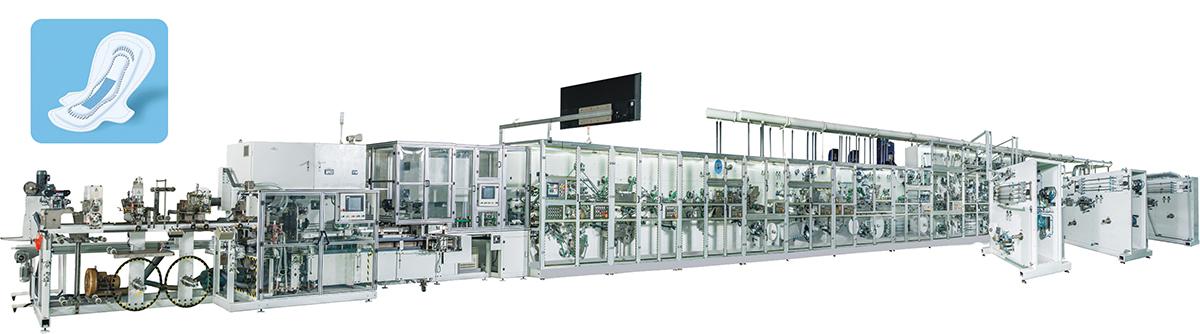
A controlled release verifies guarding, cleanliness, records, and mechanical condition.
Frequently Asked Questions
Should every lubrication point use the same interval?
No. Component design, lubricant, duty, environment, access, and condition differ. Start from documented requirements and revise only through an evidence-based approval process.
Can technicians mix greases with similar descriptions?
Not without a compatibility decision. Similar marketing descriptions do not prove that base oils, thickeners, additives, or seal interactions are compatible inside the component.
What proves that a central lubrication system is working?
Reservoir level alone is insufficient. Verify delivery indications, feeders or metering points, tubing integrity, and evidence that the lubricant reaches each intended component.
When should an interval be changed?
Change it after documented trends show a repeatable need and the authorized role reviews failure mode, operating duty, inspection evidence, and manufacturer guidance.
Conclusion
A reliable sanitary napkin lubrication program fixes the point, product, quantity, interval, and owner in one controlled record, then verifies that work through condition and contamination evidence. Before placing or accepting an equipment order, ask the supplier to walk through the lubrication drawing, access method, approved-product list, central-system checks, and sample maintenance record. Use that session to create a site register and witness several representative tasks during FAT or commissioning. The practical next step is to select one line zone, tag every service point, and close every missing field before expanding the method across the factory.