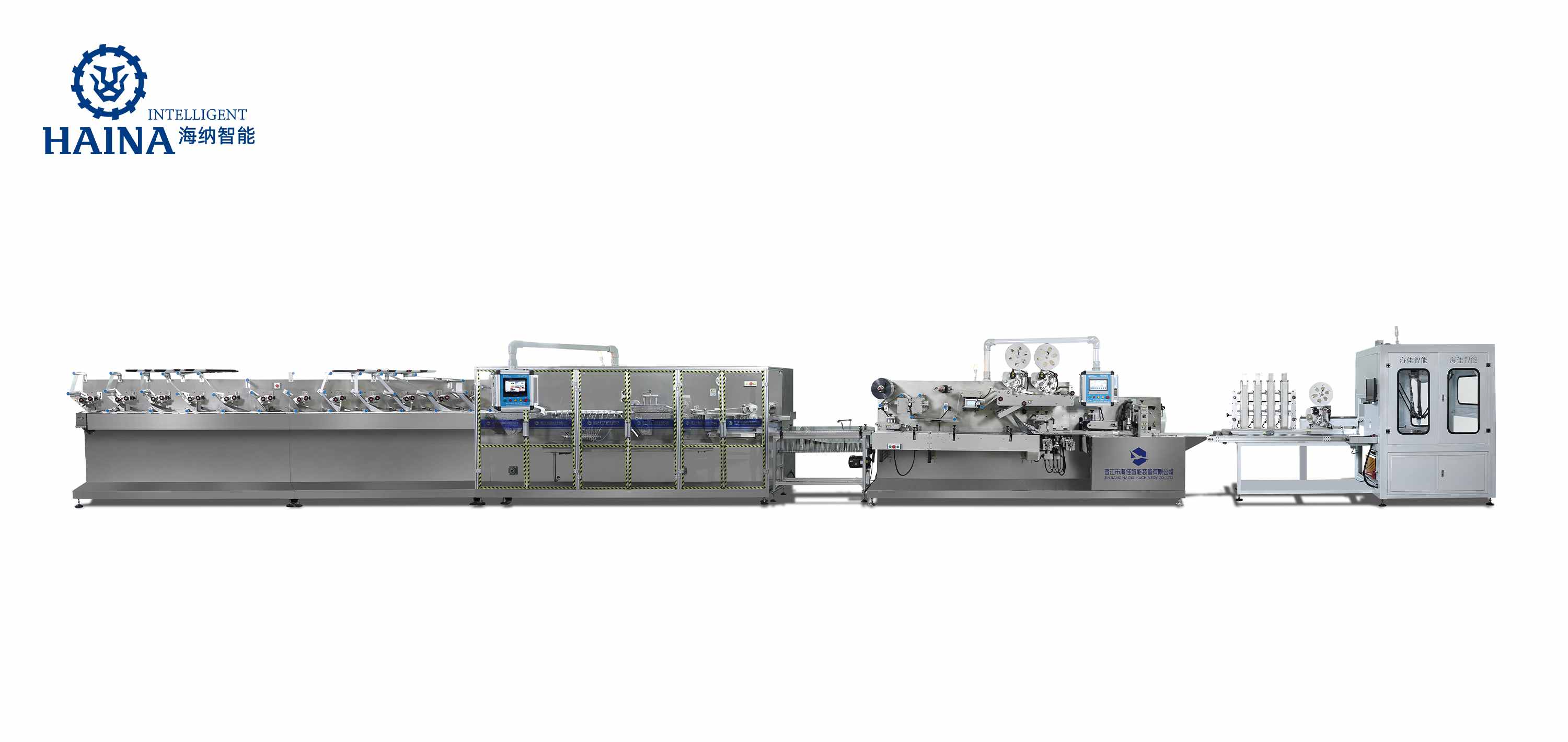
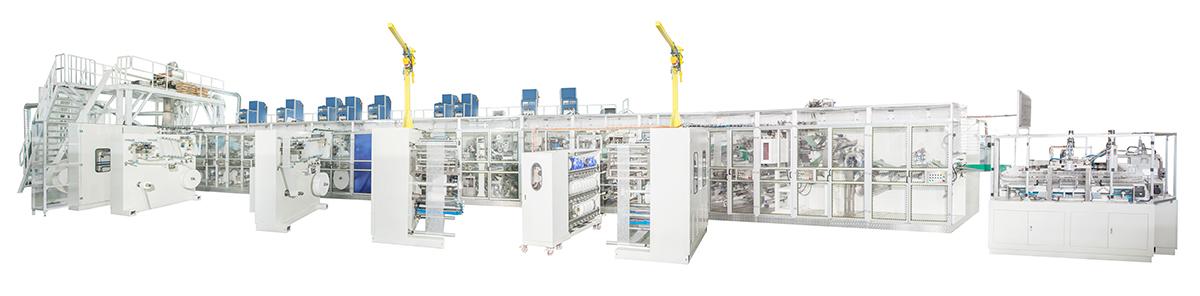
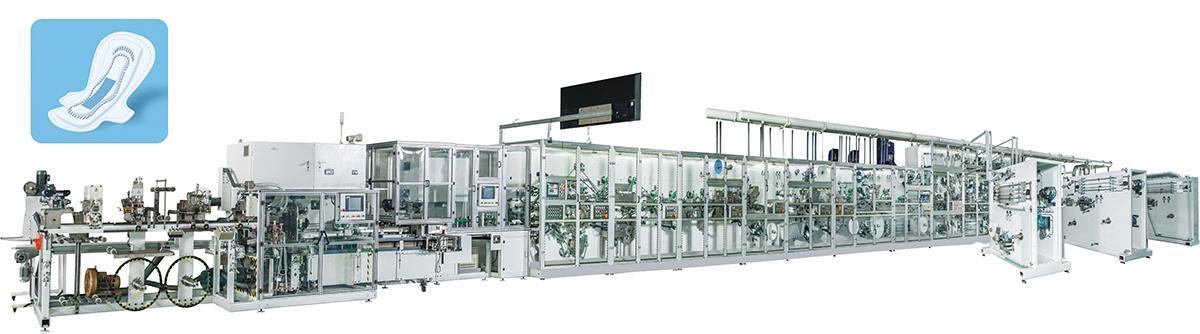
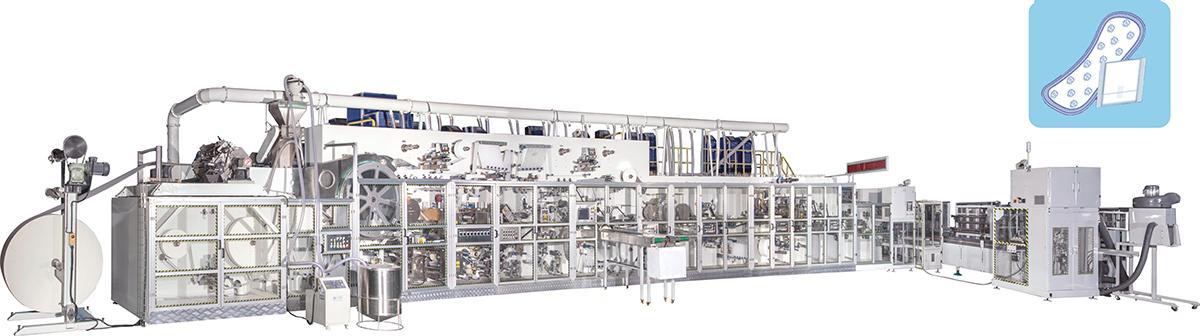
Essential product knowledge for a baby diaper machine manufacturer is the controlled understanding of product structure, material behavior, process settings, inspection methods, maintenance needs, and documented changes. A factory auditor should look beyond whether the line can make a diaper sample. The stronger question is whether engineering requirements are translated into repeatable production records, traceable tests, approved recipes, and timely support. This knowledge protects product consistency when sizes, materials, operators, or machine settings change. It also gives a buyer objective evidence for comparing suppliers before acceptance instead of relying on demonstrations, broad capacity statements, or an attractive finished sample alone.
Product Knowledge Defines the Audit Scope
A product-knowledge audit begins with the diaper specification, not the equipment brochure. Ask the supplier to identify the intended user group, size range, absorbent-core concept, topsheet and backsheet types, elastic functions, fastening system, and packaging handoff. Every feature creates a process requirement. A soft topsheet needs controlled handling; a stable core needs consistent formation and containment; leg and waist elastics require placement and tension control; and a fastening component needs registration and bond verification.
The auditor should then trace each requirement to an owned document. Useful evidence includes approved drawings, a bill of materials, material specifications, process-flow diagrams, inspection plans, recipe permissions, alarm-response instructions, and sample-retention rules. The point is not to demand paperwork for its own sake. The point is to confirm that operators, technicians, and quality staff are working from the same definition of an acceptable product.
Audit boundary: a successful short demonstration proves only that a particular combination ran at that time. It does not prove stable operation across approved sizes, material lots, shifts, or changeovers. Request evidence for the actual commercial operating window.
Map Product Functions to Machine Processes
A reliable review follows the web path through unwinding, tension control, core preparation, component application, bonding, cutting, folding, rejection, counting, and downstream transfer. At each stage, ask what product defect can be created, how the line detects it, and what record shows that the response is effective. This process-based approach reveals gaps that a component list can hide.
Follow every material from its unwind point to final transfer when checking process ownership.
Product function
Process to examine
Evidence to request
Risk if uncontrolled
Liquid acquisition
Topsheet and acquisition-layer placement
Material identity, alignment checks, bond inspection
The map should reflect the proposed configuration. Buyers comparing automatic baby diaper manufacturing equipment should ask which inspection and rejection functions are included, which are optional, and which checks remain manual. That distinction affects staffing, sampling frequency, and the acceptance plan.
Audit Baby Diaper Machine Engineering Control
Engineering control shows whether product knowledge survives from design through assembly and commissioning. Confirm who approves mechanical drawings, electrical documentation, software revisions, safety functions, and customer-specific recipes. Drawing and software versions should be identifiable at the machine and in the handover package. A revision history should state what changed, why it changed, who reviewed it, and whether the change affected validation or spare parts.
Parameter access deserves special attention. Operators need enough authority to run approved products, but uncontrolled edits can conceal a process problem or create a new one. Ask how access levels are assigned, how recipe changes are recorded, and how a validated setting is restored. Alarm limits and bypasses should also have defined ownership. An auditor should challenge one representative control: select a critical setting, trace its approved range, identify who may edit it, and verify that an out-of-range condition creates an appropriate response.
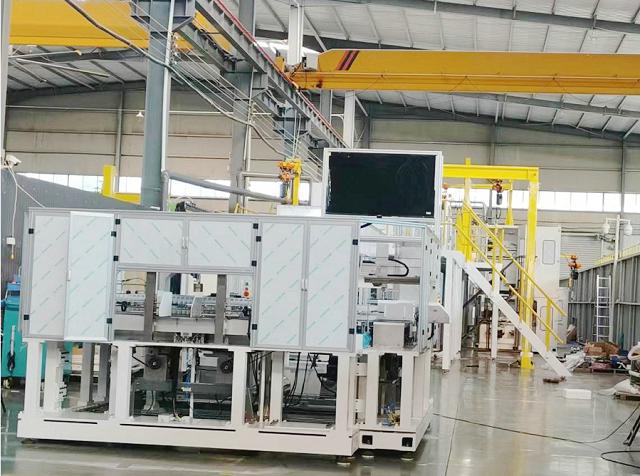
Engineering records should identify the installed modules and the approved controls for each process zone.
Interfaces matter as much as individual stations. A change in material tension can affect registration downstream; a cutting change can alter folding; and a sensor delay can affect rejection timing. Strong engineering review therefore includes line-level cause and effect, not isolated component specifications.
Review Production and Testing Evidence
Production records should make a batch or run reconstructable. At minimum, the reviewer should be able to connect material lots, product recipe, size, shift, operators, start and stop times, key checks, nonconformities, and disposition. Trend records are more informative than a single passing result because they show drift, repeated adjustment, and whether a control remains centered during a run.
Testing must match the claimed product characteristic. Dimension checks support geometry; component-position measurements support registration; mass or profile checks support core consistency; and defined bond tests support attachment quality. No one test proves overall performance. Ask for the test method, sampling point, frequency, instrument status, acceptance rule, and response to failure. Where an automatic inspection system is proposed, challenge it with known conditions during FAT and reconcile detected rejects with physical products.
Testing evidence should connect product results to the machine zone and settings that created them.
Also review startup and changeover output separately from stable running. Material splices, warm-up adjustments, size-part installation, and recipe loading create different risks. The supplier should explain how first-off products are quarantined, approved, and released, and how rejected startup material is identified.
Connect Maintenance with Change Control
Product knowledge is incomplete if maintenance is treated only as lubrication and repair. Wear in cutting, vacuum, guidance, tension, bonding, or drive components can appear first as product variation. The maintenance plan should connect condition checks to quality symptoms and define a response before repeated defects occur. Ask for inspection points, safe isolation steps, acceptable condition criteria, tool requirements, consumables, and completion records.
Change control must cover replacement parts, software updates, material substitutions, parameter-range changes, and modifications made after commissioning. A replacement that physically fits may still change timing, surface behavior, heat transfer, vacuum, or measurement response. The approval process should evaluate whether drawings, spare lists, training, recipes, tests, and risk reviews need revision.
Recovery evidence is equally important. After intrusive maintenance or a controlled change, the line should not return directly to unrestricted production. Define checks for guarding, tools and loose parts, utilities, manual motion, sensor response, dry cycling, material threading, first-off inspection, and authorization to release. HAINA can review the proposed maintenance and FAT evidence against the buyer's product requirements, but the final intervals and release criteria should be agreed for the installed configuration and local operating conditions.
Use a Supplier Support Evidence Checklist
A factory auditor can score completeness without pretending that every supplier uses identical document names. Mark each item as available, incomplete, or requiring demonstration, and record the person responsible for closure.
Requirement trace: product features connect to process stations, settings, and inspection points.
Configuration record: installed equipment, options, controls, and utilities match the approved scope.
Production trace: materials, recipe, shift events, checks, and dispositions can be reconstructed.
Test control: methods, frequencies, instruments, acceptance rules, and failure actions are defined.
Maintenance control: condition criteria, safe methods, spare references, and recovery checks are usable.
Change control: mechanical, electrical, software, recipe, and material changes receive review.
Competence: training covers operators, maintenance staff, quality staff, and authorized parameter editors.
Support handoff: escalation contacts, issue evidence, document delivery, and open-item closure are recorded.
A complete audit connects the physical line with controlled documents, trained roles, and acceptance evidence.
Do not convert the checklist into a yes-or-no paperwork exercise. Select representative records and test whether they work together. For example, choose one product defect, find its inspection criterion, trace the related setting, identify the maintenance condition that can influence it, and review the response record. This sample trail exposes disconnected systems quickly.
Choose audit samples by risk instead of convenience. Include one frequently produced size, one size with dedicated change parts, one material substitution, one nonconforming run, and one engineering change made after initial testing. For each sample, compare the approved requirement with the actual revision used on the floor. Confirm that production and quality records agree on time, lot, recipe, and disposition. Where a document was corrected, verify that the obsolete version cannot remain in normal use.
Support readiness can be challenged in the same way. Present a realistic issue package containing a product symptom, alarm time, material lot, settings, and photographs, then ask the supplier to demonstrate its intake and escalation path. The audit is not a test of instant diagnosis. It verifies that responsibilities, required evidence, document access, and closure records are practical after handover. Record any dependency on a person, untranslated file, unavailable drawing, or uncontrolled messaging channel as a governance gap.
Frequently Asked Questions
What product knowledge should an auditor verify first?
Start with the approved diaper specification and process map. They establish what the equipment must make, which machine zones create each feature, and where evidence should exist. Without that baseline, records may appear complete while controlling the wrong requirement.
Does a passing sample prove the line is ready?
No. A sample confirms a result under one set of conditions. Readiness requires repeatable runs, traceable materials and recipes, challenged inspection and rejection functions, controlled changeovers, trained roles, and agreed acceptance evidence.
How should automatic inspection be audited?
Review the detection target, limits, permissions, alarm behavior, reject timing, and stored records. During an agreed test, introduce or select known conditions, then reconcile the system response with the physical reject stream and production count.
Why include maintenance in a product-knowledge audit?
Machine condition affects placement, cutting, bonding, tension, and detection. Linking maintenance criteria to product symptoms helps a factory act before wear becomes recurring nonconforming output and verifies recovery after intervention.
Conclusion
Essential knowledge is valuable only when it is controlled and demonstrated. Before approving a baby diaper machine supplier, build a requirement-to-evidence matrix using the intended SKUs and materials. During the factory review, trace selected product functions through drawings, recipes, production records, tests, maintenance tasks, and change history. Then include unresolved evidence, responsible owners, and closure dates in the FAT action list. The practical buying decision should follow a witnessed run and record review that proves the supplier's engineering and support system can preserve the agreed product requirements beyond one demonstration sample.