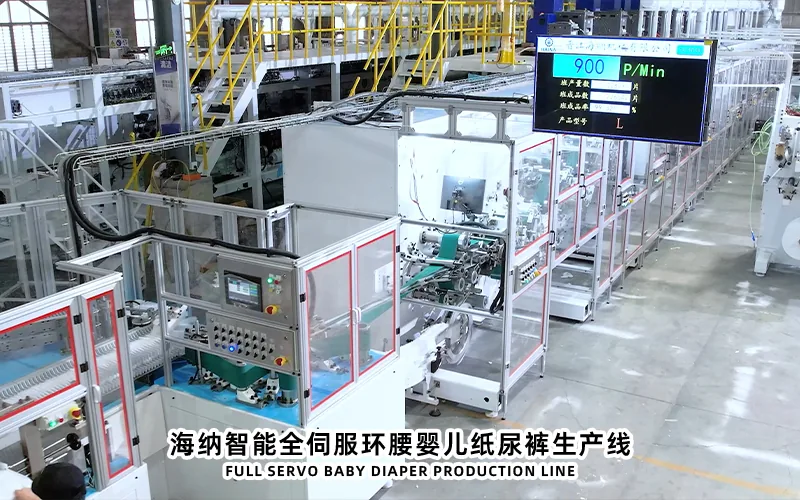
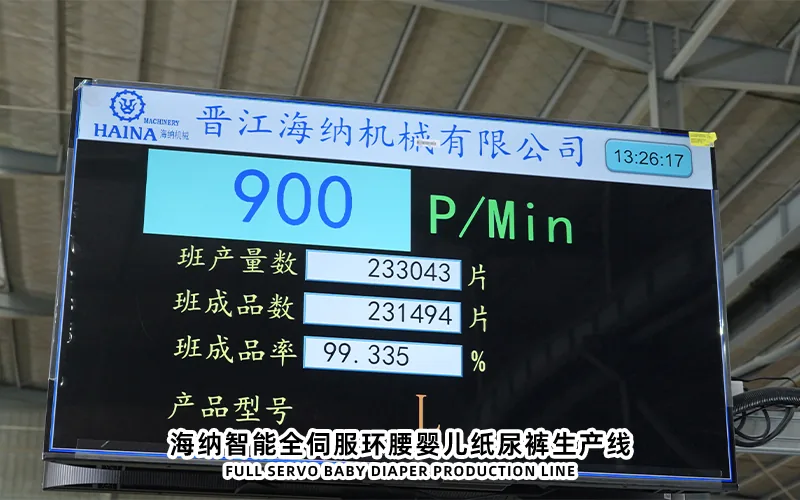
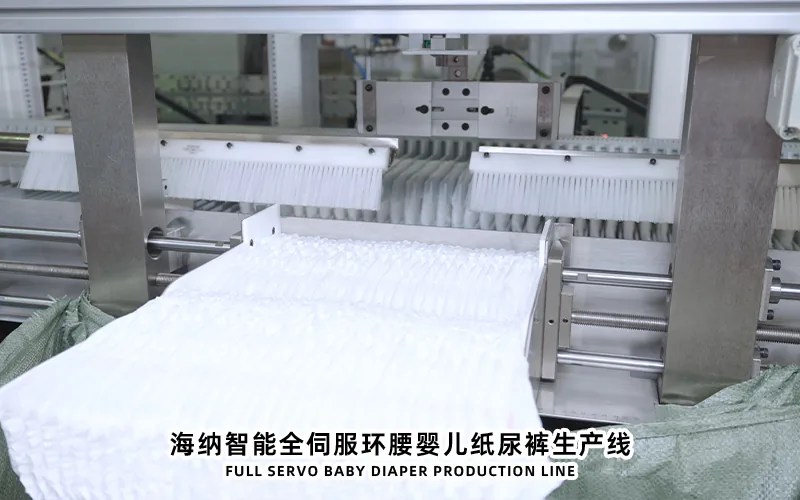
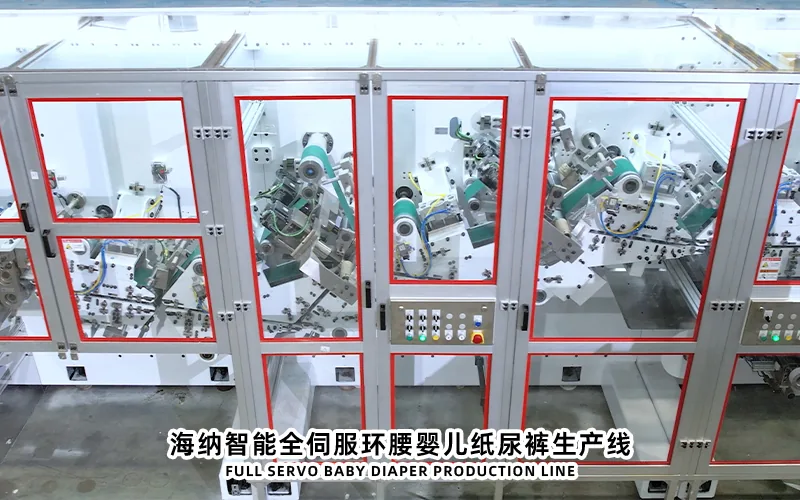
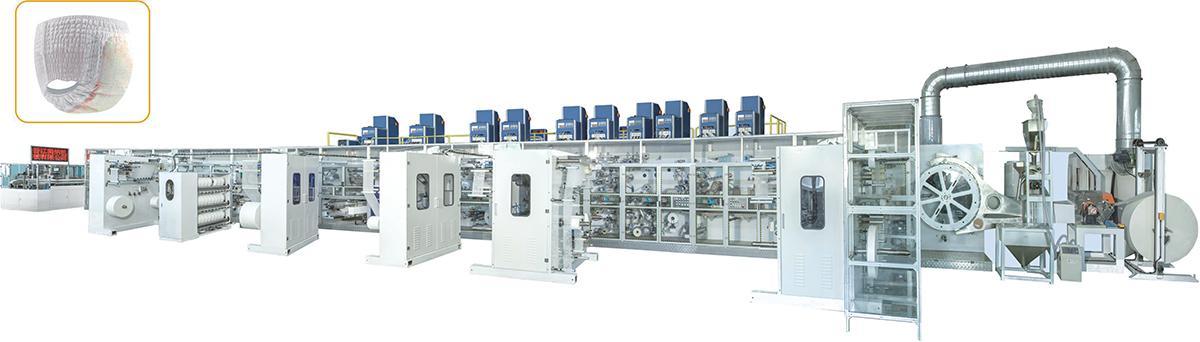
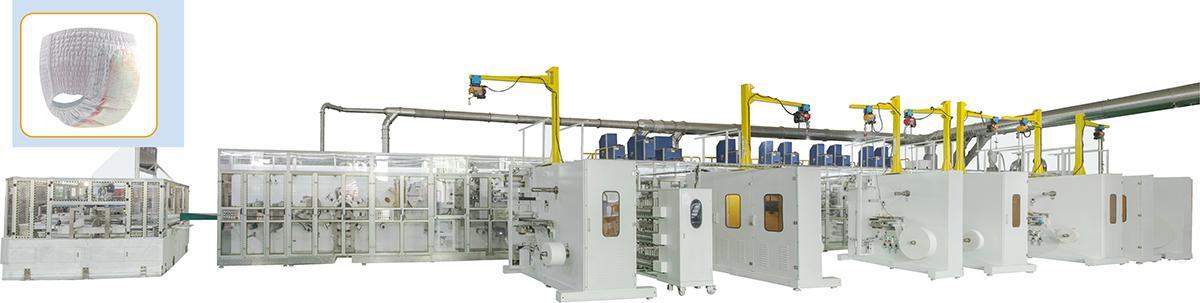
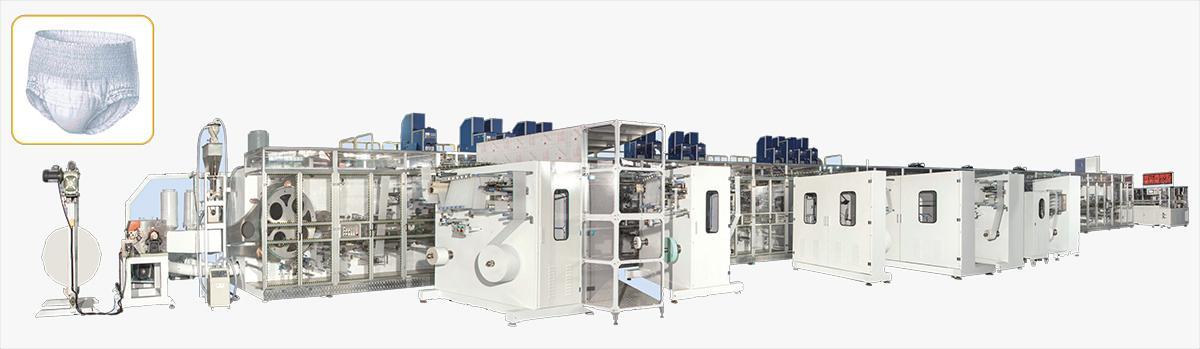
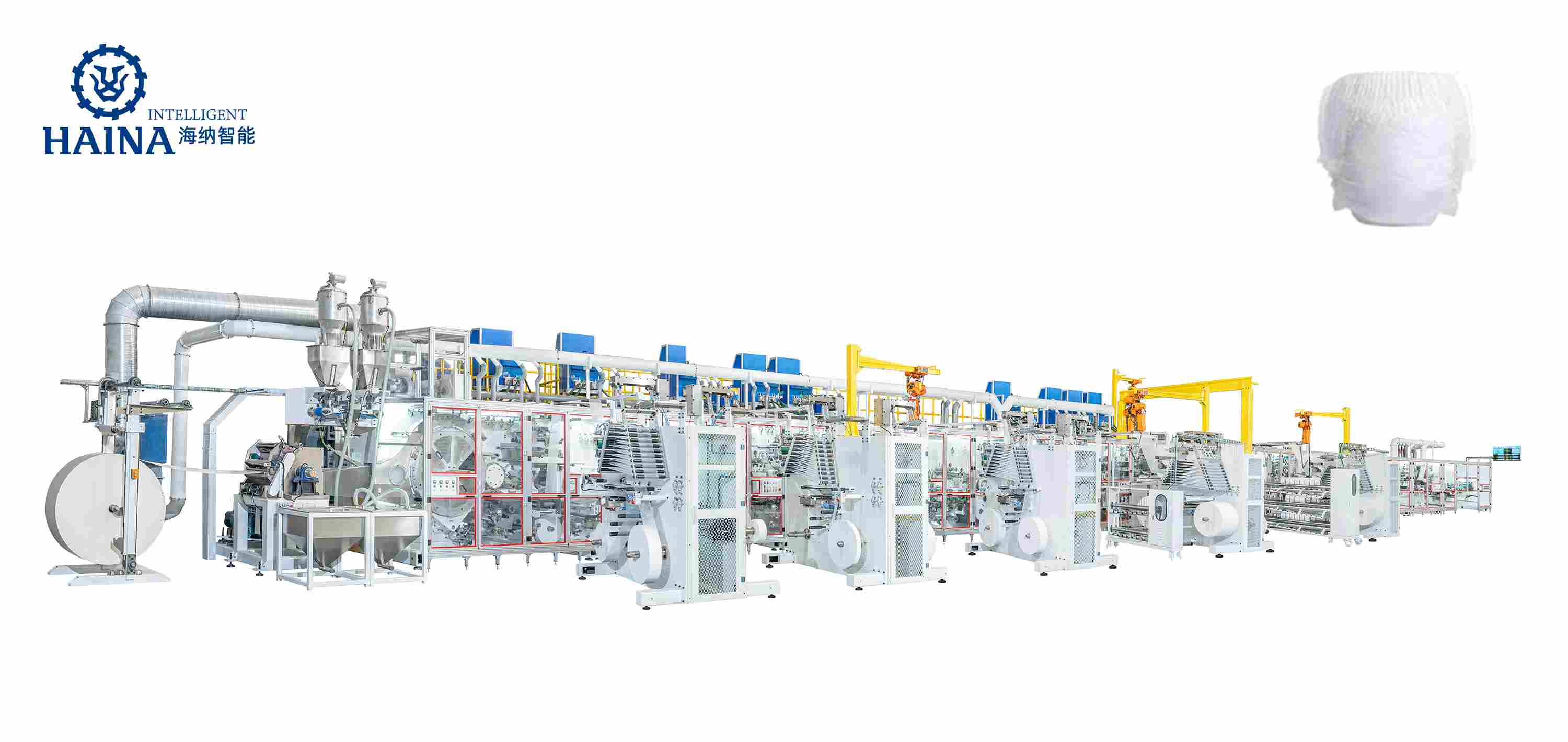
A baby diaper manufacturing machine is cost-effective only when its verified acceptable output and product margin can cover the complete lifecycle cash requirement at a risk level the investor accepts. Equipment price alone cannot prove this. The model must include the quoted line boundary, product tooling, factory and utility work, materials, labor, packing, quality control, startup loss, maintenance, spares, downtime exposure, financing assumptions, and working capital. Use supplier evidence for technical inputs, local quotations for site costs, and sensitivity cases for demand, material prices, product mix, ramp-up, and stable operating performance before claiming that the investment is economical.
Define Cost-Effective for the Project
Cost-effective is a comparison between alternatives and objectives, not a permanent characteristic of a machine. An investor may care about cash needed before saleable production, contribution per acceptable pack, ability to serve a planned market, downside survival, time to positive cash flow, or strategic control of supply. Define the decision metric, time horizon, currency, tax treatment, financing treatment, and approval threshold through qualified financial review.
Establish alternatives. These might include purchasing a defined equipment scope, outsourcing conversion, using a different automation boundary, phasing packing equipment, or postponing the project until product demand is clearer. Compare like-for-like products and responsibilities. An outsourced price may include services, working capital, or risk that an equipment quotation does not. Conversely, factory ownership may create capabilities not captured by a simple unit-cost calculation.
Keep technical capability separate from financial assumptions. The supplier can propose line functions and demonstrate operating conditions, but it cannot guarantee the buyer's sales price, demand, financing, labor practice, material contracts, or factory management. Label every input by source, date, owner, confidence, and verification action. This makes the model auditable when assumptions change.
Cost analysis should include the complete operating asset and interfaces, not only the main converter price.
Set the Baby Diaper Manufacturing Machine Boundary
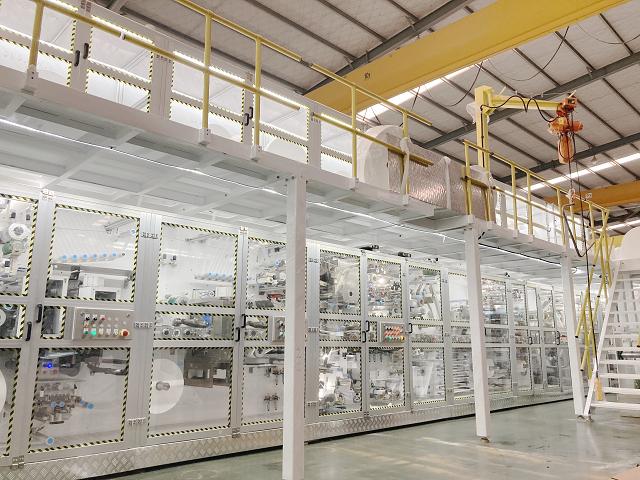
Ask what the quoted equipment actually delivers. The boundary may include absorbent-core processing, material unwinds, component applicators, adhesive systems, web control, cutting, folding, inspection, rejection, counting, stacking, or a packing interface. Bagging, coding, case packing, extraction, air supply, conveyors, lifting devices, laboratory equipment, tools, spare parts, freight, installation, and commissioning inputs may sit elsewhere.
Create a module and responsibility matrix. For each item, record supplier or buyer design, supply, transport, installation, connection, testing, and maintenance. Price status should be quoted, budgetary, buyer estimate, excluded, or unknown. Unknowns are not zero; carry them as open exposures and seek evidence. Compare alternatives only after aligning the usable production boundary.
Product range affects scope. Each baby diaper size and construction may need tooling, recipes, guides, cutters, folding parts, inspection setup, and trial materials. Future formats should be options, not assumed free flexibility. The model must include the launch tooling needed to earn forecast revenue and separately show later expansion costs.
Build the Installed Cost Register
Installed cost begins before equipment reaches the site. Record product development and trials, engineering, building modifications, floor work, electrical distribution, compressed air, extraction, ventilation, adhesives area, network, material storage, quality laboratory, access improvements, fire and safety work, permits, freight handling, insurance where applicable, duties and taxes under local advice, lifting, installation labor, and commissioning support. Avoid applying a generic percentage when direct quotations can be obtained.
Include operating readiness: recruitment, training time, translations, work instructions, maintenance tools, initial lubricants and consumables, change-part storage, initial wear and critical spares, raw-material trial quantities, packaging trials, product testing, waste disposal, and inventory before first sales. Working capital can be significant because multiple materials and finished sizes must be stocked. Finance should define how inventory and payment terms enter the model.
Use an evidence register rather than a hidden spreadsheet assumption. Attach the supplier quotation revision, local contractor proposal, utility assessment, logistics quote, tax opinion, staffing plan, and trial-material estimate. Add validity dates and currency treatment. When one item changes, the investment committee can see which scenario must be recalculated.
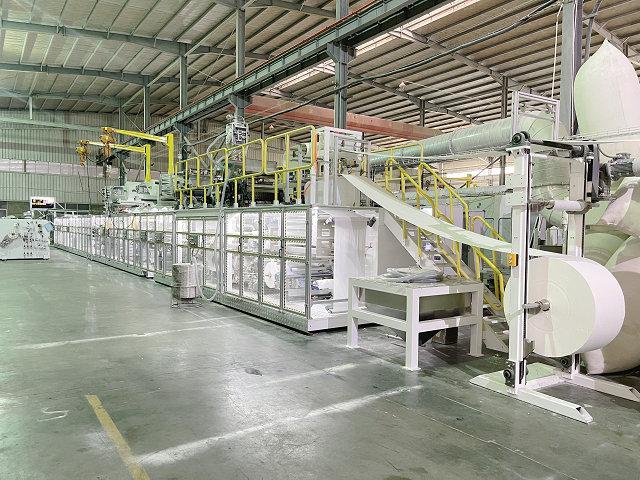
Site utilities, access, auxiliaries, installation, and readiness costs belong in the installed-cost register.
Model Variable Production Cost
Build the bill of material for each sellable diaper and pack. Use approved usage rates and current commercial quotations for pulp or absorbent structures, absorbent polymer where applicable, nonwovens, films, elastics, tapes, adhesives, release materials, packaging, labels, and cases. Apply expected procurement terms and yield assumptions from traceable trials. Do not copy material consumption from a different product design.
Separate setup material, normal trim, quality rejects, damaged packs, and obsolete inventory. Waste is not one universal percentage and should not be promised without evidence. During FAT and ramp-up, record input, acceptable output, reject categories, rolls, splices, and settings. Use a range in early models and replace assumptions with validated plant data as the process stabilizes.
Add utilities and consumables according to the defined system boundary. Electricity, compressed air, extraction, adhesives, packaging heat or air, cleaning supplies, inspection consumables, and waste treatment may be relevant. Measurement conditions should state product, operating state, and included auxiliaries. A machine nameplate or peak figure does not automatically equal normal cost per acceptable pack.
Labor depends on roles, shifts, local practice, and automation boundary. Include material preparation, operators, quality, packing, maintenance, supervision, warehouse, sanitation, and administration according to the company's allocation policy. Do not assume automatic equipment eliminates labor. It changes tasks and competence requirements.
Test Output and Product Mix
Revenue capacity should be based on acceptable packed products, not design speed. Distinguish design speed, stable working speed for a defined format, actual planned operating speed, and contractual acceptance output. Model production days, shifts, planned maintenance, cleaning, roll changes, size changes, sampling, downstream packing availability, and credible interruptions. Use the slowest or highest-risk launch formats where they materially affect the mix.
Product mix changes both contribution and time. Larger diapers may use different material quantities; small and large pack counts change packaging consumption; frequent size transitions create setup material and lost production; demand may not match the most productive format. Model units and contribution by product, then aggregate through available production periods. Do not value theoretical output that the sales plan cannot absorb.
Capacity constraints outside the converter belong in the analysis. Raw-material supply, warehouse space, quality release, bagging, case packing, utilities, labor, and sales orders can govern plant output. Include a constraint owner and investment trigger for each. A later auxiliary project should not appear as free capacity in the base case.
Financial output assumptions should come from product-specific stable evidence and the entire packed-goods flow.
Include Ramp-Up, Maintenance, and Risk
A new line normally moves through installation checks, dry commissioning, material trials, product qualification, staff learning, process stabilization, and commercial ramp-up. Do not assume full stable output on the first day. Build a phased model with explicit criteria for moving between stages: utilities accepted, first product approved, sustained run completed, operators qualified, changeover released, packing balanced, and defect controls stable.
Maintenance costs include planned inspections, lubrication, wear parts, cutters or other tooling service, filters, belts, sensors, cleaning, specialist support where contracted, and the opportunity cost of planned downtime. Classify spare parts by wear behavior, consequence, lead-time exposure, repairability, and storage. Use supplier recommendations as a starting point, then align them with the plant's criticality analysis.
Model risks as events and ranges, not vague contingencies. Examples include delayed site readiness, product redesign, material substitution, lower demand, selling-price pressure, slower stable output, higher reject exposure, longer changeovers, packer constraints, currency movement, and parts availability. Assign probability or scenario treatment under the investor's method and define mitigation evidence. HAINA can clarify equipment configuration, FAT, training, and maintenance assumptions, but the investment owner should validate commercial risks independently.
Ramp-up release gates
Site, utilities, and safety interfaces are accepted.
Launch product and materials pass controlled quality checks.
Stable operation is demonstrated at the agreed condition.
Operators and maintenance staff pass task assessments.
Size change and restart methods are released.
Packing, warehouse, and quality-release flow support output.
Actual costs replace provisional model inputs.
Use Scenarios Instead of One ROI
Prepare at least downside, base, and upside scenarios without presenting any as guaranteed. Change a controlled set of variables: demand by size, selling contribution, material cost, stable output, available shifts, yield, changeover burden, ramp-up duration, financing, and currency. Show which variables have the greatest influence and where management action can reduce exposure.
Model driver
Evidence source
Downside question
Verification before approval
Installed scope
Normalized quotations and site bids
What remains unpriced or excluded?
Close boundary and responsibility register
Material cost
Approved BOM and supplier quotes
What if grade or price changes?
Qualify sources and sensitivity range
Acceptable output
Product-specific trial and capacity model
What if ramp-up is slower?
Use phased gates and witnessed records
Product mix
Sales scenarios and format plan
What if high-contribution demand shifts?
Model each size and pack separately
Availability risk
Maintenance and spare strategy
Which fault creates the largest exposure?
Review critical parts and recovery plan
Financial outputs may include contribution, break-even volume, cash requirement, discounted measures, or payback according to the investor's policy, but results are only as credible as their assumptions. Present ranges and key exclusions. Record whether salvage value, taxes, financing, depreciation, overhead allocation, and inflation are included. Qualified finance professionals should approve the method.
Verify Every Commercial Input
Use a due-diligence data room with an owner for every input. Technical files should include controlled products, materials, module scope, layouts, utilities, FAT method, stable-run results, sample records, tooling, training, documents, and spare recommendations. Commercial files should include quotations, terms, logistics, local site bids, staffing, material contracts, packaging, demand assumptions, and sensitivity approvals.
Review the baby diaper manufacturing machine configuration to define which modules belong in the comparison, then request a project-specific quotation and exclusions list. Do not use website information as a final cost or performance commitment. Trace any supplier input to the signed proposal and acceptance plan.
Set a post-startup review date based on the project's governance. Compare actual installed spending, material usage, staffing, accepted output, rejects, maintenance, inventory, and sales mix with the model. Investigate differences and update decisions. Cost effectiveness is managed over the lifecycle; it is not permanently proven by the original investment approval.
The final investment case should reconcile equipment evidence, site costs, operating assumptions, and commercial scenarios.
Frequently Asked Questions
Can the cheapest machine be the most cost-effective?
It can be, but price alone cannot prove it. Compare complete installed scope, acceptable output, product fit, labor, materials, maintenance, risk, support, and working capital on the same basis.
What output belongs in the financial model?
Use acceptable output at the relevant packing boundary under defined product and operating assumptions. Keep design speed separate and test sensitivity to ramp-up, changeovers, quality, and demand.
Should waste be assumed from a supplier claim?
No. Define the measurement boundary and categories, then use traceable trial and plant records. Carry a range until product, materials, operators, and operating window are validated.
When is ROI reliable enough for approval?
That depends on the investor's governance. At minimum, the method and assumptions should be approved, key technical inputs evidenced, commercial costs current, and downside scenarios acceptable.
Conclusion
A baby diaper manufacturing machine is cost-effective only in a verified project system that includes the product, complete installed boundary, factory, people, materials, maintenance, packing, working capital, and market assumptions. Replace a single optimistic return with auditable scenarios and release gates. Before approving funds, require the technical team to witness acceptable product output and document scope, while finance validates every site and operating input. Run a downside workshop in which demand, material cost, ramp-up, product mix, and availability assumptions are challenged; approve the investment only when owners, evidence, contingencies, and stop-or-expand decisions are recorded.