Improve infant diaper machine installation efficiency by completing site readiness before delivery, freezing responsibilities and interfaces, staging tools and materials, sequencing mechanical and electrical work, and defining commissioning evidence before the team mobilizes. Installation is efficient when work proceeds without unsafe improvisation, missing utilities, repeated alignment, unclear ownership, or premature production trials. The project manager should control approved layouts, floor and access release, utility quality, lifting and storage plans, permits, documentation, staffing, and representative materials. Progress should be measured by accepted milestones, not equipment arrival or hours worked. Final acceptance requires verified safety functions, stable utilities, controlled recipes, trained roles, conforming products, and closure of open items.
Create an Installation Readiness Gate
The gate should be passed before shipment or mobilization, at the point agreed in the project schedule. Required inputs include the approved equipment configuration, layout, foundation or floor information, utility data, access and lifting plan, receiving and storage plan, local permits, safety responsibilities, installation method, tools, staff, accommodation or site access where relevant, document package, materials, quality methods, and commissioning protocol.
Classify every item as approved, conditionally approved, open with a due date, or blocking. A color on a schedule is not enough; attach the evidence and named approver. Examples include a signed layout, surveyed floor report, utility test, lifting review, delivery route inspection, permit status, material purchase order, and assigned quality representative. Define who may waive a condition and what risk control is required.
Efficiency principle: do not bring installation labor to site to discover whether power, air, access, lifting, foundations, or drawings are ready. Remote evidence review and a joint pre-installation inspection are usually more controllable than solving basic readiness gaps during assembly.
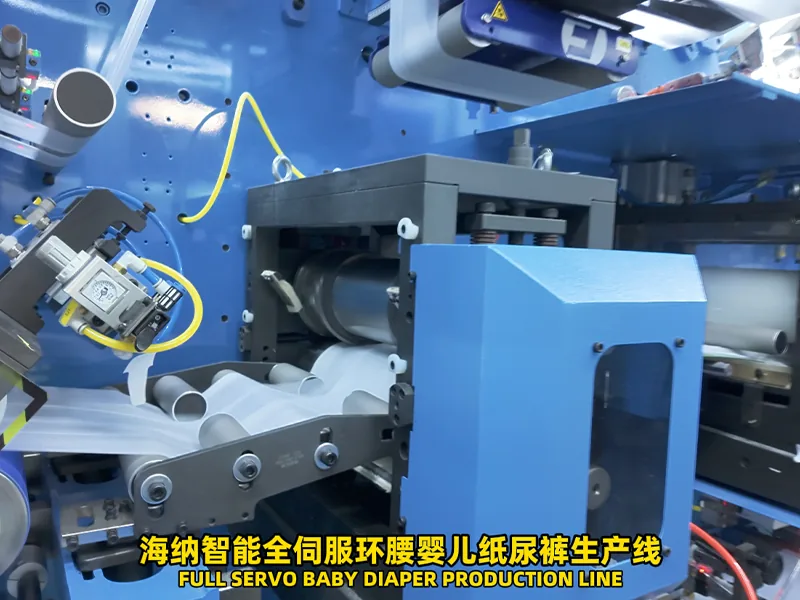
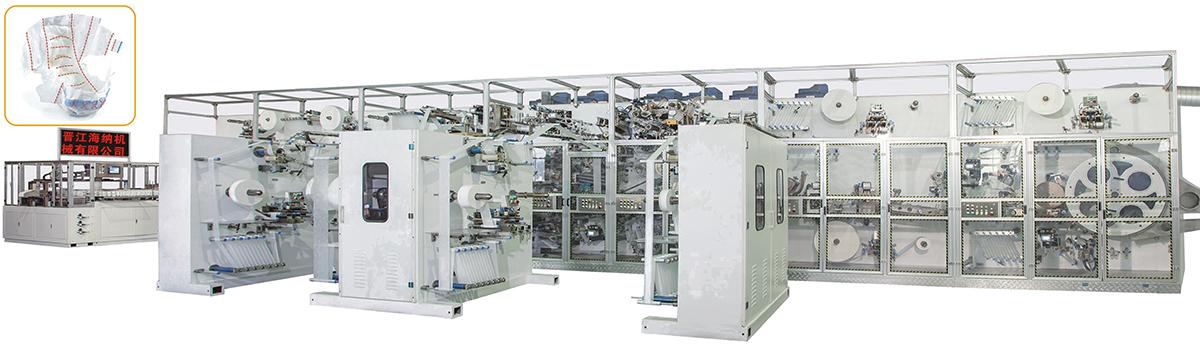
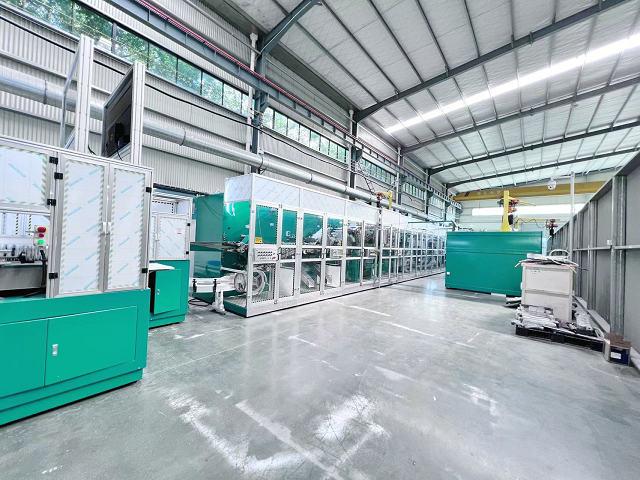
Pre-installation planning should identify module sequence, access, utilities, and working zones before delivery.
Release the Site, Layout, and Utilities
Verify the actual building against the approved layout. Check equipment envelope, columns, walls, doors, floor openings, ceiling obstructions, lifting routes, operator aisles, maintenance access, material flow, waste removal, electrical cabinets, utility connections, quality sampling, spare storage, and downstream packaging. Use qualified local engineering review for floor capacity, foundations, structural changes, fire provisions, and statutory requirements.
The floor reference and machine centerline need controlled survey points. Protect those points through construction and installation. Define how level, alignment, anchors, and module relationships will be measured and recorded. Poor initial references create repeated adjustment at web paths, transfers, guards, ducts, and downstream interfaces.
Utilities require more than nominal connections. Confirm supply location, capacity, stability, quality, isolation, protection, labeling, drainage or exhaust where relevant, and commissioning availability. Review electrical power, compressed air, vacuum or extraction interfaces, adhesive support systems, ventilation, environmental conditions, and communication connections for the installed configuration. Record test instruments and acceptance rules.
Readiness item
Evidence before delivery
Site acceptance
Delay risk
Layout and access
Approved drawing and route review
Physical walkdown and clearance check
Modules cannot enter or service zones are blocked
Floor and references
Qualified design review and datum plan
Surveyed condition and protected marks
Repeated leveling, anchoring, and alignment work
Electrical supply
Connection, protection, and isolation design
Qualified test and labeled handoff
Unsafe energization or unstable commissioning
Air and extraction
Demand and interface specification
Quality, leakage, stability, and function checks
Unreliable actuators, vacuum, or dust control
Materials and quality
Approved specifications and trial quantities
Identity, storage, methods, and staff ready
Commissioning motion without valid product proof
Review temporary utilities separately from permanent ones. A temporary supply may support assembly but not representative commissioning. Label the boundary and define when the permanent system must pass. Do not accept product results made under uncontrolled utility conditions as proof of contractual performance.
Create a responsibility matrix for supplier, buyer, site contractor, utility contractor, rigging team, safety, quality, production, maintenance, controls, and packaging partners. For each deliverable, identify who provides information, who performs work, who approves it, and who must be consulted. Pay special attention to interfaces described vaguely as "customer side" or "supplier side."
Typical interfaces include unloading, damage inspection, indoor movement, storage, lifting, floor drilling, anchor supply, utility termination, cable and duct routes, adhesive systems, extraction, network access, downstream conveyor, guards at interfaces, consumables, trial materials, waste handling, quality tests, translators, permits, and final cleanup. Assign dates and evidence rather than relying on assumptions from sales discussions.
Project owner: controls scope, schedule, decisions, open items, and acceptance authority.
Maintenance lead: receives asset, spare, lubrication, access, and recovery knowledge.
Production lead: prepares operators, standard work, materials, and commissioning support.
Use a daily coordination meeting during installation, but keep it evidence-based and brief. Review safety, completed acceptance points, current constraints, next work fronts, parts and tools, drawings, utility status, and decisions needed. Record changes and owners. Technical discussions can continue separately without holding all trades idle.
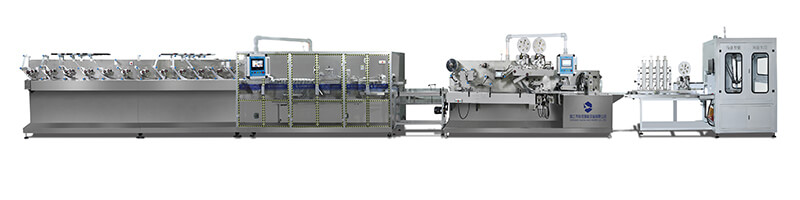
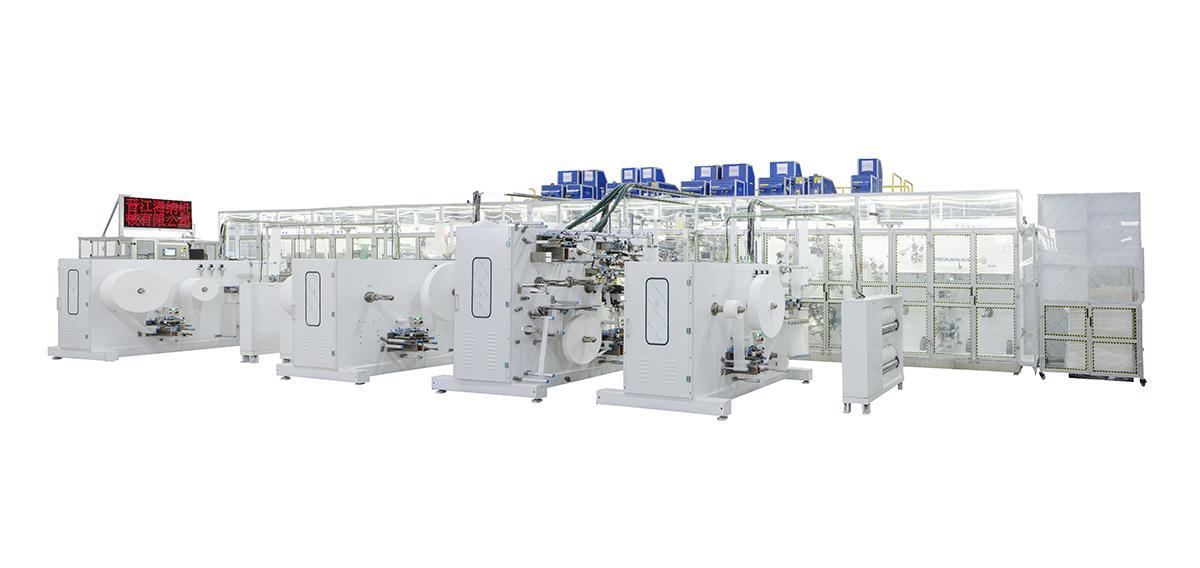
Clear responsibility at module and utility interfaces prevents duplicate work and unowned gaps.
Control Mechanical and Electrical Sequence
Plan receiving and inspection before unloading. Check package identity, visible damage, moisture indication where used, loose parts, documentation, and storage needs. Photograph and record issues under the project's process before moving equipment. Preserve packaged components that cannot yet be installed.
Mechanical sequence usually follows the controlled reference and module relationship defined by the supplier's method. Position, level, align, connect, and anchor in the specified order. Verify critical interfaces before closing access. Manage guards, ducts, cable trays, platforms, and downstream equipment so they do not block later measurement or adjustment. Use qualified lifting and rigging plans for each load.
Electrical and control work should follow controlled drawings, cable identification, grounding and bonding requirements, separation rules, terminations, device checks, and qualified testing. Protect cabinets from construction dust and moisture. Record revisions when routing or devices change. Do not energize until mechanical, electrical, safety, and site prerequisites are signed.
Installation quality points should be accepted progressively. Examples include module location, level and alignment, anchor completion, shaft or transfer relationship, utility cleanliness, cable testing, guard fit, label completion, lubrication, and tool accountability. Waiting until the end to inspect concealed or inaccessible work creates expensive rework.
Buyers planning automatic infant diaper manufacturing equipment should request an installation sequence and acceptance-point list during contracting. HAINA can align its technical installation scope and commissioning documents with the buyer's site matrix, while local licensed work and statutory approvals remain the buyer's responsibility.
Commission from Safe Function to Product
Commissioning should move through controlled layers. First verify mechanical completion, lubrication, cleanliness, utilities, documentation, guarding, and safety functions. Then test individual devices and manual functions under approved conditions. Continue to dry cycles and integrated automatic sequences. Challenge alarms, interlocks, sensors, inspection, rejection, counters, and downstream interfaces according to the agreed protocol.
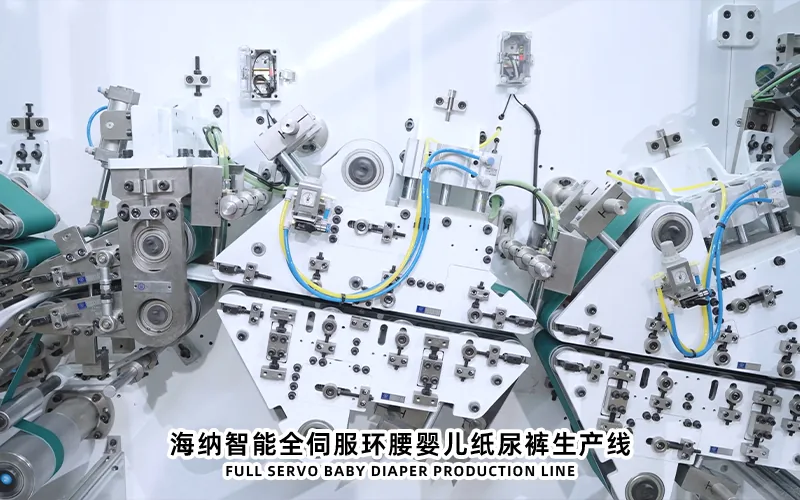
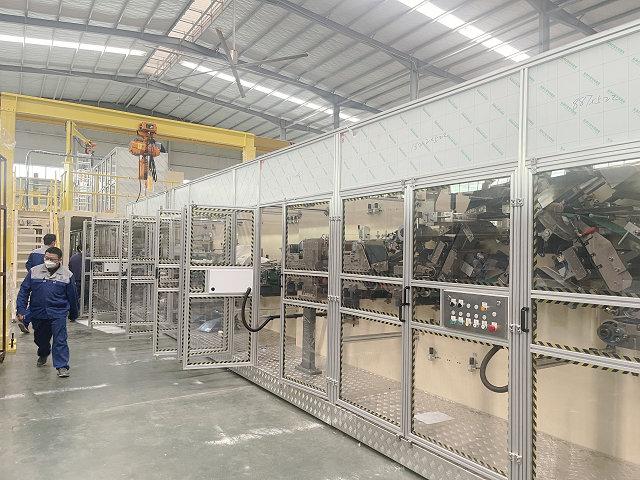
Staged commissioning proves individual functions before material and integrated production add complexity.
Introduce materials only after the machine and quality teams are ready. Verify material identity, roll condition, routing, recipes, product drawings, inspection methods, sample locations, and containment. Begin with controlled conditions and first-off checks. Record every setting change with its reason. Avoid uncontrolled tuning by several people at once.
Expand the test deliberately: stable web handling, core process, component placement, bonds, cuts, folds, automatic detection and rejection, counting, and downstream transfer. Include agreed splices, stops, restarts, changeovers, and representative product boundary conditions. Keep design speed, temporary commissioning condition, demonstrated stable working speed, and contractual acceptance values separate.
Training should occur throughout commissioning, not only at the end. Operators learn startup, monitoring, product checks, alarms, safe basic recovery, changeover, and shutdown. Maintenance learns isolation, assets, drawings, condition points, spares, controls, and post-work testing. Quality learns inspection scope, automatic-system limits, samples, and release. Verify competence through observed tasks.
Use an Acceptance Evidence Register
The register links each contractual requirement to a method, precondition, witness, result, evidence file, status, and open action. It prevents a successful product sample from being treated as proof of unrelated requirements. Separate document acceptance, mechanical completion, utility readiness, safety testing, functional commissioning, product quality, performance trial, training, spares, and handover.
Use the agreed SKU, materials, staff, utilities, operating condition, duration or events, and quality definitions.
Record stops, adjustments, rejects, held products, samples, and count reconciliation during the test.
Identify deviations as accepted, conditionally accepted, retest required, or outside scope.
Assign open items an owner, due date, consequence, temporary control, and closure evidence.
Receive controlled drawings, software and recipe backups, manuals, spare lists, and training records.
Verify the maintenance and product-release workflow before final project handoff.
Acceptance should connect the installed configuration with witnessed safety, function, product, and handover evidence.
Do not close an item because equipment has shipped or the installation team is leaving. Use remote closure only when the agreed evidence can be verified remotely; otherwise schedule a witnessed check. Preserve the installed configuration and all approved changes so later service starts from the correct baseline.
Frequently Asked Questions
What causes the most avoidable installation delay?
Common causes are unresolved site access, utilities, floor references, responsibilities, missing materials, incomplete drawings, unavailable lifting or tools, and unclear acceptance criteria. A readiness gate exposes them before mobilization.
Should commissioning begin on temporary utilities?
Only within an approved boundary. Temporary supplies may support selected work, but product and performance evidence should not be accepted unless utility quality and stability meet the agreed test conditions.
How can installation progress be measured?
Use accepted milestones such as site release, module positioning, alignment, utility tests, safety verification, integrated function, first-off approval, representative trials, training competence, and closed handover evidence.
When is installation complete?
Completion requires the agreed physical work, safety and functional tests, representative product acceptance, documentation, backups, spares, training, cleanup, and closed or formally controlled open items.
Conclusion
Installation efficiency comes from removing uncertainty before it reaches the work front. For the infant diaper machine project, issue a readiness register covering layout, floor, access, utilities, lifting, responsibilities, documents, people, materials, quality methods, and commissioning evidence. Conduct a joint site walkdown and refuse mobilization against unresolved blocking conditions. Then accept installation progressively through mechanical, electrical, safety, automatic-function, product, training, and handover milestones. The practical next step is to witness the readiness gate with the supplier and contractors, assign every gap, and authorize delivery only when the evidence supports a safe, sequenced, and testable installation.