When the supplier proposes changing who performs subcontracted work after a baby diaper machine order has been awarded, review the difference against the accepted project responsibility chain. Identify the affected deliverables, the control moving between organizations, and the evidence that must remain available to the buyer. The decision is whether the changed arrangement preserves the agreed project obligations, or requires an authorized amendment. It is not a repeat of the general factory audit that supported supplier selection.
Subcontracting alone does not establish a problem. Equally, a supplier's statement that the replacement organization is experienced does not explain the effect on this order. A useful review turns the proposed organizational change into specific questions about technical ownership, records, interfaces, delivery, and later support, without assuming that the buyer must inspect every workshop or direct the supplier's internal staffing.
A useful way to test a proposed subcontracting change is to follow one buyer requirement through the new work boundary. Suppose the order requires an identified inspection result before a module can leave the supplier's control. Moving a fabrication activity to another organization may leave that requirement intact, but it can change who creates the underlying observations and how they reach the responsible reviewer. The buyer should ask whether the offered arrangement preserves the required connection between the module, the work performed, and the inspection result. A new subcontractor's general capability presentation does not answer that narrower question. Conversely, a different organization name is not by itself proof that the required result cannot be delivered. The comparison needs to identify the affected work and the specific route by which its outcome will be demonstrated. Acceptance of that route should follow the project's existing authority and commercial process, without assuming that this review changes any contractual responsibility.
Recover the allocation accepted at award
Retrieve the order's agreed scope and the records that describe organizational responsibilities. These might include the technical agreement, project execution plan, approved component list, document register, or a specific accepted tender departure. Do not infer a binding allocation solely from a brochure photograph or a casual statement made during an earlier visit.
Establish which work allocation was actually part of the buyer's decision. If the award pack names an organization for a particular deliverable, record that reference. If it identifies only the main supplier's responsibility, state that fact instead of inventing a promise of exclusively internal production. The change review begins with a defensible baseline, including where that baseline is silent.
Find the applicable notification and approval route in the parties' project process. A buyer may need to review changes to named contract-critical work without controlling every routine purchase. Confirm the boundary through the responsible commercial and project authorities. This guide supplies a review method; it does not interpret contractual rights or declare that every subcontract change requires buyer consent.
Describe the baby diaper machine work being moved
Ask for a work description precise enough to identify the affected output. “A new partner will assist” may conceal several different arrangements. The partner could manufacture a defined part, assemble a module, prepare software, perform a test, or supply temporary labour under the original organization's supervision. Those changes create different review questions.
List the old and proposed allocation against the same deliverable references. Include the reason supplied for the change, the project stage, and any work already completed. Record whether technical specifications remain unchanged or whether a design, material, inspection, or software proposal accompanies the organizational change. The two subjects can be related without being identical.
The accepted work allocation provides the reference for assessing a proposed organizational change.
Assign decisions by affected obligation
The responsibility map below separates evidence review from acceptance of the resulting change. It is illustrative: the project's authorized roles determine the actual approvals. Several functions may review the same proposal, but each should identify the question it is competent to answer. A consolidated signature should not conceal an unassigned obligation.
Affected obligation
Question for the reviewer
Relevant reviewing role
Decision record to retain
Technical definition and integration
Does the revised work boundary preserve the approved interfaces?
Responsible engineering authority
Interface assessment tied to the changed deliverable
Inspection and acceptance evidence
Will the agreed results remain identifiable and reviewable?
Quality or acceptance owner
Evidence plan and any revised witness boundary
Delivery dependency
Which project milestones now depend on the new organization?
Project schedule owner
Assessed dependency and confirmed responsibility
Commercial and support relationship
Does the proposal change an accepted party obligation?
Authorized procurement and support owners
Approved disposition or controlled amendment reference
Combine these responses only after the gaps are visible. Engineering may accept the unchanged interface while the project owner still needs a credible evidence delivery route. Conversely, a schedule benefit cannot resolve missing technical responsibility. Summarize the effect of each open point rather than calculating a supplier score that obscures unresolved obligations.
Choose the review path for the actual work state
Establish what has happened physically before choosing the next review. A notice describing a future proposal needs a different evidence path from disclosure of transferred work or outputs from both organizations. Classify the affected deliverables, rather than assigning the entire order one vague change status.
Work has not started under the proposed arrangement. Assess the new scope and required handoff before the relevant authorization. Identify which approved instructions would reach the new organization and what the supplier must establish before treating its output as usable. Keep the proposal identifiable while that review proceeds.
Work has already moved to the new organization. Recover the actual start and output references, notice history, and inspection evidence. Refer the completed work's status to the established project process. Do not backdate approval or describe an after-the-event review as though it preceded execution.
Both organizations have produced affected outputs. Separate the portions by their available physical and documentary identities. Establish which output followed which instruction and acceptance route. If the portions cannot be distinguished, state that limitation for the reviewer instead of assigning the preferred history to the whole module.
These paths can coexist within one order. Preserve later scope corrections as revisions to the notice so an earlier decision cannot silently cover a newly disclosed output.
Check changed-work control and complete-line responsibility separately
Reviewing the changed task answers who controls its output. A separate integration check answers who remains responsible for the supplied machine containing that output. Do not close the second question merely because the new subcontractor has supplied an acceptable inspection record.
Task definition: identify the supplier authority issuing approved geometry, software scope, or another applicable work instruction. The new producer needs the same controlled input that the project review assessed.
Task acceptance: name the principal supplier's role that accepts the subcontracted result, handles discrepancies, and records its permitted onward use. Keep this decision distinct from the subcontractor's own internal release.
Machine integration: identify the owner checking the result against adjacent equipment and the complete supplied configuration. A reviewed component result cannot by itself establish that every receiving interface has been addressed.
Later obligation: confirm the route for project support and corrections after integration. If the proposed arrangement transfers an obligation originally accepted by the principal supplier, expose that transfer to the authorized decision group.
The buyer should be able to follow both paths without being redirected between organizations that each assume the other owns the unresolved question.
Protect evidence across the new handoff
Specify the evidence the project needs from the changed work, using the existing deliverable register as the starting point. Relevant records may include an identified inspection result, assembly reference, test report, or controlled software release. Do not request an indiscriminate collection of subcontractor documents when a small set of linked records can answer the buyer's actual questions.
Check whether the new arrangement changes access to that evidence. A subcontractor's internal report may be available to the principal supplier but not in a form the buyer can review. Discuss a practical record that preserves the required identity, revision, result, and acceptance basis without demanding unrelated confidential information. The concern is usable evidence, not unrestricted access to another organization's systems.
Define how corrections will reach the final project documents. An accepted subcontracted output may change a drawing annotation, inspection reference, or software index even where the intended function stays the same. Identify the owner who reconciles those records before handover. Otherwise the project can receive a technically reviewed item with documentation still describing the earlier arrangement.
Integration responsibility must remain clear when the producer of an affected deliverable changes.
Write a usable change disposition
The disposition should name the changed work, the applicable project references, and the conditions attached to the decision. If the buyer accepts the proposal, describe what that acceptance covers. If evidence remains outstanding, state what must be supplied and which actions are governed by that condition. If the buyer cannot decide, record the specific missing basis rather than a general request for reassurance.
Keep the outcome distinct from a broad approval of the new organization. Accepting one defined subcontracted task does not approve every future task that the same organization might perform. A later extension should be assessed against its own scope. The supplier's internal qualifications may inform the review but do not automatically replace the buyer's project-specific decision.
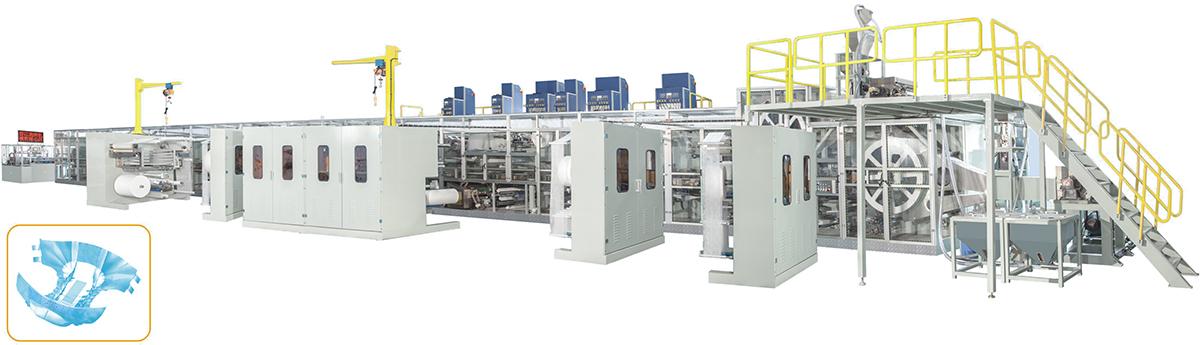
For a supplied configuration in the HAINA baby diaper manufacturing machine family, use the actual order and affected deliverable references when discussing the proposed allocation. Request clarification from the project engineering contact where needed. The public product entity supplies context; it does not verify who performs a particular contract's work.
A focused deliverable review can show whether the revised organizational handoff works as described.
Verify the first affected deliverable
Choose a focused follow-up that demonstrates the revised chain in use. Recover the approved input reference, identify the output from the changed organization, locate the supplier's acceptance, and confirm its integration record. The check should correspond to the reviewed work boundary instead of turning into another complete factory tour.
Assess whether the agreed evidence was available when needed, not merely produced eventually. A record delivered after the relevant review stage may leave a witness or release question unresolved. State what that timing prevented the buyer from checking and refer the consequence to the responsible authority. Do not assume a late attachment retrospectively proves an unwitnessed event.
Close the change with the final responsibility and document references, retaining any exceptions. If the demonstrated chain differs from the accepted proposal, reopen the affected question through the same controlled process. The useful outcome is a confirmed path for this changed work, not a generic declaration that the subcontractor is suitable for all projects.
Subcontract change questions
Does changing a subcontractor prove that quality will decline?
No. Review the affected responsibility and evidence chain. An organizational change may be acceptable, but its consequences must be established for the supplied project rather than inferred from the change alone.
Must the buyer audit the new organization in person?
The needed evidence depends on the work and the agreed project process. A focused document or witnessed-deliverable review may answer the question; where it cannot, the responsible authority should decide what additional access is necessary.
What if the technical drawing has not changed?
The review may still need to establish who controls execution, inspection, integration, and supporting records. Unchanged geometry does not by itself answer an altered organizational responsibility question.
Can acceptance of one task cover later subcontract changes?
Only the recorded scope supplies that permission. A decision about a named deliverable should not be enlarged into approval of different work without the review required by the project's authorized process.
Conclusion
A contract-stage baby diaper machine subcontract review should preserve the obligation path accepted at award while exposing what the new allocation changes. Name the affected output, assign integration and evidence ownership, and record a bounded disposition. Then trace the first relevant deliverable through the revised handoff. That practical check supports a decision about the changed work while keeping general supplier reputation and unrelated sourcing questions outside the review's conclusion.