Engineering has accepted a replacement-part proposal, purchasing has placed the order, and a carton has reached the stores counter. Those events do not yet establish that the physical item may be issued for every adult diaper machine. The delivered revision may differ from the reviewed candidate, the approval may cover only a named application, or the order may have been authorised for evaluation. Stock release must preserve those distinctions until a permitted issue can be demonstrated.
This guide starts with technical assessment as an input. Its subject is the route from an approved proposal to an identifiable, correctly classified item on the shelf and a controlled issue to a work order. It does not explain how to establish technical equivalence or fit a replacement.
Translate the Technical Approval into Usable Stores Instructions
A technical report may contain the correct decision while leaving stores staff unsure what to do with a delivery. Extract the approved item reference, revision, application boundary and release conditions into the controlled stock record. Retain a link to the signed decision so that a short stock description does not become the only surviving explanation of the permission.
Ask the approval owner to clarify any condition that affects receipt or issue. An approval might concern the proposed item for a named assembly, while further project evidence remains necessary before routine use. Stores should not interpret ambiguous engineering language on its own. The release instruction needs to state which action is permitted, who can authorise the next state and what evidence that person requires.
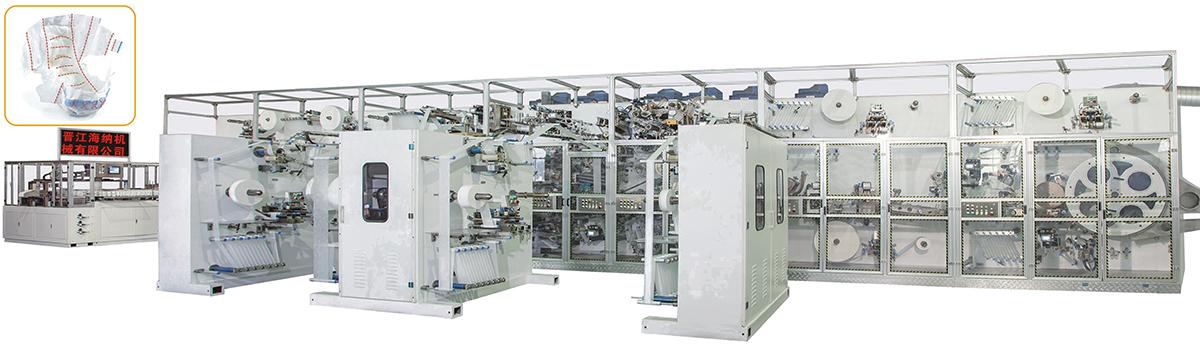
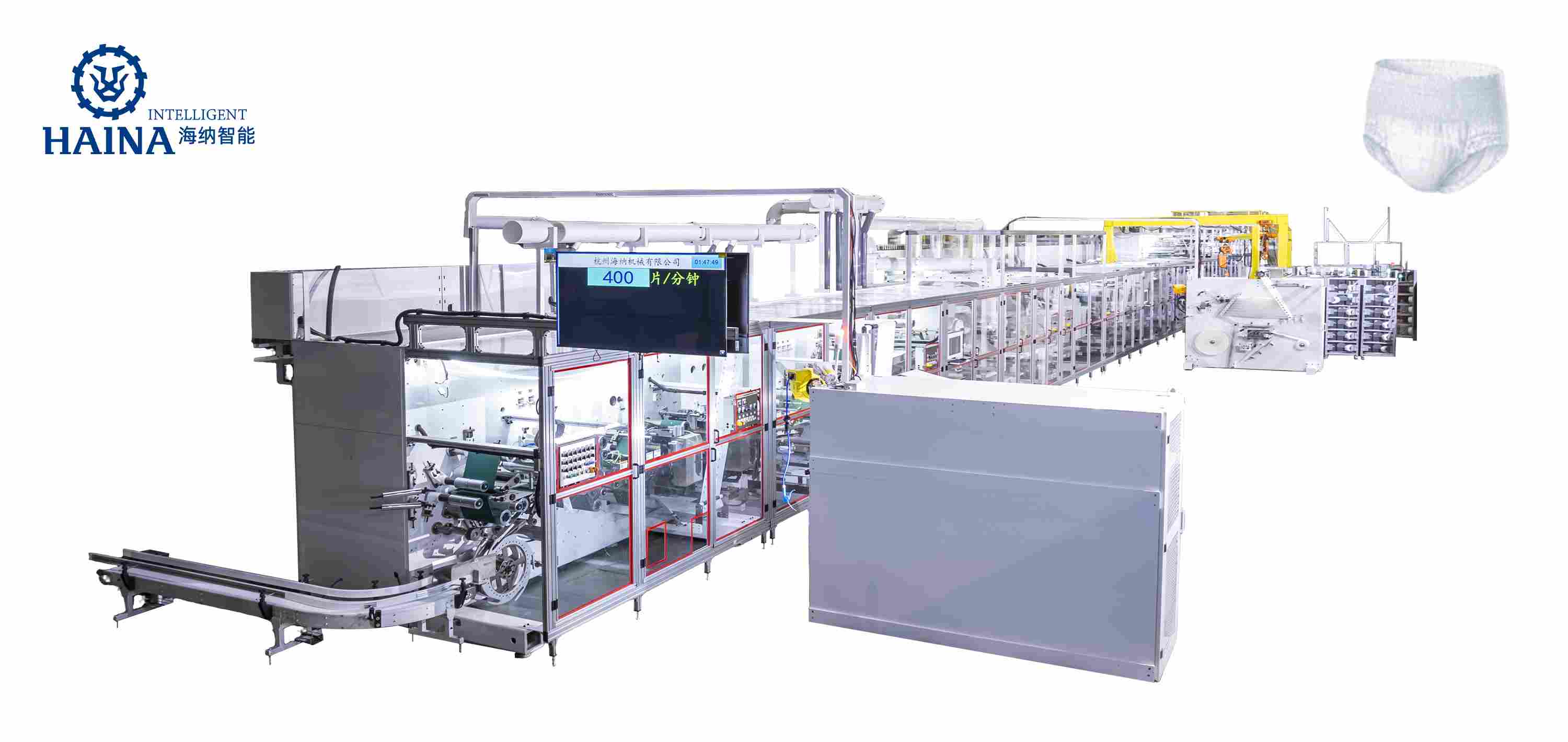
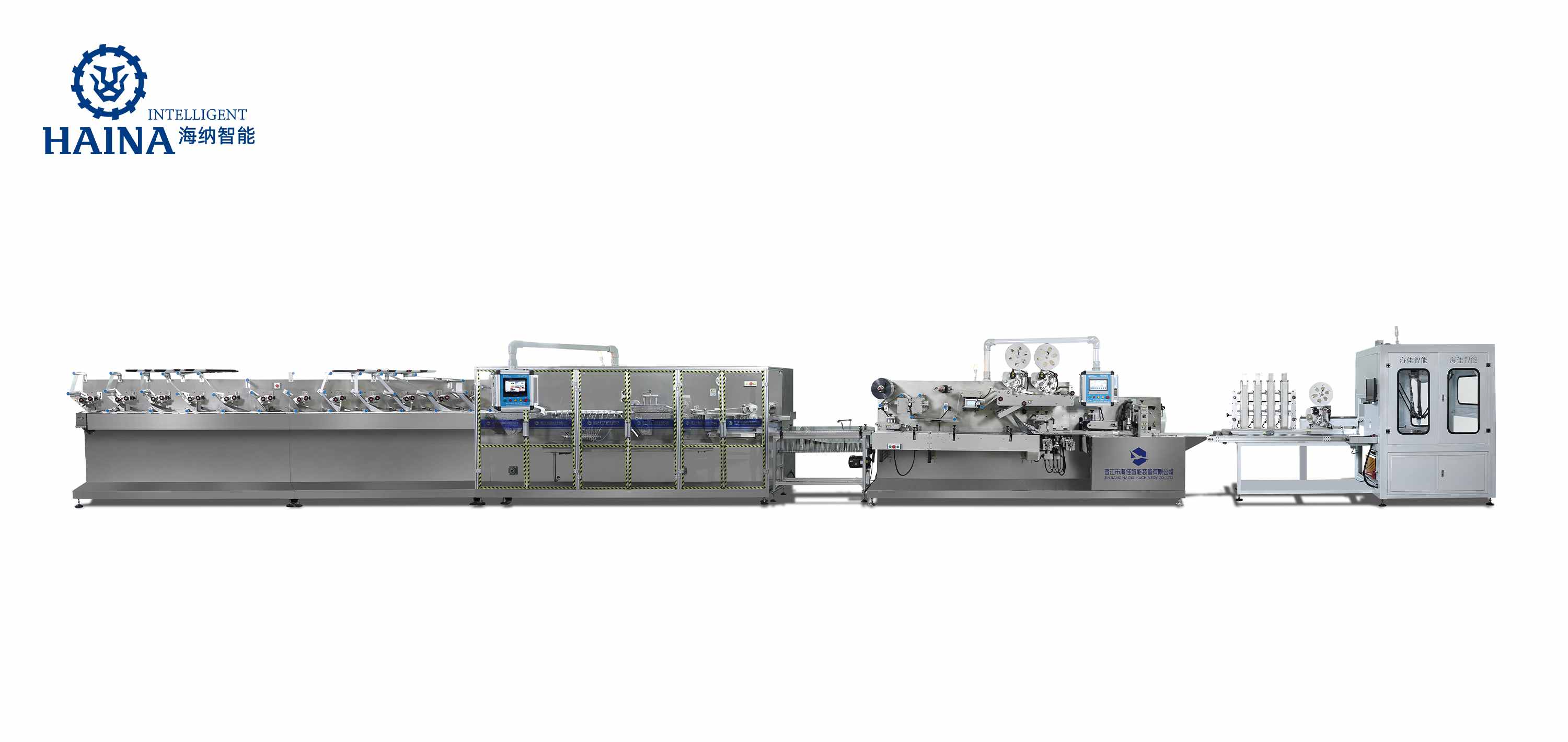
For equipment within HAINA's adult diaper machine range, use the actual project and installed-machine references when requesting clarification. A product-family label is too broad for a restricted spare-part release. The technical basis comes from the specific approved project record; the warehouse's task is to preserve its practical limits through the physical material flow.
Make the Purchase Order's Permission Different from Stock Release
An order can authorise expenditure without authorising installation. If procurement buys an evaluation item, its purpose should remain visible in the purchase and receiving instructions. Otherwise a normal delivery note can cause an unverified candidate to enter the same bin as routine spares. Use the site's existing controls to identify that difference before the carton arrives.
Carry the reviewed reference and any revision restriction into the order description. State the route for handling supplier-proposed substitutions instead of allowing a broad commercial description to absorb them silently. A supplier's acknowledgement that an alternative will be sent should reach the approval owner; it is not itself the buyer's technical or stock release.
Also identify what documentation must accompany the delivery under the agreed procurement requirements. The receiving team should know whether a missing identifier, incomplete reference or unexplained discrepancy prevents movement to the next stock state. Commercial acceptance, invoice handling and technical release may follow different internal processes. Make their relationship explicit so that completing one process is not mistaken for completing all of them.
Limit a replacement-part issue to the machine application covered by its approval.
Resolve the Delivered Revision Before Releasing the Item
Consider an illustrative receipt: the approval file names one candidate revision, but the item in the carton carries another. The packing list uses the expected general description, and the supplier describes the difference as routine. The receiver should record the actual marking and discrepancy, retain the associated documents and keep the item in the applicable pending state. Its appearance or commercial description cannot close the mismatch.
Refer the question to the person authorised to determine whether the existing release covers the delivered identity. The response should identify the particular item or receipt concerned and the decision's scope. A corrected paperwork reference may resolve an administrative error; a genuine revision change may require further technical review. Stores should preserve that distinction without attempting to perform the engineering assessment.
Capture batch or serial identity where it is supplied and relevant to the approval. If individual items in a delivery carry different revisions, do not assign the carton one undifferentiated status. Identify the affected portions before they separate. Likewise, when a required identifier is absent or unreadable, record what could not be established rather than copying an expected value from the purchase order onto the item record.
Define What Each Stock State Actually Permits
Agree a small set of understandable states using the site's controlled process. The names below are illustrative, not a mandatory inventory system. Each state needs both a physical handling instruction and a documentary basis. A coloured label alone is insufficient if staff cannot determine which item and permission it represents.
Illustrative state
Permitted action
Authority or evidence
Event requiring review
Evaluation purchase authorised
Order the identified candidate for its stated evaluation purpose
Purchase approval naming that limited purpose
Supplier offers a different reference or revision
Received pending release
Receive, identify and retain in the designated pending location
Receiving record and discrepancy status
Identity confirmed and release owner provides a disposition
Conditional trial issue
Issue only against the named authorised trial work order
Trial permission, item identity and return/disposition instruction
Trial scope changes or the stated condition is no longer met
Released for named application
Issue to an eligible machine and work order
Current release linking item identity to the allowed application
Revision, application or release basis changes
Restricted or withdrawn
Retain or route according to the authorised disposition
Restriction identifying the affected items and scope
New authorised decision changes the restriction
Define transitions as decisions supported by records. Moving an item physically, paying an invoice or closing a purchase order should not silently change its technical stock status. If the inventory system cannot represent a necessary restriction directly, the responsible team must agree a controlled way to keep the restriction visible at the point of issue.
Match the Physical Item to the Requested Application
At issue, identify the requested machine or assembly and the work order's purpose. Compare that request with the current release boundary for the item actually selected. The common commercial part description is only one reference in this decision. A substitute released for one application may remain unsuitable for issue elsewhere until the authorised process extends its scope.
Record the physical identity leaving stores at the level needed by the approval and inventory procedure. Where batch or serial references matter, retain them with the issue transaction. This creates a path back from a later restriction to the items that were issued, rather than only to a stock code that may contain several revisions or receipts.
For a conditional trial, make the recipient aware of the limited permission and the expected return or disposition record. Stores staff should not convert an urgent request into an unrestricted release. If the request exceeds the recorded boundary, send the specific mismatch to the release authority. The question is which permission covers this issue, not whether someone believes the alternative will probably work.
The work order should identify the application receiving the approved item.
Preserve Identity When Stock Is Split, Returned or Relocated
A released carton may later be divided among storage locations. Keep each portion connected to its receipt identity and applicable status. Do not rely on the original outer label after the contents have been separated. The approved local labelling method should let a picker retrieve the same release information from every portion that can be issued independently.
A returned item creates another decision. Establish whether it remained unused, was issued for evaluation, was installed or has an uncertain history, using the available work records. A return to the warehouse does not automatically restore the item's former condition or permission. Route it through the site's receiving and disposition controls before combining it with released stock.
Keep unresolved returns distinguishable while their history is reviewed. If an identifier has been lost, the responsible owner should decide what evidence can recover it and what use remains permissible. Relabelling an item from a nearby box is not traceability. Record any authorised correction with its source so that a later investigation can distinguish recovered information from the original receipt evidence.
Apply a Changed Restriction to Both Shelved and Issued Items
When the release authority narrows or withdraws permission, identify the scope precisely. It might concern a revision, a receipt, a batch or a particular application. The warehouse needs that scope to locate affected stock without treating every similarly named item as identical. Record the instruction through the established controlled communication route.
Reconcile the affected identity against current stock locations, outstanding picks, transfers and completed issue records. A shelf label update alone may miss an item already allocated to a job. Notify the responsible recipients through the authorised process and obtain the required disposition record. Decisions about installed equipment belong to the competent project or maintenance authority; this article does not instruct users to remove or replace components.
Retain the prior status and the reason it changed in the record history. Overwriting an old approval without a visible revision can make an earlier permitted issue appear unexplained. Conversely, an old printed release should not override a current restriction. Staff need a clear way to identify the current decision while preserving the evidence behind previous transactions.
Reconcile the Shelf, Item Record and Work-Order Evidence
A focused stock review should follow a selected item through its receipt, present location, status and permitted application. Confirm that the label on the physical item leads to the same decision as the inventory record. Where a condition is stored only in an attachment, check whether the person authorising issue can actually find it during the normal workflow.
Review an issued item in the opposite direction as well: start from the work order and recover which physical reference was supplied, what permission applied and whether any trial return or follow-up disposition remains open. This reveals gaps that a quantity count alone cannot detect. Correct mismatches through controlled records rather than silently editing history until the totals agree.
The useful outcome is an inventory system in which an authorised person can answer what may be issued, to which application and on what basis. It need not duplicate the engineering report. It must preserve the part of that decision that governs purchasing, receipt, storage and release, including the point at which a change sends the item back for review.
Connect the issued replacement to the relevant equipment and work record.
Frequently Asked Questions
Does a paid purchase order authorise installation?
No. Payment and purchasing completion do not establish the technical permission attached to the physical item. Check its release state, application boundary and any remaining conditions through the authorised process.
What should receiving staff do when the revision differs?
Record the delivered identity and discrepancy, preserve the supporting documents and refer the scope question to the release owner. Keep the item in its designated pending state until an authorised disposition addresses that receipt.
Can a trial item return directly to routine spare stock?
Its history and permitted use need review under the site's return controls. Trial permission is limited, and a returned item may have a different condition from an unused spare even when the reference is unchanged.
Who may issue a released substitute to another machine?
The authorised issuer must first confirm that the current release covers the requested application. If it does not, the designated approval owner must resolve the scope before the item is issued for that purpose.
Conclusion
A replacement approval becomes operational only when its limits survive the journey through purchasing, receiving, storage and issue. Keep commercial permission distinct from stock release, reconcile the delivered identity, and associate each permitted action with a current authorisation. Preserve those links through returns and later restrictions. The result is a physical spare that can be issued for a defined purpose with a recoverable decision behind it.