A completed factory acceptance test travels with the machine, but the materials used in that test may not travel with it. The buyer's site can receive a new absorbent material lot, a revised film or a component from another supplier. At site acceptance, the project team then faces a precise question: which earlier evidence still supports the agreed requirement, and which result depends on the materials that have changed?
The answer is an evidence carryover matrix. It connects each acceptance claim to its original conditions and the actual site conditions. It should help the team retain valid evidence while requesting a focused demonstration where the basis has changed.
Recover What the Factory Test Actually Established
Begin with the accepted factory test record rather than its cover-page signature. Identify the product configuration, material identities, equipment configuration and approved methods associated with each result. A broad statement that the line passed does not explain whether a particular observation concerned machine functionality, product appearance or a material-sensitive performance characteristic. Those distinctions determine how useful the evidence remains after relocation.
Keep the original evidence intact. The site team should add an interpretation of applicability, not edit the factory report to make it appear that different materials were present. Link unresolved factory items separately so that a material change does not obscure an issue that was already open. A missing document and an unproven result require different follow-up actions.
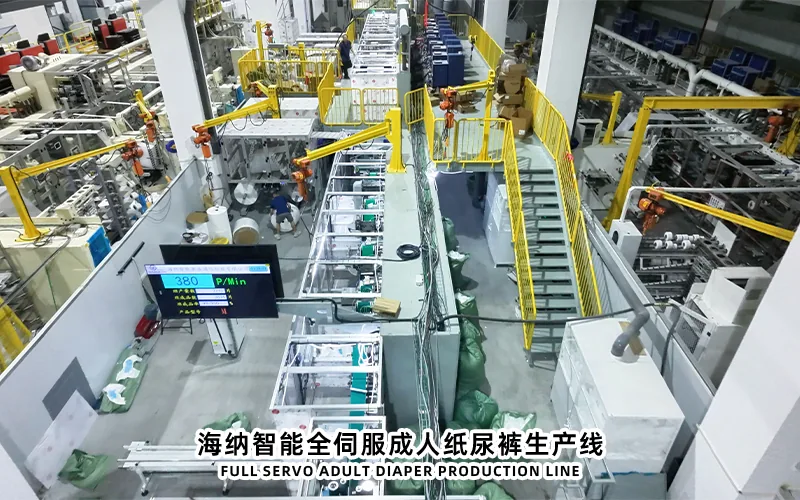
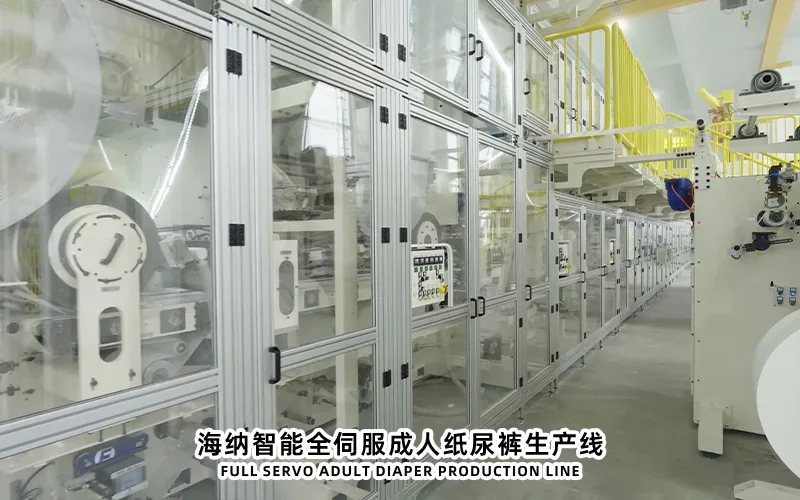
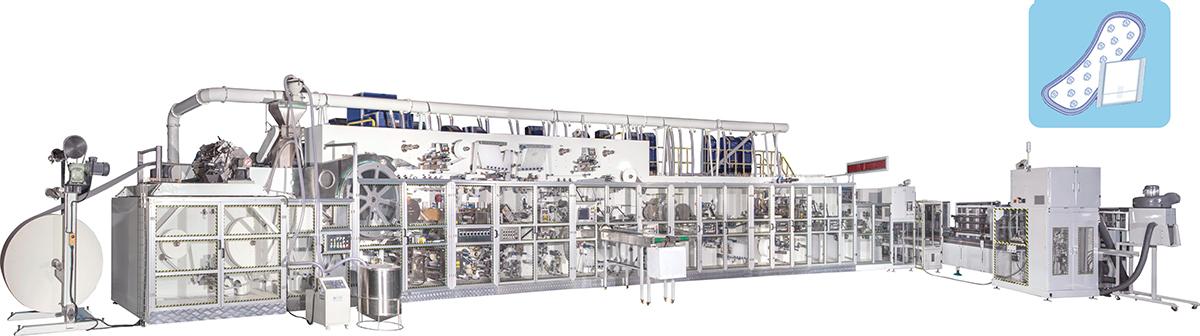
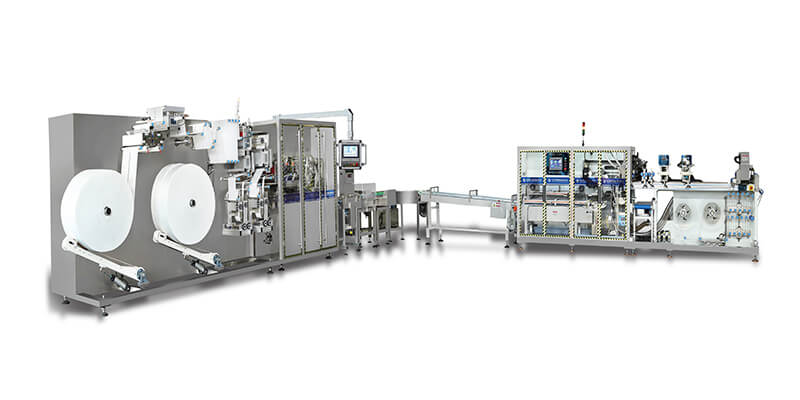
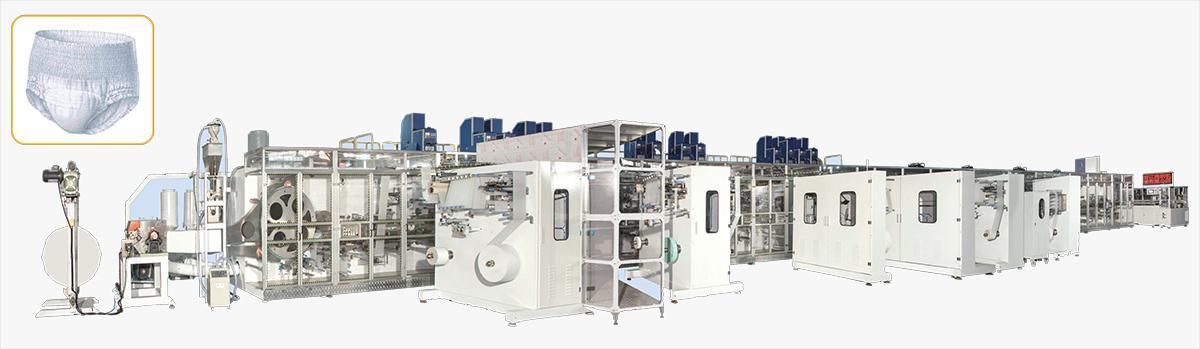
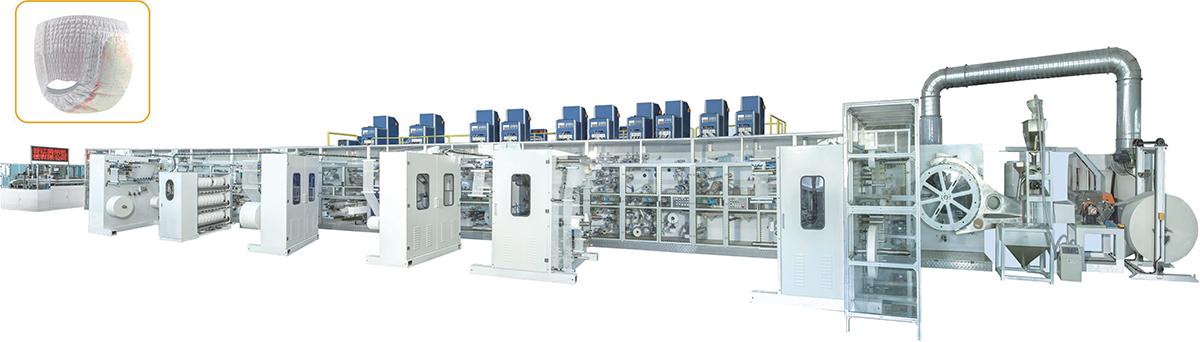
For a project involving HAINA's adult diaper production equipment, request the agreed project records and the relevant machine configuration. Public product information cannot establish which lots a specific test used. The evidence transfer needs records associated with the actual order, not assumptions drawn from a similar model or another buyer's trial.
Describe the Change Beyond a Different Lot Number
A new lot identifier is a useful starting point, but it does not by itself define the engineering significance of the change. Record whether the declared material specification, supplier, construction or approved revision also differs. Obtain the relevant supporting documents through the buyer's normal material approval process. Where a declaration is incomplete, label the uncertainty instead of calling the lot equivalent.
Equally, do not assume every new lot invalidates every earlier result. The reviewer needs a reasoned connection between the changed attribute and the claim being carried over. Some records may describe an installed mechanical arrangement that has not changed; others may describe how a particular material behaved during the factory run. The change review should preserve this distinction.
List all material differences together, including substitutions made for practical availability. If several layers have changed, a later product difference cannot automatically be assigned to one of them. Record the sequence of substitutions and their approval status. This helps the team design a focused comparison instead of attempting to explain the result from an incomplete bill of materials.
For an illustrative case, suppose the factory evidence identifies one approved film revision while the site receives a different revision under the same purchasing description. The carryover review should first resolve what the revision change means. It should not assume equivalence from the description, nor reject every factory observation simply because the reference changed. The material owner supplies the documented difference; the acceptance reviewers decide which claims depend on it. If that information remains unavailable, the relevant matrix rows stay pending with a specific request. This sequence prevents an uncertain material identity from becoming an unsupported conclusion about the machine.
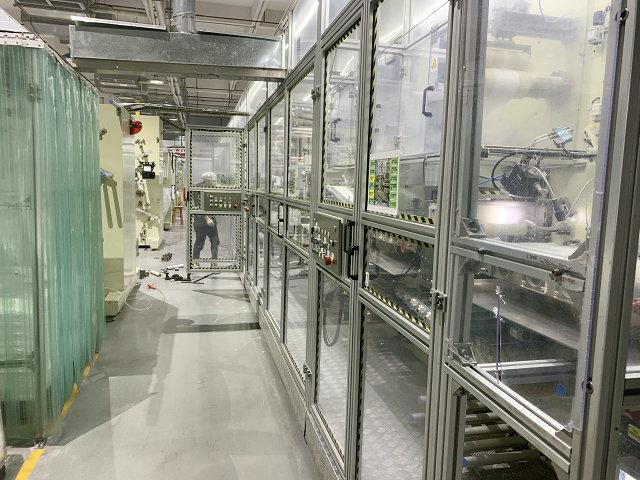
The installed line and the materials used for acceptance each need an identifiable baseline.
Separate Equipment Evidence from Material-Dependent Results
Review one acceptance claim at a time. A record of supplied documentation, for example, answers a different question from a record of finished product behaviour. Even apparently equipment-focused evidence may depend on the tested configuration or site installation, so carryover is a review decision rather than an automatic category rule. Identify the conditions that made the original observation meaningful.
For each claim, ask what changed, why the change could matter and what evidence would resolve the uncertainty. The answer may be confirmation that the original evidence remains applicable, a limited site verification, or a new demonstration under the agreed conditions. Give the decision an accountable reviewer. Avoid a blanket label such as “all mechanical items accepted” when some interfaces or installed arrangements have changed.
Safety-related verification remains within the project’s approved commissioning and competent-person review processes. A procurement article cannot waive those requirements or decide which checks can be omitted. The matrix should reference the responsible process and record its result without suggesting that an unchanged material lot would make site verification unnecessary.
Use a Matrix That Connects Changes to Evidence Decisions
The following example illustrates the structure of a discussion, not acceptance decisions for a real installation. Replace the entries with actual requirements and project evidence. Include links or document references that allow another reviewer to understand the decision without repeating the entire investigation.
Illustrative claim
Difference at the site
Carryover question
Evidence action to agree
Supplied machine configuration matches the order
Material lot changed; configuration record requires site confirmation
Does the existing configuration evidence still identify the installed equipment?
Reconcile the installed configuration and record applicability
Product result met the approved trial requirement
Relevant product layer now comes from another approved source
Was the result dependent on the original material combination?
Define the affected product evidence and an appropriate site comparison
Factory exception has been closed
Supporting document remains absent
Is the missing proof independent of the material change?
Retain the original open item and obtain its specified closure evidence
Add columns for the original evidence identifier, change reference, decision owner and closure status in the working document. Make “pending applicability review” an available status. Forcing every row immediately into pass or fail can hide the distinction between an adverse result and insufficient information.
Collect Site Evidence Against the Resolved Questions
Prepare the site evidence plan from the open matrix rows. Each requested observation should answer an identified question about applicability or a remaining requirement. A long trial without an agreed purpose can consume material while leaving the transfer decision unresolved. Confirm the actual material identities before collecting evidence intended to close a material-related question.
Preserve the connection between samples, operating records and the relevant configuration. If the team changes another material during the trial, record the boundary and reconsider which samples belong to the planned comparison. The same discipline applies if the approved product revision changes. A result cannot be interpreted solely from its date when the conditions changed within the session.
Site utility, installation and operator conditions may also differ from the factory. Record those differences where they bear on the observed result, without automatically blaming them for a discrepancy. The reviewer should separate documented conditions from proposed explanations. A useful report says what was observed, under which identified conditions, and what further evidence is needed to distinguish the remaining possibilities.
Site evidence should answer the particular questions created by the changed acceptance baseline.
Keep Provisional Findings Separate from Final Acceptance
Sometimes the intended site material is unavailable and the team agrees to observe the line with a temporary substitute. Document the purpose and limits of that activity before interpreting its results. It may support progress on selected questions while leaving the intended product combination unproven. The substitute's convenience does not enlarge the scope of the evidence it produces.
Use explicit wording for the outstanding decision. For example, an agreed record can identify that a particular product result remains pending evidence with the approved material combination. It should also identify who will supply the material, who will witness the relevant activity and which document will close the item. Avoid vague notes such as “to be checked later” that lose their meaning after the commissioning team leaves.
Commercial milestones and technical acceptance should be recorded according to the contract and authorised project decisions. Do not infer that shipment, installation progress or an interim payment proves every product requirement. Keeping these records distinct helps participants understand why a project may advance while a clearly bounded evidence item remains open.
Make the Supplier Discussion About Evidence, Not Labels
Statements such as “the same material” or “a completely different trial” can conceal the specific point of disagreement. Ask each party to identify the claim under review, the relevant change and the evidence supporting its interpretation. If the supplier considers a result transferable, request its stated basis. If the buyer requests additional work, link that request to a requirement or unresolved condition.
Material suppliers may need to clarify a declared revision or document a difference. Their information should enter the same evidence record, with its source and limitations visible. A declaration about material identity is useful, but it is not automatically a demonstration of how the entire product combination performs on the installed line.
Record agreement and disagreement row by row. This creates a manageable list of decisions rather than a single argument about whether the whole factory test “counts.” It also prevents the team from repeating already resolved questions at each meeting. Changes to the agreed evidence plan should receive the same visibility as changes to the materials themselves.
Close the Transfer with an Auditable Evidence Index
The completed matrix should point to the original factory records, the material change record and the site evidence used for each decision. Preserve the reviewers' identities and the scope of their approval. The final reader should be able to follow why evidence was retained, supplemented or replaced without needing access to an informal conversation.
Retain superseded evidence as historical context rather than deleting it. Its role may have changed, but it can still explain the project's decisions. Clearly distinguish historical supporting material from the evidence used for final acceptance. This prevents an older favourable result from being cited later without its material conditions.
Finally, hand unresolved items to named owners through the established project process. A closed site visit is not necessarily a closed evidence register. The transfer is complete when the applicable decisions are recorded and any remaining work has an explicit scope, source requirement and responsible recipient.
An evidence index preserves the reasoning behind the final site acceptance decision.
Frequently Asked Questions
Does a new material lot always require a complete repeat of FAT?
No universal conclusion follows from the lot number alone. Review the actual differences, affected requirements and approved acceptance process. The resulting evidence plan should address the dependencies that matter for the project.
Can a supplier declaration replace a site product trial?
A declaration can establish relevant material information. Whether it resolves a particular acceptance question depends on that requirement and the agreed evidence. It should not be treated as proof of unrelated product outcomes.
What if several materials changed between the factory and site?
Record each change and identify the combined conditions behind every observation. Do not attribute a difference to one material merely because its substitution was discussed most recently.
Should the original factory report be rewritten?
Keep the historical report as issued. Add the applicability review and site evidence through controlled project records so that the original conditions and later decisions remain traceable.
Conclusion
A material change between factory and site acceptance calls for a claim-by-claim review of evidence. Recover the original conditions, describe the actual change, and assign each uncertainty a specific evidence action. The carryover matrix helps a project keep valid work while making the limits of that work visible. Its value lies in a clear chain from requirement to conditions, observation and authorised decision.