A revised diaper bag can look correct while representing the wrong product release. The design may carry the latest branding, yet refer to an earlier pack count or an obsolete product name. The packaging team may have the approved artwork while production has a different SKU instruction. Releasing the correct pack therefore requires agreement across several linked identities, not just approval of a graphic file.
For an OEM baby diaper project, the practical deliverable is an artwork revision release packet. It connects the approved product identity, packaging material revision, variable information, pack configuration, and first-pack evidence. The process described here is a proposed buyer control. It does not assume that a particular machine or bagger automatically checks those relationships.
Define what is being released
Start by naming the intended SKU and the reason for the artwork change. A branding update, pack-count revision, and new customer product can involve different approval questions. Record the change scope in ordinary language before collecting signatures. Otherwise, a reviewer may approve the appearance of a design while another assumes the approval covers every product statement and packing parameter.
Separate artwork approval from production release. Artwork approval confirms the controlled design within the signer's responsibility. Production release confirms that the approved design is correctly associated with the intended product, packaging material, and operating instruction. The same organization may own both decisions, but the record should make their meanings distinct.
List the items intentionally outside the change. For example, an agreed revision might retain the product specification while changing the packaging presentation. That boundary helps reviewers spot accidental changes without implying that unchanged information needs no verification. The final packet should still identify the product and pack references used for the release.
The product made on the line and the identity presented on its packaging need a common release reference.
Name the authoritative artwork reference
Choose a controlled artwork identifier and revision, together with the person or function authorized to approve it. A filename such as final-new-approved is not a reliable version system when several participants exchange files. The packet should identify which exact file or controlled proof is authoritative and how later corrections will be distinguished.
Retain the approved content reference as well as the visual proof. Customer-approved text, symbols, language versions, and code content need appropriate review by their owners. This guide does not define labeling law or claim that a particular wording is compliant. Applicable requirements and specialist review remain part of the buyer's product-release responsibilities.
Check whether a supplier's production proof differs from the buyer's design file in any relevant respect. Record accepted differences explicitly rather than treating the later file as automatically approved because it was prepared for printing. If the revision changes again, identify which earlier approvals remain applicable and which reviewers need to assess the new content.
Check the product and pack relationships
Connect the SKU to its approved product specification, pack count, packaging material identity, and relevant packing instruction. These are separate references even when they share a familiar product name. A customer may use a commercial name that differs from the internal manufacturing code; preserve that mapping in the packet.
Review variable information separately from fixed artwork. A bag may have the correct printed design but receive a code associated with another production order. Define which fields are supplied at the time of production, where their approved values come from, and who confirms that those values correspond to the released SKU.
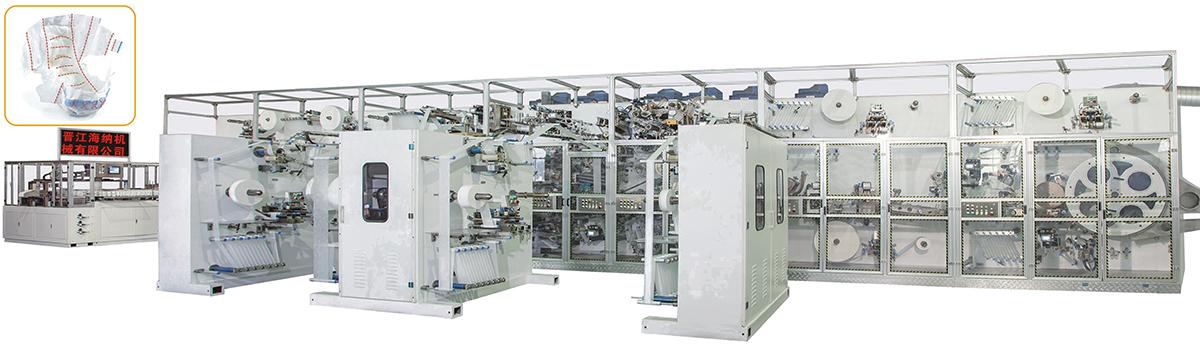
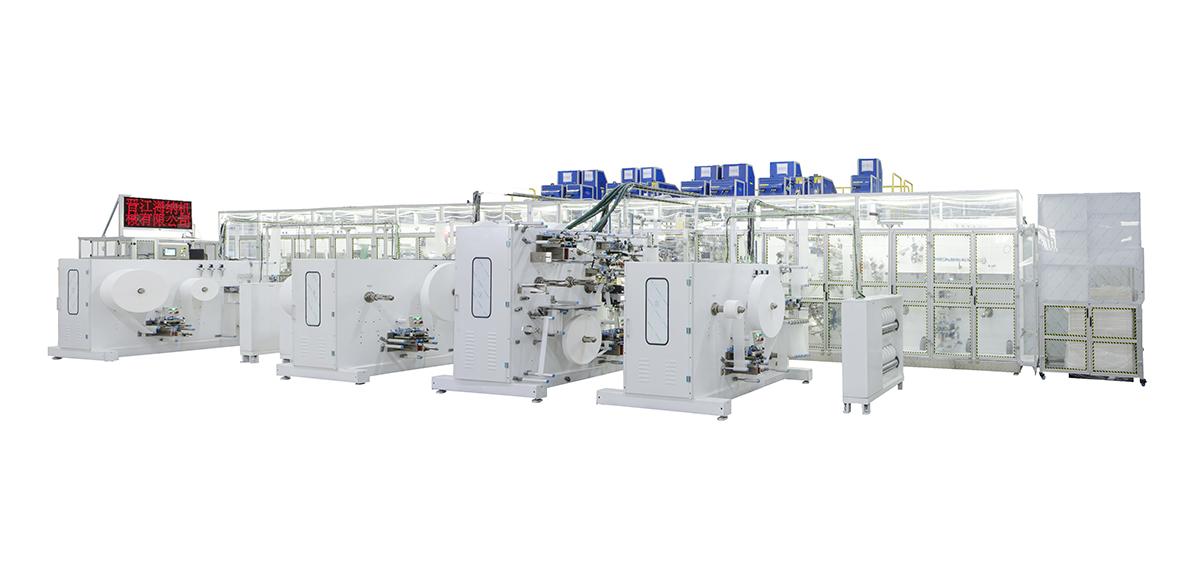
Do not infer automatic protection from the presence of a barcode, printer, or operator screen. Ask what the selected equipment and buyer procedures actually verify. If HAINA equipment is part of the project, the parties should confirm the relevant scope and the evidence available for the approved configuration. Any additional checking arrangement must be agreed rather than assumed.
Allocate approval responsibility
A release matrix should identify what each reviewer approves and what evidence closes that approval. It is more useful than a row of signatures with no defined responsibilities. Keep the matrix specific to the change and the parties involved, including an external packaging supplier where appropriate.
Illustrative responsibility matrix for an OEM artwork revision
Release object
Responsible approval function
Required reference
Old-version decision
First-pack evidence
Fixed artwork and wording
Buyer-designated brand and content owners
Approved artwork revision
Identify superseded printed materials
Visible correspondence to approved proof
SKU and product association
Product and production authorities
Controlled SKU mapping
Prevent unintended reassignment
Recorded product identity in the reviewed pack
Pack count and packing instruction
Packaging and quality functions
Approved configuration reference
Retain or supersede the earlier instruction
Agreed count verification record
Variable code content
Owner of the approved production data
Field values and source reference
Withdraw obsolete order data
Recorded output matched to authorized values
One person may hold several roles, but unresolved responsibility should remain visible. If the customer approves artwork while the factory owns pack setup, state how their approvals are connected. Neither approval should be treated as covering an unassigned gap between the two scopes.
Decide the fate of old packaging
Before releasing the new revision, account for the previous packaging material wherever it may remain under the project's control. Identify stock in storage, issued material, partial supplies, and retained reference samples as applicable. The objective is to prevent an obsolete or conditionally usable version from being mistaken for the new release.
The buyer should approve whether old material is retained for a specific purpose, returned, reworked under a separate authorized process, or otherwise disposed of. This article does not prescribe a universal disposition. What matters is that the decision names the material identity, its permitted use or restriction, and the person responsible for carrying it out.
Keep the old-version decision linked to the new release. If earlier packaging remains valid for another SKU or customer order, explain that boundary clearly. A blanket instruction to remove everything old can be as confusing as leaving mixed versions available without identification. The record needs to distinguish approved concurrent use from accidental mixing.
Include materials already ordered but not yet received in that review. A revised artwork approval does not necessarily amend an earlier packaging purchase instruction. The purchasing owner should confirm which version the packaging supplier will deliver and how incoming material will be identified. That check closes a common document gap between design approval and stock arriving for production.
Version control includes material already issued to production as well as the latest approved design file.
Review first-pack evidence in context
The first-pack review should connect an actual identified pack with the approved release packet. Record the SKU, artwork revision, packaging material identity, relevant production instruction, and authorized variable data. A photograph of the front design is useful for appearance review, but it cannot by itself establish the identity or count of the enclosed product.
Choose evidence appropriate to each approval question. Fixed artwork comparison, product identity confirmation, pack-count verification, and variable-data comparison may need different observations. The parties should agree the methods and acceptance basis. Do not turn one attractive sample photograph into a blanket approval for everything that the photograph does not show.
Preserve the reviewed pack or its agreed evidence according to the buyer's procedure, with a clear reference to the approving reviewers. If photographs are used, identify the pack and the relevant faces or details. If the review is remote, confirm that the evidence is sufficient for the specific decision rather than assuming distance makes every limitation acceptable.
An illustrative error shows the distinction: the visible bag design matches the new proof, but the record refers to the earlier count instruction. The correct response is to resolve the reference conflict and verify the affected pack requirement. Signing the appearance review again does not answer the count question.
Handle exceptions without merging versions
Late corrections often arrive after part of the release has already been approved. Record the new request, the affected reference, and the approvals that require reconsideration. Preserve the earlier revision instead of editing it invisibly. Reviewers need to know whether they are looking at the same material they approved previously.
If a temporary exception is proposed, define its scope through the buyer's authorized process. Identify the affected SKU or order, the permitted material revision, and the evidence or approval that supports the exception. Do not describe a temporary deviation as the new normal merely because production has used it once.
Keep sample-only artwork distinct from production-approved artwork. A design prepared for a customer discussion may contain provisional information. Its presence near a trial does not establish that it is authorized for saleable production. The release packet should state the intended use of each reference and prevent a demonstration sample from becoming an undocumented production baseline.
Hand over one release identity
Issue the completed packet under a single release reference that points to the approved component documents. This does not require copying every file into one document. It requires a stable index so the production team, packaging supplier, and buyer can identify the same approved set.
Record who confirms that the listed references are available at the point of use. This is a document-access check, not a claim about machine software. If a subcontractor receives only an artwork attachment without the associated SKU instruction, the release owner should resolve that missing relationship before treating the handover as complete.
Confirm that the receiving team can locate the current instruction and recognize superseded versions. A release email may announce approval while older attachments remain in daily use. The handover should state the effective scope, the location of the authoritative records, and the method for raising a discrepancy before production decisions rely on an uncertain version.
During discussions of the baby diaper equipment category, provide the expected SKU and packaging-change workflow to HAINA. Ask which responsibilities fall within the selected equipment scope and which remain with the buyer or packaging supplier. The resulting agreement should support the release packet without implying unverified automatic artwork recognition or order-system integration.
A shared release index helps participants locate the same approved product and packaging references.
Artwork questions
Is customer approval of the graphic file enough to release production?
It approves the defined design scope. Production release also needs the correct relationship between that design, the intended product, pack configuration, packaging material, and authorized variable information.
Must all old packaging be discarded?
The authorized buyer decision determines its disposition. Some material may have an approved remaining use. Identify that use precisely and prevent it from being confused with the newly released revision.
Can the first-pack photograph confirm the pack count?
Only evidence that actually demonstrates the agreed count requirement can support that conclusion. A photograph of an unopened pack usually shows presentation, so separate count verification may be required.
What should happen after a last-minute text correction?
Create an identifiable revision and determine which approvals are affected. Recheck the changed information and its product association before treating the revised material as part of the released set.
Conclusion: Complete the release packet
A dependable artwork release joins product identity, design revision, packing configuration, variable information, and old-material disposition in one reviewable record. Each approval answers a defined question, and the first-pack evidence shows the approved relationships in the actual project context.
Before closing the change, choose one production reference and trace it back to the buyer's approved release. Then trace one superseded packaging reference to its authorized disposition. If either path relies on a person's memory or an ambiguous filename, repair the record before relying on it for the next SKU change.