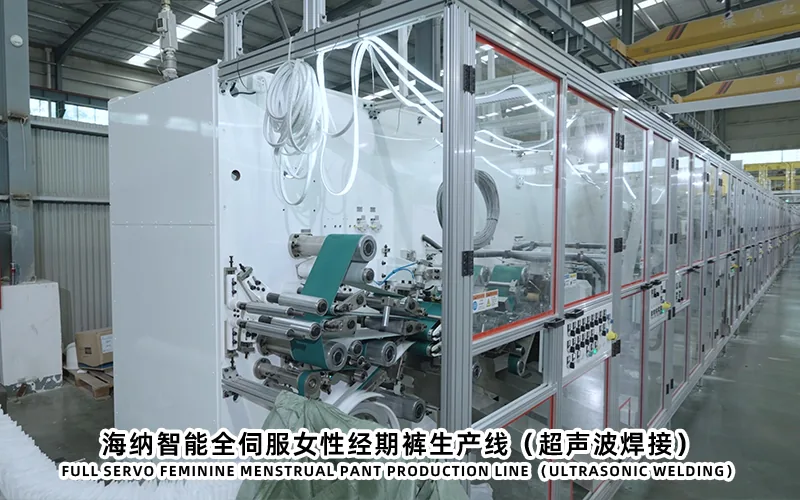
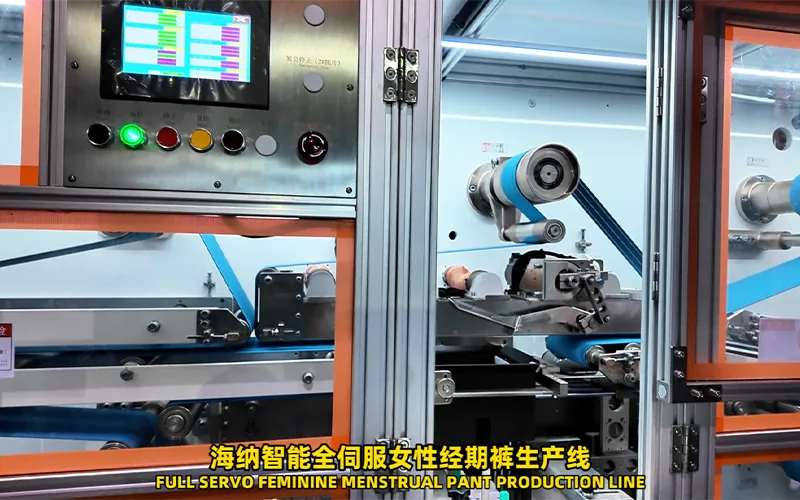
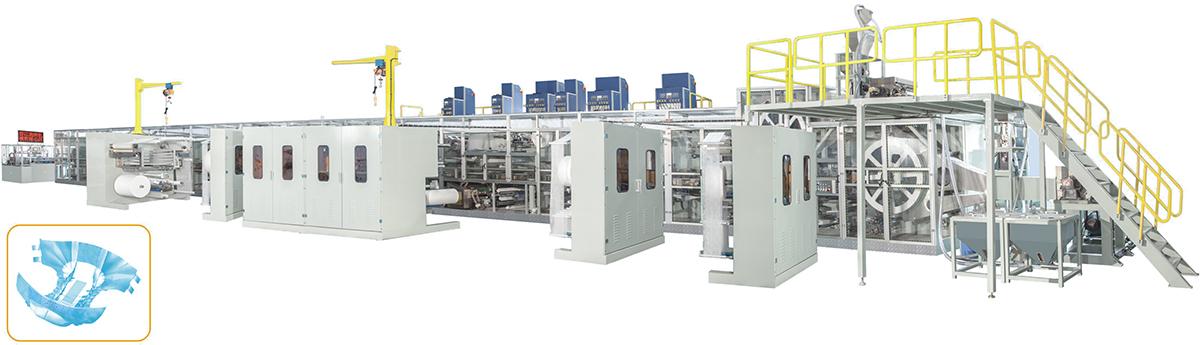
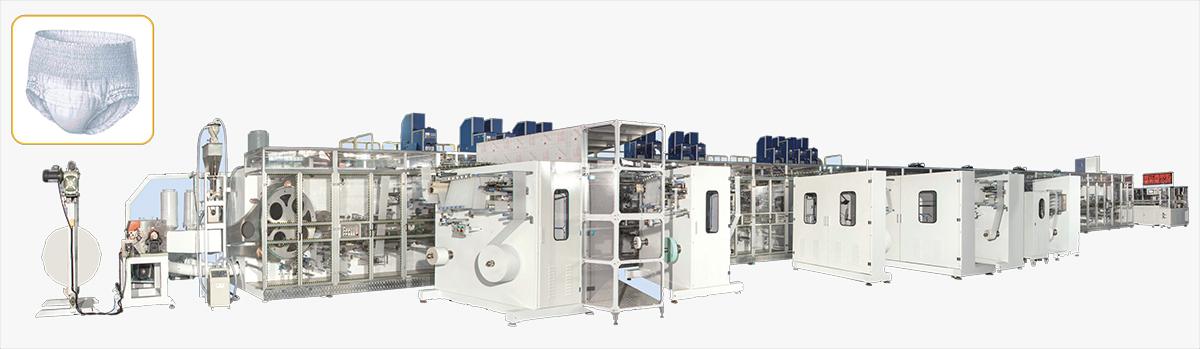
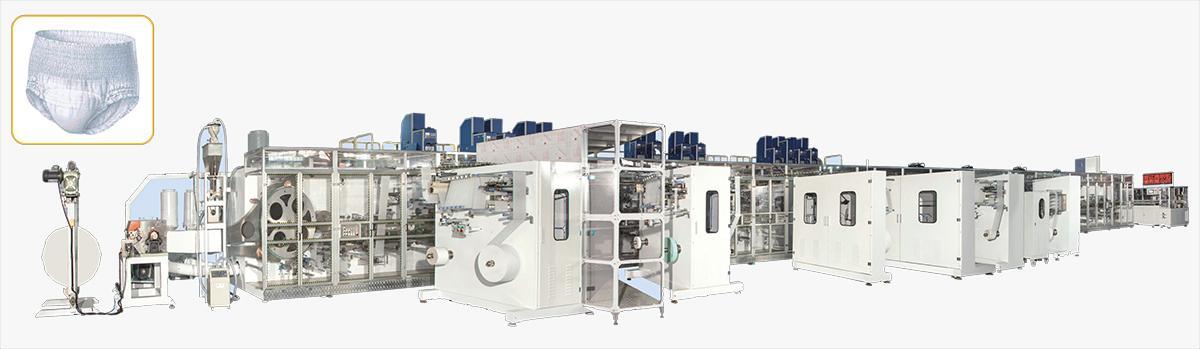
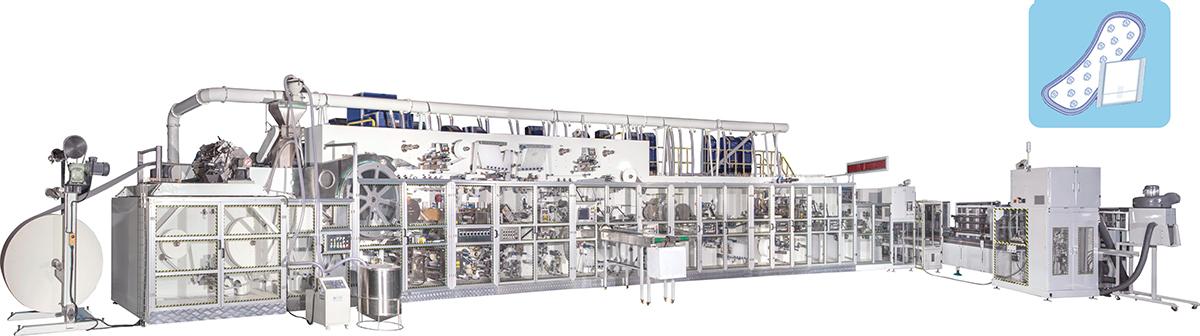
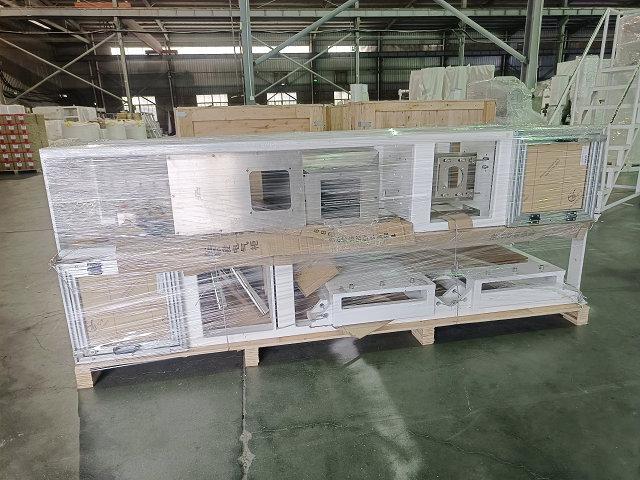
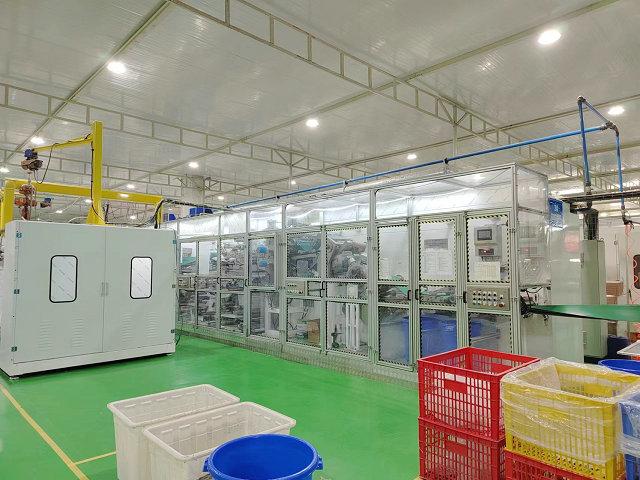
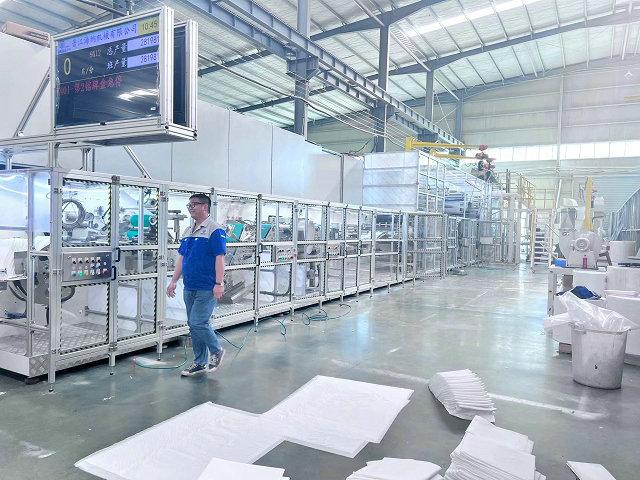
For equipment purchasing, lady diaper machine and menstrual pants machine should not be compared as if they were automatically different machines. Lady diaper machine is an informal market phrase; menstrual pants machine is the clearer term when the target is disposable pull-on period underwear. Buyers should normalize every offer against one approved product definition, then compare core formation, elastic chassis construction, side joining, size change, inspection, packing interface, FAT evidence, and supplier responsibilities. If a vendor uses lady diaper to mean an adult incontinence product or a sanitary pad, that offer belongs to a different technical scope and should be clarified before commercial comparison.
Establish a Common Product Definition
A valid comparison starts with a shared specification. State that the required product is disposable menstrual pants if that is what the factory intends to make. Describe how the product is worn, where the absorbent core sits, how the waist and leg openings are formed, how the side seams close and open, how many sizes are planned, and how the finished product is folded and packed. Attach physical samples and controlled drawings.
Do not accept a supplier's product category without checking its sample. In some markets, lady diaper may describe pull-on adult incontinence underwear. In others it may be used loosely for any feminine hygiene absorbent product. The absorbent capacity, geometry, materials, elastic design, and package can therefore differ even when the inquiry wording looks similar.
Create one data sheet for each launch size. It should include finished dimensions, core dimensions and position, topsheet and backsheet widths, body-panel construction, waist and leg elastic layout, side-join width, tear-open behavior, fold, and package count. Mark every value as fixed, adjustable, supplier-proposed, or subject to material trial. This prevents quotations from using different assumptions.
A common product definition lets buyers compare the actual converting scope.
Read the Process Flow Instead of the Label
Ask each supplier for a station list that traces every material from unwind to finished product. A menstrual pants route can include fluff and SAP handling, absorbent core formation, core wrapping and transfer, acquisition or distribution layers where specified, topsheet and backsheet lamination, elastic feeding, leg contour cutting, body folding, side joining, final separation, inspection, rejection, counting, and delivery to packaging. Exact modules depend on the approved construction.
The list should show which drives and controls govern each process, but a component name is not proof of stable output. Ask how web tension is isolated between zones, how registration is corrected, how elastic is stretched and placed, how side joining is monitored, and how rejects are removed. The useful answer identifies sensors, actuators, recipes, alarms, and the conditions under which operators intervene.
Check whether the proposed process has a clear path for every size. A line may accept a range of raw-material widths but still need change parts for core drums, cutters, forming devices, guides, folding boards, side-join tooling, or stackers. Require a size-by-size list rather than a broad statement that the machine is adjustable.
Compare Chassis and Side-Join Construction
The wearable chassis distinguishes menstrual pants from flat feminine hygiene pads. Compare how the machine forms the front and back body, places waist and leg elastic, cuts leg openings, folds the chassis, joins the sides, and separates finished pieces. Small registration errors can combine across these stations, so the control strategy should be reviewed as a connected system.
Side joining must match the selected material layers and intended consumer opening behavior. Ask the supplier to explain the proposed joining method, tooling, cooling or energy control where applicable, contamination management, inspection, and rejection. The buyer should define tests for open seams, weak or excessive joins, displaced joins, hard edges, and unintended damage to nearby elastic or nonwoven.
Elastic processing also needs evidence. Material elongation at the unwind does not equal the extension applied in the product. Define tension, feed ratio, placement zone, adhesive interaction, cutoff, recovery, and measurement method. Test at the low and high ends of supplier-approved material variation rather than only with a specially selected roll.
Chassis formation elastic control and side joining require one coordinated evaluation.
Review Core and Leak-Control Functions
Core formation should be judged by the agreed product requirement, not by machine appearance. Review pulp preparation, SAP dosing, core profile, distribution, wrapping, compression, transfer, and attachment. Define how samples will be conditioned, opened, weighed, and measured. If the product uses multiple zones or layers, identify the acceptance method for each one.
Leak control is a product-system outcome. It can depend on core placement, acquisition path, topsheet contact, barrier features, leg fit, backsheet integrity, adhesive patterns, and side-join geometry. A production line can place these elements, but the buyer must supply test methods and material specifications that connect machine settings to product performance.
Ask how the control system responds to missing material, low feed, splice disturbance, core position error, elastic break, joining fault, and downstream stop. The response may include alarm, speed reduction, controlled stop, or rejection. Verify that suspect products remain traceable and cannot silently enter accepted output.
Normalize Quotation Boundaries
Comparison boundary
Questions for each supplier
Evidence to collect
Reason it changes value
Core and raw-material preparation
Which forming feeding dosing and waste systems are included
Process diagram module list and utility schedule
Excluded auxiliaries add site work and integration risk
Wearable chassis
How elastic leg cutting folding and side joining are controlled
Tooling list sample review and demonstrated sequence
These functions determine whether the line matches menstrual pants
Inspection and rejection
What is detected where and how a reject is tracked
Sensor list alarm matrix challenge test
Detection without reliable removal does not protect output
Downstream scope
Where counting stacking bagging coding and case handling begin
Interface drawing signal list and stop logic
An incomplete interface can limit sellable production
Services and acceptance
Who supplies materials travel tools training and open-item closure
Responsibility matrix FAT and site acceptance plan
Different exclusions distort commercial comparisons
Normalize offers line by line. Include change parts, spare parts, adhesive units, air and vacuum equipment, dust collection, quality instruments, lifting fixtures, electrical interfaces, installation supervision, commissioning, training, documents, and remote support. Mark each item as included, optional, buyer supplied, or excluded.
Also normalize speed language. Design speed is a machine design reference. Stable working speed describes demonstrated sustained operation under stated conditions. Normal operating speed is the factory's chosen rate after considering materials, staffing, quality, maintenance, and packaging. FAT acceptance speed and duration must be written separately. A comparison that places these values in one column without definitions is misleading.
Score Evidence Instead of Promises
A buyer scorecard should assign weight to evidence relevant to the project. Product fit may cover the approved drawings, material compatibility, size range, tooling, and sample quality. Engineering maturity may cover process descriptions, layout detail, utilities, access, controls, alarms, and interface documents. Delivery readiness may cover project roles, drawing schedule, FAT plan, packing, installation, and training.
Score only what can be inspected. A video of a different product is background, not acceptance evidence. A component brand list does not explain application engineering. A sample without a run record does not establish the conditions under which it was made. Ask for documents that connect each claim to the buyer's own materials and product.
Buyer note: Keep technical compliance and commercial evaluation as separate sheets until major exceptions are closed. A lower initial quote may reflect a narrower scope, unpriced change parts, or buyer responsibilities rather than equal equipment at a lower cost.
When HAINA reviews a menstrual pants manufacturing machine project, the useful starting package is the same: physical products, controlled drawings, material data, size plan, factory constraints, and packing requirements. Buyers should verify the resulting proposal through a documented technical review and FAT.
Supplier claims become comparable when they are tied to documents tests and responsibilities.
Run a Buyer Comparison Workflow
Freeze the product language. Replace lady diaper with the exact product definition in the RFQ and all supplier responses.
Issue one requirement package. Send identical samples, drawings, materials, sizes, packing scope, utilities, and acceptance questions.
Hold a process review. Trace every layer through feeding, forming, joining, cutting, inspection, rejection, folding, and packing.
Record deviations. Maintain one list of assumptions, alternatives, exclusions, and unresolved material tests for each offer.
Normalize scope and speed terms. Compare the same modules, services, output definitions, and responsibility boundary.
Audit relevant evidence. Inspect assembly, controls, documentation, sample records, and the proposed FAT method.
Approve a testable contract baseline. Attach product drawings, module scope, responsibilities, FAT protocol, and open-item process.
The workflow should be cross-functional. Product development owns product construction, quality owns measurements and defects, engineering owns utilities and interfaces, production owns staffing and operating methods, maintenance owns access and spares, and procurement owns commercial consistency. Supplier responsibilities should mirror those owners.
Test the Selected Solution at FAT
FAT should use approved production-intent materials in sufficient quantity for setup, changeover, stable running, quality sampling, and controlled fault tests. Agree how material shortages or substitutions will be handled. Identify which settings may be optimized during the test and which product requirements cannot be changed without formal approval.
Record startup waste separately from stable-run rejects. Classify stops by cause and duration. Preserve samples from the beginning, middle, and end of each run, as well as before and after a size change. Challenge key detection and rejection functions where this can be done safely. Confirm that reports and recipe backups can be understood by the receiving factory.
Complete a changeover with the actual tools, change parts, people, and instructions expected at site. Observe access, identification, adjustment references, cleaning, and first-piece approval. The purpose is not to claim one universal changeover time; it is to expose missing parts, unclear responsibilities, and settings that cannot be reproduced.
Factory acceptance should test the normalized product and scope used for supplier comparison.
Frequently Asked Questions
Does lady diaper machine always mean menstrual pants machine?
No. It is an informal phrase and may be interpreted differently by suppliers. Define the finished product with samples, drawings, materials, waist construction, side joining, and intended use.
Can quotations be compared by speed and price alone?
No. First normalize product scope, modules, auxiliaries, change parts, inspection, packaging, services, responsibilities, and the definition of each speed value.
What evidence is most useful during supplier selection?
Use process diagrams, module lists, sample records, material trial plans, layout and utility drawings, alarm and interface documents, FAT protocols, and clearly assigned responsibilities.
Should automatic bagging be part of the same comparison?
Yes when bagging is required, but define its interface and acceptance separately. Upstream output, stacking, bag supply, sealing, coding, stop logic, and reject handling must operate as one system.
Conclusion
A lady diaper machine and a menstrual pants machine can refer to the same equipment only when both quotations are based on the same disposable pull-on period product. Remove the ambiguous label, freeze the product construction, and compare process flow, chassis control, absorbent core, inspection, downstream scope, change parts, services, and FAT evidence. A normalized technical baseline reveals whether suppliers are offering equivalent solutions and gives the buyer a defensible basis for commercial selection.