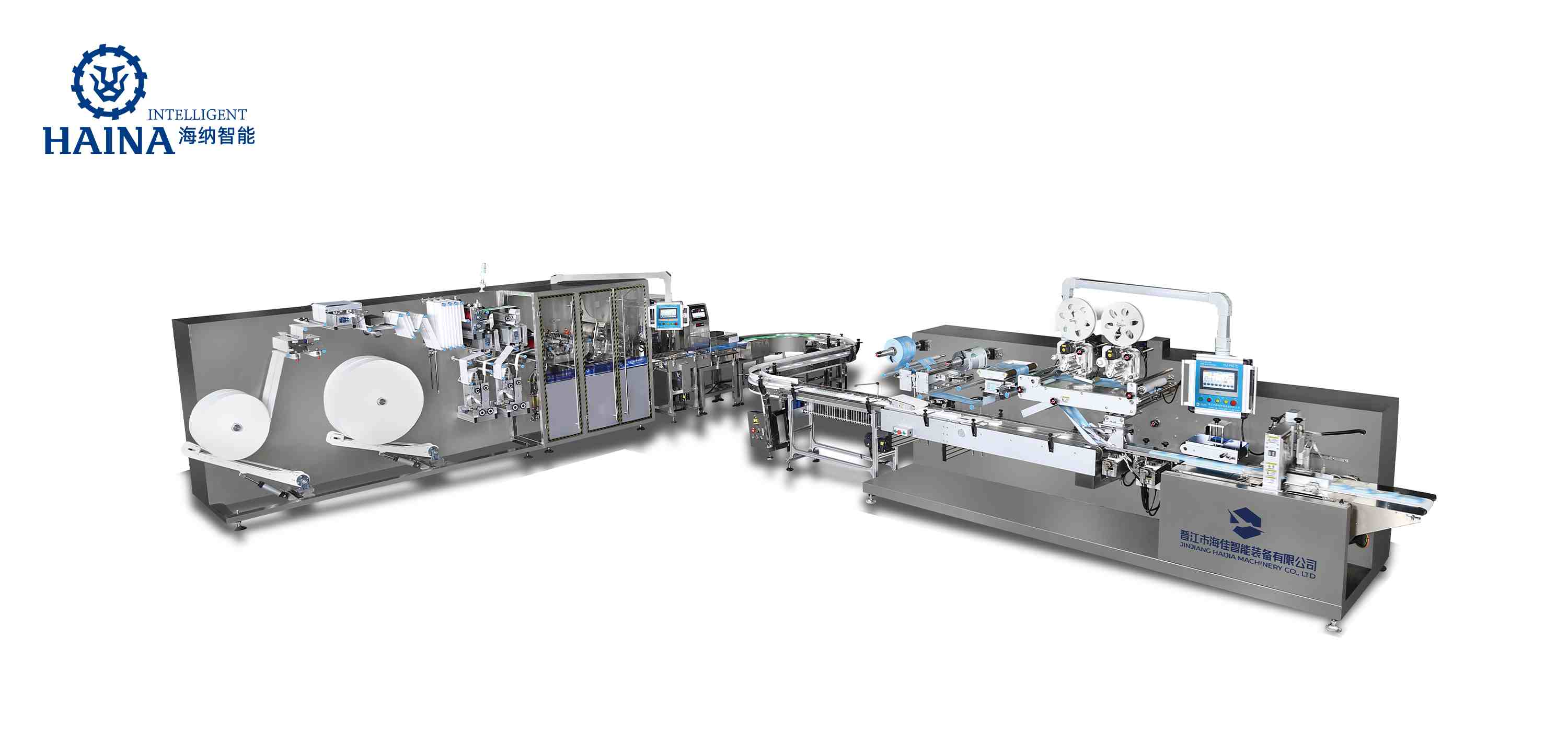
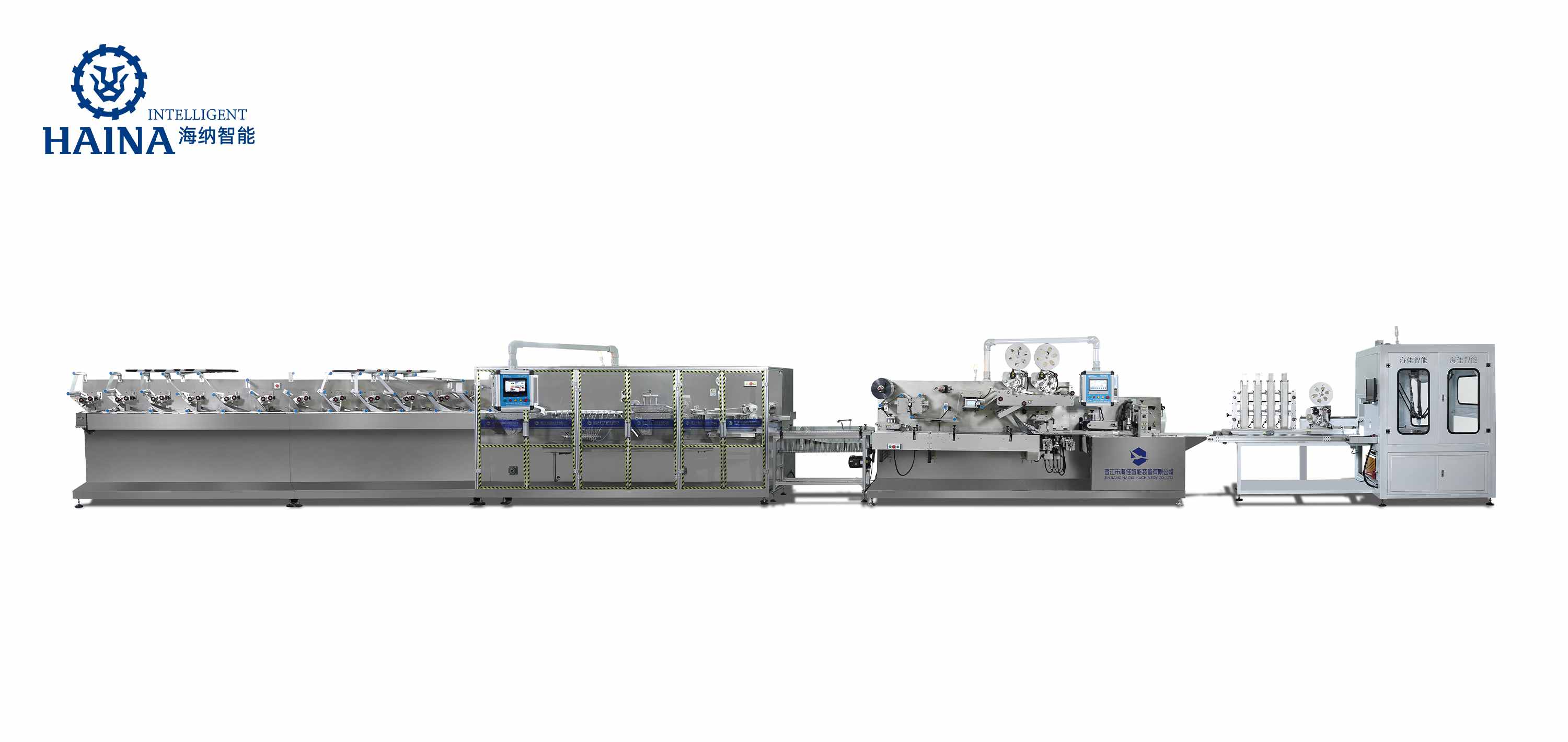
HJ-WP12A Full Automatic Full Servo Baby Wet Wipes Machine-Big Jumbo Rolls
Product Details:
Place of Origin: CHINA
Brand Name: HAINA
Configuration: Confirmed per project
Model Number: HJ-WP12A
Payment & Shipping Terms:
Order Scope: Confirmed equipment modules
Quotation: Based on product and automation scope
Export Packing: Confirmed in offer
Lead Time: Confirmed in contract
Payment Terms: Confirmed in contract
Delivery Scope: Confirmed in technical agreement
Large-roll folding and liquid addition for baby wet wipes, with controlled stacking before packaging.
Recorded modelHJ-WP12A
Roll widthMax 1200 mmDiameter 1200 mm
Roll axes4 axes3-inch core
Recorded output50-60 bags/minAt 80 pieces
Stack range30-120 piecesHeight no more than 90 mm
Material Basic Weight: 35-80g/m²Jumbo Roll Spec.: Max W1200mm*Φ1200mmJumbo Roll Axis: 4 axis of jumbo rolls, splicing without stopping the machine, core dia.: 3''Wet Wipes Size: L140-205mm , W80-110mmUnfold Size: L140-250mm, W160-220mmStack quantity: 30-120 pieces ( height ≤ 90mm)Production Speed: 50-60 bags/min ( 80 pieces)14 pcs of independent liquid adding pipes, can clean them individually
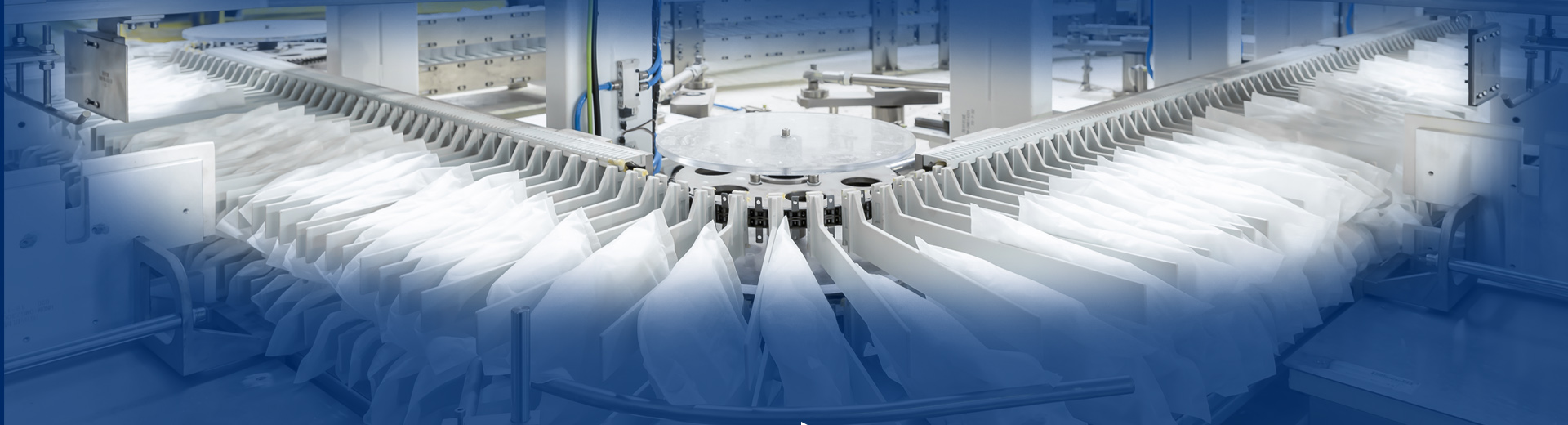
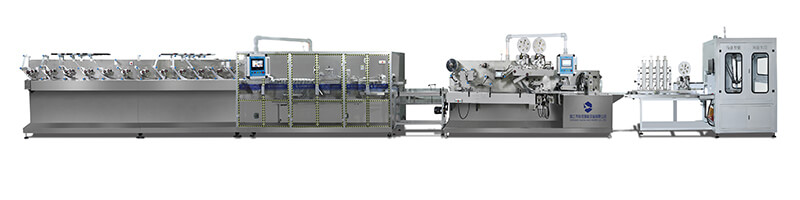
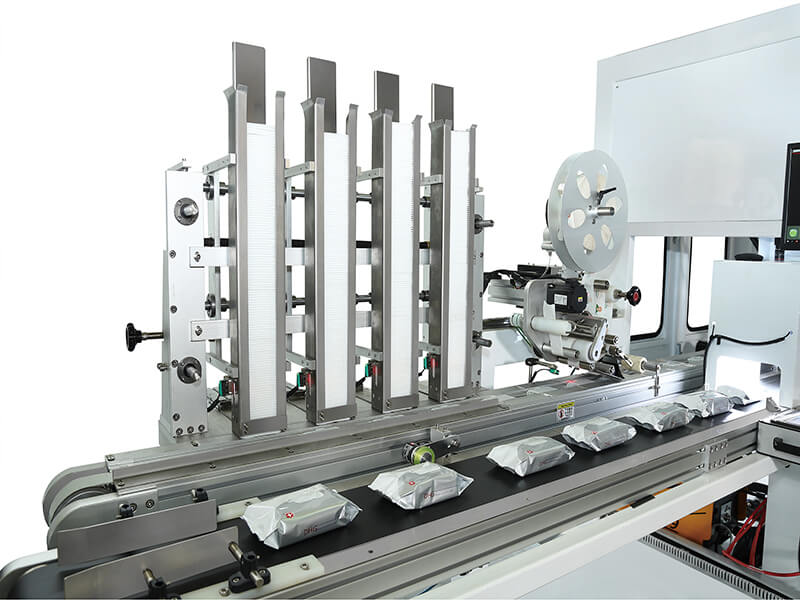
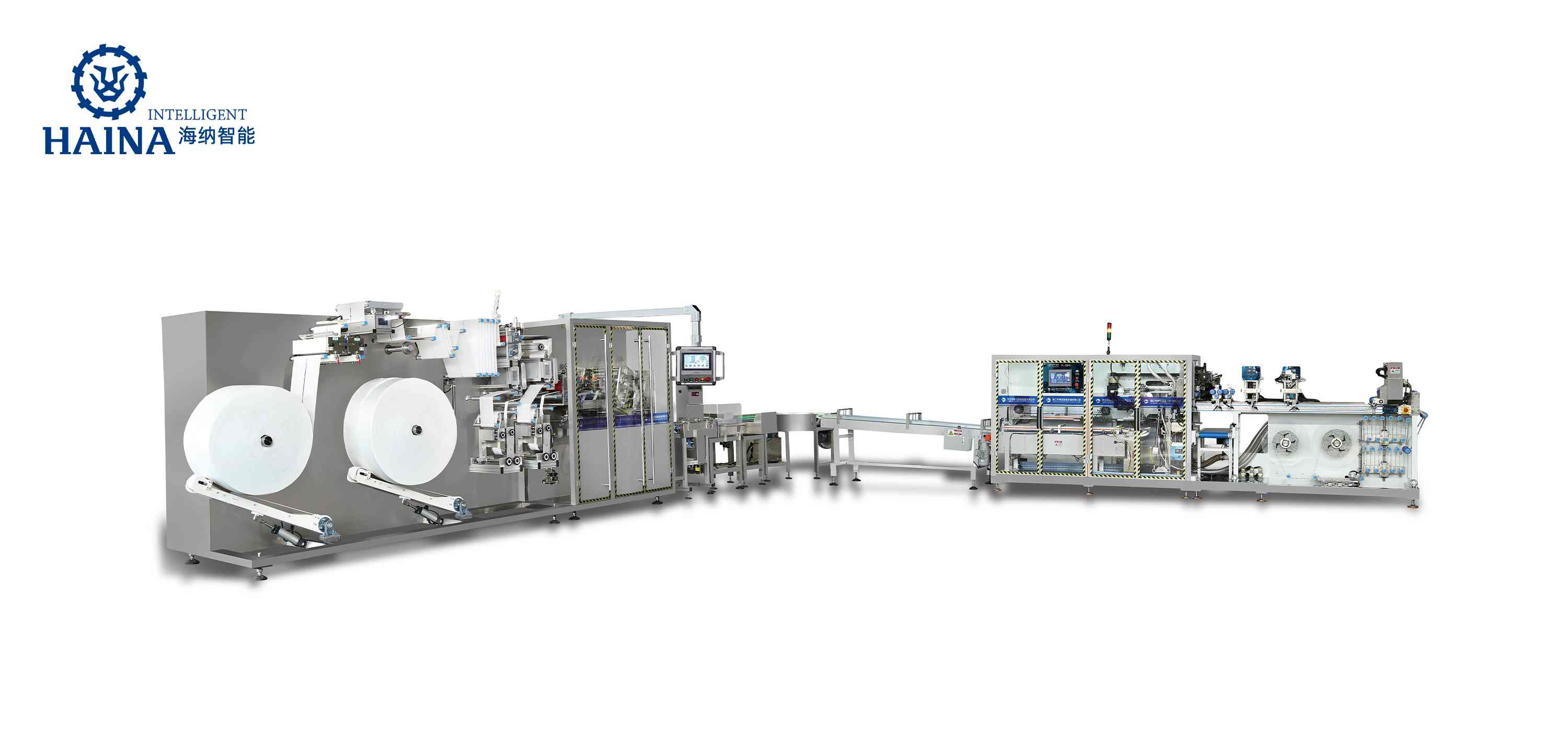
Overall line reference for access and roll logistics. Large-roll handling and web-entry reference. Folding and process section used during configuration review. Output-side detail for stack and reject checks.
Specification dashboard
Machine envelopeL9050 x W3600 x H2100 mm
Electrical reference20 kW, AC380 V customizable, 50/60 Hz, three-phase five-wire
Compressed air0.6-0.8 MPa, 130 L/min
Recorded massAbout 3000 kg
These values support floor, utility and handling studies. They are not a substitute for the final general-arrangement drawing or a timed production test using the buyer's substrate, liquid and selected stack.
Substrate and large-roll window
The saved specification names spunlace nonwoven and calender-bonded nonwoven at 35-80 g/m². The maximum jumbo roll is W1200 mm by 1200 mm diameter. Four axes on 3-inch cores are described as permitting splicing without stopping the machine. Procurement should turn that statement into a loading and splice plan: approved roll mass, lifting method, web direction, splice preparation and detection response all need to be witnessed.
Optional equipment remains conditional
A specialized folding device for flushable substrates, web guiding, and metal-and-weight detection with rejection are listed as options. They should appear as separate line items with their test boundaries.
Wipe, fold and stack envelope
Product variable
Recorded range or choice
Acceptance evidence
Wet wipe
L140-205 mm, W80-110 mm
Approved folded sample and measurement record
Unfolded wipe
L140-250 mm, W160-220 mm
Cut-length and width check before stacking
Fold
Individual or constant drawing; Z or small Z fold
Selected device and pull-out behavior
Stack
30-120 pieces, height no more than 90 mm
Count, height and alignment after restart
The fold description says the buyer chooses one of two drawing approaches. That decision affects the folding device and how a consumer removes the first wipe, so it belongs in the signed product definition rather than an operator adjustment made after delivery.
Liquid system and motion control
Liquid circuit
Fourteen independent adding pipes can be cleaned individually. The record lists 2.5-4-times liquid-addition detection, touch-screen weight setting, bucket-level alarms and two 650 L hygienic-grade stainless-steel tanks.
Motion architecture
A multi-axis controller and servo motors are recorded. Jumbo-roll unwinding and the liquid-adding motor use frequency-converter control, while stacking uses an independent servo.
Quality response
Splice joints are detected and automatically rejected. FAT should verify stack neatness and reject separation after a splice and after a restart.
Site preparation and acceptance record
Freeze one substrate grade, basis weight and roll construction for the witnessed run.
Name the fold choice, wipe dimensions, stack count and maximum stack height.
Record liquid batch, setpoint, measured pickup and cleaning procedure.
Measure good bags per minute at the recorded 80-piece condition and log all stops.
HAINA can use that package to align mechanical configuration, recipes and FAT evidence around the same baby wet wipe rather than around disconnected brochure figures.
Questions before freezing HJ-WP12A
Is 50-60 bags/min valid for every count?
No. The saved rate is specifically associated with an 80-piece stack. Other counts need their own confirmed test condition.
Does the base specification include flushable-substrate equipment?
No fixed inclusion is recorded. The specialized folding device appears in the optional-device list and must be confirmed in scope.
What proves non-stop roll change?
A useful FAT witnesses the approved splice at the agreed running condition and checks web tracking, splice detection, reject action and subsequent stack quality.
The HJ-WP12A decision should rest on a matched set of roll data, wipe geometry, liquid controls, stack definition and site utilities. That makes the technical dashboard a project record, not a promise detached from production conditions.