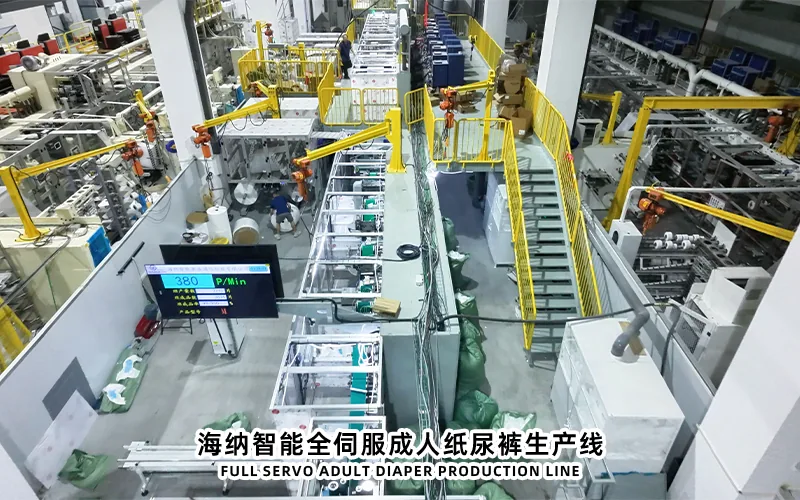
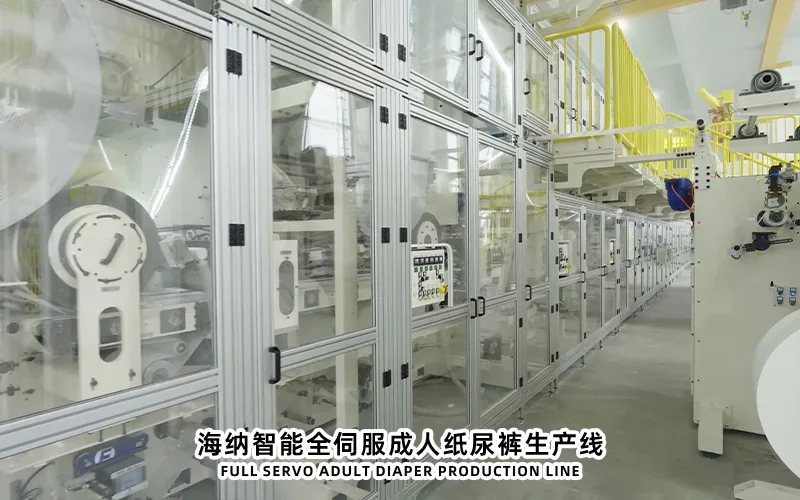
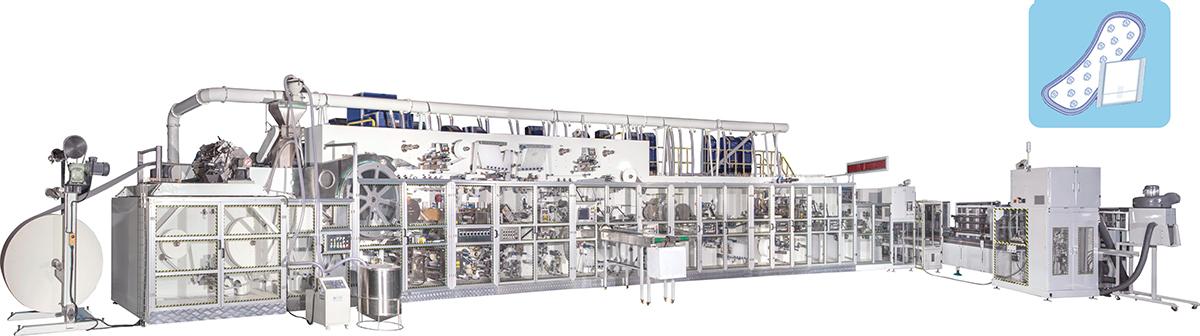
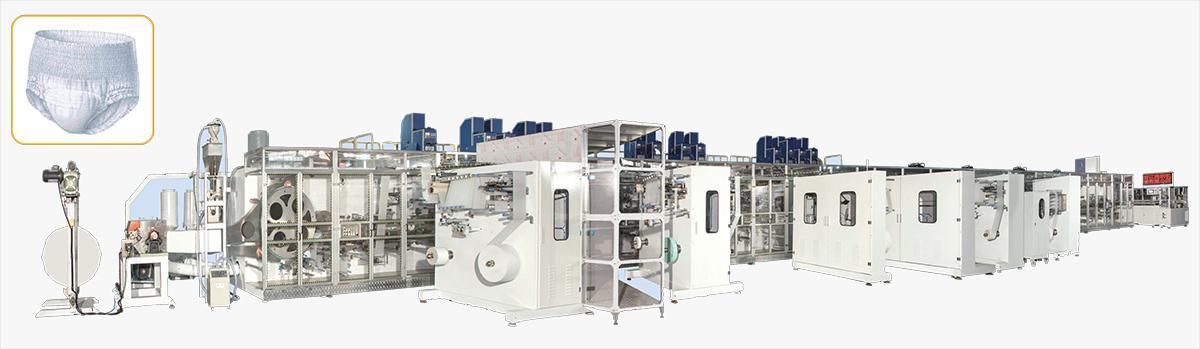
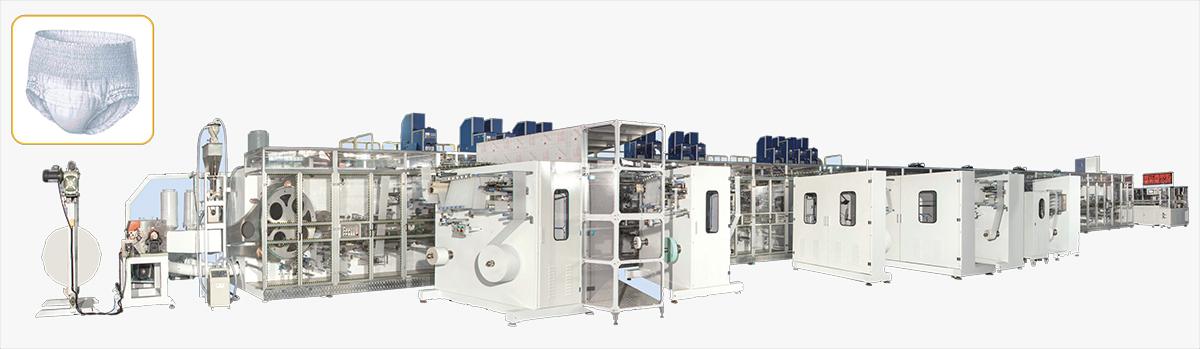
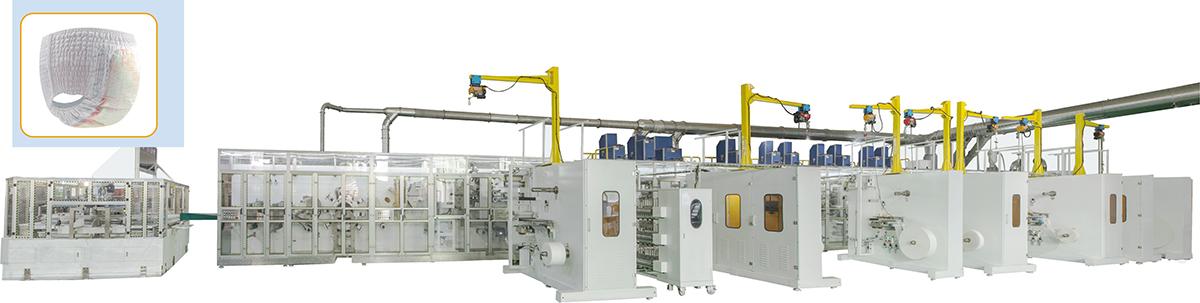
High-speed maintenance risk on an adult diaper manufacturing machine rises when small changes in alignment, tension, vacuum, cutting, adhesive application, or component timing develop faster than operators can see them. The safest response is not a universal service interval. Buyers need a machine-specific maintenance plan built from supplier instructions, component criticality, condition evidence, product defects, and stop history. Daily inspection should find contamination and looseness early, planned stops should protect precision assemblies, and restart approval should confirm product quality. Speed should increase only after the line remains mechanically stable and the maintenance team can recover faults safely.
Understand Why Speed Magnifies Maintenance Risk
Higher operating speed increases the number of machine cycles and the rate at which a small disturbance can produce waste. Rotating imbalance, bearing condition, blade wear, belt tracking, vacuum leakage, loose fasteners, poor lubrication, and phase drift can move from a weak signal to a production stop quickly. Lightweight webs also have less time to settle after a guide, transfer, cut, or bond.
Do not treat speed as the root cause by itself. The useful question is which condition loses margin as speed rises. A web may wander because an unwind brake, guide reference, roller surface, tension zone, or splice is unstable. A cut may move because of blade wear, timing, web slip, or transfer vacuum. Separate symptoms from causes and record the operating state when the symptom appears.
Define speed terms clearly in maintenance records. Design speed is not a requirement to operate continuously at that display value. Stable working speed depends on the approved product, materials, quality limits, downstream connection, and maintained condition. Actual operating speed may be lowered during a material lot change or investigation. A FAT acceptance value proves only the conditions written in the protocol.
Create a stop-code structure that identifies machine zone, observed symptom, confirmed cause, work performed, parts used, time to safe access, repair time, verification time, and products affected. Broad entries such as mechanical fault or operator issue prevent useful analysis. Maintenance improvement begins with records that distinguish repeated causes from isolated events.
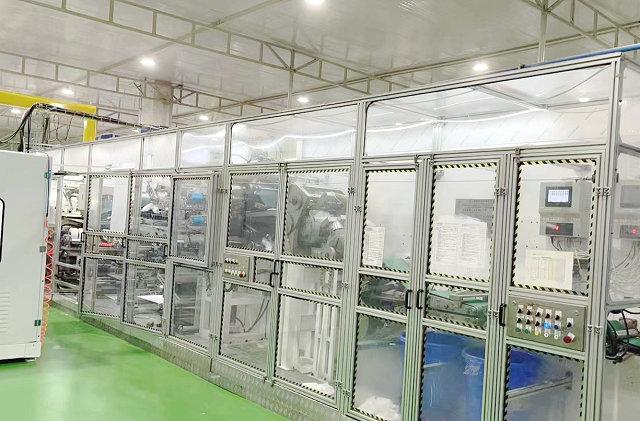
High-speed reliability depends on the maintained condition of every synchronized process zone.
Protect Cutting Vacuum and Transfer Systems
Cutting assemblies combine sharp tools, precise timing, rotating mass, bearings, supports, and product transfer. Inspect blade and anvil condition using the approved method, and record wear patterns rather than adjusting force repeatedly. Excess pressure can hide a dull or misaligned condition while increasing load and wear. Only trained personnel should perform work under the required isolation and guarding procedure.
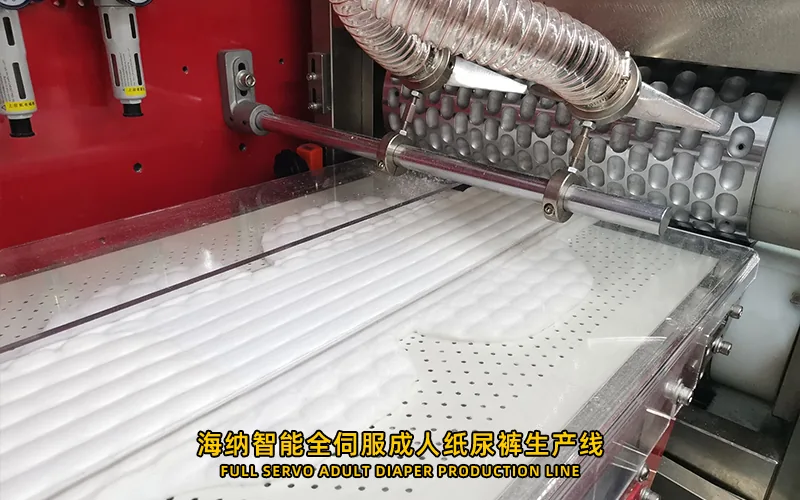
Vacuum transfer depends on clean passages, sound seals, stable supply, correct timing, and suitable surfaces. A partly blocked hole pattern or worn seal may hold product at low speed but release it unpredictably after acceleration. Inspect filters, hoses, manifolds, valves, drum surfaces, and extraction connections. Trend vacuum at a consistent reference point if the equipment provides an approved measurement location.
Belts, timing elements, rollers, and bearings should be assessed as connected components. Replacing a belt without correcting pulley alignment or contamination can produce a short-lived improvement. After work, rotate or jog according to the safe procedure, inspect tracking, confirm guards and tools, and run a controlled product check before returning to normal speed.
Maintenance decision note: Repeated timing correction is evidence to inspect mechanical condition, reference sensors, web slip, and recipe control. It should not become a routine substitute for finding the cause.
Control Web Tension Alignment and Elastic Feeds
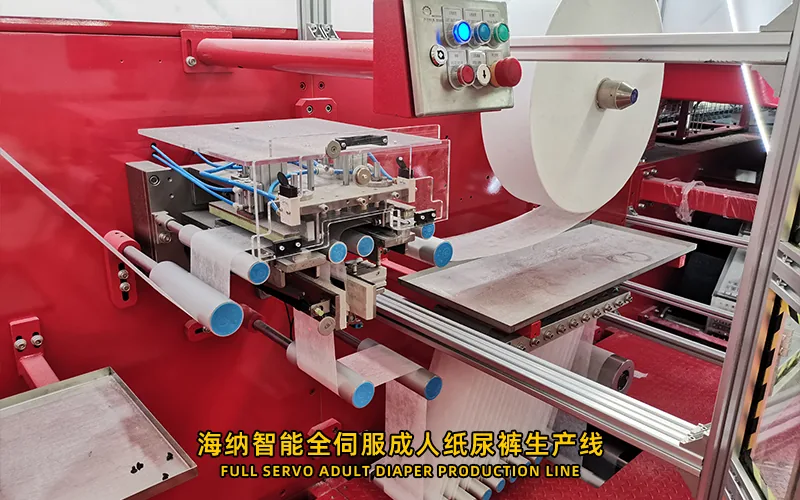
Adult diaper lines combine webs with different strength, extensibility, surface friction, and roll inertia. Unwind brakes or drives, dancers, load cells, guides, rollers, accumulators, and nip points must work as one tension system. Inspect roller cleanliness, bearing freedom, guide references, sensor mounting, web centering, air supply, and calibration according to the machine documentation.
Compare disturbances with material lot and roll condition. Telescoping, uneven winding, damaged edges, poor splices, or the wrong orientation can create the same symptoms as a machine fault. Maintenance and quality should retain samples and photographs before changing settings. If a new material requires a different recipe, approve and identify that recipe instead of overwriting the previous product baseline.
Elastic feeds require attention to guides, package condition, break detection, tensioning, adhesive contact, and buildup. A contaminated guide or variable feed path can change contraction and product shape. During a stop, tension may relax or heat exposure may change the next products. The restart procedure should define which pieces are removed, which checks are made, and when acceptable product begins.
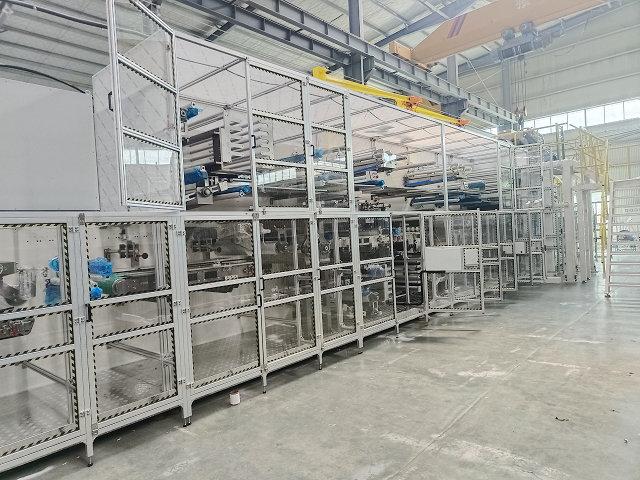
Roll condition guiding and tension components should be reviewed together when webs become unstable.
Manage Adhesive Heat Dust and Contamination
Hot melt systems create process and safety risks. Follow the adhesive and equipment instructions for storage, filling, heating, filtration, hose condition, pressure, nozzle care, and isolation. Carbonized material or contamination can restrict application and produce intermittent bonding. Raising temperature or pressure without diagnosis can damage material, increase buildup, or create a different defect.
Use planned inspection for tanks, filters, pumps, hoses, connectors, applicators, guards, and ventilation. Record which adhesive grade and lot were in use when a problem occurred. Observe pattern condition on a defined sample, not only at the nozzle. Bond performance also depends on web surface, contact pressure, open time, contamination, and material pairing.
Pulp dust, SAP, trim, fibers, and adhesive residue can affect sensors, cooling surfaces, electrical cabinets, bearings, vacuum passages, and floors. Assign cleaning methods by zone. Compressed air can move contamination into sensitive areas or create airborne exposure, so use it only where the approved procedure permits. Dust extraction performance and filter condition should be part of the maintenance plan.
Monitor Drives Sensors and Control Health
Servo drives and synchronized controls depend on mechanical loads, feedback, electrical quality, cooling, communication, and correct software. Review alarm history for recurring warnings before they become trips. Check cabinet temperature and cleanliness, fan and filter condition, connectors, grounding, encoder mounting, cables, and motor condition using approved procedures.
Sensor maintenance needs a controlled reference. Clean optics with suitable materials, inspect brackets and targets, verify alignment, and challenge the function rather than simply checking that an indicator light changes. For vision inspection, preserve approved recipes, lighting positions, focus, reject delay, and sample challenges. A false-reject trend may come from product variation, lighting contamination, vibration, or a recipe change.
Back up machine software, drive parameters, recipes, inspection settings, and documentation under version control. State who can change each level and how a change is approved. A replacement component is not ready when it is only physically installed; parameters, communication, direction, safety response, and product results must also be verified.
For a project or lifecycle review with HAINA, buyers can connect the adult diaper manufacturing machine configuration to a component register, maintenance instructions, spare-parts list, and training plan. The actual intervals and limits should follow the approved machine documents and observed condition.
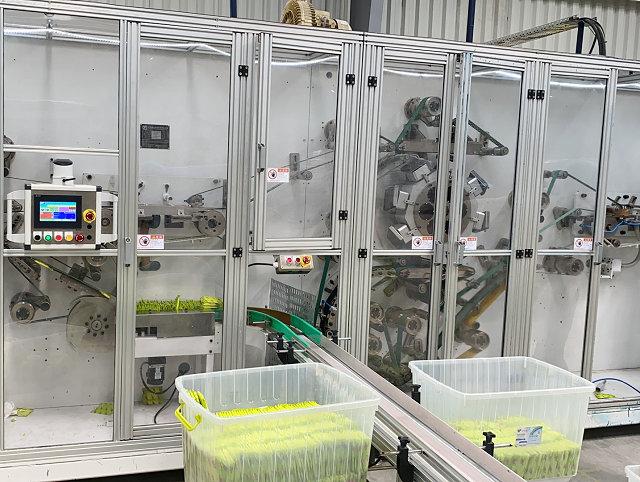
Alarm history sensor condition and software control support evidence-based maintenance decisions.
Prioritize Work with a Risk Register
Risk area
Early evidence
Likely consequence
Verification action
Cutting and rotating assemblies
Noise vibration heat edge change or repeated timing correction
Defects sudden stop or component damage
Inspect tooling alignment bearings load and retained samples
Vacuum and transfer
Position variation contamination pressure change or unstable handoff
Misplaced cores webs or folded products
Check passages seals filters supply timing and surfaces
Web and elastic control
Edge drift wrinkles breaks contraction change or guide activity
Misregistration leakage features or waste
Compare roll condition tension zones alignment and recipe
Adhesive and contamination
Pattern gaps buildup odor filter restriction or bond variation
Open bonds fouling and unsafe intervention
Inspect material settings applicators ventilation and cleaning evidence
Drives sensors and software
Recurring warning false reject cabinet heat or parameter drift
Trip loss of control or untraceable quality
Review history cooling wiring references backups and challenges
Downstream equipment
Stack disturbance bag jam signal delay or frequent blocking
Main-line stops and damaged sellable output
Test interface accumulation recovery and format settings
Rank each risk by safety exposure, quality impact, downtime consequence, detectability, and recovery difficulty using the factory's approved method. Add an owner and evidence source. The purpose is to direct limited planned-stop time to critical conditions, not to create a score that replaces engineering judgment.
Plan a Maintenance and Restart Window
Before shutdown: review defects alarms stop history parts tools permits and the exact work boundary.
Make safe: stop isolate verify stored energy control hot systems and release the machine under the site's safety procedure.
Inspect before cleaning: photograph wear buildup leaks alignment marks and loose material so evidence is not removed.
Perform planned work: use approved parts settings lubrication fastening and measurement methods, recording deviations.
Independent closeout: account for tools and parts, restore guards, inspect connections, remove isolations, and approve readiness.
Controlled restart: jog and run at a suitable condition, inspect the first products, verify rejects and alarms, then increase speed in stages.
Release and learn: confirm accepted product, update records, monitor repaired zones, and revise the risk register if needed.
Do not compress the restart into a simple machine-on step. Maintenance can change phase, tension, pressure, alignment, sensor reference, vacuum, adhesive pattern, or software. Production and quality should verify the affected characteristics before normal output is mixed with accepted product.
Build Spares and Technical Competence
Classify spare parts by failure consequence, detectability, expected wear, procurement lead time, repair option, storage life, and whether a substitute requires engineering approval. Separate ordinary consumables from critical components. Store precision items against damage and contamination, identify software or parameter needs, and link every part to a drawing or machine location.
Competence should match failure risk. Operators need inspection, cleaning, normal adjustment, alarm response, and escalation skills. Mechanical technicians need alignment, bearings, belts, cutters, vacuum, pneumatics, and safe lifting. Electrical and controls technicians need drawings, drives, sensors, networks, backups, and controlled replacement. Practical assessments are stronger evidence than attendance alone.
Review maintenance performance using repeated failure, planned versus unplanned work, time to safe access, diagnosis time, repair time, restart verification, parts availability, and defects after maintenance. Avoid rewarding speed of repair alone; a rushed restart that creates quality loss is not a successful maintenance result.
Service access spare parts and trained roles determine how safely a line can recover.
High-Speed Maintenance FAQ
Should maintenance intervals be shortened whenever speed increases?
Review them, but do not apply one universal factor. Use supplier instructions, cycle exposure, observed condition, defect and stop data, environment, product mix, and component criticality to approve the interval.
What should be checked first when defects appear only at higher speed?
Identify the affected process and compare web stability, timing, vacuum, mechanical load, material condition, sensor response, and downstream interference at controlled speed steps. Preserve samples and data before adjusting.
Can operators perform high-speed maintenance adjustments?
Only tasks covered by their authorization, training, guarding, and safe work procedure. Precision, isolated, hot, electrical, or software changes should follow defined technical responsibility and verification.
How can maintenance avoid creating new quality defects?
Record the work, preserve settings, account for tools, restore guards, inspect affected functions, run controlled product checks, challenge relevant rejection, and obtain quality release before normal output resumes.
Conclusion
High-speed adult diaper manufacturing machine maintenance should protect condition, evidence, and controlled recovery. Focus on cutting and transfer, tension and alignment, elastic feeds, adhesive and dust, drives and sensors, and the packaging interface. Use stop history and product defects to prioritize a machine-specific risk register. Plan safe access and staged restart as carefully as the repair itself. With controlled spares, versioned records, and role-based competence, the factory can increase operating speed without allowing small maintenance signals to become large production losses.