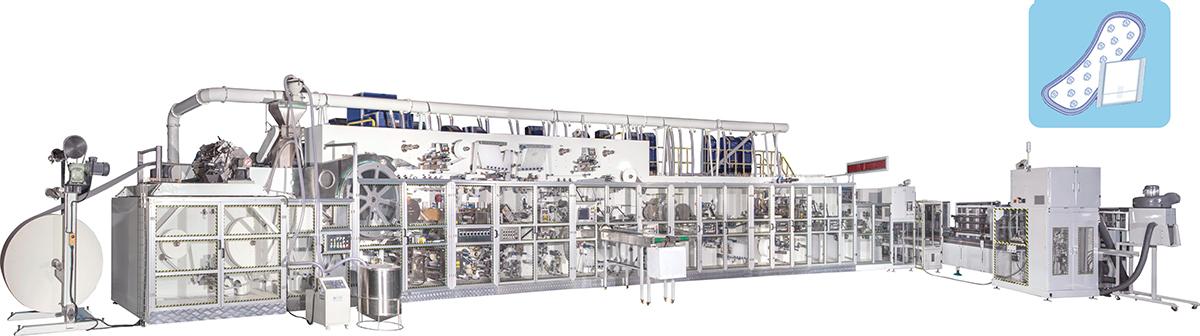
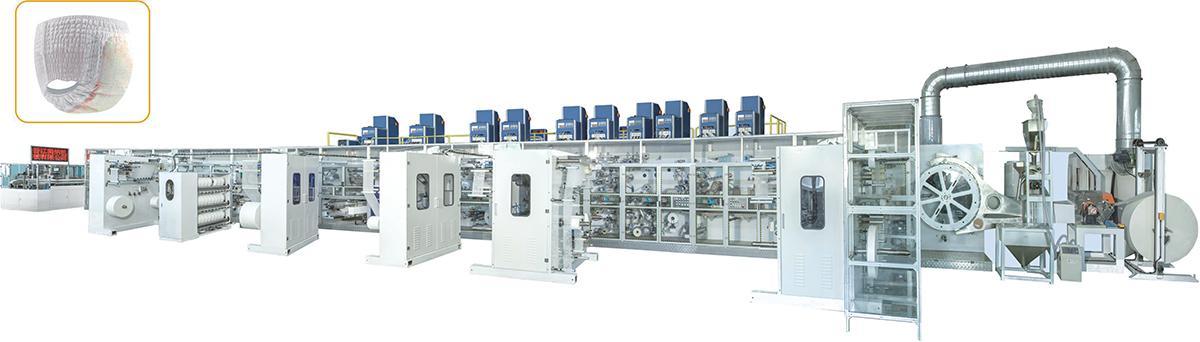
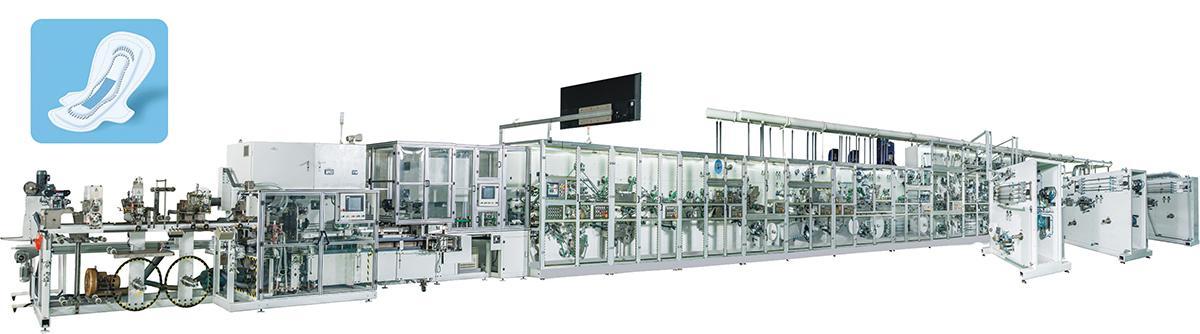
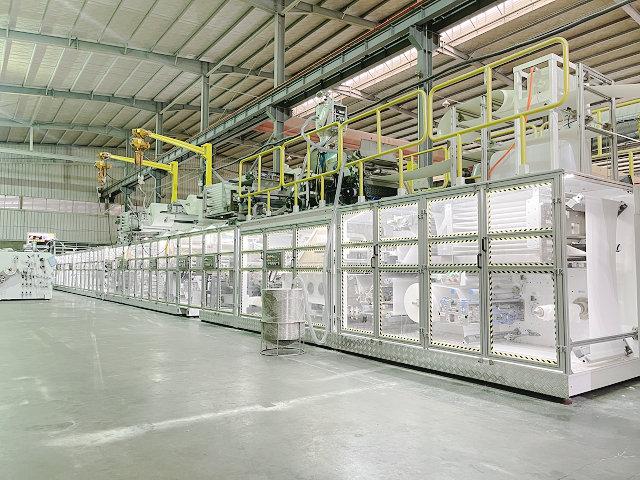
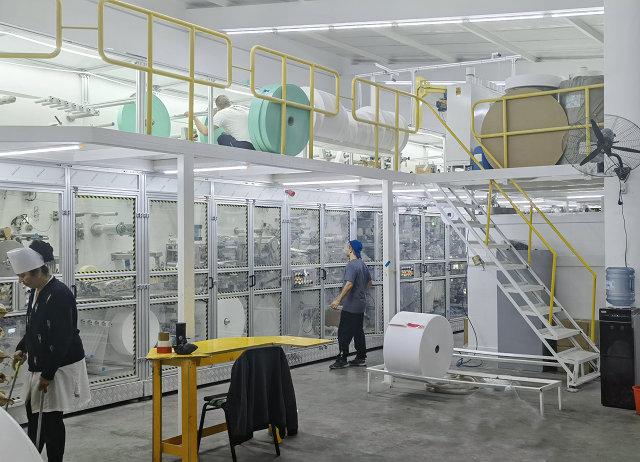
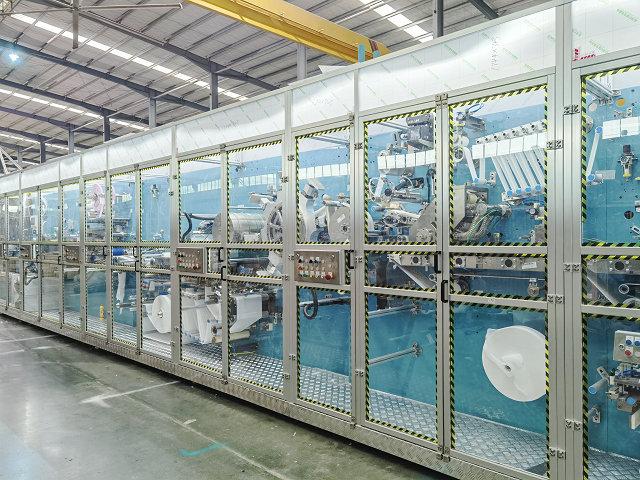
A complete diaper manufacturing equipment checklist follows every material and product from roll feeding through core formation, web combining, elastic and tape application, cutting, folding, inspection, counting, and auto packing. Buyers should define the boundary of each module, the supplied auxiliaries, control interfaces, utilities, change parts, safety functions, and acceptance evidence. A line described as automatic may still require manual roll loading, splice handling, reject removal, stack transfer, bag supply, case packing, or data entry. The checklist therefore needs to record what is included, what is optional, what the buyer supplies, and how every handoff will be tested with the planned products and packaging formats.
Start With the Finished Product Definition
The machine list should follow an approved product matrix. Define open diaper or pull-up construction, planned sizes, product dimensions, absorbent core concept, top sheet, acquisition or distribution layer where used, backsheet, leg cuffs, elastics, tapes or waistband, frontal tape, release paper, and final fold. Also record how many pieces enter each retail bag and how those bags move to cases.
Material names alone are insufficient. Record roll width, basis-weight range where known, roll diameter and core, unwind direction, splice form, elastic count, adhesive application needs, printed mark location, and tolerances to be confirmed through trials. These details determine unwind stands, shafts, tension zones, web guides, applicators, cutters, vacuum transfer, and inspection positions.
Create one drawing for each proposed product size. Mark the features that change and identify whether each change needs a recipe, a manual adjustment, or physical parts. The resulting matrix becomes the basis for checking equipment scope. Without it, buyers may receive a line that makes one sample but lacks the controlled changeovers needed for the commercial range.
The equipment checklist starts with the finished product and traces each required process upstream.
Map Raw Material Feeding and Splicing
List one feeding system for every continuous or intermittent material. Typical areas may include fluff pulp or formed core materials, SAP, tissue or carrier web, top sheet, backsheet film or laminate, cuff nonwoven, leg elastic, waistband material, side or frontal tape, release material, and packaging film. The exact set depends on product construction.
For each unwind, define roll handling, shaft or shaftless mounting, braking or drive method, tension control, web guiding, edge or mark sensing, end-of-roll detection, splice method, and safe threading access. A zero-speed or automatic splice is not just a named option. Ask which materials it supports, what preparation the operator performs, how the splice is detected, and whether products around the splice are automatically rejected.
Clarify lifting equipment and roll staging. A powered unwind does not eliminate manual handling if the plant lacks a suitable roll cart, hoist, or loading route. Include roll dimensions and weights in the layout review. Confirm who supplies core adapters, spare shafts, splice tables, and material storage racks.
Specify Core Formation and Material Combining
Core formation may involve pulp preparation, fiberization, SAP dosing, forming, vacuum collection, wrapping, compaction, embossing, cutting, and transfer. Alternatively, a project may use preformed absorbent materials with different feeding and cutting needs. The equipment scope must match the selected core method; broad references to an absorbent unit hide important auxiliaries and process limits.
Ask whether the quoted scope includes the pulp mill, dust collection, vacuum system, SAP handling, filters, ducts, separators, core-forming drum or chamber, compaction rolls, core cutting, and waste handling. Define environmental and housekeeping responsibilities. Dust extraction affects product quality, machine reliability, and the factory utility plan, so it cannot remain an unspecified building service.
At web combining, identify adhesive units, nozzle or slot application, temperature control, hose routing, pressure monitoring, filter maintenance, and recipe settings. Clarify whether adhesive supply equipment is included and which consumable specifications the buyer must provide. During trials, inspect both bond integrity and contamination around applicators.
Core preparation, vacuum, adhesive, and material combining should appear as defined scope items.
Check Converting Cutting and Folding Functions
Translate every finished-product feature into a machine function. Leg cuffs require material feeding, folding or forming, elastic control, placement, and bonding. Tapes require feeding, cutting, placement, and attachment. Waist features require their own tension, positioning, bonding, and inspection logic. Leg contour cutting requires waste removal as well as a cutting unit.
Record rotary tools, anvils, vacuum drums, transfer units, embossing, sealing, folding boards, longitudinal and cross cutting, final folding, and discharge. Ask which tools are dedicated to a size and which settings are adjustable. Include setup gauges, lifting aids, tool carts, sharpening or refurbishment plans, storage protection, and approved torque values.
Guarding, interlocks, emergency stops, safe speed, isolation points, and threading modes should be reviewed around every converting station. The supplier should explain how operators clear a jam without entering uncontrolled motion. Safety functions must be part of the delivered and tested system, not a later addition after installation.
Define Inspection Tracking and Reject Handling
Online inspection scope should list the feature, sensor, detection limit to be established, line response, reject location, and confirmation method. Possible checks include web presence, material position, splice passage, tape placement, printed mark, product dimensions, count, metal detection where specified, or packaging status. Not every feature can or should be checked by one vision system.
Ask how the controls maintain product tracking from detection to rejection. A delayed reject needs a reliable shift register or product identity logic through transfers and speed changes. Confirm what happens during acceleration, controlled stopping, restart, and manual product removal. Request a reject confirmation sensor when the consequence of a missed reject warrants it.
Define the disposition path. Rejected products should be separated from accepted flow, counted, and available for cause analysis without creating unsafe accumulation. The quality team should decide which alarms stop the line, which trigger automatic rejection, and which require operator inspection.
Detection has value only when tracking, rejection, confirmation, and records are included.
Connect Counting Stacking and Auto Packing
Define the downstream boundary in pieces, stacks, bags, or cases. A converting line may discharge individual folded products, counted groups, or compressed stacks. An auto bagger may accept stacks, open bags, insert products, seal, code, inspect, and discharge finished packs. Case packing and pallet handling may remain outside the package.
Compare rated and stable output for the entire connected system, not separate headline speeds. Confirm the planned piece count, compression, bag dimensions, film or premade-bag specification, seal method, code location, and acceptable pack appearance. Ask how the main line responds when the stacker or bagger slows, stops, runs out of bags, or reports a fault.
Include conveyors, accumulation, guards, electrical communication, recipes, reject chutes, pack inspection, and interface cables. Define one supplier as integration owner when equipment comes from several sources. Otherwise, a timing or handoff problem can fall between contracts.
Use an interface test sheet for each pack format. Record the incoming stack orientation, count signal, transfer-ready signal, fault and reset sequence, accumulation status, bag identification, seal condition, code result, rejected-pack route, and final accepted count. Repeat the sequence after a normal stop and after one controlled downstream interruption. This reveals whether the machines share a complete operating sequence rather than merely running beside one another during an easy demonstration.
Assign Auxiliaries Utilities and Buyer Supplies
Make a separate list of auxiliaries. It may include adhesive melters, vacuum pumps or fans, dust extraction, compressors, chillers, transformers, voltage stabilization, air treatment, lifting devices, tool carts, laboratory instruments, ink coding, metal detection, and spare wear parts. Mark included, optional, third-party, or buyer-supplied status.
For utilities, request connected load, expected operating demand, voltage and frequency, compressed-air pressure and quality, vacuum or extraction values, cooling needs, ambient conditions, grounding, network, and exhaust requirements. Keep preliminary estimates separate from final approved values. Civil works, utility distribution, and site connections usually require buyer coordination even when the equipment supplier provides termination points.
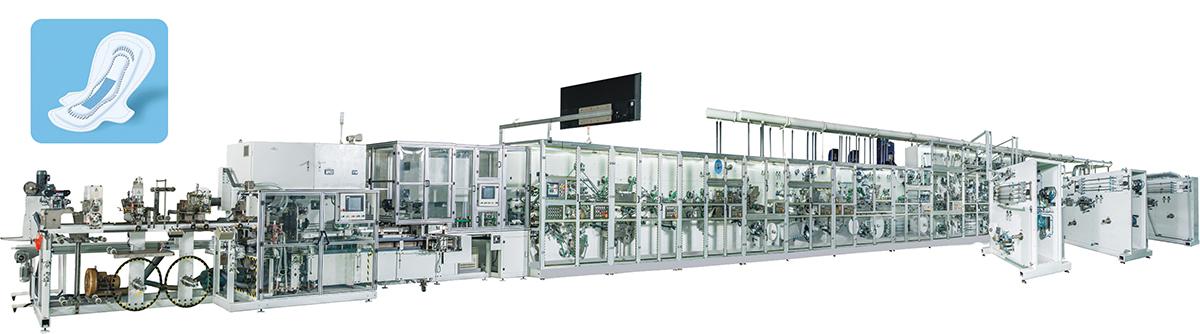
Review the automatic baby diaper manufacturing machine as a starting product reference, then ask HAINA to identify included modules and project-specific exclusions against the approved product brief. The contract, not a general web page, must define the final equipment boundary.
Documentation is also equipment scope. List operating and maintenance manuals, drawings, component schedules, software and parameter backups, recipes, alarm guidance, spare lists, training records, test reports, packing lists, and open-item records. State language, format, revision, delivery stage, and approval owner. A line can be mechanically complete while the plant remains unable to recover settings, order the correct part, or train a later shift because handover information was never defined.
Use a Line Scope Responsibility Table
Process boundary
Required definition
Possible missing item
Acceptance evidence
Material feeding
Roll data, loading, tension, guiding, splice, and end detection
Hoist, adapters, splice preparation, or reject logic
Roll change and splice trial with approved web
Core and combining
Core method, SAP or web control, vacuum, dust, adhesive, and transfer
Extraction ducts, adhesive melter, filters, or waste removal
Core measurements and bond inspection
Converting
Feature stations, tools, change parts, settings, and guarding
Tool cart, setup gauge, spare blade, or lifting device
All planned features and one changeover
Inspection
Feature, sensor, tracking, response, reject, and record
Reject confirmation or data retention
Seeded defects and event recovery test
Auto packing
Stack input, bag, seal, code, reject, and line handshake
Conveyor, accumulation, coder, or case interface
Integrated run at agreed pack formats
Verify the Scope Before Shipment
Freeze the product matrix: approve sizes, materials, features, folds, and pack formats.
Mark every boundary: identify supplier, buyer, and third-party responsibility at each handoff.
Reconcile documents: compare quotation, layout, bill of materials, electrical list, utility schedule, and interface description.
Walk the physical line: trace each material from loading through finished pack and waste removal.
Run exception events: include splice, roll end, jam, reject, bag shortage, stop, and restart where safe.
Close open items: assign evidence, owner, deadline, and shipment impact for each unresolved point.
A physical line walk confirms whether documents cover every real process handoff.
Equipment Scope FAQ
Does a fully automatic line include automatic roll changes?
Not necessarily. Automation labels vary. Confirm roll loading, splice preparation, splice execution, web threading, and product rejection separately for every material.
Is an adhesive unit normally included?
Scope differs by quotation. List melters, pumps, hoses, applicators, controls, filters, installation, and trial adhesive explicitly instead of assuming inclusion.
Where should the main line scope end when an auto bagger is ordered?
Define a physical and control handoff at individual product, counted group, or stack level, then assign accumulation, fault response, guarding, and performance responsibility.
How can buyers prevent missing change parts?
Link every planned size and format to a controlled change-parts list, recipe list, setup method, storage plan, and witnessed changeover test.
Conclusion
A useful diaper manufacturing equipment checklist is a responsibility map, not a list of machine names. Begin with approved finished products, trace every input and output, define auxiliaries and interfaces, and require acceptance evidence for normal production and exception events. This process exposes omitted equipment early and gives production, maintenance, quality, engineering, and suppliers one shared definition of the delivered line.