Adult & Baby Diaper Machine,Sanitary Napkins Production Line Blog
Use this diaper machine China sourcing guide to verify legal identity, engineering control, assembly, FAT evidence, documentation, and service ownership.
A reliable diaper machine China sourcing process verifies that the seller can design, build, test, document, and support the equipment it quotes. A business license and factory address are only the starting point. Buyers should connect the legal entity to engineering records, machining or controlled subcontracting, assembly stations, software ownership, live production tests, and named service responsibilities. The strongest evidence is consistent across documents and the physical factory: drawings match installed modules, serial records match purchased components, technicians can explain control logic, and an agreed FAT uses the buyer's products and materials. Verify these conditions before price negotiation becomes the main decision.
Define What a Real Equipment Factory Must Control
A real manufacturer does not need to produce every purchased component in-house. Servo drives, bearings, sensors, electrical devices, and pneumatic parts commonly come from specialist suppliers. The key question is whether the machine company controls the product definition and accepts responsibility for the integrated result. It should be able to explain the process design, issue controlled drawings, select and qualify purchased parts, assemble the line, write or control the software, test finished products, and support commissioning.
Start by writing a responsibility map. List core forming, raw-material unwinding, web guiding, elastic application, adhesive application, cutting, waistband or tape placement, folding, counting, stacking, bagging, and quality inspection. Ask who designs each function, who fabricates its parts, who assembles it, who owns its drawings and programs, and who resolves a failure. A supplier that cannot name the responsible team may be reselling a line or combining modules without clear system ownership.
Do not reject subcontracting automatically. Instead, request controls for drawings, tolerances, incoming inspection, revision management, and supplier changes. The manufacturing company should remain accountable when a subcontracted frame, roller, blade, or electrical cabinet does not meet the approved requirement.
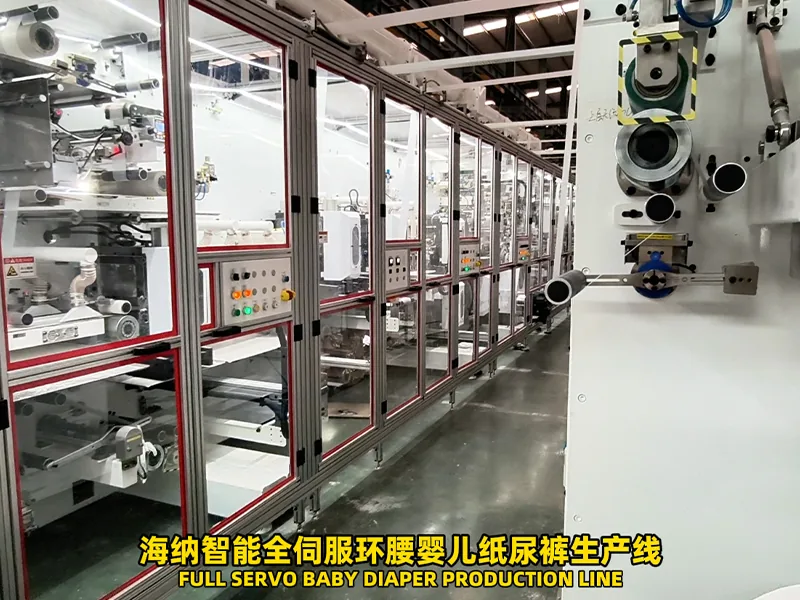
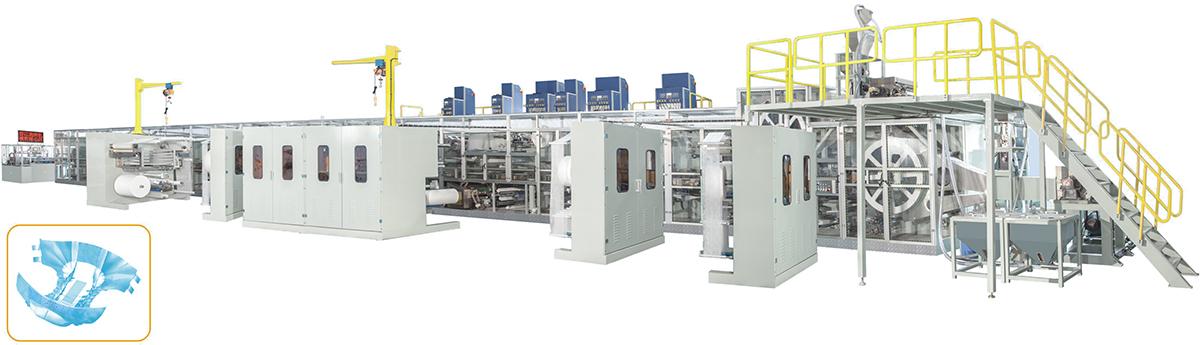
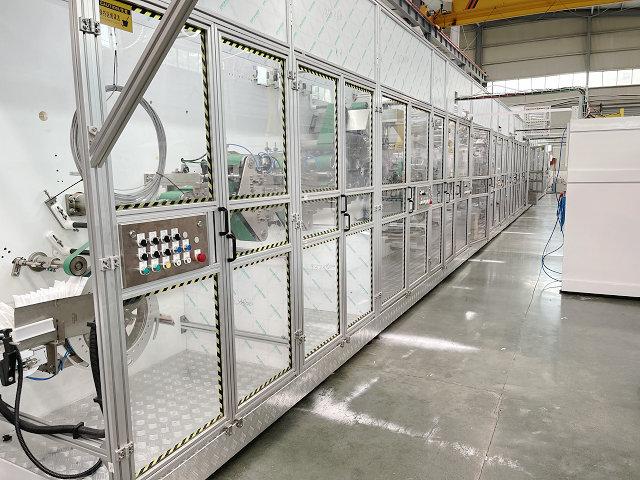
A factory review should connect the visible line with controlled engineering and production records.
Match Legal and Commercial Identities
Compare the company name on its registration, quotation, contract, bank information, export documents, website, and equipment nameplate proposal. Differences can have legitimate explanations, such as a related export company, but they require written clarification. Identify which entity receives payment, owns the design, signs the technical agreement, provides the warranty, and sends service technicians.
Confirm the factory address before arranging travel or a live video audit. Request a dated exterior view, entrance identification, workshop walk-through, and a continuous route from receiving through assembly and testing. A carefully edited promotional video is useful for orientation but cannot replace a buyer-directed inspection. During a remote audit, ask the guide to show a specific machine station, drawing number, component label, or test record in real time.
Commercial verification should also cover quotation validity, payment milestones, scope exclusions, delivery basis, packing responsibility, and change control. Never send funds merely because a messaging account displays the familiar salesperson name. Use the approved company contact path to reconfirm any bank-detail change.
Trace Engineering Evidence to the Quoted Line
Ask for a preliminary layout, process flow, module list, drive list, utility schedule, and material specification. These do not need to expose confidential design dimensions during an early screening, but they should be internally consistent. The line length should correspond to the module sequence. The electrical scope should correspond to the stated automation. The utility schedule should account for adhesive systems, vacuum, compressed air, dust extraction, and downstream packaging where included.
Select three or four important requirements from the quotation and trace each one. For a size change, ask which tooling, recipes, web widths, cutting units, and inspection settings change. For auto packing, ask where counting responsibility ends and bagger responsibility begins. For online inspection, ask what sensor detects, what event triggers rejection, and how rejected products are tracked. Detailed, consistent answers indicate engineering involvement; vague claims suggest that the sales description is ahead of the defined design.
Revision control matters because long projects change. Request the document numbering method, approval status, and process for recording buyer changes. An approved technical agreement should become the baseline for design review and FAT, not disappear after the order.
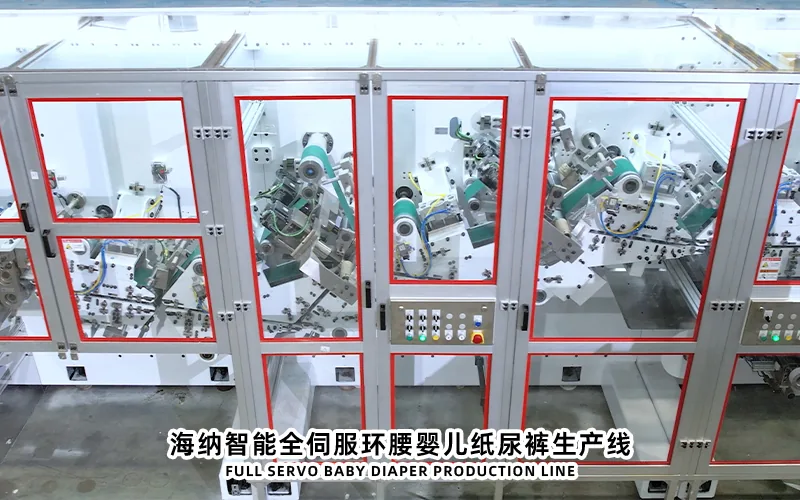
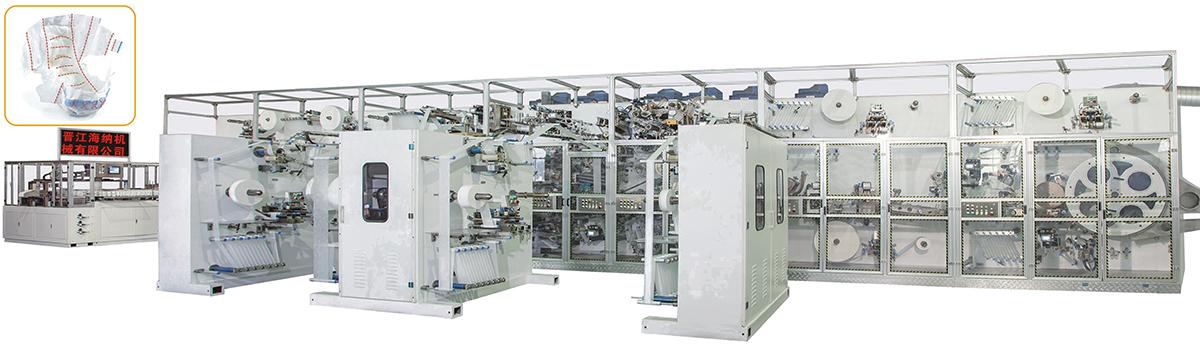
Module sequence, utilities, controls, and purchased components should agree with the quoted scope.
Inspect Machining Assembly and Quality Control
On the production floor, look for work that matches the type of machine being offered. Check frame preparation, roller handling, component storage, electrical cabinet work, assembly identification, guarding, cleanliness, and safe access. The objective is not to count machines. It is to see whether work progresses under recognizable drawings, bills of materials, inspection points, and responsible supervisors.
For critical rotating and cutting parts, ask how dimensions, balance, surface condition, hardness where relevant, and assembly alignment are controlled. Where parts are outsourced, inspect incoming records and nonconformance handling. For electrical assembly, compare device labels with drawings and check wire identification, enclosure organization, grounding provisions, spare terminals, and backup practices. Avoid turning the visit into a visual beauty contest; neat paint cannot prove process capability.
Ask how defects are recorded and closed. A credible factory can explain what happens when an incoming part, assembled station, software function, or test product fails inspection. The answer should identify containment, correction, recheck, and approval, even if the supplier uses a simple system.
Test Technical Ownership Through Questions
Arrange discussions with engineering, assembly, controls, quality, and service personnel instead of relying entirely on a salesperson. Give each team the same practical scenario. For example, ask what they would inspect if a frontal tape position drifts after a roll splice, or if the stack count remains correct but bag transfer becomes unstable. Consistent answers reveal whether departments share one machine definition.
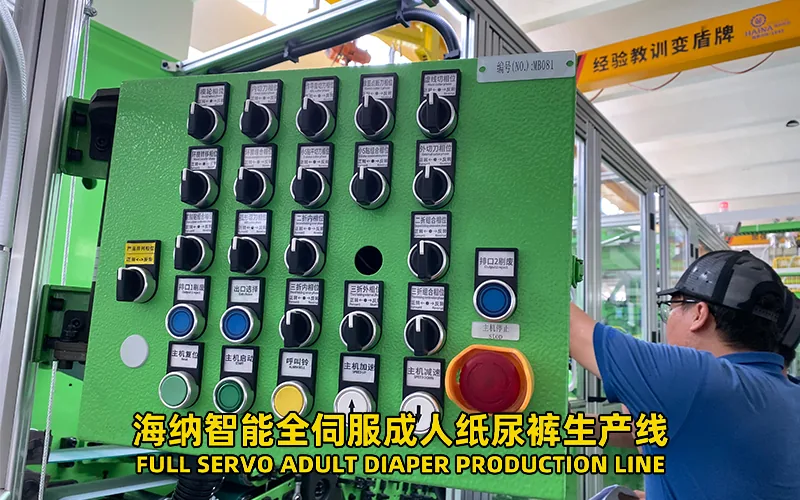
Ask the controls engineer to describe master line reference, recipe permissions, alarm history, program backup, and recovery after component replacement. Ask mechanical engineering about web paths, access to wear parts, adjustment references, and change parts. Ask service staff what information they need before remote diagnosis and how unresolved issues are escalated. Technical depth is demonstrated by a clear diagnostic sequence, not by promising that failures never occur.
Audit note: Record evidence references rather than impressions. A photo number, drawing revision, component label, demonstration result, and responsible person's role are easier to compare later than comments such as "factory looks good."
Review Live Projects Without Exposing Customer Data
A factory may reasonably protect customer names and product details. Buyers can still request non-confidential evidence: an anonymized project schedule, machine identification system, approved module list, FAT checklist format, packing list structure, training outline, or a live line at an agreed stage. The supplier should explain what the evidence proves and what it does not.
Inspect projects at different stages if available. An early assembly shows drawing and component control. A nearly complete line shows wiring, guarding, access, and workmanship. A running line shows material handling, alarms, rejects, product transfer, and operator interaction. No single stage proves complete capability, so combine observations.
When discussing HAINA or another shortlisted manufacturer, use the same evidence request and scoring standard. A comparison is meaningful only when every supplier responds to the same product brief, material set, automation boundary, test duration, and document list.
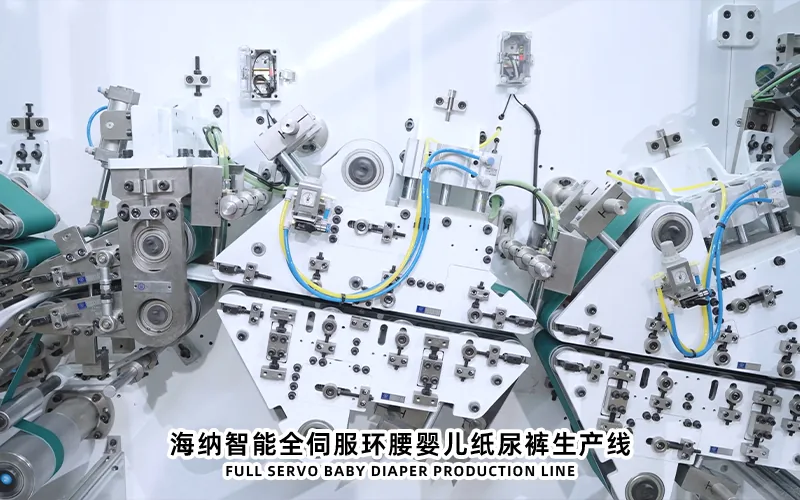
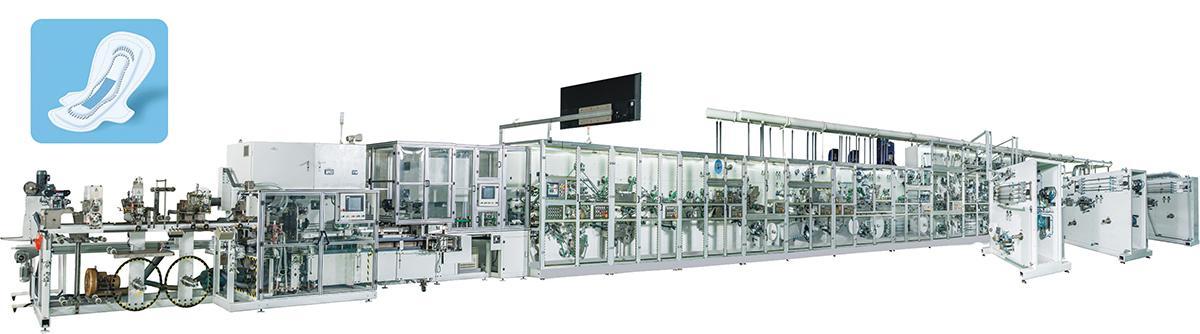
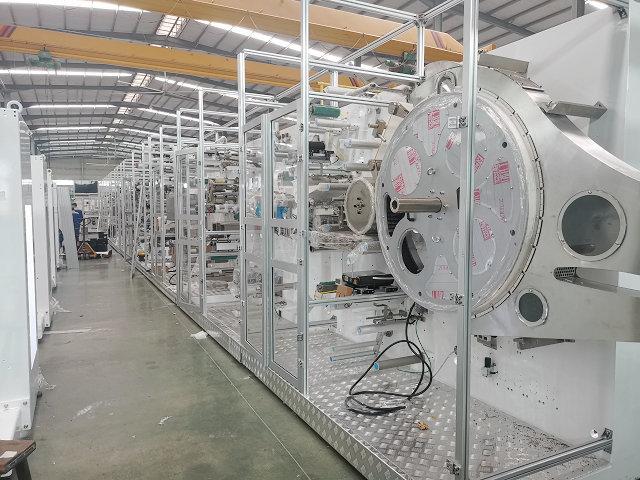
Projects at different build stages reveal planning, assembly, wiring, and testing controls.
Score Factory Evidence Before Shortlisting
Evidence area
Acceptable proof
Warning sign
Buyer action
Legal identity
Consistent registered, contracting, payment, and warranty roles
Unexplained entity or bank changes
Obtain written relationship and payment confirmation
Engineering control
Coherent drawings, module lists, revisions, and responsible engineers
Generic documents unrelated to the quote
Trace selected requirements to technical records
Production control
Identified work, inspection records, and controlled outsourcing
No link between parts and project records
Follow one component from drawing to assembly
Testing capability
Agreed materials, measurements, events, defects, and reports
Only a short unloaded demonstration
Write FAT conditions before order release
Service ownership
Named response path, documents, spares, and escalation
Support described only as "online service"
Define deliverables, time zones, and buyer duties
Weight the areas according to project risk. A buyer with limited local maintenance may place more weight on diagnostics and service. A plant with many product sizes may emphasize changeover evidence. A first factory may give greater weight to layout and training. Keep price outside the factory-capability score initially, then compare commercial value among suppliers that pass the technical threshold.
Secure FAT Documents and Support Responsibilities
The sourcing decision should end with contractual evidence. Attach the approved product matrix, material list, module boundary, utility assumptions, document schedule, training scope, spare parts, FAT procedure, acceptance records, packing method, installation duties, and issue-closure process. Define which party supplies trial materials and how substitutions are approved.
For a relevant product reference, review the scope of the automatic baby diaper manufacturing machine against the buyer's own requirements rather than treating a website configuration as the final contract. HAINA can be asked to identify project-specific modules, materials, tests, and responsibilities during technical review. The same discipline should be applied to every shortlisted supplier.
Before shipment, require an indexed handover package. It may include approved drawings, manuals, electrical records, program backups, parameter lists, recipes, spare lists, certificates for purchased components where agreed, FAT results, open-item status, and packing records. The exact content belongs in the contract so neither side relies on memory.
Supplier continuity also deserves verification. Ask which engineering and service records remain available if the original salesperson, programmer, or commissioning technician changes role. Confirm that project files belong to a controlled company system, not only to personal computers or messaging accounts. Review the escalation route for a problem that crosses mechanical, electrical, material, and packaging boundaries. This evidence helps distinguish an organization that can support the equipment lifecycle from a project that depends on one familiar contact.
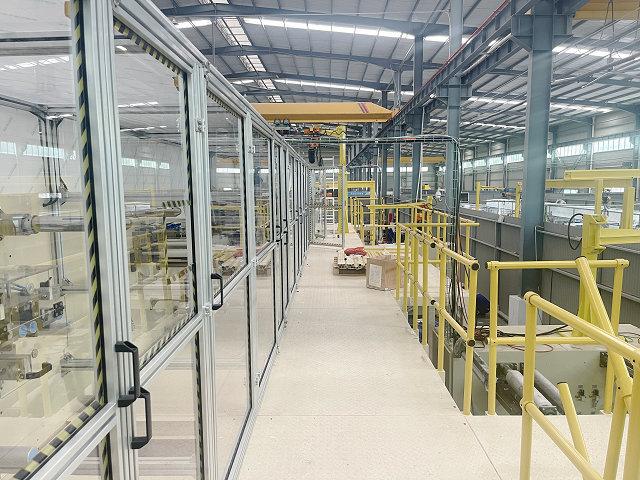
The final sourcing proof is a controlled test tied to the approved technical agreement.
Factory Sourcing FAQ
Does owning machining equipment prove that a supplier is a real diaper machine factory?
No. Machining capability is one evidence point. Buyers must also verify process design, drawing control, assembly, software, integrated testing, documentation, and support responsibility.
Can a legitimate factory outsource important parts?
Yes. The factory should define the part, approve the supplier, inspect incoming work, control revisions, and remain responsible for performance in the complete machine.
What is the best remote verification when travel is not possible?
Use a buyer-directed live tour, real-time document and component checks, interviews with several technical roles, and a witnessed FAT. Edited videos alone are insufficient.
When should the FAT procedure be agreed?
Agree its products, materials, test events, measurements, duration, defect rules, records, and responsibilities before the commercial order is finalized.
Conclusion
A diaper machine China sourcing decision is strongest when every claim leaves a trace from the contracting entity to engineering, production, testing, and service. Build a common evidence request, inspect the physical and documentary controls, interview the people who own key functions, and convert accepted statements into the technical agreement. Price comparison should begin only after each candidate has passed the same factory and project evidence threshold.