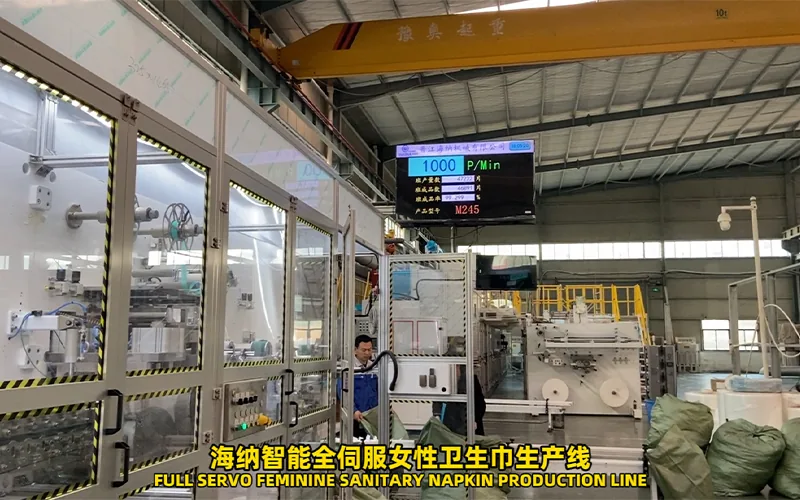
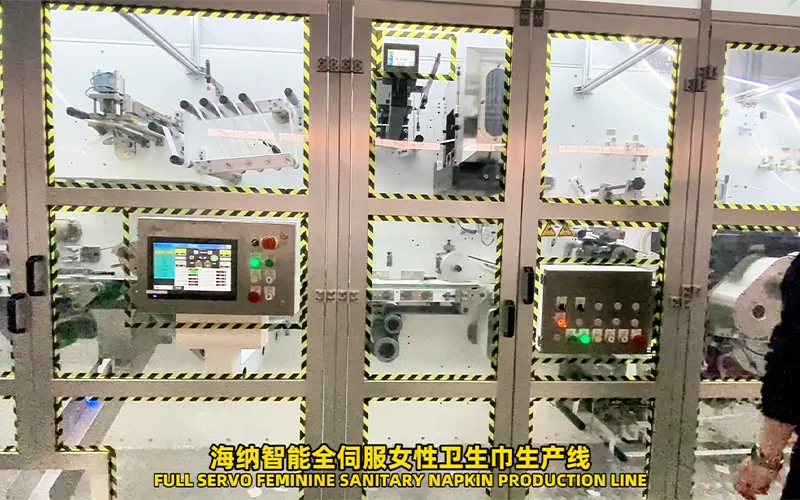
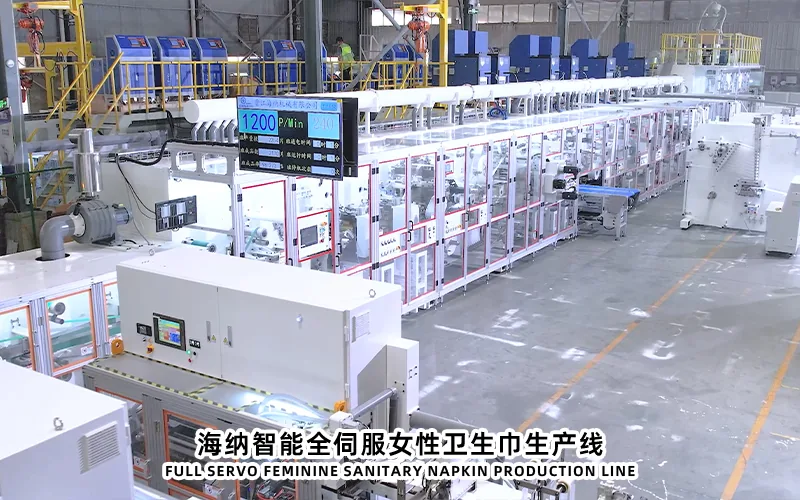
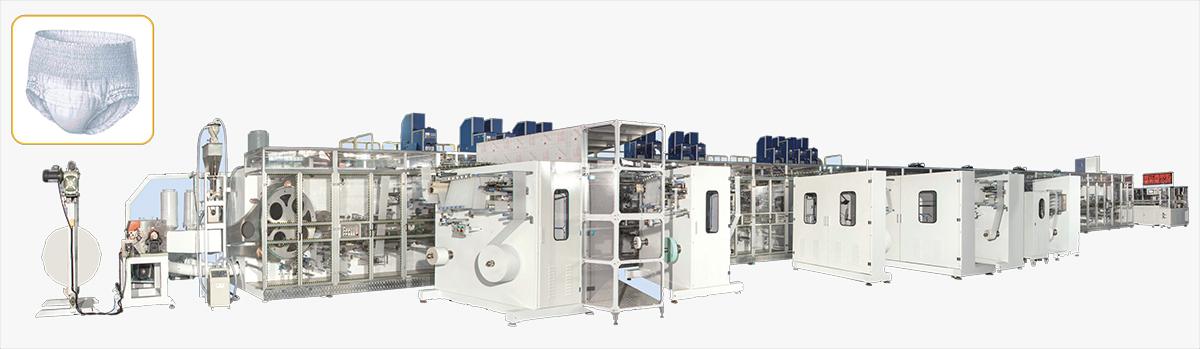
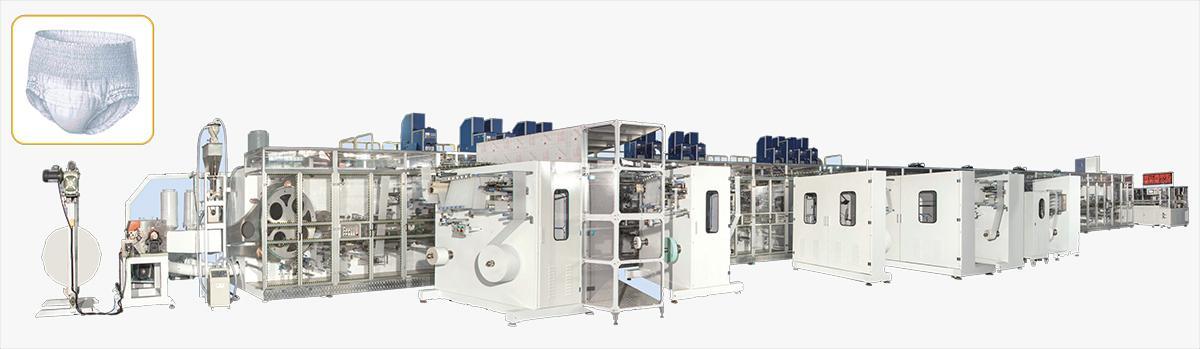
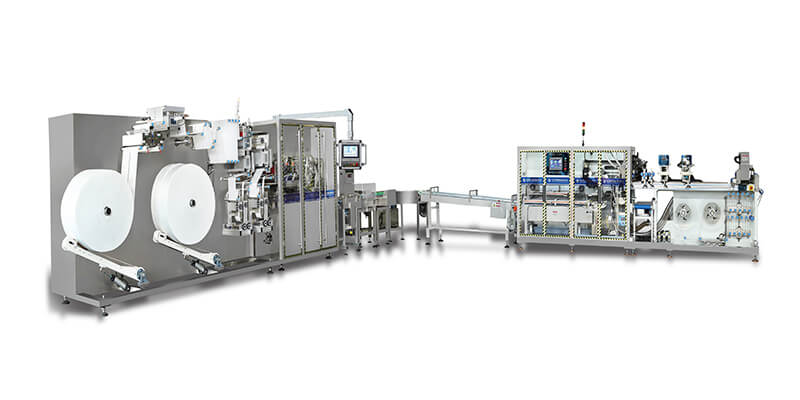
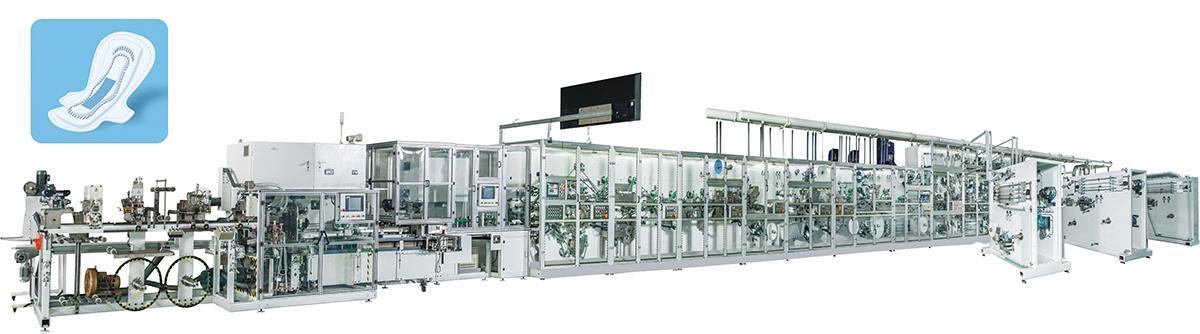
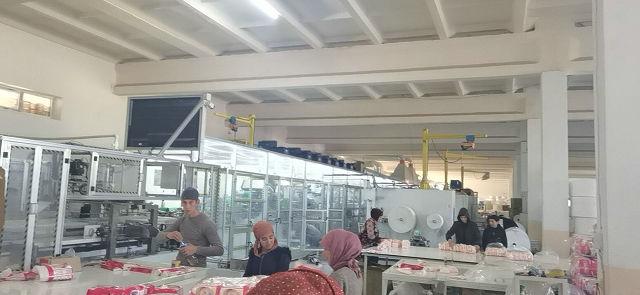
Compare sanitary pad machines by separating design speed from demonstrated stable output. Design speed describes a machine capability under stated design conditions; stable output describes accepted products sustained during a defined trial with agreed materials, format, packaging scope, quality limits, and recorded stops. Buyers should also distinguish HMI operating speed, gross product count, good-product output, and final packed output. Request the assumptions behind every value, define a common test window, reconcile counters and rejects, and review changeovers and planned events. A lower headline speed with stronger verified stability can support more predictable production than an unqualified maximum figure.
Define Five Different Performance Terms
Design speed is a reference used for machine design and maximum motion capability under defined conditions. It may be relevant to component selection and control range, but it is not automatically the speed a buyer will use for every product. Ask what product, material, process, and downstream assumptions support the stated value.
Operating speed is the instantaneous or selected speed shown while the line runs. Demonstrated stable working speed is a condition maintained during an agreed test while quality and events are recorded. Gross output is the number crossing a defined counter. Good-product output removes rejects and other non-saleable products. Packed output adds the limits and losses of wrapping, stacking, bagging, coding, case handling, and quality release.
Use these terms consistently in quotation comparison, FAT, commissioning, and production reports. If a supplier says capacity, ask which term is meant and at what boundary. A large numerical difference can result from measurement language rather than actual machine design. Write units and time base next to every value.
Also identify who owns the measurement. Machine controls may provide speed and counters, quality confirms accepted products, packaging confirms good packs, and production records time and events. Reconcile these sources at the end of the test. Unexplained differences should remain open rather than being adjusted to match a preferred result.
Performance comparisons require a defined speed term and a common measurement boundary.
Normalize Product Material and Pack Conditions
Machine performance can vary by pad length, width, core construction, material behavior, individual wrapper, fold, and final pack. Request a product matrix showing which condition supports each quoted result. A short simple pad and a long bulky night pad may create different web, cutting, folding, and packaging loads. Do not compare one supplier's easiest format with another supplier's launch-critical format.
Material specifications matter because roll quality, web strength, friction, stretch, dust, thickness, surface, and winding affect tension, splicing, bonding, cutting, registration, and breaks. Define representative material batches for trials. If the supplier must use a substitute, record the difference and limit the conclusion. Future material changes should follow a controlled compatibility test.
Clarify the endpoint. A line discharging individual wrapped pads is not directly comparable with a connected system delivering sealed retail bags. List included inspection, reject, counting, stacking, bagging, coding, and discharge functions. If downstream equipment is not included, establish a clear accepted main-line interface while evaluating packaging capacity separately.
Convert Machine Speed into Accepted Output
Begin with the measured run window. Record elapsed scheduled time, running time under the agreed definition, gross counter, rejected products, quality samples, manually removed products, startup or setup products if inside the boundary, and accepted output. Reconcile these values instead of estimating output only from displayed speed multiplied by time.
For planning, separate theoretical available time from real scheduled work. Product changes, cleaning, preventive checks, roll and adhesive replenishment, quality sampling, breaks, and packaging supply may be planned events. Equipment, material, process, and downstream faults are unplanned losses. The plant can model future output only after making these assumptions visible.
Do not publish or contract an unsupported efficiency percentage. Use the buyer's planned calendar, product mix, event frequency, and verified trial data. Scenario calculations can show how output changes when the stable speed, accepted rate, changeover time, or packaging capacity changes, but label each input as measured, quoted, or assumed.
Accepted output is reconciled from counters, rejects, samples, removals, and time records.
Record Stops Adjustments and Exclusions
A stable-run claim is only as useful as its event log. Record each stop, slowdown, alarm, splice, web break, jam, quality adjustment, material intervention, sample, bag change, and downstream interruption with start, end, zone, cause, action, and product disposition. Preserve automatic event history and supplement it with operator context.
Agree exclusions before testing. Supplier setup time may occur before the formal window, but once the window begins, restarting the clock after every fault hides performance. If the buyer causes an interruption or approved material is unavailable, record it and apply the agreed classification. Disputed events should remain visible with both parties' comments.
Count manual adjustment. A line that stays in motion while an engineer continually corrects registration or folds is not demonstrating normal unattended stability. Define permitted operator tasks and settings that may be changed. Record the role and reason. The same standard should be used for each supplier during comparison.
Test Performance Through Operating Events
A production line rarely remains at one speed with full rolls indefinitely. Verify startup, ramp, normal speed change, low-roll condition, automatic or manual splice as supplied, planned stop, restart, sample removal, reject, and downstream stop. Each event can disturb tension, registration, product tracking, cutting, folding, and packaging.
Inspect products after transitions. Define how many products are automatically or manually removed and when normal acceptance resumes. Track the first defective and first accepted sample. A system with controlled short recovery may deliver better output than one that runs at a higher peak but creates a long uncertain restart window.
Include an agreed product change when format flexibility is commercially important. Record last accepted old product, line clearance, tooling, materials, recipe, first motion, first accepted new product, ramp, and first accepted pack. Capacity planning should account for the frequency and direction of actual changes, not one ideal campaign.
Operating events reveal recovery losses that a steady peak demonstration cannot show.
Check the Downstream Capacity Limit
Compare every downstream stage at its own accepted boundary. Individual wrapping, counting, stacking, automatic bagging, coding, inspection, case packing, and pallet removal can limit final output. Convert pack formats carefully because different counts create different cycle needs. Include replenishment and change events.
Define accumulation and stop response. A buffer may absorb short interruptions, but it has finite capacity and product-mix controls. When the bagger stops, the main line may slow, stop, divert, or reject according to the agreed sequence. Repeated upstream stops can create additional material waste and quality checks, so the packaging loss propagates.
Use representative bags and finished products during connected FAT when packaging is supplied. Test stack count, orientation, bag opening, compression, sealing, coding, rejection, and recovery. The quoted maximum bagger cycle should not be treated as accepted pack output without these conditions.
Compare the Quality of Supplier Evidence
Strong evidence identifies the machine configuration, product, materials, line boundary, test duration, speed profile, events, accepted samples, rejects, counters, and witnesses. Weaker evidence uses an unlabeled maximum, a brief demonstration, a different product, or an unspecified downstream condition. Score evidence quality separately from the numerical value.
Ask suppliers to propose an FAT protocol during quotation. Review whether the line can be tested with buyer materials, whether inspection and packaging are included, and how open points are handled. Buyers assessing HAINA's sanitary pad machine should connect speed discussions to a written product and acceptance matrix, just as they should with every candidate supplier.
After installation, create a site baseline rather than assuming FAT data will transfer unchanged. Utilities, environment, local materials, operator skill, maintenance, and downstream logistics influence normal operating speed. Commissioning should establish approved recipes and a stable window; routine reports should then use the same definitions for ongoing improvement.
Test sensitivity: change stable speed, product mix, format frequency, reject condition, and packaging capacity one at a time.
Mark evidence status: label every input as contract value, FAT result, site measurement, or planning assumption.
Speed and Output FAQ
Is the fastest sanitary pad machine always the most productive?
No. Productivity depends on stable accepted output, product mix, changes, material handling, quality, maintenance, packaging, and plant scheduling, not one maximum speed.
How long should a stable output test run?
The duration should be agreed for the project and long enough to expose normal control behavior and relevant events. There is no universal duration for every configuration.
Should rejected products be included in output?
They may appear in gross count, but saleable output should exclude rejected, sampled, setup, and otherwise nonaccepted products according to the defined boundary.
Can FAT output predict daily factory output?
It provides one verified input. Daily output also depends on shifts, products, changes, replenishment, cleaning, maintenance, utilities, staffing, quality release, packaging, and logistics.
Conclusion
Design speed and stable output answer different questions. Buyers should define each term, normalize product and material conditions, reconcile accepted output, retain all events, test operating transitions, and include downstream packaging. Compare the quality of evidence as carefully as the numerical value. This produces a defensible equipment decision and gives the future plant a realistic baseline for capacity planning, commissioning, and improvement.