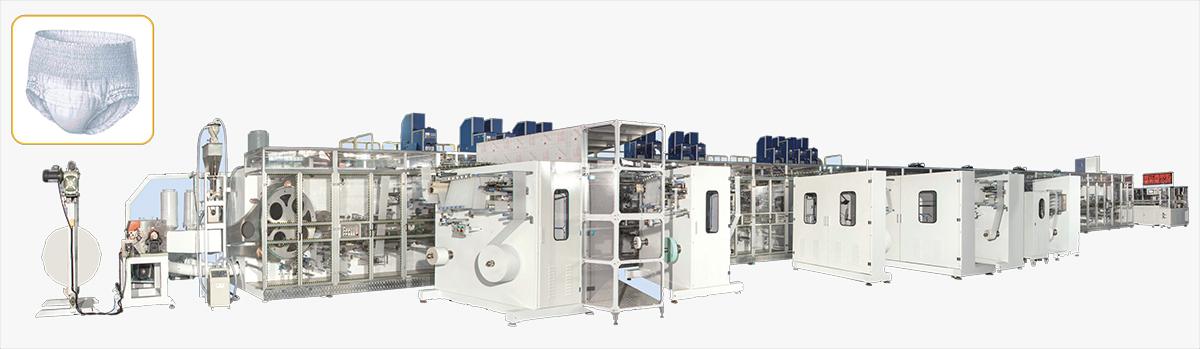
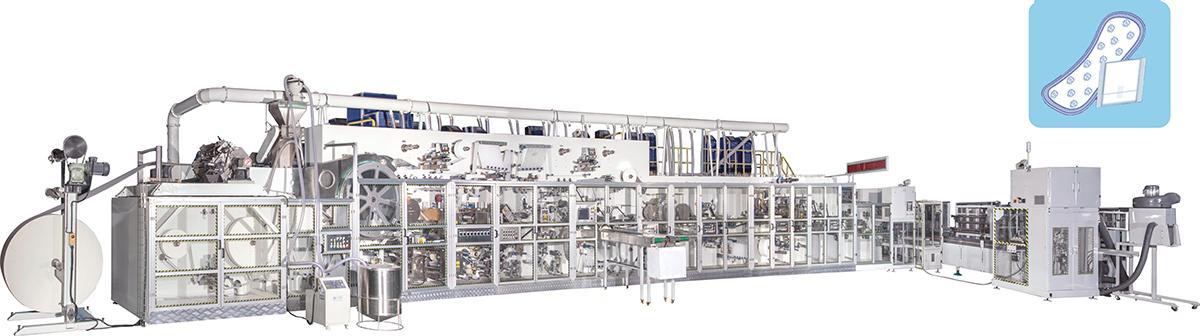
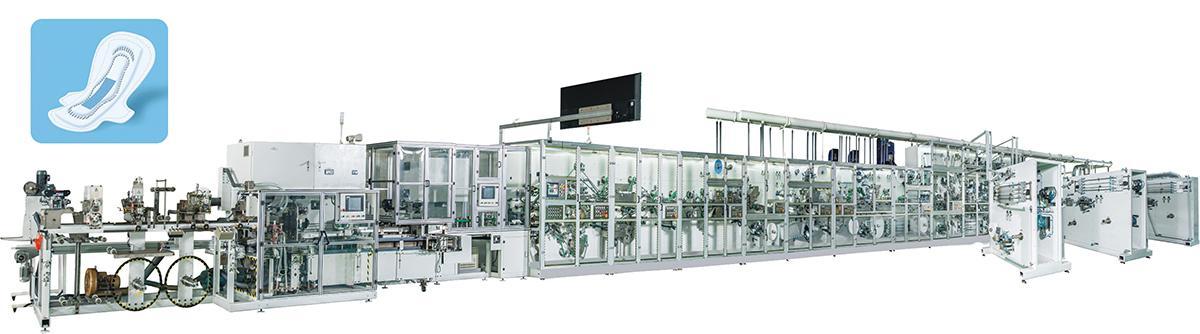
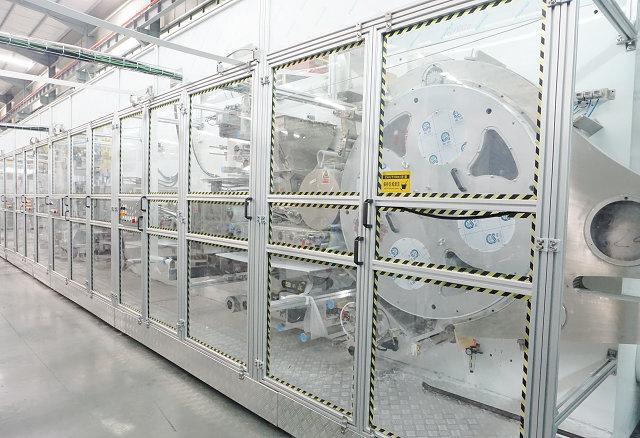
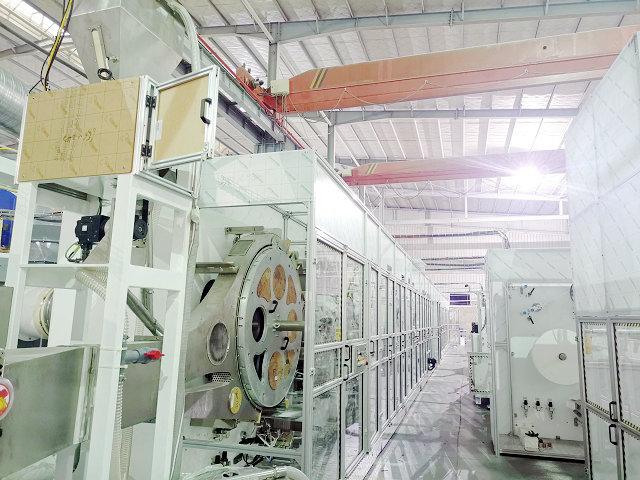
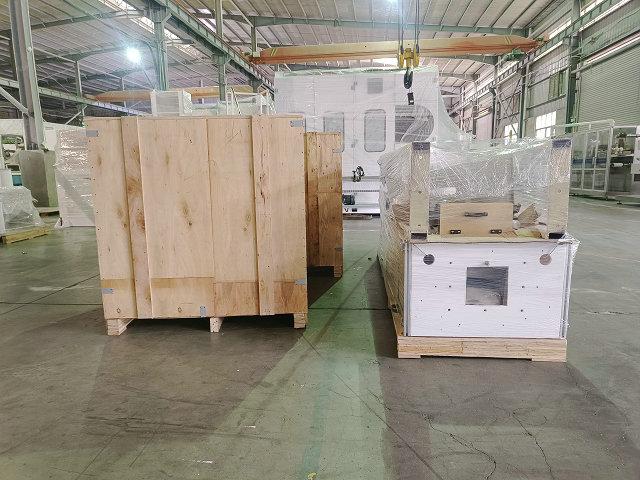
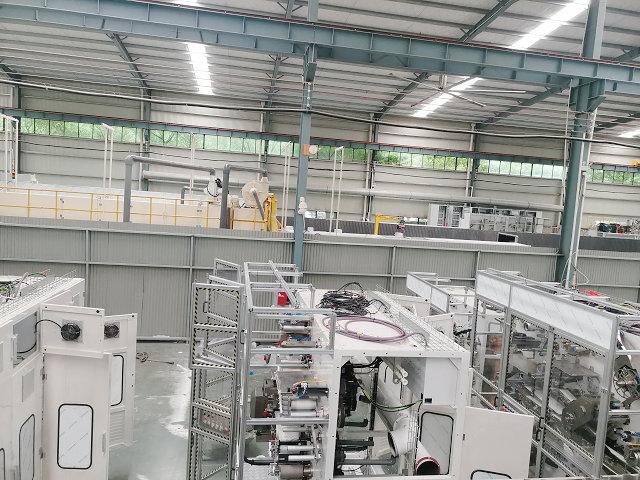
A new feminine hygiene plant should select a sanitary pad machine only after defining its product range, material recipes, packaging boundary, utility conditions, staffing plan, and acceptance method. The useful question is not which line has the longest feature list, but which configuration can make the planned pads with controlled quality and practical changeovers. Buyers should compare machine scope, material handling, process control, inspection, maintenance access, documents, training, and factory acceptance testing on the same written basis. This checklist turns those requirements into evidence that a project team can verify before ordering and again before shipment.
Freeze the Product and Pack Plan
Machine selection begins with a controlled product matrix. List every planned day pad, night pad, winged pad, wingless pad, pantyliner, and other format that is genuinely part of the launch. For each item, record finished length and width, folded form, absorbent construction, topsheet type, backsheet type, release-paper arrangement, individual wrapping method, and intended downstream pack. Separate launch products from possible future products. Otherwise, a machine may be burdened with options that add adjustment work without supporting an approved commercial plan.
Give each candidate supplier the same product drawings and sample definitions. A physical sample is useful, but it should not replace a drawing that identifies functional dimensions and acceptable variation. Mark dimensions that affect tooling, pitch, folding, sealing, release-paper placement, or registration. Ask the supplier to classify each format as standard, optional, requiring change parts, requiring a different process unit, or subject to a material trial. The response should become part of the technical proposal.
Packaging is part of the production decision. Define whether finished pads leave the main line individually wrapped, folded only, counted in stacks, transferred manually, or connected to automatic bagging. Record the expected orientation and transfer height at the interface. A converting machine can operate well while the complete factory loses output through an unclear discharge arrangement. Procurement, production, quality, maintenance, and packaging personnel should approve the same boundary before quotations are compared.
A line review should begin with the required pad formats and the complete process boundary.
Map Every Material Recipe
A sanitary pad is a coordinated web structure, so a material list must describe more than generic names. Record roll width, basis weight or thickness where relevant, roll diameter, core size, winding direction, splice condition, surface treatment, elasticity, and any handling limitation supplied by the material vendor. Include topsheet, acquisition or distribution layers, absorbent materials, tissue or airlaid, backsheet film, adhesive, release paper, individual wrapper, and any elastic or specialty component used by the design.
Ask how each web is unwound, tensioned, guided, spliced, registered, cut, bonded, and monitored. Lightweight film may respond differently from bulky nonwoven. Soft surfaces can mark or stretch when traction is excessive. A supplier should explain the control principle and the adjustment range without assuming that one setting suits every approved recipe. Material substitutions should be treated as changes requiring a controlled trial, not as equivalent rolls because their commercial descriptions appear similar.
Use representative production materials during trials. A low-cost substitute can hide dust, tension, bonding, absorbent-core, or cutting behavior that will appear after installation. Send sufficient material for threading, parameter setting, continuous running, sampling, and restart checks. Label each roll and retain its technical data. The resulting settings should be linked to the exact recipe so the plant receives a usable starting point rather than an unexplained demonstration.
Set the Automation Boundary
Automation should remove a defined bottleneck or quality risk. Identify every routine operator action: loading rolls, joining webs, refilling adhesive, threading, clearing rejects, changing tooling, collecting samples, replenishing wrapper material, feeding bags, packing, and recording stoppages. Then decide which actions need automatic functions, which can remain planned manual work, and which require safe assisted handling.
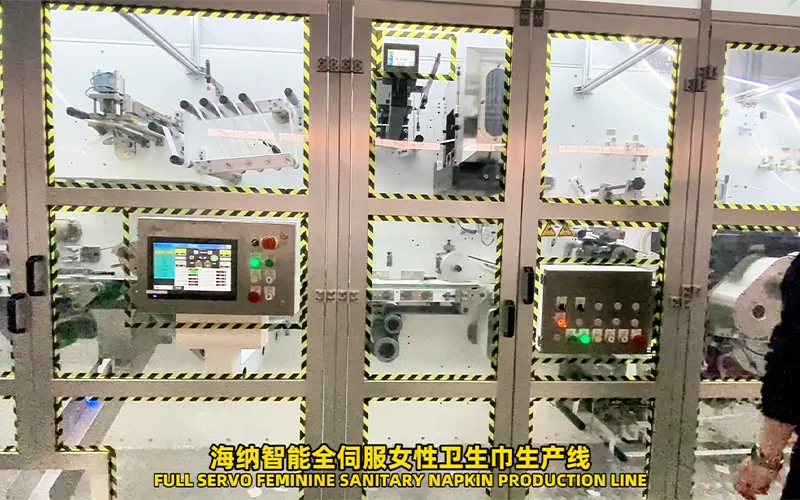
Automatic splicing can reduce stops caused by roll changes, but it requires compatible roll preparation, web storage, splice detection, and operator discipline. Servo control can improve synchronization and recipe handling, but buyers still need clear parameter ownership and recovery procedures. Online inspection can identify selected defects, yet its camera position, reject logic, detection limits, verification samples, and response to a failed sensor must be defined. An auto bagger may reduce downstream handling only when count, stack, transfer, bag specification, and fault communication are integrated.
Specify modes for setup, threading, jog, production, planned stop, emergency stop, and restart. Determine which settings are stored in recipes and which adjustments remain mechanical. The staffing estimate should include line operation, material preparation, quality sampling, packing, maintenance response, and internal logistics. It should not be based only on the number of people standing beside a machine during a supplier demonstration.
Automation has value when its complete operating sequence and staffing boundary are defined.
Compare the Process Stations
Compare offers station by station. Start at material loading and continue through core formation or placement, web combination, adhesive application, embossing or sealing, contour cutting, wing processing, release-paper application, folding, individual wrapping, rejection, counting, and discharge. For every station, connect the hardware to a product requirement, adjustment method, inspection point, cleaning task, wear part, and acceptance check.
Decision area
Evidence to request
Risk if unclear
Selection action
Product range
Controlled drawings and format-by-format scope
Unsupported sizes or unexpected change parts
Approve a signed compatibility matrix
Material handling
Roll data and unwind, splice, tension, and guiding method
Wrinkles, stretch, drift, or frequent stops
Run representative materials
Bonding and cutting
Process description, adjustment access, wear plan, and samples
Weak seals, contamination, or dimensional variation
Define sample and inspection criteria
Inspection and reject
Defect list, detection limits, reject tracking, and challenge test
False acceptance or excessive rejection
Witness seeded-defect checks
Packaging interface
Transfer drawing, count logic, stop response, and responsibility list
Main-line output blocked downstream
Test the connected sequence
Changeover
Change-part list, recipe list, tools, sequence, and verification sample
Long startup or mixed settings
Observe a complete format change
Component brands can help maintenance planning, but they do not replace a functional review. Two proposals may name similar drives, controls, bearings, and sensors while using different process layouts or software logic. Ask how registration errors are corrected, how a broken web is recovered, how rejects are confirmed, and how the machine protects approved settings. The answers reveal more than a component list alone.
Plan Space Utilities and Staffing
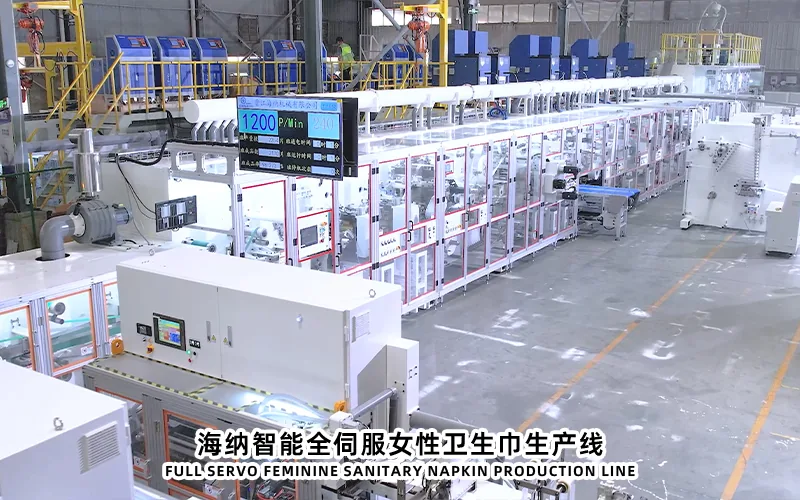
A new plant should review the complete working envelope rather than the frame footprint. Overlay the machine, roll-loading zones, guard and door movement, control cabinets, adhesive service, dust extraction, maintenance removal paths, packaging, quality sampling, waste handling, and material staging on a scaled building plan. Check columns, floor conditions, ceiling height, doors, fire routes, forklift paths, personnel routes, lighting, and future expansion interfaces.
Request utility requirements by zone and operating condition. Electrical supply, compressed air, vacuum, extraction, cooling, ventilation, adhesive heating, and network connections may have different quality and peak-demand needs. Identify supplier and buyer connection points on the approved layout. Include safe isolation, access to filters and panels, cable and duct routing, and capacity for any approved downstream option.
Separate incoming rolls, prepared materials, waste, finished goods, forklifts, and people.
Reserve safe space for threading, cleaning, inspection, lubrication, and component removal.
Locate quality sampling and quarantine areas without blocking the operating aisle.
Verify utility capacity, quality, connection location, isolation, and commissioning responsibility.
Define operators, material handlers, packers, quality staff, and maintenance coverage by shift.
Layout decisions influence staffing. Long walking routes, remote material preparation, inconvenient waste removal, or poor visibility can add labor even when the machine itself is highly automated. Simulate a roll change, quality sample, adhesive refill, reject removal, and packaging stop on the drawing. This exposes practical work that a simple headcount estimate misses.
Operating, logistics, utility, and maintenance zones should be coordinated before civil work.
Build Measurable Acceptance Gates
Define acceptance before the purchase order. The factory acceptance test should state the exact product, approved materials, line scope, operating condition, test duration, sampling frequency, quality checks, stop classification, waste boundary, permitted adjustments, changeover exercise, inspection challenge, packaging response, and document review. Distinguish design speed from the stable operating condition demonstrated with the agreed product and materials.
Use staged gates. First verify mechanical completion, guarding, utilities, labels, lubrication, software versions, recipes, and dry functions. Next run at controlled conditions to establish the process. Then perform the agreed continuous trial and collect samples across time. Finally, test planned stops, emergency response, web breaks, reject tracking, restart, and one representative changeover. Record all interventions rather than reporting only beginning and ending speed.
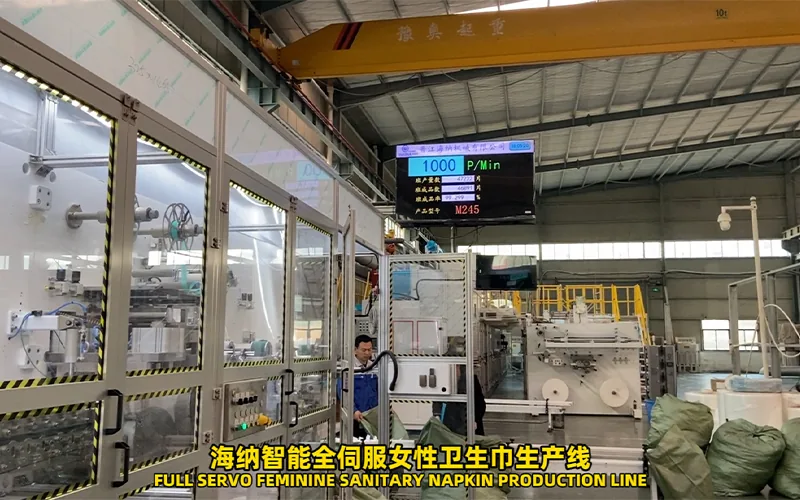
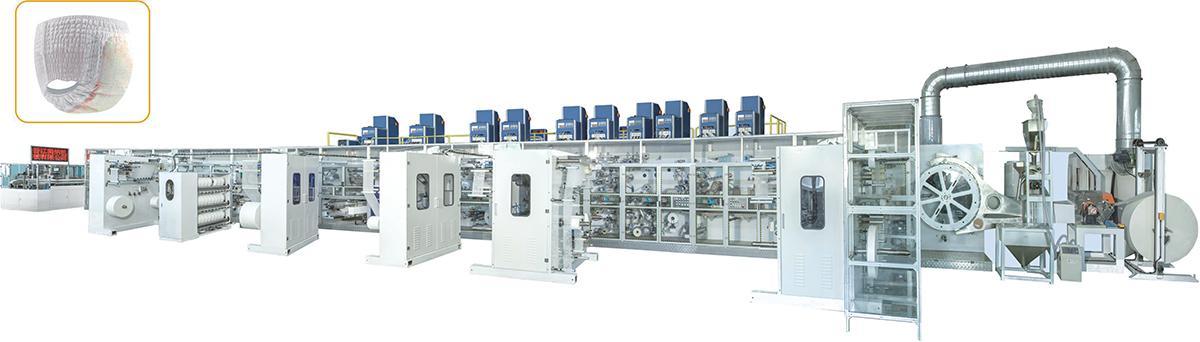
Buyers reviewing HAINA's automatic sanitary napkin machine configuration should connect every selected module to their product matrix and acceptance sheet. The same disciplined comparison should be used for every supplier: an option is complete only when its scope, interface, test method, documentation, and responsibility are written.
A useful FAT verifies the agreed product, materials, functions, samples, stops, and handover records.
Verify the Supplier Handover
The final selection should account for what happens after the trial. Request an approved layout, foundation and utility drawings where applicable, machine scope, electrical documentation, pneumatic documentation, bills of materials, wear- and spare-parts lists, lubrication plan, maintenance schedule, operating manual, software backup procedure, parameter backup, safety information, and acceptance records. Define document language, format, revision, and delivery milestone.
Training should cover routine production and abnormal conditions. Operators need threading, recipe selection, setup confirmation, inspection, material changes, cleaning, stop response, and restart. Maintenance personnel need isolation, diagnostics, adjustment, replacement, calibration where relevant, backup restoration, and preventive work. Ask who provides training, where it occurs, what materials are used, and how competence is confirmed.
Clarify installation, commissioning, remote support, on-site support, warranty boundary, response channel, spare-parts identification, and software access. Avoid broad phrases such as complete support unless the proposal explains response ownership and exclusions. A supplier that identifies limitations early gives the project team better information than one that leaves every difficult interface for commissioning.
Selection Checklist FAQ
Should a new factory buy the highest available machine speed?
No. Select capacity from the saleable product plan, shifts, changeovers, planned stops, packaging limit, material logistics, and demonstrated stable output. Design speed alone does not define plant capacity.
How many product samples should be sent to a supplier?
Send controlled samples and drawings for every launch format that changes tooling, pitch, folding, sealing, material structure, or packaging. Future concepts can be listed separately for feasibility review.
Which machine options should be decided before ordering?
Decide options that affect frame design, process route, controls, utilities, layout, or packaging interface before contract freeze. Minor accessories can be handled later only when their interfaces are already protected.
What is the most useful quotation attachment?
A format-by-format scope and responsibility matrix is especially useful because it connects products, modules, change parts, tests, documents, and exclusions in one controlled reference.
Conclusion
A sanitary pad machine for a new feminine hygiene plant should be selected through evidence, not a general feature comparison. Freeze the launch products, map real materials, define the automation and packaging boundary, review every process station, coordinate the factory, and write acceptance gates before ordering. The strongest final proposal is the one whose machine scope, buyer responsibilities, trial method, documents, training, and lifecycle support can all be checked against the same product plan.