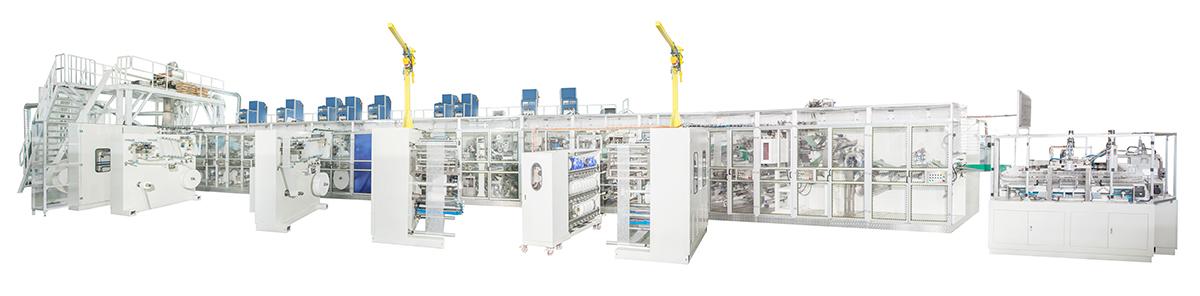
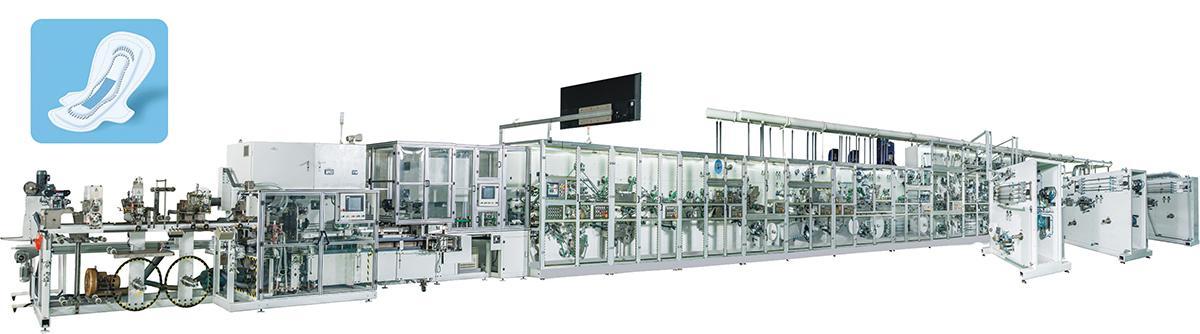
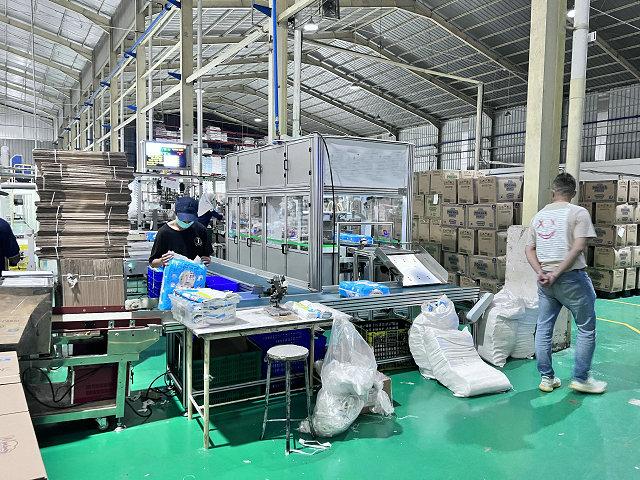
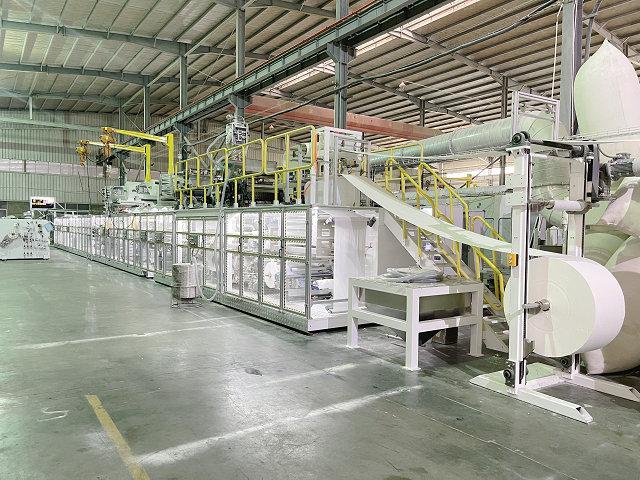
An adult diaper manufacturing machine FAT should prove repeatable production, not a short peak-speed display. The buyer and supplier should agree on the product sizes, approved raw materials, test duration, sampling plan, defect limits, changeover scenario, stop-recording method, and document handover before the trial starts. During FAT, record stable sellable output, waste, alarms, rejects, web control, adhesive performance, core formation, fastening placement, and recovery after planned disturbances. Accept the line only when the evidence matches the written contract and open deviations have owners, deadlines, and shipment conditions.
Define the FAT Boundary Before the Test
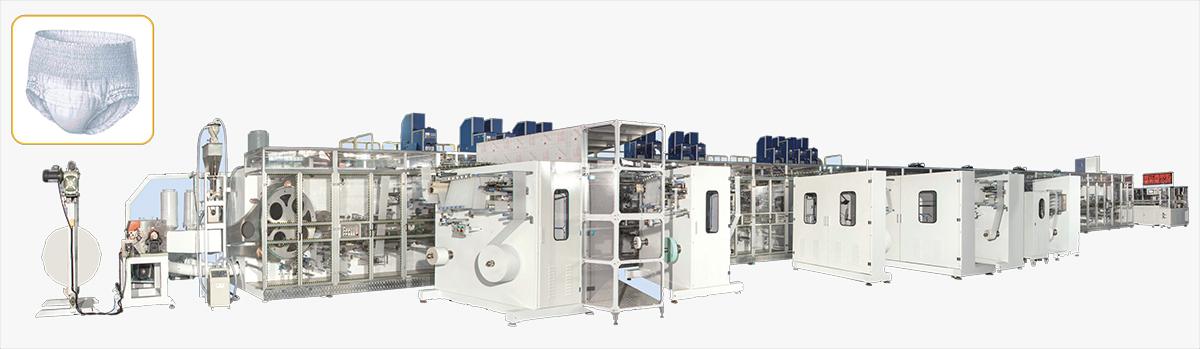
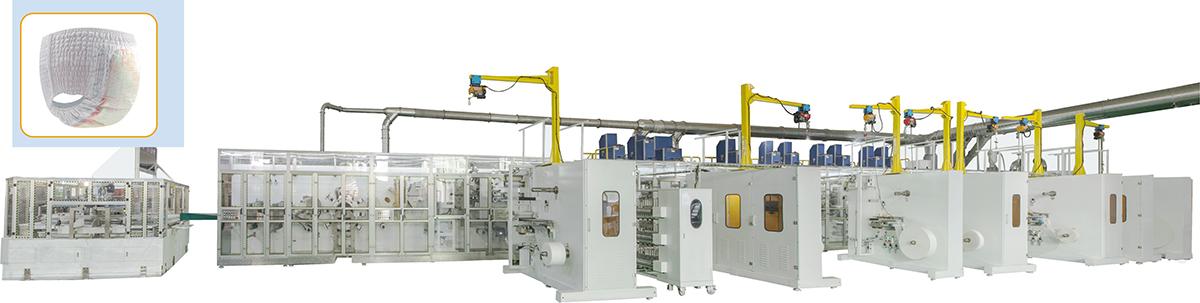
Factory acceptance testing starts with scope control. The purchase contract, approved technical agreement, product drawings, material specifications, layout, utility list, change records, and packing interface should all identify the machine being tested. If the converting line, stacker, bagger, air system, dust extraction, or adhesive equipment is excluded, the FAT report must say so. Otherwise, a passing result can hide an untested interface that later limits output at the buyer's factory.
Turn general claims into observable conditions. A phrase such as high speed is incomplete unless it names the product, material set, test duration, acceptable quality, downstream condition, and calculation method. Full servo is also not an acceptance result by itself. The protocol should identify which sections are servo controlled, which axes follow recipes, what requires mechanical adjustment, and how synchronization is checked after a stop or size change.
Assign roles before the test. One person should control the approved protocol, one should record stops and interventions, quality staff should sample finished products, and engineering staff should verify machine functions and documents. The supplier should identify who can authorize adjustments. This separation keeps test records useful when the run becomes busy.
FAT should examine the complete agreed production boundary and its interfaces.
Freeze Products Materials and Measurement Methods
The test product must represent the purchase requirement. Identify the adult diaper size, finished dimensions, absorbent core design, pulp and SAP approach, topsheet, acquisition layer, backsheet, standing cuffs, leg elastic, waist elastic, frontal tape, side tapes, adhesive, folding method, and package transfer condition. Use controlled drawings and retained samples so that both teams judge the same construction.
Material details matter because web behavior changes with basis weight, stretch, friction, thickness, roll build, splice quality, and storage condition. Record each trial roll and lot. Confirm roll width, diameter, core, winding direction, joint method, and any preconditioning requirement. If substitute material is used during FAT, document the difference and state what must be repeated with production material.
Measurement methods should be agreed before results are visible. Define how core mass, SAP distribution, dimensions, elastic position, tape position, bond condition, product weight, appearance, and leakage-related construction checks will be sampled. List instruments, sample frequency, rounding rules, and responsibility. A result cannot be compared fairly if the buyer and supplier use different points, equipment, or definitions.
Material and sample release checklist
Approved product drawing and golden sample are available at the line.
Trial materials are identified by specification supplier and lot.
Roll preparation and splice methods represent intended production practice.
Quality characteristics have limits methods tools and sample frequencies.
Nonconforming samples are labeled and retained for root cause review.
Measure Stable Speed and Sellable Output
Design speed describes a machine target under defined conditions. Stable working speed describes repeatable operation for a stated product and material set. Sellable output is lower whenever rejected pieces, stops, setup waste, or downstream interruptions are removed. FAT should record all three concepts separately so a brief display value is not mistaken for sustained capacity.
Begin with a controlled warm-up and record when the formal run starts. During the run, log commanded speed, actual speed, good product count, automatic rejects, manual removals, material waste, stops, slowdowns, and operator interventions. Classify each loss by zone and cause. A single total stop time is less useful than a timeline showing whether losses came from web breaks, adhesive, core formation, cutting, elastic, fastening, inspection, stacking, or packaging transfer.
Use a long enough observation window to expose roll changes, dust accumulation, temperature stabilization, adhesive behavior, component heating, and repeated process cycles. The correct duration depends on the contract and product, so it should be agreed rather than improvised. If a serious fault interrupts the run, record the event and decide whether the formal test must restart.
Engineering note: Report peak speed only as a separate observation. Contract acceptance should use the agreed stable run and sellable output calculation, with all exclusions written into the report.
Useful speed evidence connects machine rate with quality stops waste and downstream balance.
Challenge Defect Detection and Process Control
A normal production run shows whether the machine can make products. A controlled challenge shows whether it can recognize and manage abnormal conditions. The FAT team should map each critical defect to its process source, sensor or inspection method, alarm, reject action, and retained record. Typical review areas include web alignment, core position, elastic placement, tape registration, adhesive application, cutting, folding, product count, and transfer.
Do not create unsafe faults or damage components. Use supplier-approved simulations, test pieces, disabled material feeds, or controlled parameter changes. Confirm that the HMI names the correct zone, the event is recorded, the reject mechanism removes the intended product, and the line recovers without mixing suspect pieces into accepted output. Check how operators distinguish process defects from sensor contamination or false rejects.
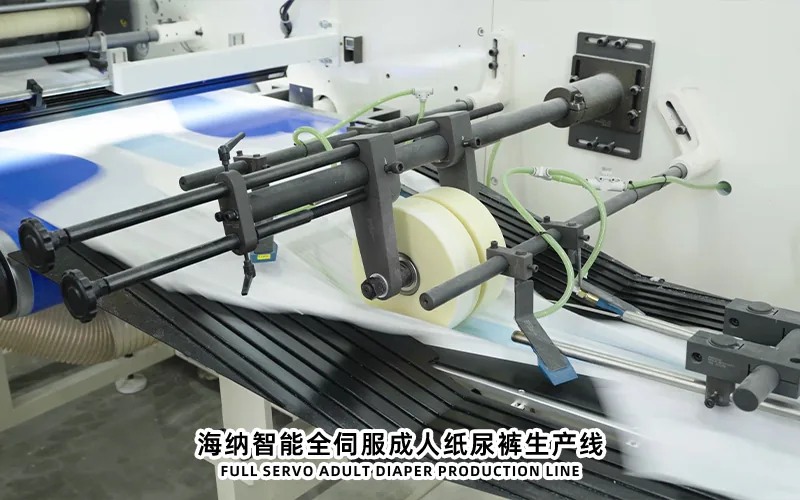
Web guiding and tension deserve special attention because several materials converge through the line. Observe edge position, wrinkles, stretching, tracking after splicing, and response during acceleration and deceleration. For registered materials or printed marks, verify that correction remains controlled over the agreed operating range. For adhesive and elastic systems, inspect both placement and bonding after speed changes.
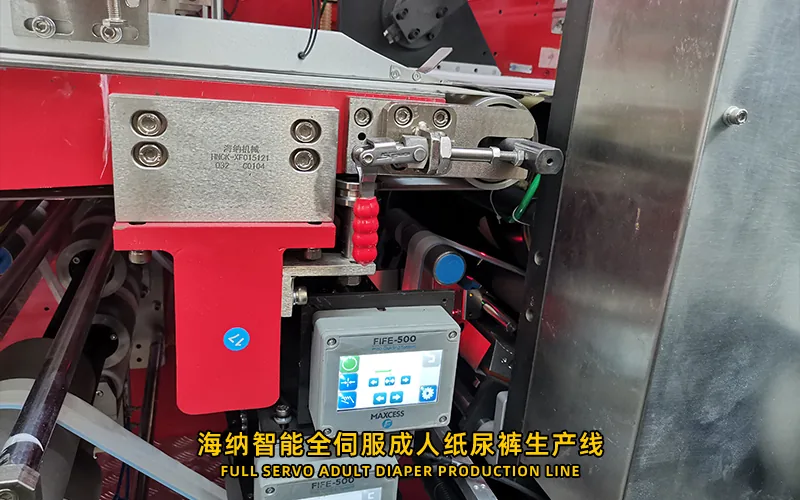
Trend information should support troubleshooting. Ask which values can be reviewed after an event, which alarms are timestamped, how recipes are protected, and how parameter changes are authorized. An impressive screen is not enough if the maintenance team cannot connect a defect to a zone, setting, or mechanical condition.
Test Changeovers Stops and Recovery
Choose one changeover that represents the buyer's production plan. Define the starting and ending product sizes, tooling, web widths, guides, recipes, elastic settings, adhesive patterns, cutting parts, folding settings, stack count, and packaging condition. Record stop-to-start time, first-good-product time, number of people, tools, adjustments, and startup waste. This reveals the practical cost of flexibility.
Recovery tests are equally important. Include an agreed roll change or splice, a controlled material break, an emergency stop recovery where safe, and a downstream blockage response. Observe whether the sequence protects material, prevents collisions, maintains product tracking, and identifies suspect pieces. Confirm that restarting one section does not create an unnoticed defect in another.
Operators should follow documented steps rather than relying on the commissioning engineer's memory. Watch how alarms guide them, how permissions are managed, and what manual checks are required before restart. Record each intervention. Frequent small adjustments may indicate that the shown output depends on expert attention that will not be available during ordinary shifts.
A changeover test should measure tasks settings waste and first good product.
Verify Safety Documentation and Handover
FAT is not only a production trial. Inspect guards, doors, interlocks, emergency stops, warning labels, access around moving parts, hot adhesive zones, electrical panels, isolation points, and maintenance positions. Confirm the expected response rather than only checking that a device exists. Any bypass used for commissioning should be identified, controlled, and removed before release.
Review documents against the delivered machine. The handover package should cover mechanical drawings, electrical diagrams, utility requirements, component lists, lubrication, wear parts, preventive maintenance, troubleshooting, parameter files, software backups, recipe management, and spare parts. Record document revision numbers. Uncontrolled files can create avoidable delays during installation and future repair.
Training evidence should name the role and task. Operators need startup, shutdown, threading, changeover, inspection, alarm response, cleaning, and basic quality checks. Maintenance staff need isolation, diagnostics, alignment, replacement, backup restoration, and escalation procedures. The FAT report should list training completed at the supplier and training still required during site commissioning.
For buyers assessing HAINA, the current adult diaper manufacturing machine range can be compared against a controlled requirement sheet. The exact machine scope, product window, acceptance values, and service deliverables should still be confirmed in the project documents.
Use an Evidence Based FAT Table
FAT area
Evidence to record
Weak evidence
Release decision
Product and material match
Controlled drawings samples specifications and lot records
Generic sample or unidentified roll
Repeat with approved inputs if the difference affects performance
Stable production
Timed run good count rejects waste stops and interventions
Short peak-speed display
Compare the complete run with the contractual method
Defect control
Approved challenge alarm record reject action and retained sample
Sensor list without a functional test
Close missed detection or tracking issues before release
Changeover
Named size transition tasks people tools time and first-good result
Estimated quick-change claim
Agree corrective actions for excessive adjustment or waste
Safety and handover
Functional checks revision-controlled documents backups and training record
Unsigned checklist or draft manual
Block shipment for critical safety or recovery gaps
The table should link every requirement to a result, raw record, status, owner, and closure evidence. Photographs and videos can support the report, but they should not replace counts, measurements, alarm histories, or signed observations. Store the final package in a controlled location so it becomes the baseline for site acceptance.
Close Deviations Before Shipment
Not every deviation has the same risk. Classify findings by safety, product quality, contractual performance, installation readiness, maintainability, and documentation. Define which findings block shipment, which require remote evidence before shipment, and which can be completed during installation without creating unacceptable risk. Avoid a single open-items list with no priority.
Each deviation needs a clear statement of the observed condition, requirement, evidence, owner, corrective action, due date, and verification method. A promise to adjust later is not a closure method. For software or parameter changes, identify the version and keep a backup. For mechanical changes, update the relevant drawing and parts record.
After corrections, repeat the affected portion of the test. A change to web guidance may require another alignment and stable-run check. A new reject setting may require the defect challenge again. A tooling change may affect dimensions, waste, and changeover. Regression testing should follow the actual impact rather than repeating the entire FAT without purpose.
Before shipment approval, reconcile all accepted products, rejected products, raw materials, tooling, loose parts, spares, and documents. Confirm packing protection and identification for reassembly. The result should be a traceable transition from factory test to installation, not simply a signed pass page.
Shipment release should follow evidence review deviation closure and handover control.
Frequently Asked Questions
Should FAT use the buyer's production materials?
Yes, representative approved materials are preferred because web behavior bonding and quality depend on their properties. If substitutes are unavoidable, document them and repeat affected tests with production material.
Is reaching design speed enough to pass FAT?
No. Design speed is only one reference. Acceptance should rely on the agreed stable run, sellable output, quality limits, waste, stops, interventions, and downstream condition.
How should a buyer test automatic defect rejection?
Use supplier-approved controlled challenges for named defects. Verify detection, alarm history, product tracking, physical rejection, count reconciliation, and recovery without creating an unsafe condition.
Can open FAT items be completed after shipment?
Only lower-risk items with written owners deadlines and verification methods should remain open. Critical safety, contractual performance, data backup, or shipment-readiness gaps should normally be closed first.
Conclusion
A useful adult diaper manufacturing machine FAT connects contract language with repeatable evidence. Freeze the products, materials, methods, and responsibilities before testing. Measure stable sellable output instead of relying on peak speed. Challenge defect controls, observe changeovers and recovery, verify safety and handover records, and close deviations according to risk. This approach gives the buyer a defensible shipment decision and gives both teams a practical baseline for installation and site ramp-up.