Find suppliers for fully automatic sanitary pad machine components by starting with the line manufacturer's controlled bill of materials, not an open marketplace search. Separate proprietary assemblies from standard mechanical, electrical, pneumatic, adhesive, and wear parts. For every critical item, record the original specification, approved maker, acceptable substitute, inspection method, lead time, and responsible support party. Buy safety-critical or performance-critical parts only after the machine builder confirms compatibility. This approach protects control-system communication, web handling, product quality, and warranty responsibilities while still allowing local sourcing where equivalence can be demonstrated.
Map Component Responsibility Before Contacting Suppliers
A sanitary pad line contains thousands of parts, but they do not all carry the same sourcing risk. Begin with a responsibility map that identifies what was designed by the original equipment manufacturer, what was selected from a standard industrial catalog, what belongs to an auxiliary system, and what is consumed through normal operation. This boundary matters because a visually similar replacement can have a different load rating, response time, surface treatment, tolerance, communication protocol, or heat resistance.
Ask the machine builder for a controlled BOM or a buyer-facing spare-parts register. The document should include equipment area, component description, maker and model, drawing or part number, installed quantity, recommended stock quantity, and substitution status. A generic list such as sensor, bearing, or blade is not sufficient for purchasing. The record also needs revision control, because a component selected during design may change before final assembly.
Four practical supply channels
Line OEM: proprietary tooling, programmed control items, matched assemblies, and parts that require machine-specific setup.
Authorized component distributor: traceable standard drives, PLC hardware, sensors, pneumatic parts, bearings, and electrical protection devices.
Approved local supplier: equivalent standard items that have passed technical comparison and incoming inspection.
Consumable specialist: cutters, adhesive-system service items, belts, filters, and other wear parts selected against the exact operating condition.
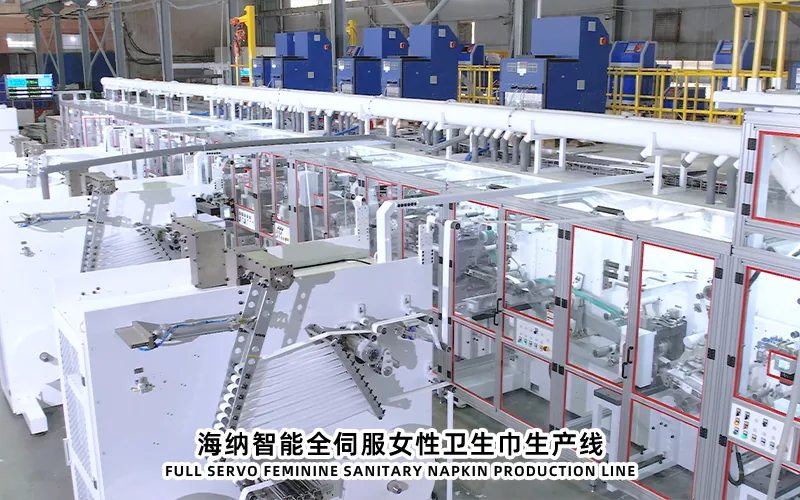
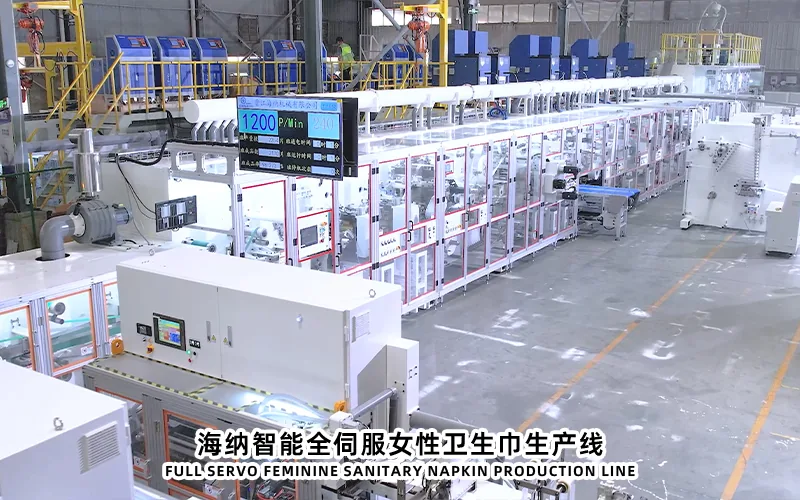
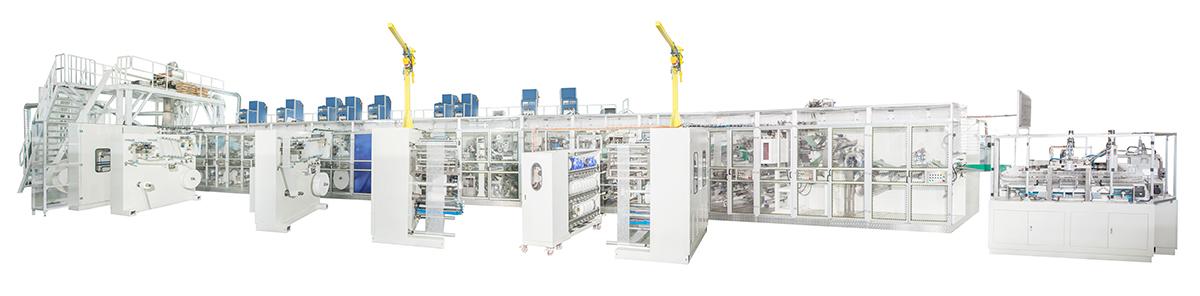
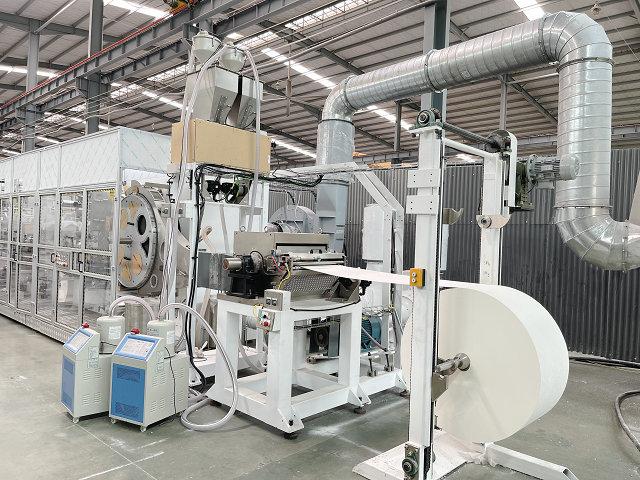
A complete line review shows where mechanical, electrical, pneumatic, and consumable components interact.
Classify Parts by Production and Safety Criticality
Use criticality rather than unit price to decide how much evidence a supplier must provide. A low-cost proximity sensor can stop an entire line if its switching distance or response differs from the programmed logic. A bearing may fit dimensionally but fail early under the actual speed, temperature, contamination, or lubrication regime. A cutter can produce acceptable samples at first yet increase waste when edge quality deteriorates.
Create at least three classes. Class A covers safety functions, synchronized motion, product-forming geometry, software-dependent hardware, and components with long recovery times. Class B covers parts that influence output quality or create a moderate stop if unavailable. Class C covers common items that can be replaced without calibration or product risk. Assign stricter supplier authorization, incoming inspection, and inventory rules to Class A.
Build a Supplier Evidence Pack
A credible component supplier should be able to connect the quoted item to traceable technical evidence. Request the manufacturer's data sheet, exact ordering code, country or factory of origin where relevant, authorized-channel evidence, warranty terms, delivery estimate, and storage requirements. For machined or fabricated parts, request a controlled drawing, material requirement, critical dimensions, surface treatment, and inspection report rather than relying on a sample alone.
Counterfeit risk deserves specific attention for control hardware, sensors, power devices, and bearings. Check labels, packaging, serial information, official distribution records, and the supplier's returns process. When a part contains firmware or licensed software, confirm that it can be commissioned legally and that the machine program supports the hardware revision. Preserve approved evidence beside the BOM so future buyers do not repeat the entire investigation.
Send the exact part number and machine position, including photographs only as supporting evidence.
Receive a written conformity statement and data sheet from the candidate supplier.
Compare every critical interface with the installed component and OEM requirement.
Inspect identity and condition when the item arrives.
Test the replacement under a controlled maintenance procedure before declaring it approved.
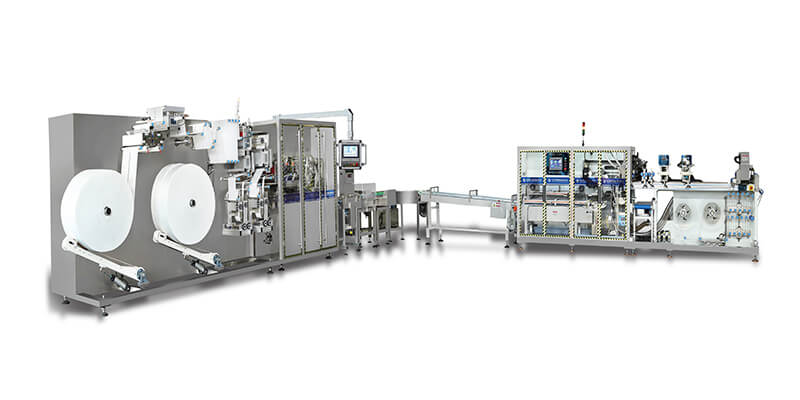
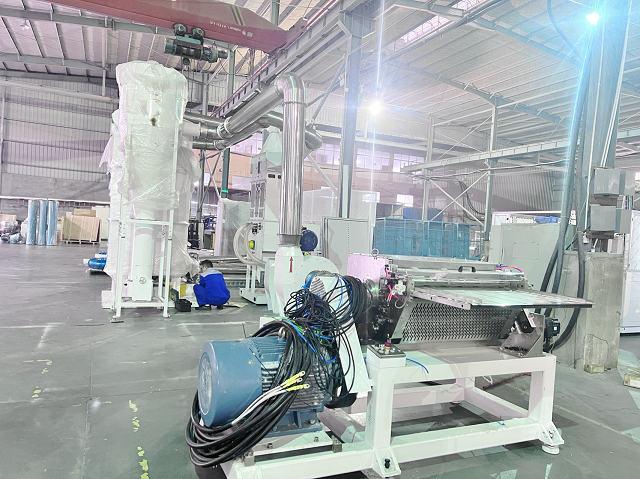
Critical components should be tied to drawings, part numbers, inspection records, and approved alternatives.
Control Component Substitutions and Obsolescence
Substitution control prevents an urgent purchase from becoming an unplanned engineering change. Require a deviation request whenever the exact installed item is unavailable. The request should explain why the change is needed, identify all differences, describe any drawing or software update, define a test method, and name the person authorized to approve the result. Do not allow a purchasing note to serve as the only technical approval.
Obsolescence planning is equally important for a machine expected to operate for years. Ask suppliers which PLC, HMI, drive, servo motor, safety device, and industrial network families are approaching end of support. Record the recommended successor and whether adapters, program conversion, parameter migration, or mechanical changes would be required. An advance migration plan is usually less disruptive than searching for an obsolete item after a failure.
Jinjiang Haina Machinery Co., Ltd. (HAINA) can be asked to define machine-specific spare parts, control backups, and approved substitutions for its automatic sanitary napkin equipment. The buyer should include the expected document set and approval process in the purchase scope, because the level of detail may vary by project.
Compare Supply Options with a Component Decision Table
Use one table for all shortlisted sources. The lowest quoted price is only one input. A source that provides traceability, correct configuration, and rapid technical response may create a lower interruption risk than an unknown seller with immediate stock.
Decision factor
Evidence to request
Risk if ignored
Suitable approval
Exact technical match
Ordering code, drawing, data sheet, firmware or parameter requirement
Fit problems, unstable control, or product defects
Engineering review
Source traceability
Authorized channel, serial details, inspection and return records
Counterfeit or unsupported component
Procurement and quality review
Availability
Lead time, minimum order, stock location, and end-of-life notice
Long production stop
Maintenance inventory plan
Commissioning need
Software, parameter, alignment, calibration, and test instructions
Replacement cannot enter service
OEM or controls approval
Lifecycle support
Warranty, technical contact, successor model, and repair route
Repeated emergency buying
Cross-functional approval
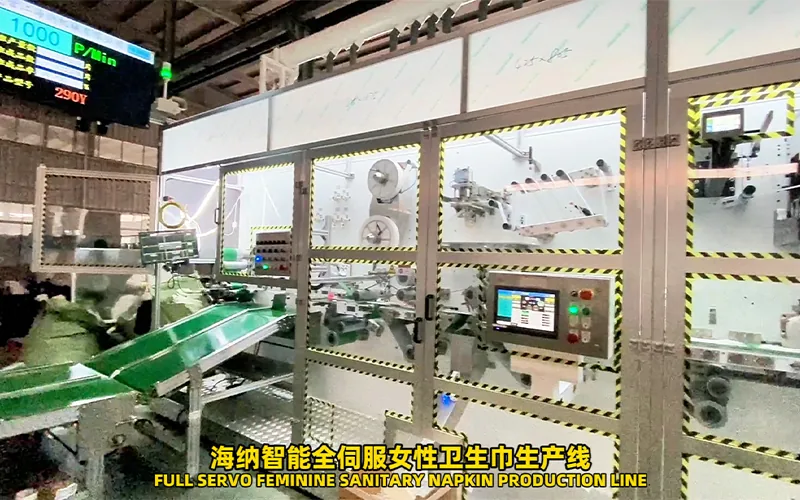
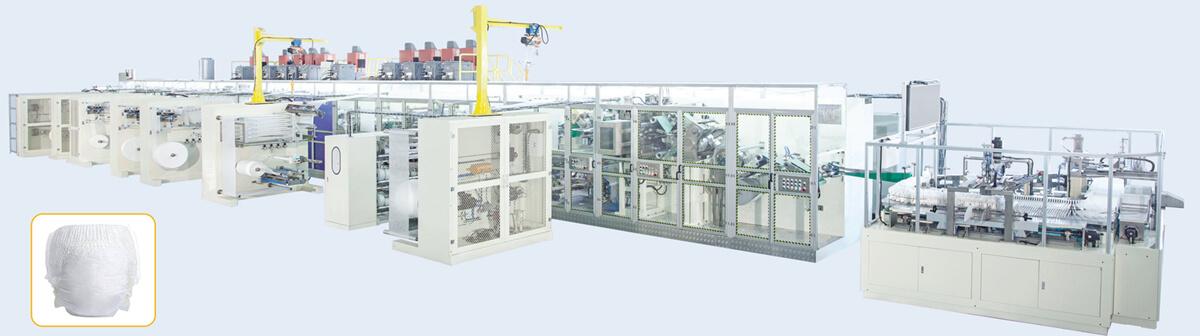
Controls, sensors, drives, and operator interfaces need a documented support path.
Set Stock Levels and Reorder Triggers
Spare quantity should reflect failure consequence, lead time, installed population, shelf life, repairability, and the availability of a proven substitute. Keep at least one recovery path for a single-point failure that can stop the line. That path may be an on-site spare, a repair exchange, a regional stock agreement, or a verified emergency delivery commitment. Expensive assemblies may justify condition monitoring and repair contracts instead of deep inventory.
Storage conditions can invalidate a good purchasing decision. Protect electronic parts from humidity and electrostatic discharge, preserve machined surfaces, rotate elastomer and adhesive-system items, and keep blades or precision tooling in protective packaging. Link each bin to its part record and inspect dormant stock periodically. A spare that cannot be identified or has degraded in storage is not reliable coverage.
Define reorder points from actual consumption and delivery history after production begins. Record every issue against the machine area and failure cause. This reveals whether the line is consuming a wear item normally, whether setup practices are shortening life, or whether a recurring mechanical condition needs correction.
Recognize Supplier Warning Signs
Pause the order when you see these signals
The seller quotes from a photograph but will not confirm the full ordering code.
A substitute is described as identical without a difference table or test requirement.
Serial information, distribution origin, warranty route, or returns policy is unclear.
The component requires programming, yet no one owns the parameter file or commissioning task.
A fabricated part has no controlled drawing, material definition, tolerance, or inspection report.
The proposed low-price item changes a safety function or synchronized motion without OEM approval.
Urgency can make these signs easy to overlook. Prepare the supplier framework before commissioning so emergency purchases follow an established path. Include component records in operator and maintenance handover, and keep contact information outside one employee's private mailbox. The objective is not to eliminate every sourcing delay. It is to make the next action predictable when a component becomes unavailable.
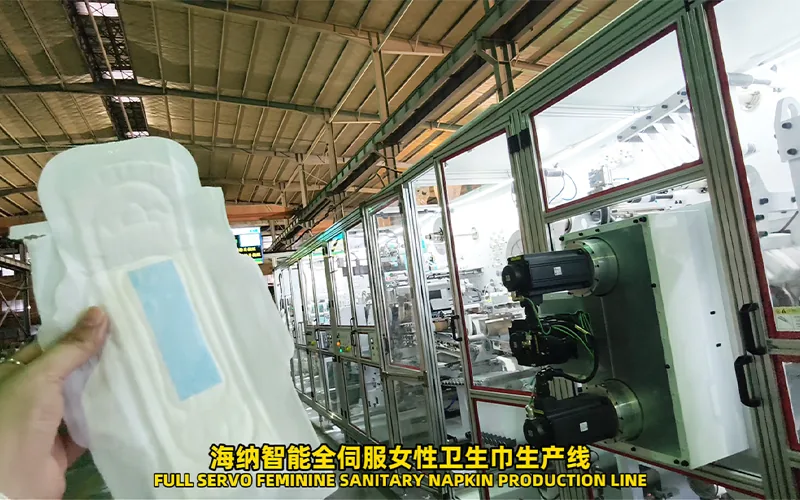
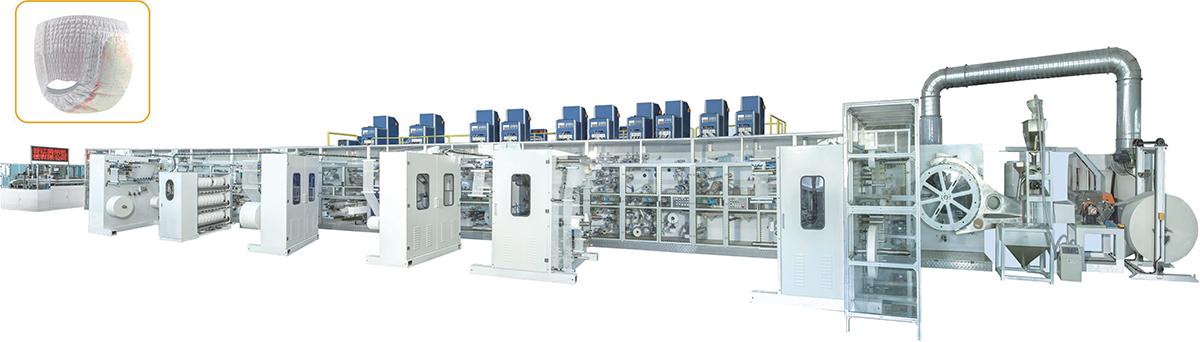
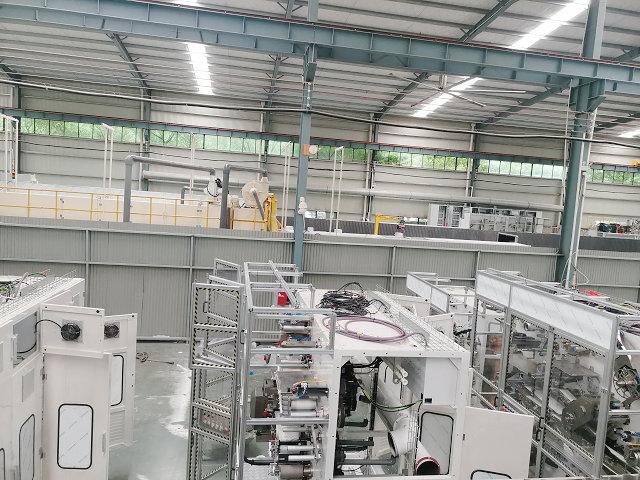
Assembly access and replacement procedures affect the practical value of a spare-parts plan.
Frequently Asked Questions
Can I buy every sanitary pad machine component locally?
No. Many standard mechanical and electrical parts may be sourced locally after equivalence is verified, but proprietary tooling, programmed devices, matched servo assemblies, and machine-specific safety parts normally require OEM confirmation.
Should I insist on one component brand throughout the line?
Not automatically. Standardization can simplify training and inventory, but suitability, support availability, interface compatibility, and lifecycle status matter more than a single brand rule.
What information should a spare-parts quotation contain?
It should state the exact part number, description, quantity, maker, technical revision where relevant, price, lead time, warranty route, and whether programming or installation service is included.
How do I approve an alternative component?
Use a documented engineering change. Compare all interfaces, assess safety and process effects, update drawings or software, perform a controlled test, and record the approval result.
Conclusion
A dependable component supply chain begins with a controlled fully automatic sanitary pad machine BOM and a clear ownership map. Classify parts by production and safety impact, verify supplier evidence, control substitutions, and connect inventory to realistic lead times. Before ordering the line, place document delivery, software backups, spare recommendations, and replacement support in the commercial scope. Before approving an individual part, require enough evidence to reproduce the decision later. That record turns component buying from an emergency search into a maintainable operating process.