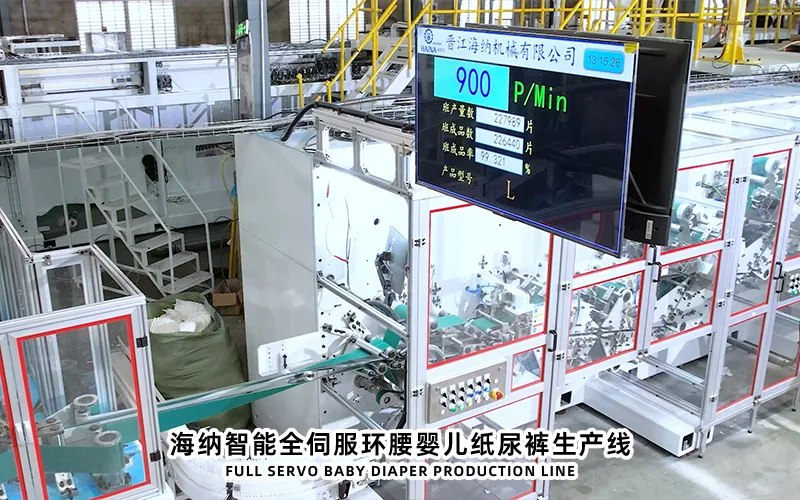
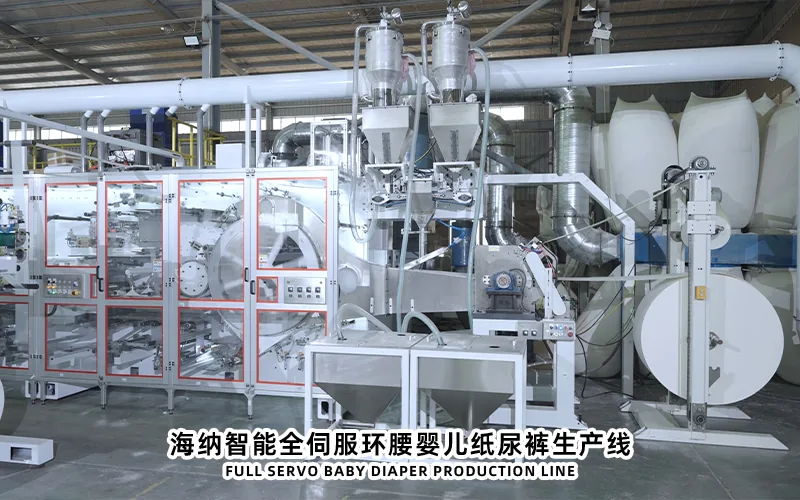
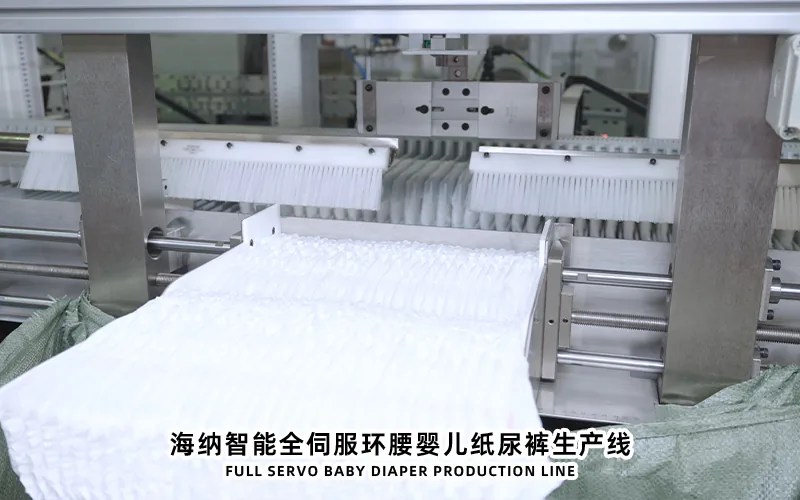
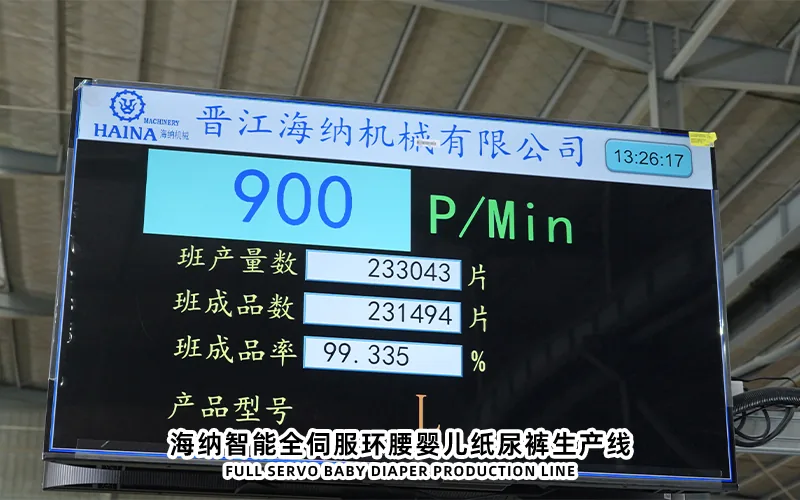
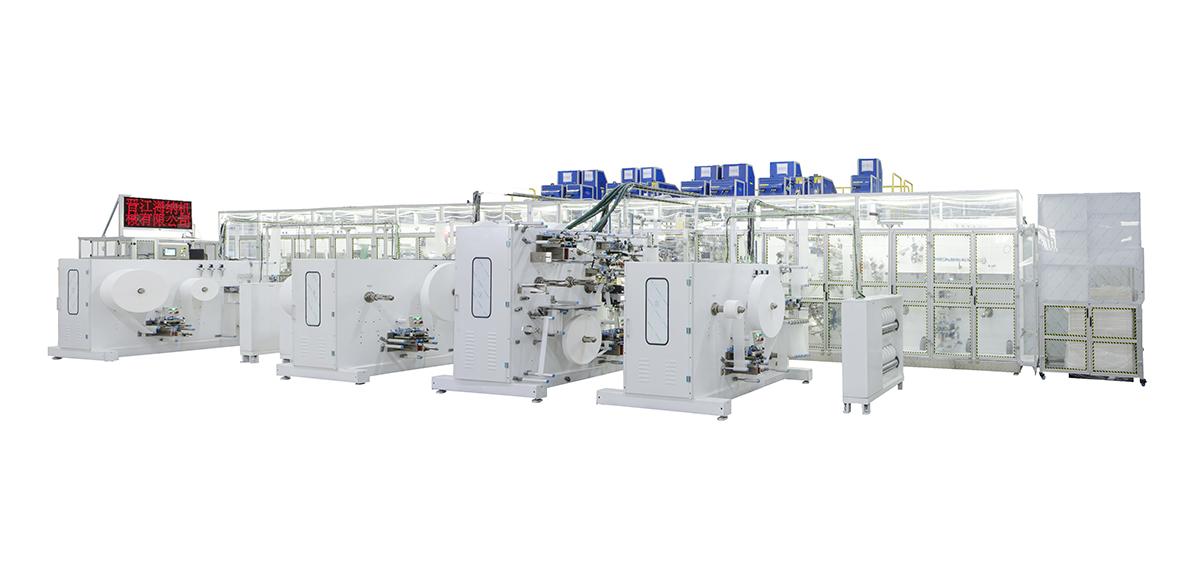
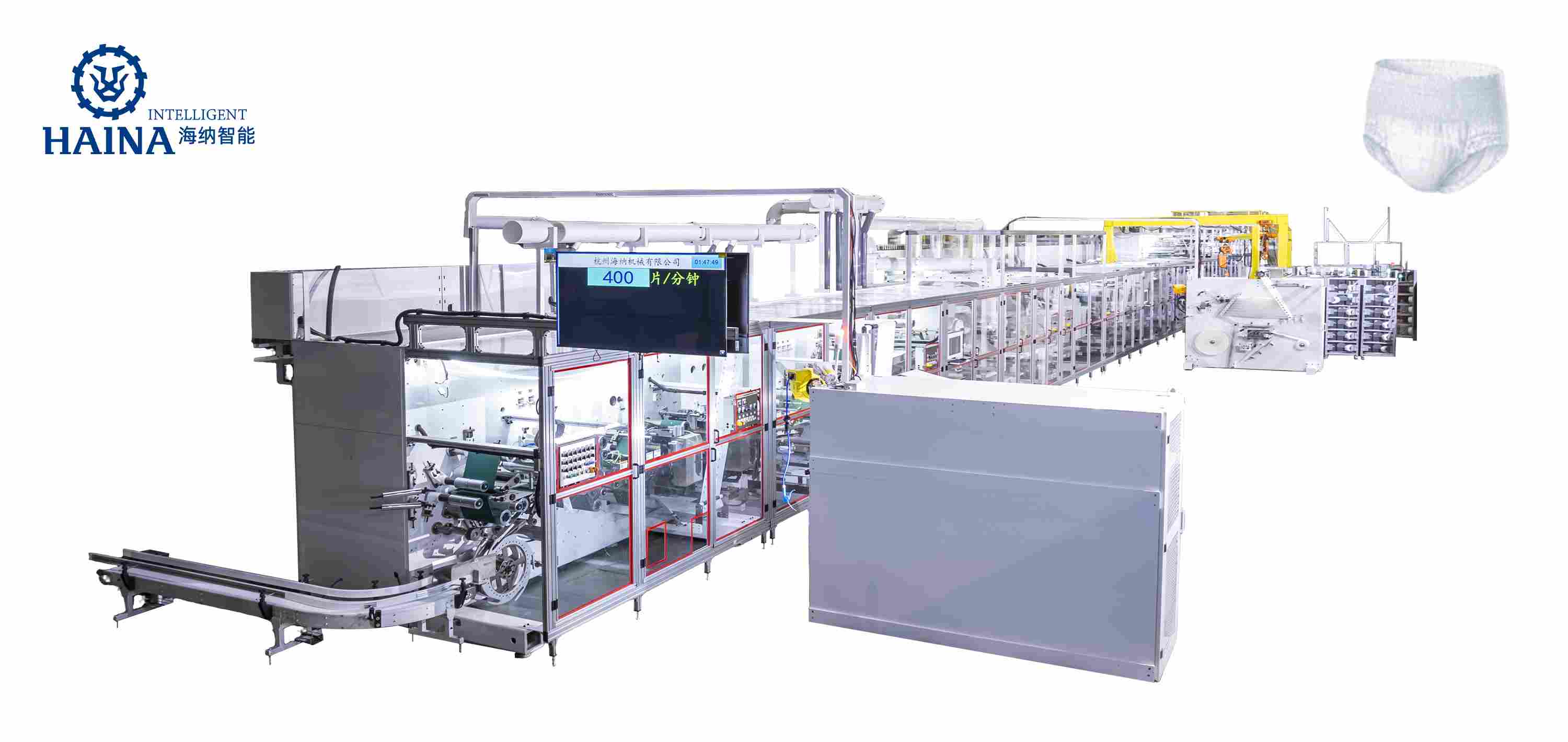
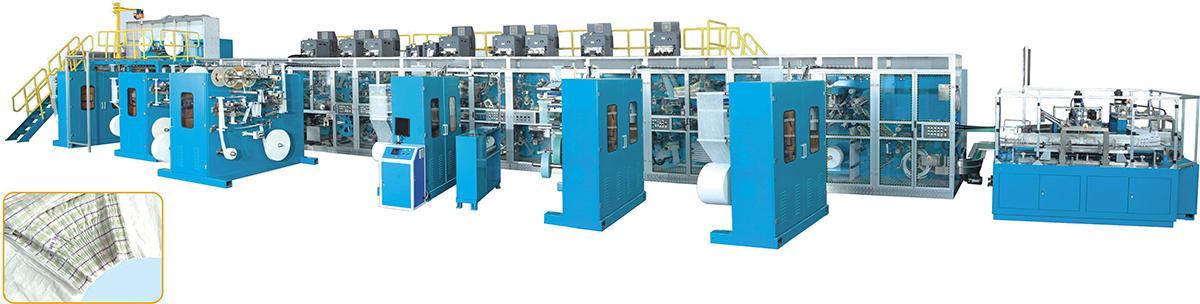
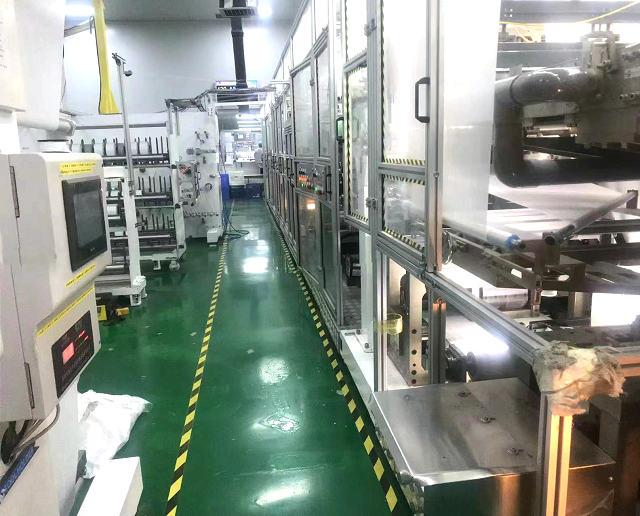
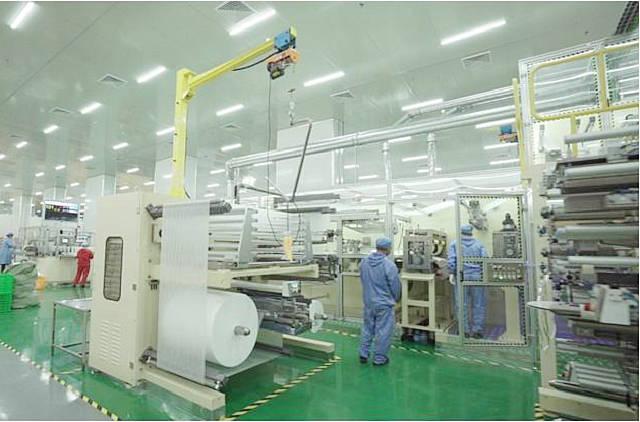
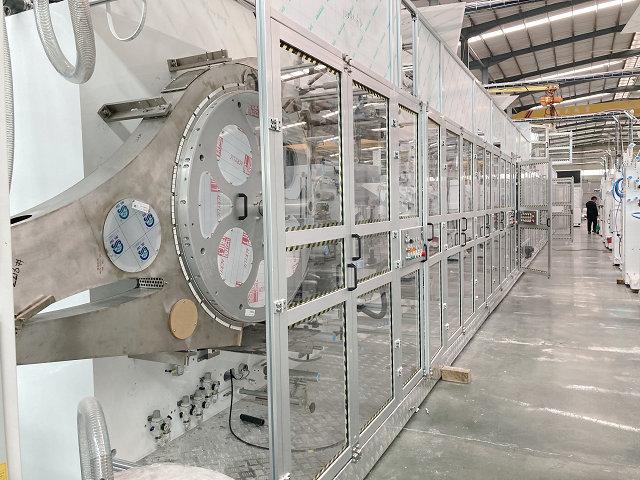
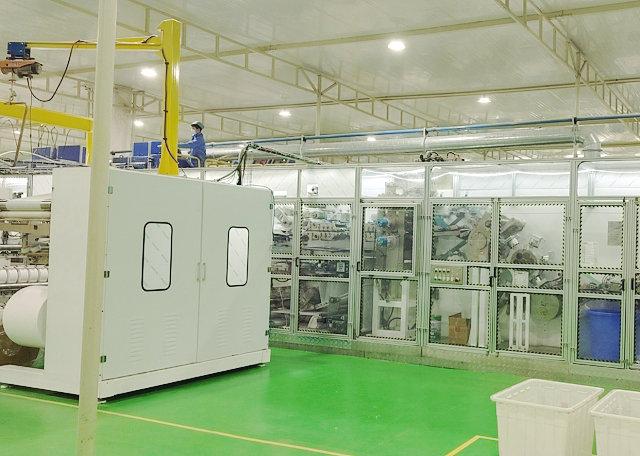
Operate a baby diaper making production line through controlled stages: verify safety, utilities, materials, change parts, recipe, inspection tools, and downstream readiness; thread and jog only under the approved procedure; release first-piece samples before increasing the operating condition; and monitor quality, material behavior, alarms, minor stops, rejects, and packing flow throughout the run. After any intervention, segregate output until restart samples pass. Record setting changes, material lots, downtime causes, waste, held product, and corrective actions at shift handover. The objective is sustained conforming output under an authorized process window, not the highest momentary speed shown on the interface.
Prepare the operating release
Production begins with authorization, not with the start control. The production order should identify product code and size, drawing and bill-of-material revisions, recipe, planned quantity, material lots, pack format, inspection plan, and any approved deviation. Check that required operators, quality personnel, maintenance support, and material handlers are available. Unresolved work orders or changes that may affect product or safety must be reviewed before release.
Inspect the line according to the site's safety procedure. Confirm guards, access devices, emergency functions, isolation points, extraction, housekeeping, and required utilities. Look for tools, loose parts, cleaning materials, previous product, or waste left in process areas. Check that discharge, counting, conveying, and packaging systems are ready and that no downstream blockage will force uncontrolled accumulation.
Reconcile materials at each feed position. Match component name, supplier reference, lot, width, winding direction, roll core, splice status, and product assignment to the order. Protect rolls from damage and contamination during handling. Verify adhesive, absorbent inputs, elastics, tapes, frontal material, nonwovens, film or laminate, tissue or wrapping layers, and any optional feature. Quarantine an unidentified or damaged input instead of testing it through production.
Prepare quality evidence before startup. The current approved sample, measurement instruction, gauges, defect reference, sampling labels, hold location, and release authority should be present. Verify that size parts and inspection settings correspond to the scheduled format. A complete line-clearance record prevents old materials, old labels, or the previous recipe from contaminating the new run.
Pre-start release connects line condition, identified materials, product documents, and quality readiness.
Controlled baby diaper making production line startup
Use a controlled startup sequence written for the installed configuration. Authorized personnel confirm isolation status before threading or access. Thread each web and component through the correct guides, tension devices, sensors, applicators, and joining points. Verify roll orientation and reference marks. Remove tools and temporary aids, restore guards, and perform the prescribed area check before motion.
Select the approved recipe and record its identity. Confirm settings that depend on physical change parts, material widths, cutters, elastic layout, tape and frontal position, inspection thresholds, fold, count, and downstream format. Recipe recall does not prove that the hardware or materials are correct. Use independent checks for critical matches, with operator and verifier responsibilities defined by the factory.
Jog and initial motion should follow the supplier and factory procedure. Observe each process station in sequence: unwind response, tracking, tension, core formation and containment, component placement, adhesive application, cutting, folding, transfer, inspection, rejection, and discharge. Stop for an unsafe or abnormal condition rather than carrying an error through several stations.
First-piece release sequence
Collect and segregate all startup output until formal release.
Confirm product identity, orientation, materials, and correct recipe reference.
Inspect dimensions, core, elastics, barriers, closure components, bonds, cut, fold, and appearance required by the plan.
Make only authorized, symptom-based adjustments and record the reason and result.
Repeat samples after the last adjustment and identify consecutive acceptable output as required by the factory procedure.
Record the first accepted product and obtain quality release before routine production.
Account for startup material separately. Record the first feed time, first formed product, each adjustment, first acceptable sample, and release time. If startup loss grows, compare line condition, change parts, recipe, material lot, threading, operator action, and the characteristic that delayed approval. This supports targeted corrective work.
Control ramp-up and stable running
Increase the operating condition only in authorized steps while product and process remain stable. Watch web tracking, tension, component registration, core distribution, elastic placement, tape and frontal application, adhesive transfer, cut quality, folding, discharge, reject path, and packing accumulation. At each step, allow the line to settle and inspect samples before proceeding.
Keep design speed, stable working speed, current operating speed, and contractual acceptance value separate. The line's appropriate daily setting depends on the product size, materials, quality requirements, maintenance condition, staffing, and downstream capacity. A brief displayed maximum that causes stops, rejects, or held output does not establish efficient operation.
Use trend-based observation instead of reacting to every normal fluctuation. Operators monitor station conditions and alarm history. Quality staff review product checks at the approved frequency. Maintenance follows condition indicators and recurring minor stops. Production management reviews released output, downtime, waste, and hold status. Escalate a developing pattern before it becomes a prolonged stop.
Change one process factor at a time where practical. Record the symptom, previous value, authorized adjustment, sample result, and final setting. Multiple undocumented changes destroy diagnostic evidence and make it difficult to restore the approved window. If the cause remains uncertain, reduce risk through containment and involve the correct technical owner.
Stable operation requires station-level observation and product checks while the line settles after each authorized change.
Manage rolls, splices, and material events
Plan roll replacement before material reaches an uncontrolled end. Stage the correct identified roll, verify orientation and condition, prepare the splice according to the approved method, and communicate the event to operators responsible for downstream quality. Record material lot changes and the time or product reference at which they enter the line.
Different components have different event risks. A nonwoven or film splice may affect web tracking, bonding, or appearance. Elastic replacement may alter tension and placement. Tape or frontal material changes can affect registration and bond. Absorbent input variation may affect core formation. Define which events require automatic rejection, manual segregation, extra samples, reduced operating condition, or a temporary hold.
When a material breaks, do not reset and rethread without examining the cause. Check the break location, roll damage, splice, guide path, tension device, sensor, contamination, sharp edge, accumulation, and upstream or downstream pull. Preserve the material segment and event record for a recurrence. After rethreading, follow the restart release for affected product characteristics.
Operating event
Immediate control
Evidence to collect
Restart proof
Planned roll or lot change
Verify identity, orientation, splice, and event marker
Old and new lot, time, feed position, operator
Required post-event samples pass
Web break
Stop safely and protect downstream product
Break location, roll condition, path, alarm sequence
Tracking and product checks remain stable after rethread
Registration loss
Segregate affected product and verify reference system
Sensor state, print or component reference, settings
Consecutive placement results meet criteria
Adhesive interruption
Contain product from the last known good check
Supply state, alarm, application pattern, temperature where applicable
Agreed bond or application checks pass
Downstream blockage
Control accumulation and stop without product mixing
Flow, count, reject, and pack identity are reconciled
Respond to stops and defects
Code interruptions on this operating line as planned cleaning, scheduled material loading, defective input, product-quality containment, mechanical breakdown, controls or electrical failure, loss of a factory utility, inspection response, blocked packing transfer, or delay awaiting an authorized decision. Record short recurring stops as well as long events. Their frequency can reveal an unstable station even when total duration seems small.
The first response is to make the condition safe and contain product. Note the alarm, sequence, current recipe, operating condition, material lots, and last known acceptable sample. Determine the first observable defect and the station where it originated. Avoid broad descriptions such as bad product or machine problem when placement, cut, core, bond, fold, or transfer evidence is available.
Correct the verified cause within authorized procedures. Inspect adjacent parts and downstream product that could have been affected. Resetting an alarm is not a completed repair. After intervention, restore guards, confirm tools and personnel are clear, use controlled startup, segregate output, and repeat relevant quality checks. Identify the first accepted product after restart.
For technical support, the automatic baby diaper manufacturing machine category gives the relevant equipment context. HAINA can assist requirement review, FAT preparation, or diagnosis when the factory provides configuration, recipe, alarms, material context, samples, and checks already completed. Evidence shortens the route from symptom to a focused engineering question.
A controlled recovery verifies the cause, adjacent condition, line safety, and first acceptable product after restart.
Execute a controlled format change
Prepare changeovers while the current run is stable. Stage verified materials, labeled change parts, tools, lifting aids, cleaning equipment, the next recipe, inspection gauges, packaging setup, and release documents. Confirm ownership for line clearance, isolation, mechanical work, threading, quality inspection, and downstream change.
Measure from last accepted old-format product to first accepted new-format product. Record clearance, parts exchange, adjustment, material threading, recipe and inspection setup, trial output, measurements, and release separately. This shows whether delays come from mechanical access, missing parts, material preparation, settings, or quality decisions.
Reconcile old product, materials, labels, waste, samples, and held output before releasing the new format. Verify every physical part against the recipe. Trial product remains segregated until measurements pass. If repeated adjustment is needed, record the characteristic and correction; do not hide it in general changeover time.
Close the shift with usable evidence
The shift record should identify product, size, recipe revision, materials, staffing, startup release, operating periods, planned and unplanned stops, changeover phases, accepted output, rejected and held product, waste by cause, samples, setting changes, maintenance interventions, and open abnormalities. Reconcile quantities according to the factory method. Records should support action, traceability, and the next team's decisions.
At handover, the outgoing operator walks the line with the incoming operator. Review current condition, partially used rolls, material lots, recent settings, alarms, temporary containment, open work orders, quality holds, due samples, and changes expected next shift. Both teams confirm the information at the relevant station rather than relying only on a report.
Production management should review the most frequent and highest-impact losses, assign one owner and due date, and define closure evidence. Close an action only after enough normal operation shows that the loss has decreased without moving the defect downstream, increasing material use, or weakening product release.
Shift handover should verify line condition, materials, quality status, open actions, and the next required check.
Frequently Asked Questions
When may operators increase the line speed?
Only after first-piece release and while process behavior, product samples, minor stops, rejection, and downstream flow remain stable within the authorized operating window.
What output should be held after a stop?
The factory should define containment from the last known acceptable check based on the failure mechanism, product tracking, detection coverage, and restart verification.
Should every alarm be recorded as downtime?
Use the factory's consistent duration and event rules, but preserve recurring short alarms. Frequency and sequence can reveal instability that total stop minutes miss.
What makes a shift handover complete?
Both teams verify machine condition, materials, quality release, settings, recent events, held output, open maintenance, due checks, and named actions at the line.
Conclusion
Reliable operation of a baby diaper making production line depends on disciplined release and recovery at every transition. Verify safety, configuration, materials, recipe, quality tools, and downstream readiness; control ramp-up; record material events; contain defects; and release product again after interventions. The production manager's next action should be a witnessed shift audit using the startup checklist, event table, changeover phases, and handover record in this guide. Ask HAINA to review any configuration-specific gaps, then verify the approved procedure on the actual product and materials with labeled samples, stop records, reject checks, and first-acceptable-product evidence.