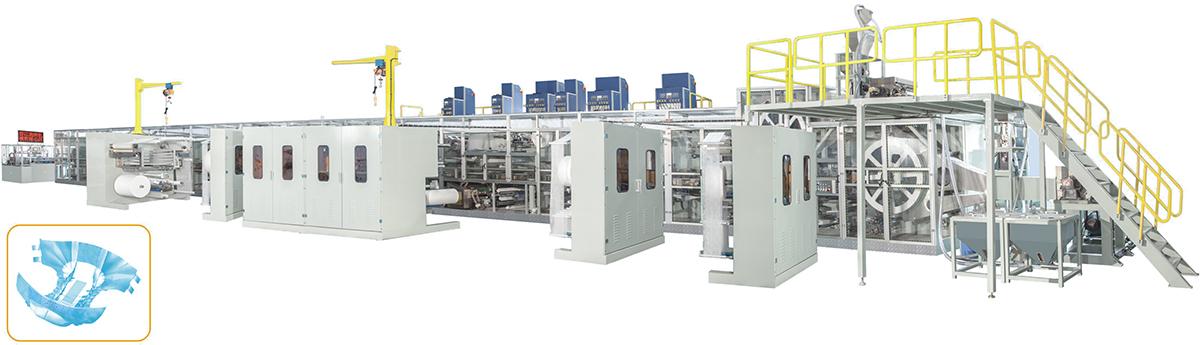
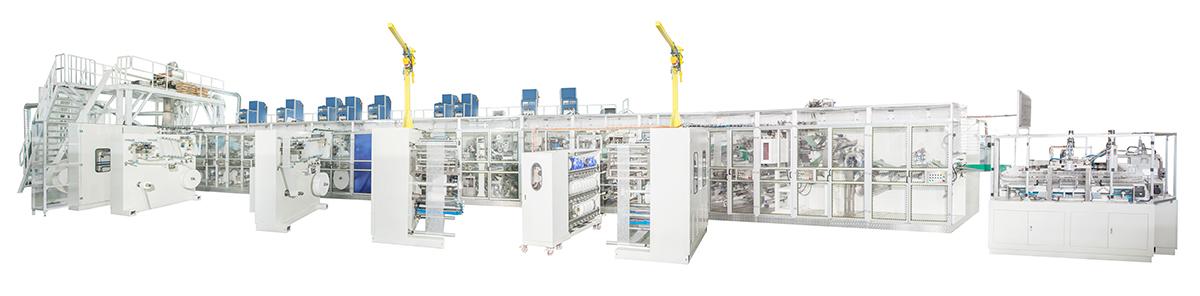
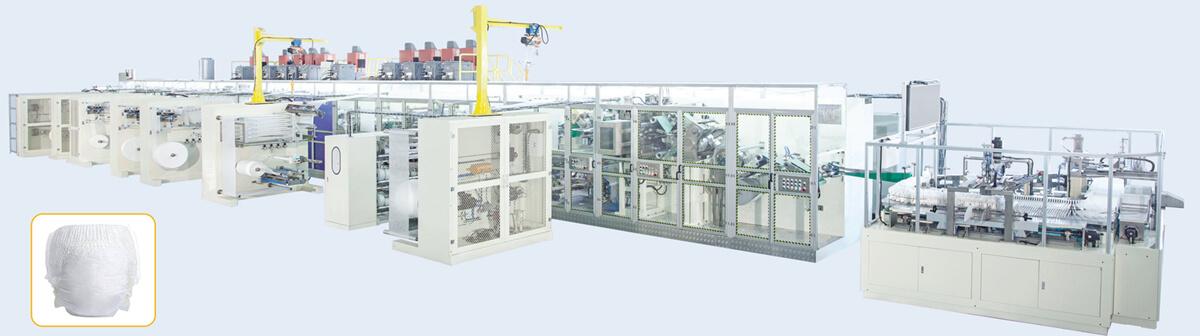
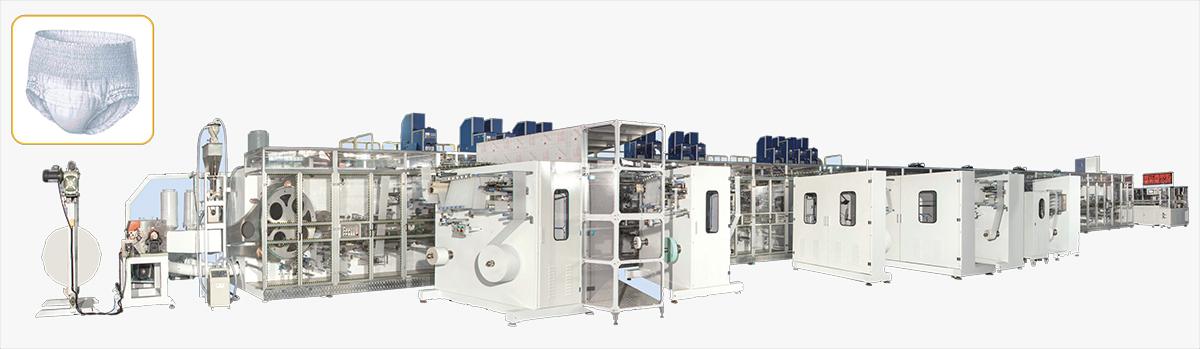
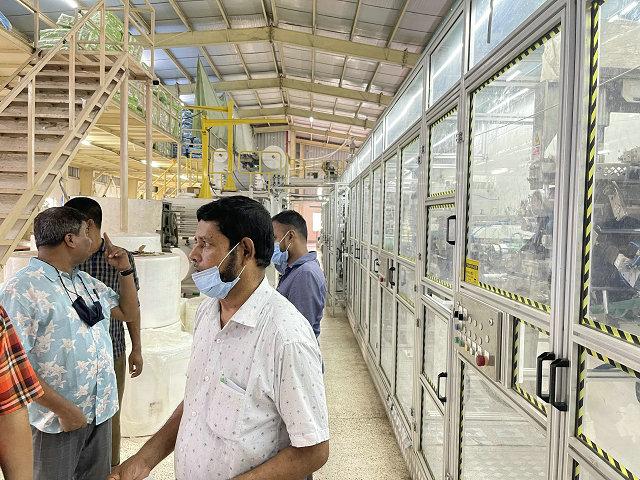
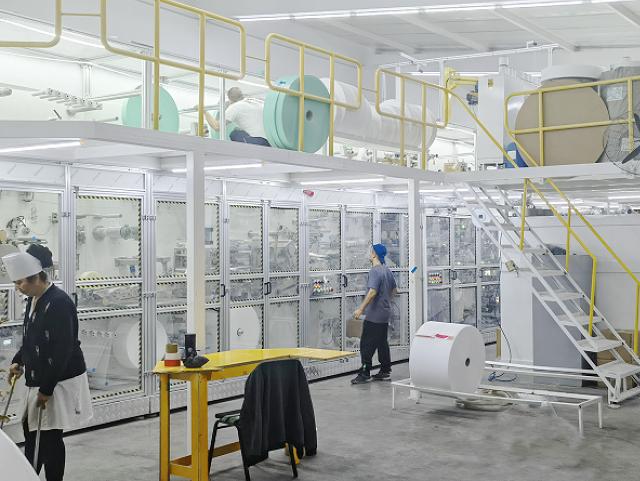
Installing an infant diaper production line requires approved site readiness, controlled unloading, verified inventory, planned placement, mechanical and utility integration, staged commissioning, operator and maintenance training, and documented acceptance. The project manager should freeze the layout and interfaces before equipment arrives, confirm floor and access engineering, and assign responsibility for lifting, power, air, extraction, adhesive systems, materials, waste, packaging, and safety permits. Installation is not complete when the modules are connected: the team must verify the as-built configuration, protective functions, alignment, utilities, controls, material operation, product quality, documents, spares, and open-item closure before handing the line to production.
Installation Basis for an Infant Diaper Production Line
The installation basis is a controlled set of approved documents: final layout, equipment and module list, shipping package plan, foundation or floor requirements, utility and interface sheets, lifting information, installation sequence, responsibility matrix, safety plan, commissioning protocol, product and material matrix, acceptance criteria, document index, and open-item register. Confirm revision status before mobilizing people or equipment.
Define boundaries precisely. The line supplier may provide converting modules and selected auxiliaries, while the buyer or other contractors provide incoming power distribution, compressed air, extraction, adhesive services, environmental systems, network connections, conveyors, or packaging equipment. For every connection, name the design owner, supply owner, installer, checker, energization authority, and acceptance owner. HAINA can clarify equipment-side requirements during project coordination, but site engineering must approve the local installation.
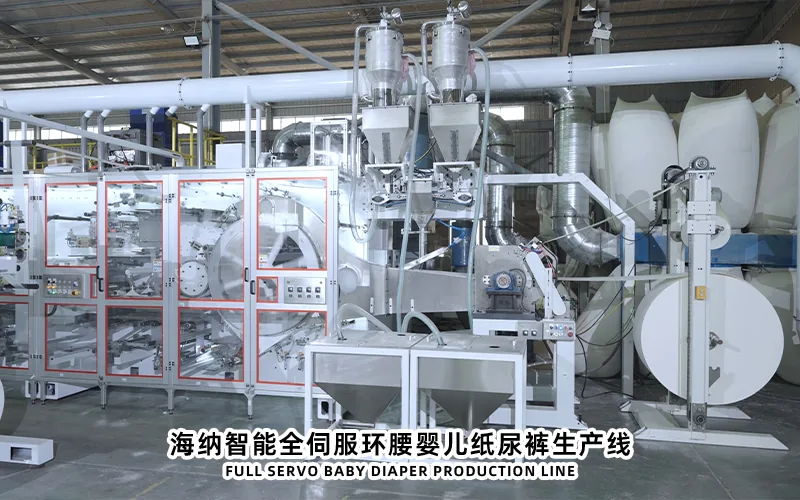
A controlled installation basis keeps module placement and interface work aligned with the final design.
Create a project hold-point schedule. Typical points include site release, arrival inspection, module placement, alignment before closing connections, utility inspection before energization, protective-device validation, dry function tests, material threading, trial production, product acceptance, and handover. A hold point needs named evidence and authority; it should not become a meeting that approves unfinished work verbally.
Release the Site Before Delivery
Confirm transport access from the receiving point to the final location. Check gate, corridor, door, turn, overhead, floor, temporary storage, unloading, and lifting constraints using actual package information. Remove obstructions and define traffic separation. Qualified personnel should assess floor loading, flatness, anchoring or support requirements, and any building work. Do not infer structural suitability from an empty floor.
Mark module centerlines and reference points from the approved layout. Verify maintenance clearance, guard opening, roll loading, operator access, material staging, splice work, quality sampling, waste removal, and emergency routes. Include adhesive and absorbent-material handling. The shortest footprint is not always the safest or most operable arrangement if service panels or unwind changes become obstructed.
Utilities should be available at controlled termination points, not improvised during machine assembly. Verify electrical supply characteristics and protective arrangements, compressed-air quality and availability, extraction or vacuum interfaces, environmental needs, communication connections, and adhesive-system provisions against final supplier data and local engineering. Document tests and isolate incomplete systems. Never energize merely to help installers find wiring errors sooner.
Control Unloading and Inventory
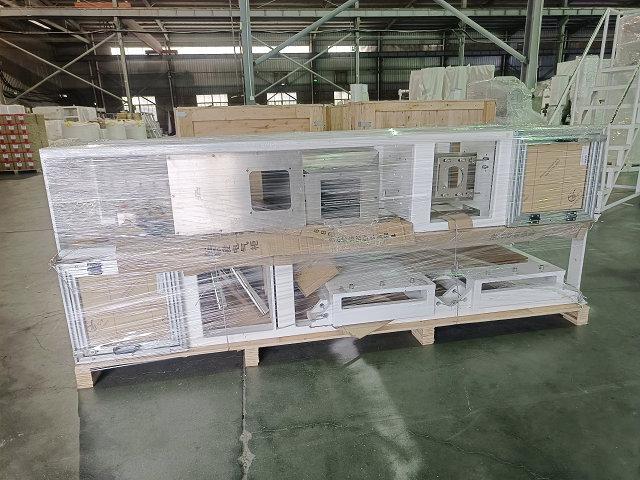
Before arrival, review packing lists, package identity, mass and lifting information, center-of-gravity notes where supplied, weather protection, route, lifting plan, equipment certification according to site rules, and personnel authorization. Establish a controlled receiving area. Photograph package condition before opening and record visible damage, moisture, impact indicators where used, or missing identification.
Open packages in a sequence that supports inspection and installation. Match modules, loose parts, guards, format tooling, cables, hoses, sensors, documents, spares, and accessories to the packing list. Protect precision rollers, blades, electronics, elastomers, and finished surfaces. Keep small components labeled by module. Do not mix installation hardware with operational spares.
Installation phase
Buyer readiness evidence
Supplier or installer evidence
Release decision
Delivery
Route, lifting area, storage, authorized team
Packing list and package information
Safe unloading can begin
Placement
Surveyed references and clear work zone
Module identity and placement sequence
Modules positioned for alignment
Integration
Approved utilities and interface contractors
Connection drawings and checks
Ready for controlled energization
Commissioning
Materials, quality methods, staff, waste control
Functional checks and startup procedure
Ready for product trial
Handover
Acceptance authority and operating organization
As-built dossier, training, closure evidence
Released for defined production use
Issue a discrepancy report immediately. Identify package, item, condition, photographs, preservation action, and project impact. Do not install visibly damaged equipment until a competent disposition is approved. Retain shipping restraints until the applicable installation step; remove them through the supplier sequence and mark them so none remain hidden before operation.
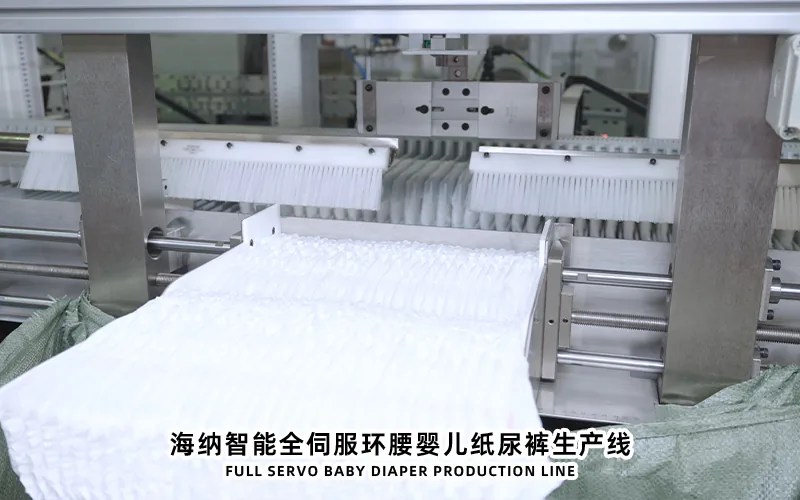
Inventory by module prevents loose parts and format tooling from being misassigned.
Follow a Verified Mechanical Sequence
Place modules according to the approved process order and supplier method. Establish primary references before tightening permanent connections. Verify level, centerline, height, gap, and alignment at specified points using suitable instruments. The specific tolerance must come from engineering documentation. Record actual measurements and instrument identity rather than writing only "aligned."
Connect frames, platforms, guards, web paths, drive interfaces, vacuum or duct sections, piping, cable supports, and auxiliaries in the defined sequence. Protect open bearings, air lines, electrical connectors, adhesive passages, and product paths from debris. Use controlled fasteners and record critical tightening where required. Do not force misaligned modules together with bolts or flexible connections.
Inspect maintainability as assembly progresses. Confirm access to lubrication points, wear components, sensors, cutters, nozzles, filters, electrical panels, format parts, and cleaning zones. Check that removable covers can be handled and that no site pipe, cable tray, column, or packaging interface blocks routine work. Resolving access before utilities are finalized is easier than accepting a permanent maintenance hazard.
Use hold points before closing inaccessible connections and before placing webs over concealed areas. Recheck alignment after connected auxiliaries, ducts, or pipes apply load. Record any shim, site modification, rework, or deviation on as-built documents. A clean physical installation supports stable web tracking and downstream transfer, but it must still be proven under material.
Integrate Utilities and Controls
Electrical work should follow approved drawings, component instructions, local requirements, and authorized practices. Verify cable identification, routing, protection, termination, earthing or bonding arrangements, enclosure integrity, motor and heater circuits, sensors, emergency and protective circuits, and interface signals. Complete inspections and tests before controlled energization. Record changes for the as-built package.
For compressed air, vacuum, extraction, and adhesive systems, confirm cleanliness, support, identification, isolation, drainage or filtration provisions where specified, leak condition, direction, and connection rating. Flush or clean through approved methods before connecting sensitive components. Measure utility behavior under relevant load during commissioning; a satisfactory static condition may not represent simultaneous demand.
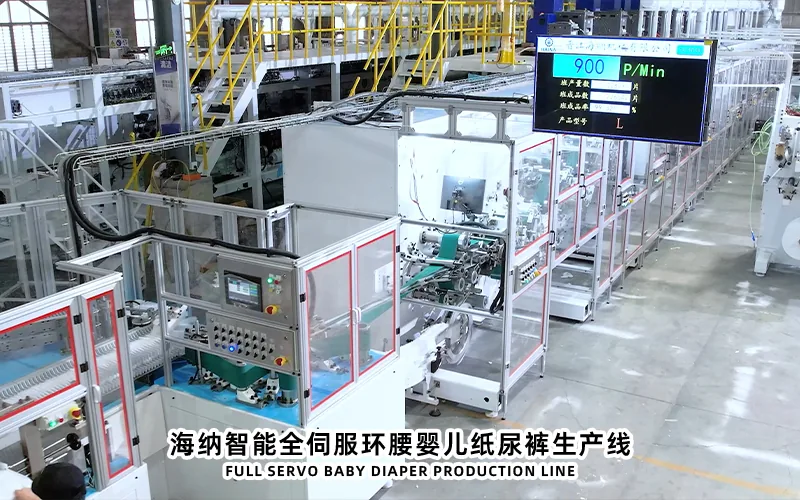
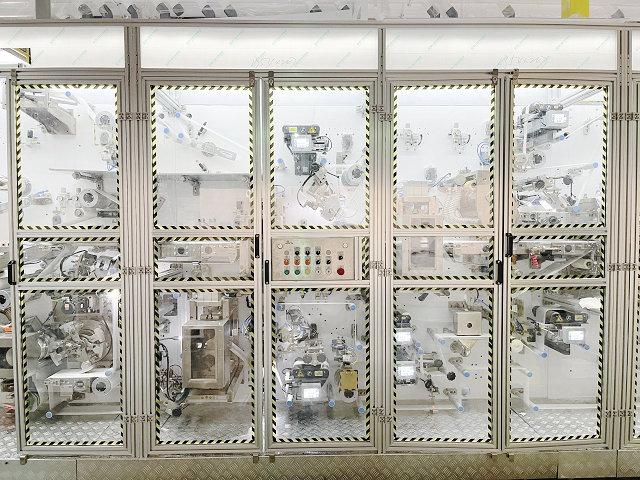
Utility and controls integration should be inspected before the first controlled energization.
Load only approved software and recipe versions. Record controller, drive, operator interface, and configurable-device identity where applicable. Verify communications, direction of movement, sensor status, actuator response, alarms, access levels, and backup restoration method. Protective-function validation requires the approved test plan and competent personnel; an interface indication alone is not proof.
Interface tests should cover upstream and downstream stop signals, product-ready or count signals where supplied, reject or quality status, accumulation behavior, and recovery. For infant diaper manufacturing equipment, packaging handoff can determine whether products remain oriented and undamaged. Test normal flow and controlled stop states before relying on the combined system.
Commission by Stages and Train by Task
Commissioning should progress through documented gates: line clearance; static checks; individual movements; dry integrated functions; utilities under load; controlled material threading; low-risk trial; process stabilization; detection and reject challenges; product sampling; changeover; and agreed performance acceptance. Define preconditions, safe state, expected result, record, and authority for each gate.
Use approved or representative production materials with identified lots. Separate setup and trial material from saleable output. Record recipe, format tooling, operating condition, alarms, stops, adjustments, samples, waste categories, and product-test results. Distinguish observed operating speed and stable working condition from design speed and contractual acceptance value. Do not claim acceptance from a short movement test.
Train operators on line states, startup, material loading, splicing, setup, normal adjustments, quality response, reject segregation, controlled stops, cleaning, and handover. Train maintenance personnel on isolation, mechanical and electrical tasks within role, diagnostics, lubrication, spares, backups, and restart. Train quality staff on sampling locations, product methods, challenge tests, traceability, and release. Demonstrate competence through observed tasks, not attendance alone.
Run a simulated fault and recovery. Capture the first alarm, protect product status, diagnose without uncontrolled adjustments, perform authorized intervention, restore guards and settings, and produce accepted samples. This exercise tests communication and documentation as well as the machine. Record gaps for closure before handover.
Close Site Acceptance and Handover
Site acceptance should state exact configuration, materials, product, utilities, test sequence, duration or sample basis, quality criteria, events, exclusions, and records. Review whether FAT open items were closed and whether transport or installation introduced new issues. Verify layout, guarding, labels, utilities, controls, interfaces, documents, training, spares, and product output as defined in the contract.
Build a punch list with severity, owner, target date, evidence, witness, and operational restriction. Separate items that block energization, trial, saleable production, or final commercial closure. Temporary measures require authorization, visible status, expiry, and a permanent action. Do not transfer unresolved risk into production through a general acceptance signature.
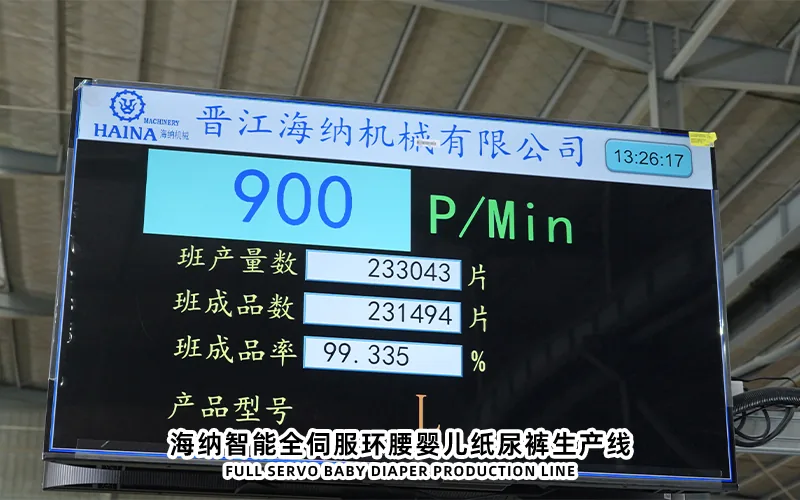
Site handover closes only when installed equipment and accepted infant diapers are both verified.
The handover dossier should contain as-built documents, backups, manuals, component and spare records, lubrication and maintenance plans, FAT and site test results, calibration or verification records as applicable, training evidence, open-item status, and contacts. Transfer ownership to named production, maintenance, quality, and engineering personnel. Schedule post-startup reviews based on actual operating evidence without promising an unverified service period.
Frequently Asked Questions
Who should approve the installation layout?
The supplier confirms equipment and access requirements, while qualified buyer site disciplines approve building, safety, utility, logistics, hygiene, and interface conditions. Production, maintenance, and quality should review operability before release.
Can utilities be finalized after the machine arrives?
Final connection work occurs during installation, but requirements, termination points, capacity basis, route, protection, and responsibilities should be approved earlier. Late utility design can obstruct access and delay controlled commissioning.
What materials are needed for commissioning?
Provide identified, approved or representative materials in sufficient quantity for threading, setup, stabilization, trials, samples, expected losses, and agreed changeovers. Record substitutions and keep trial products segregated.
When can production take ownership?
After defined safety, mechanical, utility, control, material, product, document, training, spare, and open-item gates are accepted by authorized functions. Mechanical completion alone is not operational handover.
Conclusion
An infant diaper production line installation succeeds when site readiness, physical assembly, interfaces, commissioning, competence, and acceptance are managed as one evidence chain. The project manager should now conduct a pre-delivery walkdown using the final package dimensions, layout, utility boundaries, and hold-point list. Review unresolved equipment requirements with HAINA, then authorize delivery only after every site owner can show the evidence needed for safe placement, controlled startup, and accepted infant diaper output.