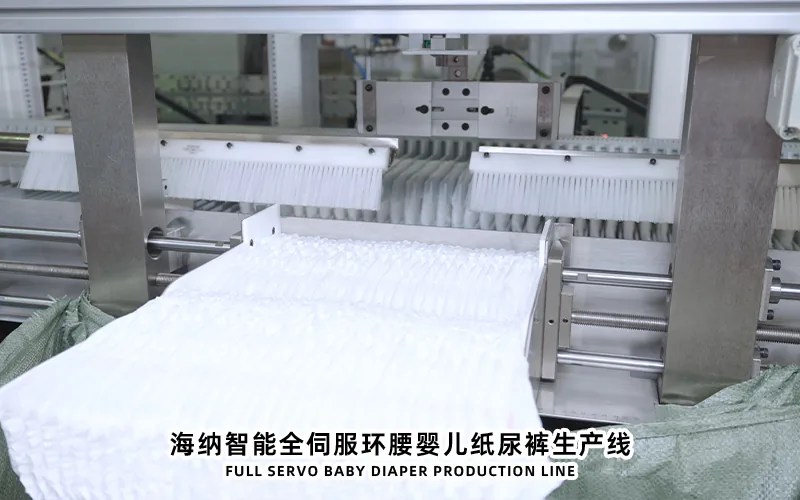
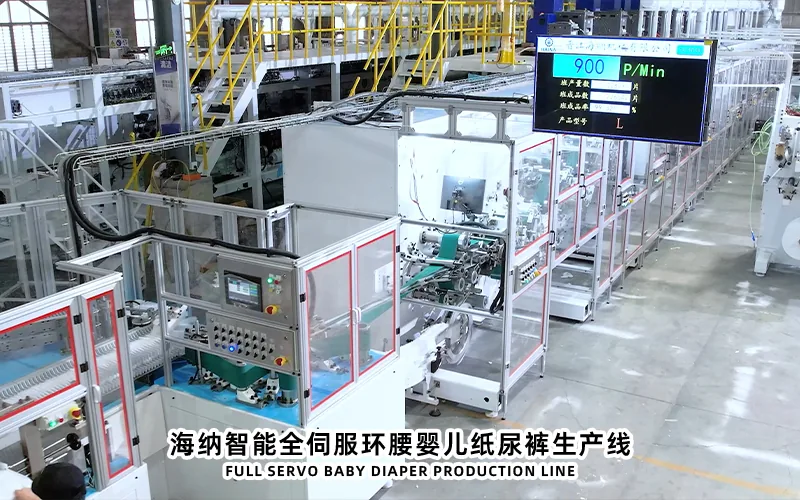
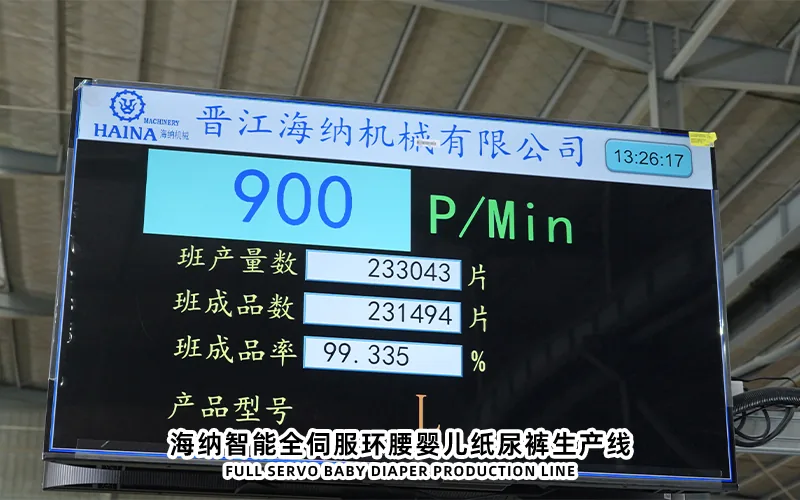
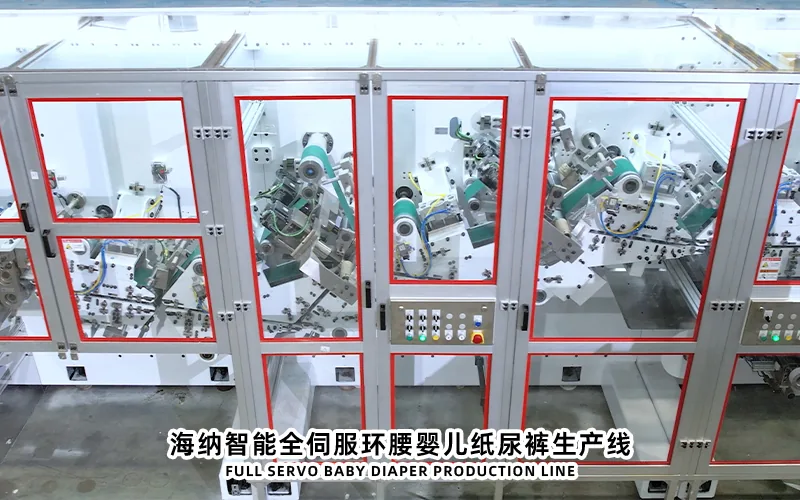
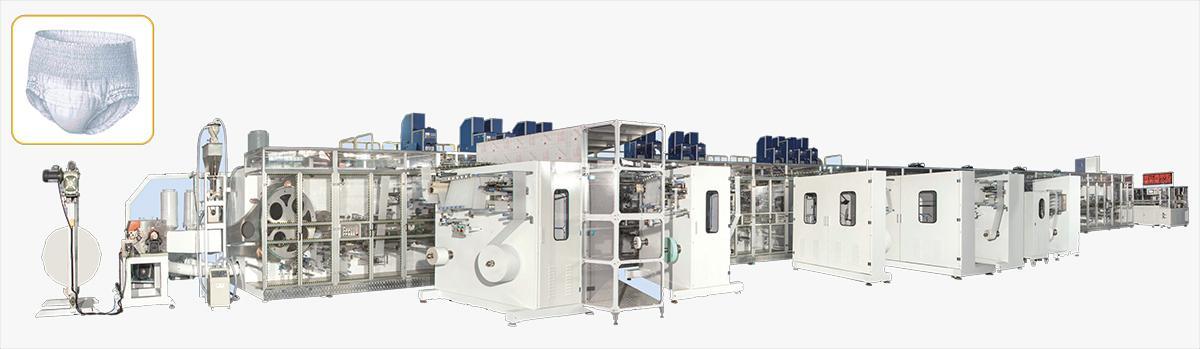
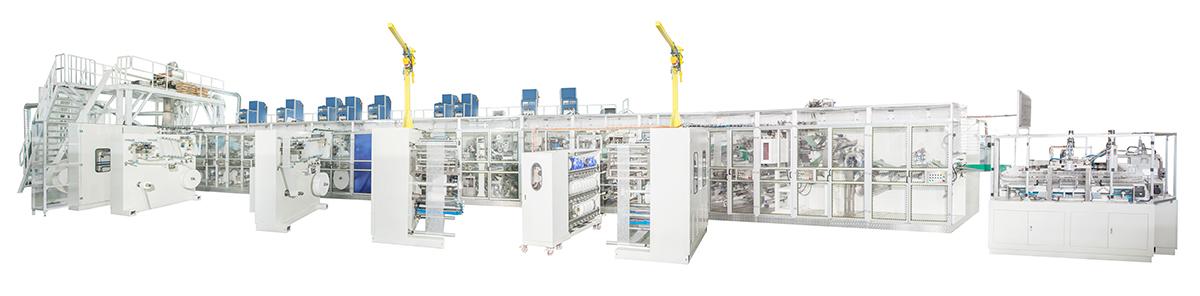
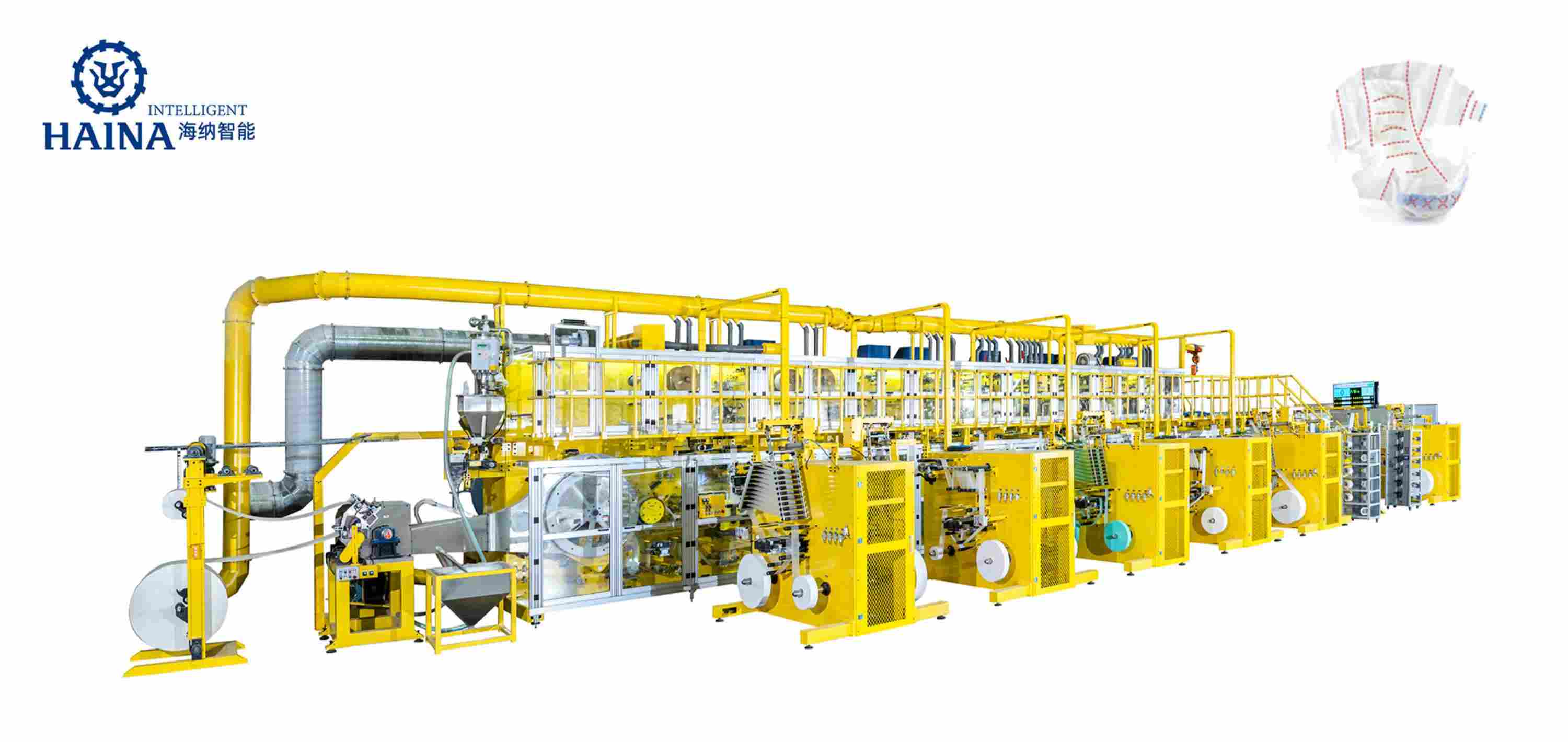
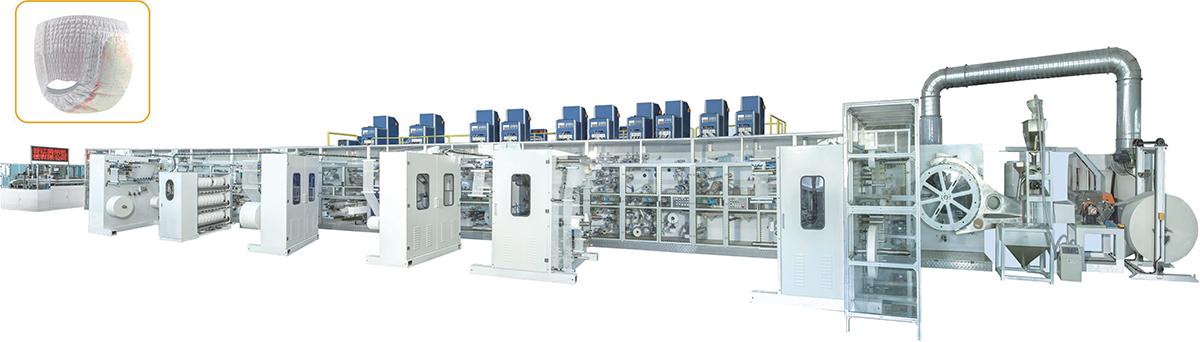
Effortless operation of a fully automatic baby diaper machine comes from disciplined preparation, stable material control, standard changeovers, and fast evidence-based response, not from leaving the equipment unattended. Before startup, operators must confirm guards, utilities, recipes, approved materials, web threading, adhesive readiness, inspection devices, and downstream capacity. During production, they should monitor tracking, core shape, component position, bonding, cutting, folding, alarms, rejects, and setup waste against defined references. Every stop or adjustment needs a reason code and handover record. Automation reduces repetitive actions only when trained people maintain the process window and verify saleable diaper quality.
Operating Model for a Fully Automatic Baby Diaper Machine
Automatic operation coordinates raw-material unwinds, absorbent-core processes, web transport, elastic and fastening application, bonding, shaping, folding, inspection, rejection, and transfer. The exact stations depend on configuration. The operating model should define normal, setup, changeover, controlled trial, cleaning, maintenance, and fault-recovery states. People need to know which actions and materials are allowed in each state and who can authorize transition to the next one.
Assign roles before the shift. The line leader owns status and escalation; operators own authorized setup, replenishment, observation, and records; quality staff own sampling and disposition; maintenance owns technical intervention; material handlers protect roll identity and staging; packaging staff manage the downstream interface. HAINA can support equipment and training review, but the factory must turn delivered operating information into site-approved work standards and competent task authorization.
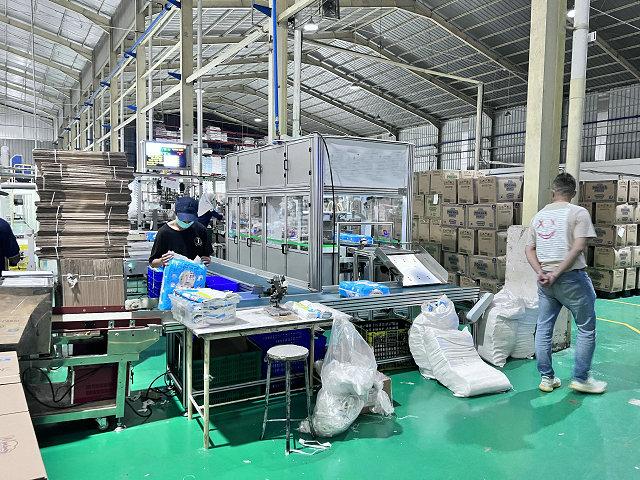
Clear operating states and role boundaries make coordinated automation easier to control.
Use a production order that identifies product code, recipe version, approved bill of materials, size, planned quantity, packaging handoff, quality plan, and special controls. Confirm that machine tooling and format parts match that order. Do not rely on familiar product names because similar diapers may use different webs, fastening components, elastic arrangements, or inspection settings.
Release Startup Through Readiness Gates
The first gate is safety and line clearance. Confirm protective devices are available, maintenance work is released, guards are restored, tools and removed parts are accounted for, access areas are clear, and utilities are in an approved state. Inspect material paths for remnants from the preceding run. A normal stop or emergency-stop reset is not a substitute for the site's required safety checks.
The second gate is material and configuration readiness. Verify roll and component identity, lot status, supply form, orientation, splice preparation, and staging sequence. Confirm the approved recipe, format parts, guide positions, cutter or folding configuration, sensor references, reject route, and downstream product presentation. Record substitutions or deviations and obtain approval before threading them into the line.
The third gate is process stabilization. Bring thermal, adhesive, vacuum, air, web tension, and motion functions to their documented states in the correct sequence. Run setup material under segregation. Inspect where each layer first enters and where each critical component is placed. Avoid increasing speed merely because a few samples look acceptable; first demonstrate that tracking, phase, bonding, cutting, folding, detection, and discharge remain stable over the agreed observation period.
Hold Stable Running Conditions
Stable running is a controlled condition, not a single speed display. It requires consistent input materials and utilities, repeatable settings, capable operators, acceptable product output, manageable alarms, and a downstream system that receives product without forcing repeated stops. Define a reference by product format and material set. Keep design speed, validated stable working speed, momentary operating speed, and contractual acceptance value as separate concepts.
Control point
Operator evidence
Early warning
First response
Unwinds and webs
Correct roll, stable edge and tension behavior
Wrinkle, wander, splice disturbance
Check roll loading, guide, surface, and tension inputs
Core process
Consistent shape, transfer, and containment
Dust change, uneven profile, displaced core
Inspect feed, vacuum, deposits, and upstream material
Elastic and fastening
Position and attachment samples
Drift, break, weak bond, incorrect orientation
Trace feed, detection, timing, and applicator condition
Bond and cut
Approved pattern, seal, dimensions, and edge
Stringing, open bond, ragged or phased cut
Check delivery, surfaces, compression, phase, and wear
Inspect and discharge
Challenge result and orderly product transfer
Repeated false reject, jam, mixed status
Protect product, verify tracking and physical reject action
Use centerline or reference-condition sheets that show what operators can observe and adjust. Each adjustment should have an allowed range, expected response, and escalation point. A reference is not universal: material friction, stiffness, elasticity, surface treatment, roll build, and ambient conditions can alter behavior. Changes outside normal setup authority require engineering review and a recorded trial.
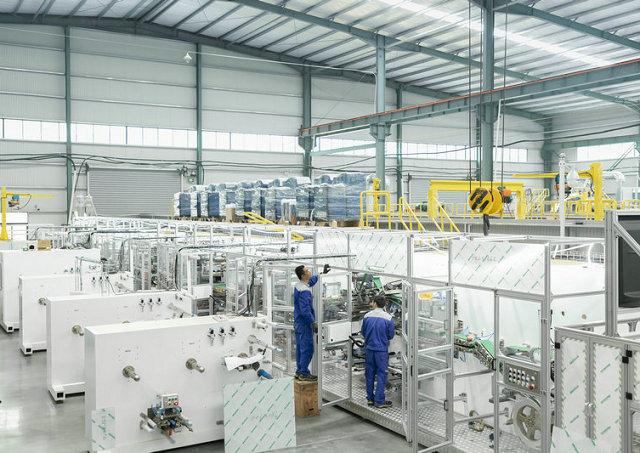
Stable operation depends on controlling web behavior and process timing across linked stations.
Protect the downstream interface. If packaging or transfer cannot accept output, use the approved accumulation and stop logic rather than allowing diapers to pile up or be manually redirected without status control. Confirm how downstream stops affect upstream adhesives, heat, core material, and webs. Define which products around a stop require segregation or additional inspection.
Respond to Quality Signals at the First Cause
When a defect appears, identify it in product terms and mark its sequence. Determine where it first becomes visible, then inspect upstream. A displaced component may originate with material guiding, tension, timing, sensor mounting, applicator condition, vacuum, or a recent splice. Weak bonding may reflect substrate, adhesive delivery, temperature, position, compression, contamination, or timing. Ragged cutting may involve debris, blade or anvil condition, product thickness, phase, alignment, or bearing condition.
Change one controlled variable at a time and retain before-and-after samples. Record the original setting before adjustment. If a parameter reaches the edge of its normal range, stop treating further compensation as routine and request technical inspection. Multiple simultaneous adjustments can hide the initiating cause and create a recipe that works only for the current roll.
Automatic inspection is one evidence source. Sensors check defined detectable characteristics and must be challenged under approved conditions. Operators and quality personnel still need dimensional, placement, bond, appearance, contamination, and functional checks according to the product plan. A screen showing no alarms does not prove conformity, and a rejected product does not prove that every similar defect was detected.
Standardize Product Changeovers
A changeover begins with preparation before the last good product of the current order. Stage verified materials and format parts, review the next recipe and drawing, prepare cleaning and waste containers, confirm tools, and identify tasks that require isolation. Define the last accepted unit, remaining material disposition, line-clearance boundary, and first setup unit for the new order.
Perform work in a fixed sequence that reduces crossed adjustments. Clean exposed paths, replace identified parts, set mechanical references, load the approved recipe, verify sensor and guide positions, thread materials, and conduct low-risk checks. Use marked check sheets for parts that can be installed in the wrong orientation. Independent verification is valuable for cutters, folding parts, sensors, protective devices, and any adjustment with a high product or safety consequence.
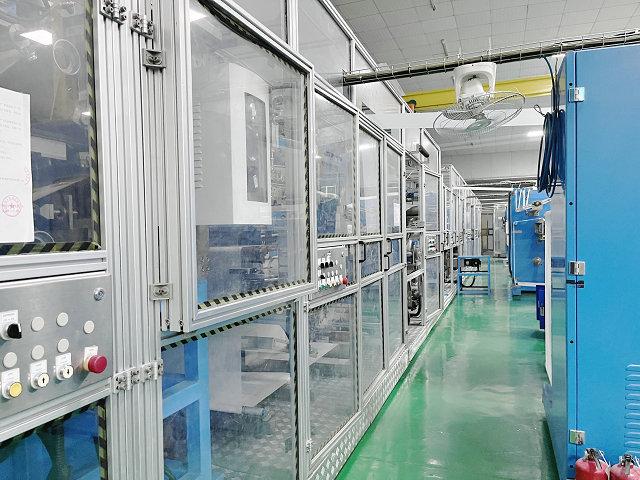
Prepared format parts and a fixed sequence reduce missed steps during diaper size changes.
Measure changeover performance by separating planned stop time, cleaning, mechanical conversion, material threading, process stabilization, quality release, and downstream readiness. This reveals the real constraint. Shortening safe isolation or acceptance is not improvement. Better preparation, external staging, clearer references, verified tooling, and parallel work outside shared hazard zones usually offer more durable gains.
Control Downtime and Startup Waste
Create downtime codes that distinguish waiting, planned cleaning, material issue, web break, core process, adhesive, cut or fold, automation, utility, quality hold, packaging, and maintenance. Require a brief factual note for significant or repeated events. The first alarm, first product symptom, operating state, format, material lot, and recent change are more useful than a final message saying the machine was reset.
Separate setup material, process defect, trim or expected process loss, quality sample, rejected product, and material damaged by a stop. Weigh or count using the factory method and assign cause at the point of generation. Do not judge an operator solely by a waste total without considering product mix, planned trials, and material behavior. Use recurring categories to select investigations and verify whether actions moved the loss.
For a stop, protect people and product first. Stabilize or isolate the machine according to the procedure, identify the affected material window, preserve alarm and sample evidence, and decide who owns diagnosis. After repair or adjustment, repeat the necessary startup gates. Buyers reviewing a fully automatic baby diaper production machine should include stop recovery, reject segregation, and recipe restoration in FAT scenarios.
Build a Useful Shift Evidence Pack
The shift record should show order and recipe, material lots, start and release times, changeovers, operating observations, quality samples, downtime by cause, rejects, setup and process waste, maintenance work, temporary controls, and unresolved issues. Keep timestamps synchronized enough to connect alarms, samples, and interventions. Operators should record settings changed outside routine automatic control and the reason.
Handover is a decision meeting, not a file transfer. At the line, identify current state, product status, material remaining, condition trends, open work, disabled or restricted functions, samples awaiting disposition, and the next planned event. The incoming leader should repeat critical restrictions and confirm authority. Use photographs or marked samples where they explain a defect better than text, but label them with product, location, time, and lot context.
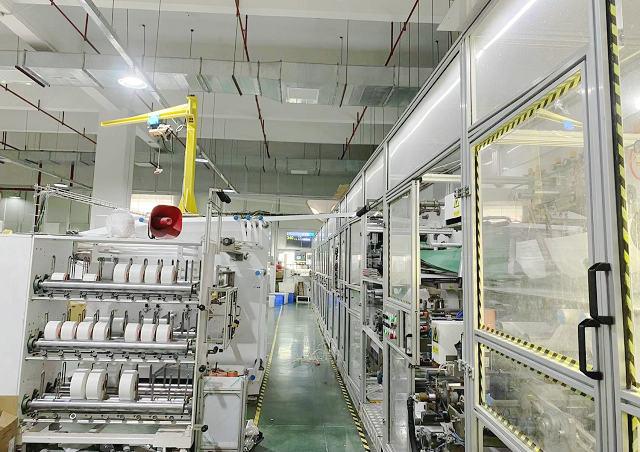
Shift evidence should connect stable machine operation with accepted finished products.
Review the pack daily for actionable patterns: repeated alarms before a web break, rising setup time on one size, increasing adjustment to hold component position, recurring waste after a splice, or packaging stops that disturb the line. Assign an owner and verification method. Close an action only after the next relevant product run shows whether the change worked.
Frequently Asked Questions
Can one operator run a fully automatic diaper line?
Staffing cannot be assumed from the word automatic. It depends on configuration, material replenishment, splice method, quality checks, packaging interface, factory rules, and response needs. Validate tasks and workload during trials under the intended operating mode.
What is the best speed for routine operation?
Use a validated stable condition for the specific product and materials, within approved equipment and process limits. Do not equate design speed with daily stable speed or a contractual acceptance value. Verify quality, stops, and downstream behavior together.
How should operators respond to repeated automatic adjustments?
Trend the correction and inspect the related material, guides, tension devices, sensors, mounts, contamination, and mechanical condition. Repeated compensation can hide drift. Escalate when the reference approaches its allowed boundary or product variation increases.
When is startup output saleable?
Only after line clearance, correct order and materials, stable process observations, required sensor or reject checks, and product inspection meet the factory release plan. Keep all earlier setup material identified and segregated until disposition.
Conclusion
Effortless use of a fully automatic baby diaper machine is the result of controlled startup, stable references, disciplined diagnosis, prepared changeovers, clear loss data, and precise handover. The production manager should now observe one complete order from line clearance through shift transfer and compare actual evidence with the operating standard. Ask HAINA to clarify equipment-specific setup, training, and FAT checks, then verify the highest-risk changeover and stop recovery with accepted samples before approving routine operation.