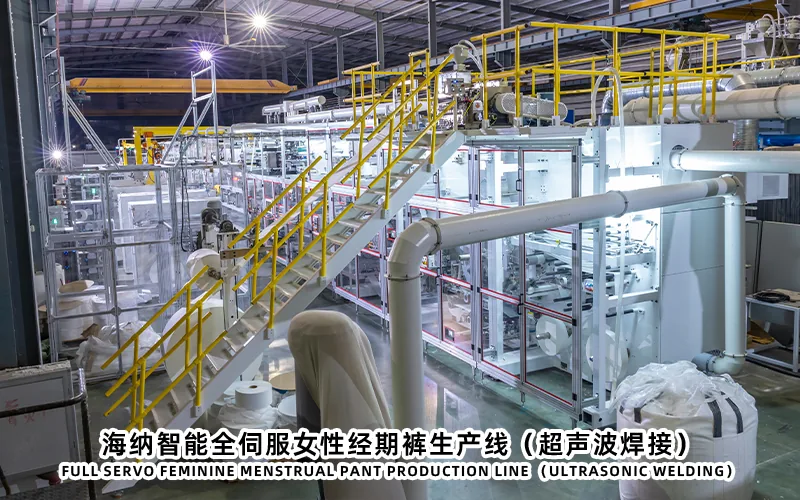
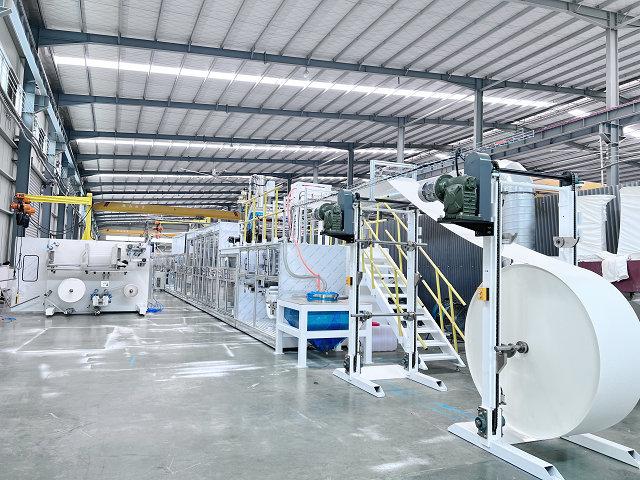
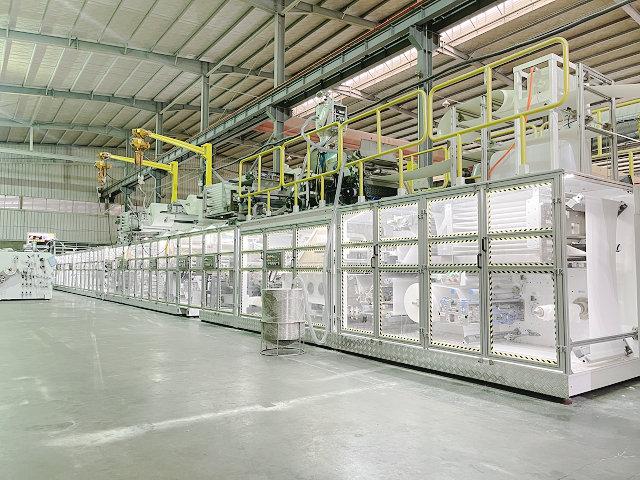
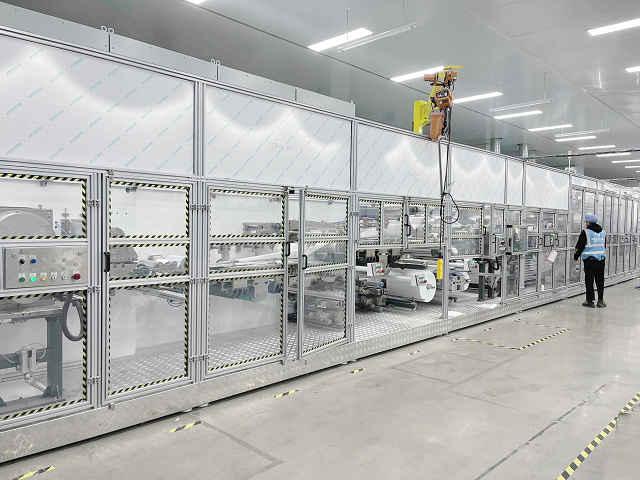
In this industrial context, "lady diaper" should be clarified as a specified menstrual pant or feminine absorbent pull-on product before selecting equipment. The right diaper production line must match the product's absorbent body, waist and leg elastic zones, side seam, fit dimensions, material properties, folding sequence, and pack presentation. Procurement engineers should prioritize the product's stretch-control window, seam verification, size setup repeatability, and change-part management. Compare candidates with traceable material trials, measured samples, controlled restarts, and a witnessed size change, then make FAT, training, documentation, maintenance, and factory-interface evidence part of technical acceptance.
Replace Lady Diaper With a Controlled Definition
The locked title uses informal terminology that is too broad for engineering. State whether the target is a menstrual pant and distinguish it from adult incontinence pants, taped briefs, and baby products. Define intended use without unsupported health claims. Then issue drawings for launch sizes with finished dimensions, absorbent body, layer sequence, acquisition components, leg opening, waist construction, side-seam design, elastic zones, fold, and pack orientation.
Identify critical-to-quality characteristics. These may include absorbent-body position, waist and leg geometry, side-seam location and approved performance, symmetry, component registration, folded appearance, and contamination status. Assign a measurement or comparison method, instrument where relevant, sample rule, and disposition. The buyer's product and quality teams own these values; a machine supplier should not invent them during the trial.
Separate product maturity levels. Launch sizes require complete compliance and FAT evidence. Planned extensions need an engineering and tooling response. Concepts remain outside accepted capability until developed and trialed. This framework prevents procurement from paying for vague future flexibility while allowing line provisions to be evaluated honestly.
Replace the broad product label with controlled menstrual-pant dimensions, layers, seams, and presentation.
Specify the Diaper Production Line Process Window
Map every product layer to the proposed process: material unwinding, web guidance, absorbent-core preparation or feeding, acquisition-layer placement, top and back sheet handling, leak guards, elastic introduction, chassis assembly, cutting, product orientation, seam formation, inspection, rejection, folding, counting, and pack transfer. Mark included, optional, excluded, and buyer-supplied functions.
A process window defines approved combinations of material state, recipe, mechanical setup, joining controls, and operating condition that produce acceptable products. Begin with supplier commissioning data, then validate it using production-intent materials and buyer quality methods. Protect recipes by user permission and change control. Operators should know which adjustments they may make and when a deviation requires technical escalation.
Keep design speed, demonstrated stable working speed, routine operating speed, and contractual acceptance output distinct. The process window can differ by size and material combination. During a witnessed trial, record product, material lots, settings, stops, interventions, samples, rejects, and downstream condition. Do not compress these variables into one unqualified speed number.
Evaluate Elastic Recovery and Registration
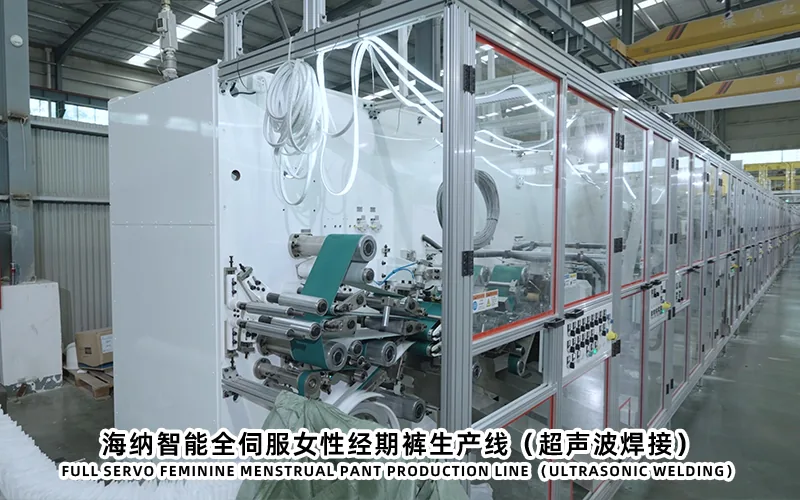
Elastic systems influence fit-related geometry and line stability. Provide material data for elastic strands, laminates, nonwovens, and films, including roll presentation and controlled stretch or recovery properties where applicable. Confirm storage and conditioning requirements through the material specification. Changes in material response can alter tension, registration, folds, seams, or finished dimensions even when nominal width remains unchanged.
Ask the supplier to explain tension zones, isolation, guiding, application, registration references, and response to splice events. Witness startup and a controlled stop because elastic webs can change state during acceleration or loss of tension. Label products before, during, and after the event and measure them according to the approved method. This reveals whether quality is automatically contained until the process returns to its window.
Alternative materials require a qualification sequence. Compare data, inspect roll presentation, run a controlled trial, record settings and interruptions, measure product samples, and approve or reject the combination. Avoid changing several stretch materials simultaneously because the resulting variation becomes difficult to diagnose.
Elastic material behavior should be checked through startup, steady running, splices, and controlled stops.
Control Side-Seam Formation
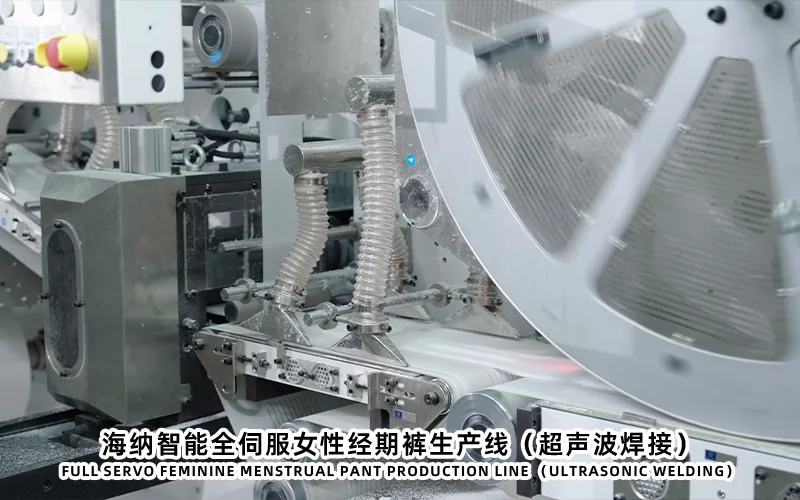
The side seam converts a flat or folded chassis into a pull-on form, so its method and product criterion need specific review. Define seam geometry, location, appearance, opening behavior, and any physical test through the buyer's validated product specification. Ask where joining conditions are controlled, monitored, or inspected and how startup material is handled.
Witness challenges that represent approved risks: a normal startup, production after a splice, controlled restart, and a size setup. Measure seam position and other product characteristics over time. Verify that the reject device removes products identified by the supplied inspection function and that failed or uncertain output remains segregated. Online inspection cannot replace every offline seam test.
Maintenance planning should cover accessible joining components, cleaning, inspection, tooling condition, consumables where applicable, calibration or verification tasks, and controlled parameter authority. Obtain part identification and replacement guidance. A stable seam depends on maintained equipment and materials, not only initial settings.
Correlate seam results with the exact side-panel or laminate lot, joining-tool condition, recipe, restart event, and sample time. If results drift, preserve failed and accepted examples and review one variable at a time. This record distinguishes a material response from tooling wear or setup error and gives the supplier a reproducible condition for corrective testing instead of a general complaint about seam quality.
Engineer Repeatable Size Setups
List what changes for each size: recipe, guide positions, elastic or component locations, absorbent geometry, cutters, folding equipment, seam setup, inspection regions, conveyors, count recipe, and packer interface. Request a change-parts list with identification, included quantity, storage location, lifting needs, and wear checks. If material widths change, include the line-side inventory and slitting implications.
Use a centerline sheet that records approved mechanical positions and recipe versions. During changeover, verify the next order and materials, clear the old product, clean, install checked tooling, select the recipe, thread, perform dry checks, run setup material, measure first pieces, correct through authorized steps, and release only after quality approval. Record waiting separately from active work.
Repeatability matters more than one fast expert change. Have trained plant roles perform the sequence and, where practical, return to a previously established size. Investigate unexplained adjustments. Tooling damage, misidentification, material state, and outdated recipes can all create first-piece variation.
Size flexibility should be demonstrated through controlled tooling, centerlines, samples, and quality release.
Verify Inspection and Folded Presentation
Create an inspection coverage matrix. For each online sensor or camera, record the characteristic, detectable condition, challenge method, alarm, reject point, confirmation, and response to repeated faults. List offline checks beside it. Define product status if inspection is bypassed, unavailable, or uncertain. The matrix prevents assumptions that an installed vision system sees every product risk.
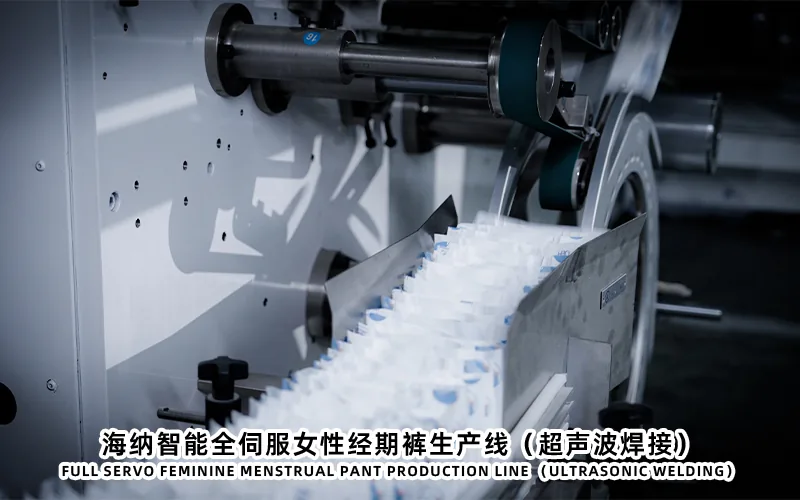
Folding and presentation affect downstream handling and consumer pack appearance. Specify final dimensions, orientation, count, stack condition, compression where relevant, and packer handoff. Test products after they have had time to recover according to the approved method. Check that folded articles do not reopen, twist, or damage seams before packing.
Stage a downstream blockage under safe agreed conditions. Observe accumulation, controlled slowing or stopping, product containment, alarms, reject handling, and restart. Inspect the first products after recovery. The converting line and packing process must behave as one controlled system even if different suppliers own the equipment.
Use a Process-Capability Scorecard
Process challenge
Proof requested
Witness sample
Limitation to record
Elastic stability
Material data and control narrative
Startup, run, splice, and restart products
Approved material window
Seam control
Joining settings and inspection scope
Labeled seam measurements over time
Offline tests still required
Size repeatability
Tooling register and centerlines
First accepted products after change
Manual adjustments and staffing
Fold and packing
Discharge and interface specification
Stacks before and after blockage
Accumulation capacity and product state
Handover readiness
Documents, training, spares, backups
Plant staff task demonstrations
Open competence or document gaps
Process-window acceptance record
Product drawing, material lots, tooling, recipe, and software version.
Approved operating condition and all interventions during the test.
Time-linked samples for fit, seam, registration, fold, and appearance.
Inspection challenges, rejects, offline tests, and product disposition.
Changeover timeline through first accepted product.
Limits, deviations, retests, owners, and approval signatures.
Transfer the Accepted Process to the Factory
FAT should create the baseline for site startup. Preserve process diagrams, layout, utilities, recipes, centerlines, tooling, trial lots, samples, inspection coverage, alarm tests, stable-run logs, and open items. Link each requirement to evidence. Shipment release should not erase conditional items; they remain controlled until the named closure test is accepted.
Train by role and task. Operators demonstrate material verification, preparation, startup, checks, normal stop, first alarm response, cleaning, and changeover support. Maintenance demonstrates inspection, joining-system care, safe access, diagnostics, parts identification, and backup restoration. Quality demonstrates sample traceability, measurement, containment, and release. HAINA can support process review and training for the agreed configuration while factory management verifies competence.
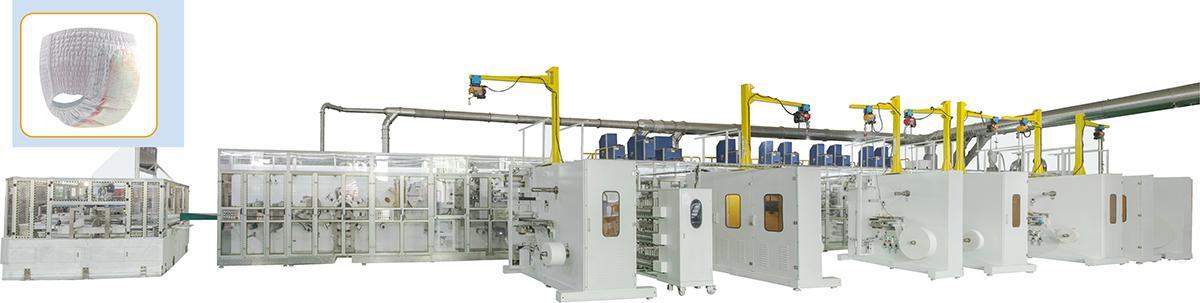
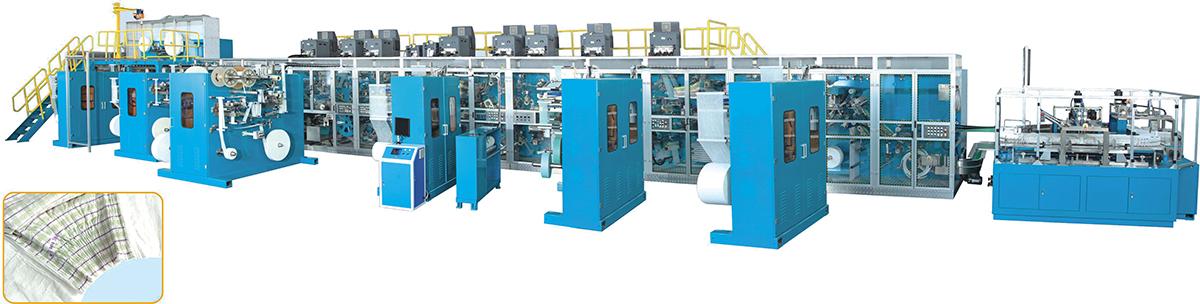
Use the menstrual pants production equipment as the relevant product reference, then request a project compliance matrix for the exact sizes, elastic materials, seam design, inspection, fold, and packing boundary. This converts the vague locked title into a precise operating and acceptance scope.
Process handover should preserve the accepted product window, evidence, documents, and role competence.
Frequently Asked Questions
What product does lady diaper machinery mean?
The phrase is not technically precise. For this equipment scope, define the intended menstrual pant explicitly and distinguish it from adult incontinence or baby products before requesting a line.
Why can elastic materials affect machine selection?
Their roll form, stretch, recovery, friction, and bonding behavior influence tension control, registration, fit dimensions, joining, and restart quality. Trial production-intent grades.
Can a camera prove every side seam is acceptable?
No. It can only detect specified visible or measurable conditions. Maintain approved offline tests and challenge the actual inspection and rejection functions included in the project.
What is the best proof of multi-size capability?
A controlled change using included tooling and trained roles, followed by measured first products and stable samples, is stronger evidence than a size-range statement.
Conclusion
The right lady diaper production line is really the right menstrual-pants process for a defined product, material set, size mix, and factory. Its critical proof lies in elastic recovery, registration, side seams, repeatable setup, folded presentation, and quality containment during starts and stops. Before technical release, conduct a process-window FAT using the approved launch material, collect time-linked samples, challenge seam inspection, change sizes through first accepted product, and stage a packing blockage. Require the operating team to repeat key tasks and sign the centerline, inspection, and open-item records before approving shipment.