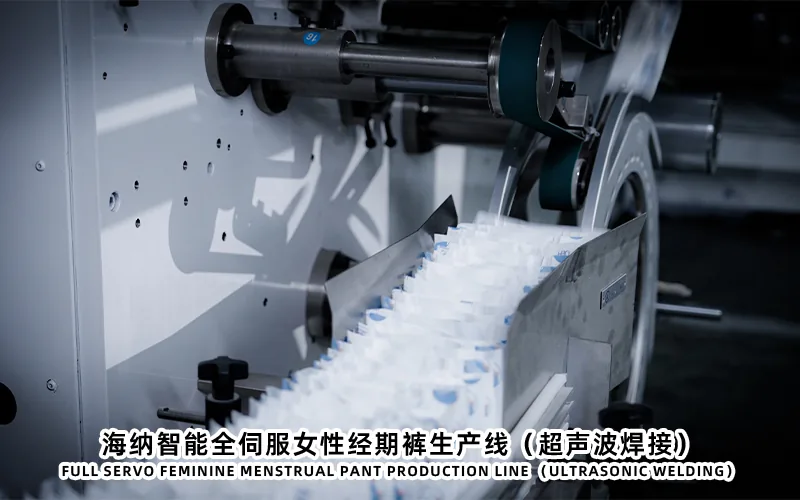
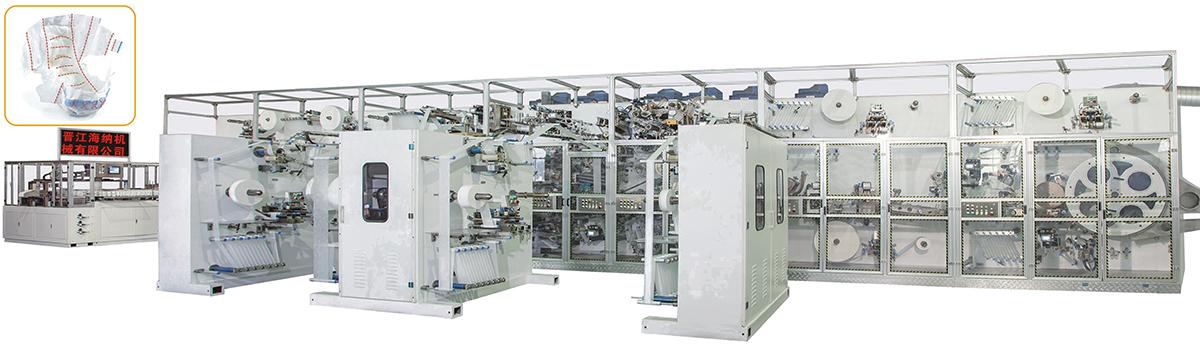
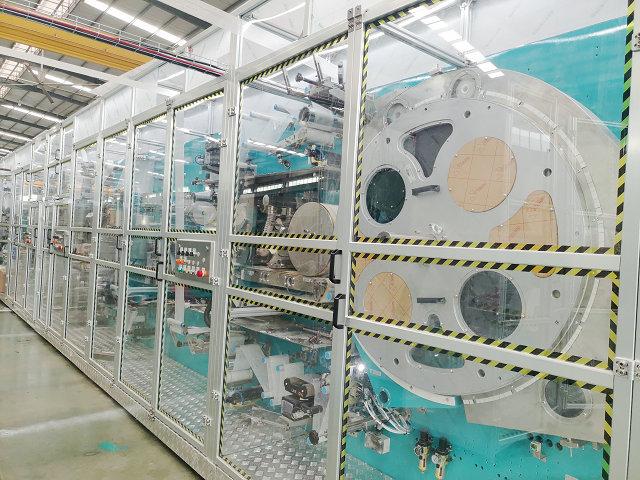
Select a female diaper manufacturing machine as a menstrual pants system whose forming process matches the intended wearer fit, absorbent protection, materials, size set, and factory workflow. Define body dimensions, waist and leg openings, elastic zones, absorbent core position, barriers, side joining, product fold, quality methods, and pack transfer before requesting offers. Then verify included stations, material behavior, recipe and change-part control, stable conforming output, inspection limits, maintainability, and supplier evidence. A physical sample alone is insufficient. The buyer should require controlled drawings and a witnessed FAT that measures representative products and proves the agreed configuration under identified production-intent materials.
Define the female product and fit requirements
The title's phrase female diaper should be clarified early: in this equipment context, the relevant product is disposable menstrual pants, not a taped infant diaper or a reusable garment. Procurement should use the locked title while defining the actual product construction in all technical documents. A clear boundary prevents the wrong line architecture, test sample, or product expectation from entering the project.
Begin with a controlled size drawing. Show the flat product, finished body, waist opening, leg openings, front and back orientation, core location, body materials, elastic zones, barriers where used, joining area, cut profile, and final fold. State how dimensions are measured and at what conditioning state. An elastic product can produce inconsistent measurements if stretch, relaxation time, fixture, or measurement force is not controlled.
Fit is not established by a size label alone. The product owner should define body and opening dimensions, elastic placement, recovery checks, side-join requirements, core coverage, and any wearer-panel or laboratory evaluation outside machine FAT. The equipment supplier can demonstrate dimensional and process capability under agreed methods, but should not be asked to guarantee consumer preference without a defined, controlled validation program.
Build a product family matrix showing common and different materials, size dimensions, elastic count and zones, core geometry, side construction, recipes, change parts, inspection settings, and pack presentation. Identify boundary conditions such as the widest product, smallest opening, most complex elastic arrangement, or material with the highest processing uncertainty. These conditions guide trials and acceptance sampling.
A controlled product drawing should define body geometry, openings, absorbent coverage, and process orientation.
Functions of a female diaper manufacturing machine
Map each product element to an installed function. Review absorbent input handling, core formation, core wrapping or containment, nonwoven and film unwinding, web guiding, tension control, elastic feeding and application, barrier construction, adhesive delivery, layered assembly, folding, side joining, contour or product cutting, final forming, inspection, rejection, counting, and packaging transfer. Ask for a process narrative that follows one product through the complete line.
Classify every function as included base equipment, selected option, prepared future provision, buyer-supplied item, or exclusion. Automatic is not a sufficient description. The line may still require manual roll preparation, splicing, loading, inspection samples, recipe selection, change parts, waste removal, product transfer, or packaging intervention. Labor planning should reflect those tasks and the expected product mix.
Inspection scope needs a defect matrix. A sensor that detects material presence does not necessarily measure its position. A registration sensor does not prove side-join strength. Vision may cover selected visible characteristics but cannot replace all dimensional, absorbent, bond, or functional checks. Require the detection point, threshold control, alarm response, tracking method, reject action, reject confirmation, and uninspected risk for every claimed feature.
Review upstream and downstream boundaries. Roll handling, material conditioning, adhesive supply, dust extraction, utilities, laboratory equipment, waste removal, counting, bagging, coding, case packing, and production data may sit outside the main line. Interface documents should identify product orientation, elevation, spacing, accumulation, communication signals, fault behavior, commissioning ownership, and safety integration.
Control elastic zones and side joining
Waist and leg elastic systems are central to menstrual pants geometry. The supplier needs elastic material data, feed form, quantity or layout, target placement, extension or process control concept, bonding method, and approved operating window. The buyer needs a repeatable method for measuring placement, opening dimensions, and recovery on conditioned samples. The method should account for natural variation without hiding process drift.
Ask how each elastic path is threaded, controlled, monitored, and changed. Identify what happens after a break, splice, material end, or reference loss. Determine whether a missing or displaced element is detected and how affected products are tracked and rejected. During a trial, label samples before and after a controlled stop or material event so quality can verify recovery.
Side joining turns the converted web into a wearable pants shape. Confirm the joining process, supported material constructions, alignment method, process controls, edge treatment, inspection, and safe maintenance access. The product specification should define appearance, location, and the factory's selected strength or integrity test. The machine supplier should state what can be controlled online and what remains an offline sample test.
Fit-critical feature
Machine evidence
Buyer method
Acceptance limitation
Waist opening and elastic zone
Feed layout, station range, settings, material trial
Controlled opening and recovery measurement
Applies to tested material, size, and method
Leg opening
Elastic position and cutting or forming sequence
Left-right dimensions and visual continuity
Wearer fit needs separate product validation
Side joining
Alignment control, process parameters, station inspection
Appearance, position, and agreed integrity test
Material changes require compatibility review
Core coverage
Core formation and placement records
Geometry and distribution measurements
Absorbent performance follows the product test plan
Final body symmetry
Web guiding, folding, transfer, and cut controls
Reference dimensions on labeled samples
Measurement state and fixture must be defined
Elastic and joining evidence should connect feed conditions to measured openings, alignment, and released sample results.
Qualify absorbent and body materials
For every input, compile supplier reference, function, width, roll diameter, core, winding direction, splice form, surface condition, thickness or basis data, extensibility, stiffness, storage requirement, and test lot. Include topsheet, distribution material if present, core inputs, tissue or wrapping layers, backsheet, body nonwovens, barriers, elastics, joining materials, adhesive, and optional components.
Material labels do not establish process compatibility. A soft nonwoven may stretch or wander under tension. A film or laminate may wrinkle, carry static, or respond differently to bonding. Elastic materials vary in feed and relaxation. Absorbent inputs can alter core formation and housekeeping. Joining performance can change with surface treatment or thickness. These variables need controlled trials, not assumptions from a nominal specification.
Use production-intent materials for FAT when feasible, identified by lot and roll position. Record roll preparation, storage condition, splices, threading, settings, alarms, adjustments, samples, and rejected material. If a test substitute is necessary, agree which process questions it can answer and which must remain open. Do not use successful operation on one material to approve an untested alternative.
Material change control should continue after installation. Require a factory review of the new data, sample trial, risk to settings and quality, inspection response, recipe revision, and release authorization. Preserve old and new material references, trial results, approved settings, and trained-person notification. This protects fit and absorbent construction from uncontrolled sourcing changes.
Verify size flexibility with evidence
Size flexibility is valuable only when the required work and evidence are visible. For each size, identify common stations, adjustable ranges, dedicated change parts, material widths, recipes, inspection limits, sample methods, fold or discharge format, and packaging changes. Confirm how parts are labeled, cleaned, protected, stored, installed, and independently checked.
For a size conversion, start the clock at the final released pants in the departing size and finish when the first measured pants in the incoming size receives release. Separate line clearance and isolation, parts exchange, mechanical adjustments, roll changes and threading, recipe selection, sensor setup, trial production, measurements, and release. This complete interval can be planned; a headline mechanical-change time cannot.
Size-flexibility evidence register
Approved size drawing and bill of materials for every promised format.
Station-by-station range review with common and dedicated hardware marked.
Controlled recipe list, access rights, backup, and approved parameter ranges.
Change-part inventory with identity, storage, lifting, tools, and verification points.
Representative or boundary-size FAT samples measured under a stated condition.
Witnessed changeover record showing time, material, interventions, and first-pass result.
Open limitations assigned to engineering trial or contract exclusion before award.
A supplier can help estimate a changeover, but performance depends on material staging, trained personnel, equipment condition, tools, and quality availability. If a contractual value matters, define the product pair, starting and ending states, task boundary, staffing, material readiness, inspection method, and interruption rules.
Size flexibility includes hardware, recipes, materials, trial output, measurements, and quality release.
Design a fit-focused FAT
The FAT should verify configuration and product evidence, not simply show movement. Reference the signed station list, product drawings, size matrix, material lots, recipe versions, quality methods, calibrated or agreed instruments, stable-run conditions, sampling points, alarm and reject tests, changeover scope, and required documents. State how interrupted tests and deviations will be handled.
Begin with installation and identity checks. Witness material loading and startup, then label the first accepted products. During the agreed run, record stops, setting changes, rejected or held output, samples, material events, and manual interventions. Measure dimensions, elastic zones and openings, core coverage, joining, symmetry, and other released characteristics at defined times. Challenge inspection and reject functions only through safe, agreed methods.
Keep speed terms distinct. Design speed is not the same as stable working speed. The buyer's normal operating speed may be lower based on materials, quality, staffing, maintenance, and packing. A contractual acceptance value applies only to its protocol conditions. Reconcile conforming output and quality evidence rather than rewarding a momentary displayed maximum.
The menstrual pants production equipment category aligns with this product boundary. HAINA can review the controlled drawings, material assumptions, and FAT sample plan during requirement engineering. Procurement should convert accepted answers into configuration records and measurable tests.
Evaluate factory and lifecycle readiness
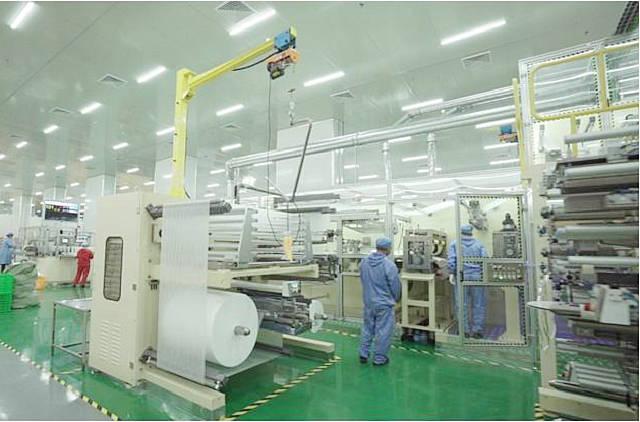
Review the factory layout for roll routes, service clearance, operator movement, sample collection, change-part storage, lifting, cleaning, waste handling, and access to joining, cutting, elastic, adhesive, sensor, drive, and control areas. Confirm utility specifications and ownership, environmental needs, extraction, network requirements, and packing interfaces. Site assumptions must be resolved before equipment dispatch.
Maintenance documents should contain task steps, isolation, interval or condition trigger, wear limits, tools, measurements, parts, and safe restart checks. Inspect document samples before award. Evaluate critical spares by failure consequence, probability, lead-time exposure, interchangeability, and storage. Confirm the route for component obsolescence, approved substitutes, software backup, and recipe restoration.
Training should be role-based and practical. Operators demonstrate threading, startup, normal monitoring, sample response, size change, cleaning, stop recovery, and release handover. Maintenance personnel demonstrate safe inspection, replacement, alignment, diagnosis, backup, and restart. Quality personnel demonstrate product conditioning, fit-critical measurements, defect classification, and hold or release records.
Use pass or fail gates for product and factory compatibility, then a weighted evidence score for configuration, materials, stable output, inspection, flexibility, maintainability, documents, training, spares, warranty, and support. Commercial comparison must include options, size parts, auxiliary systems, site work, test materials, commissioning, and lifecycle obligations on the same boundary.
Factory readiness joins the machine layout with people, documents, spares, utilities, interfaces, and verification work.
Frequently Asked Questions
What product does female diaper mean in this article?
It means disposable menstrual pants in the assigned equipment context. Buyers should use that precise product definition in technical documents while retaining the locked historical title.
Can machine FAT prove consumer fit?
FAT can verify controlled dimensions, elastic zones, openings, construction, and process evidence. Wearer preference or fit claims require a separate product-validation plan defined by the brand owner.
Why define the measurement state for elastic products?
Stretch, relaxation time, fixtures, and measurement force can change results. A common method is necessary for comparing sizes, samples, and suppliers.
Which size should be tested first?
Choose representative and boundary conditions based on geometry, elastic complexity, materials, change parts, and business importance rather than selecting only the easiest format.
Conclusion
A female diaper manufacturing machine should be selected against a controlled menstrual pants fit architecture, not a generic product sample. The buyer must define the body, elastic zones, openings, joining, absorbent coverage, size matrix, quality methods, and factory interfaces, then demand traceable supplier evidence. Send HAINA the drawings, production-intent material data, measurement methods, and scorecard for requirement review. Approve the selected configuration only after a witnessed FAT measures labeled representative products, proves stable operation and rejection, demonstrates a high-risk size change, reconciles output, and closes every fit-critical deviation with objective evidence.