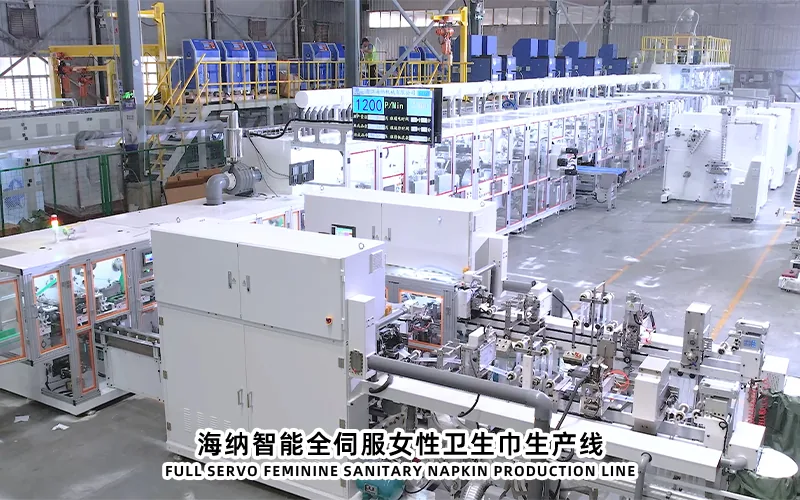
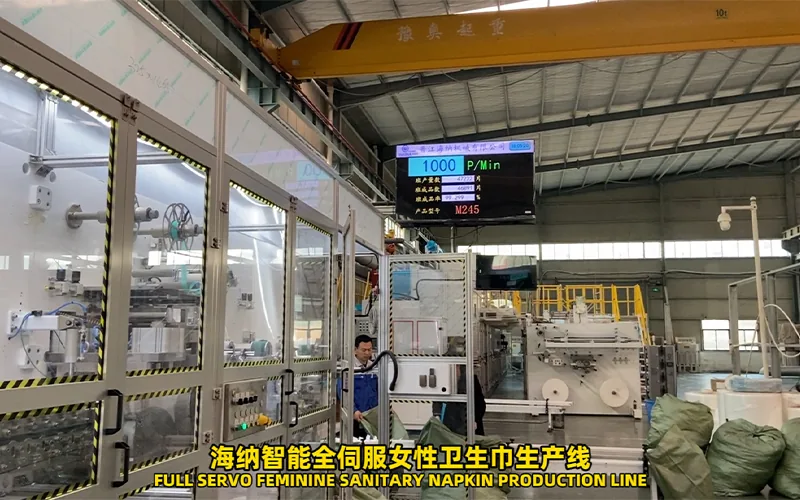
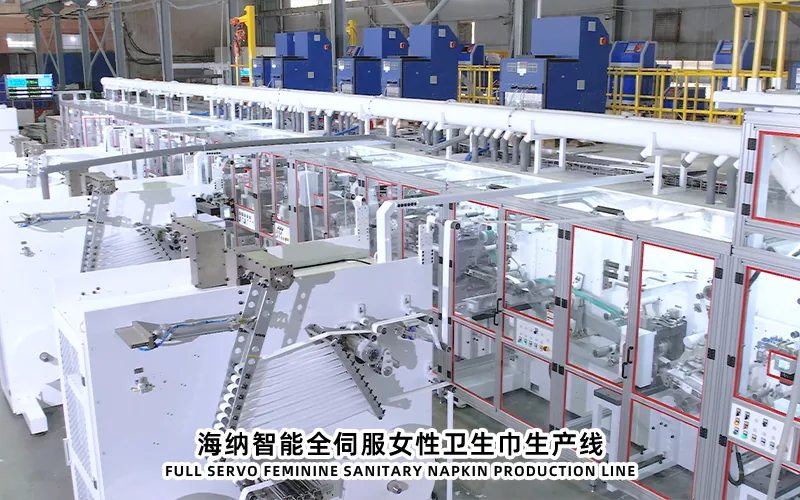
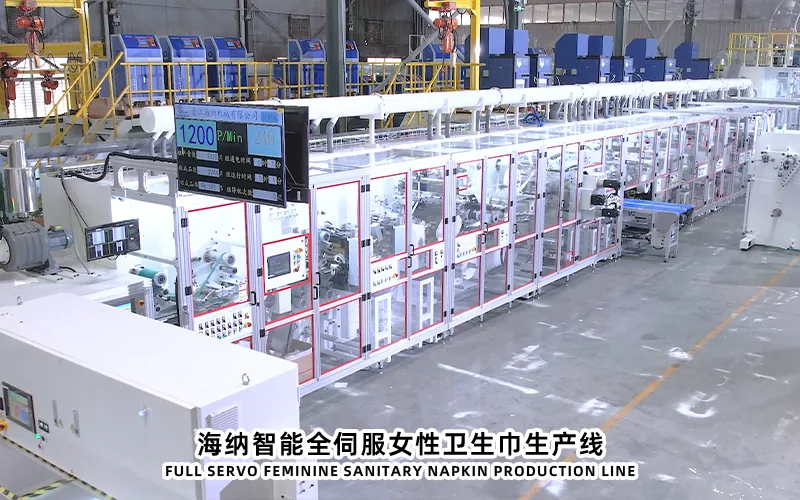
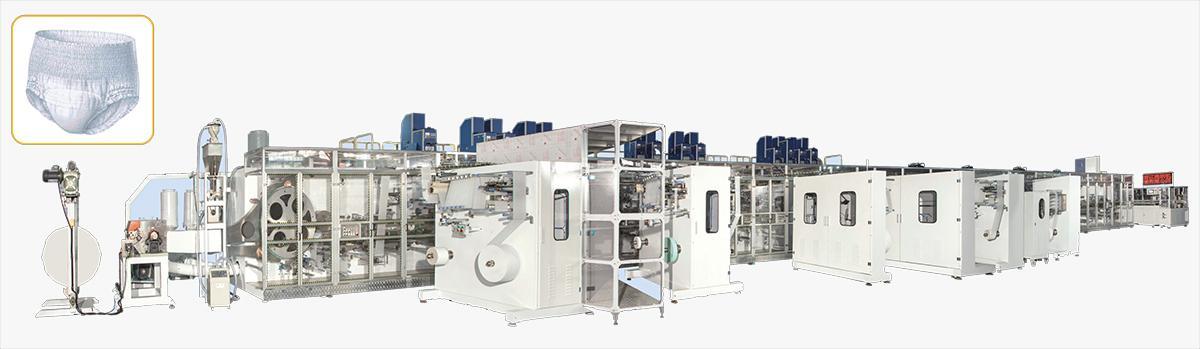
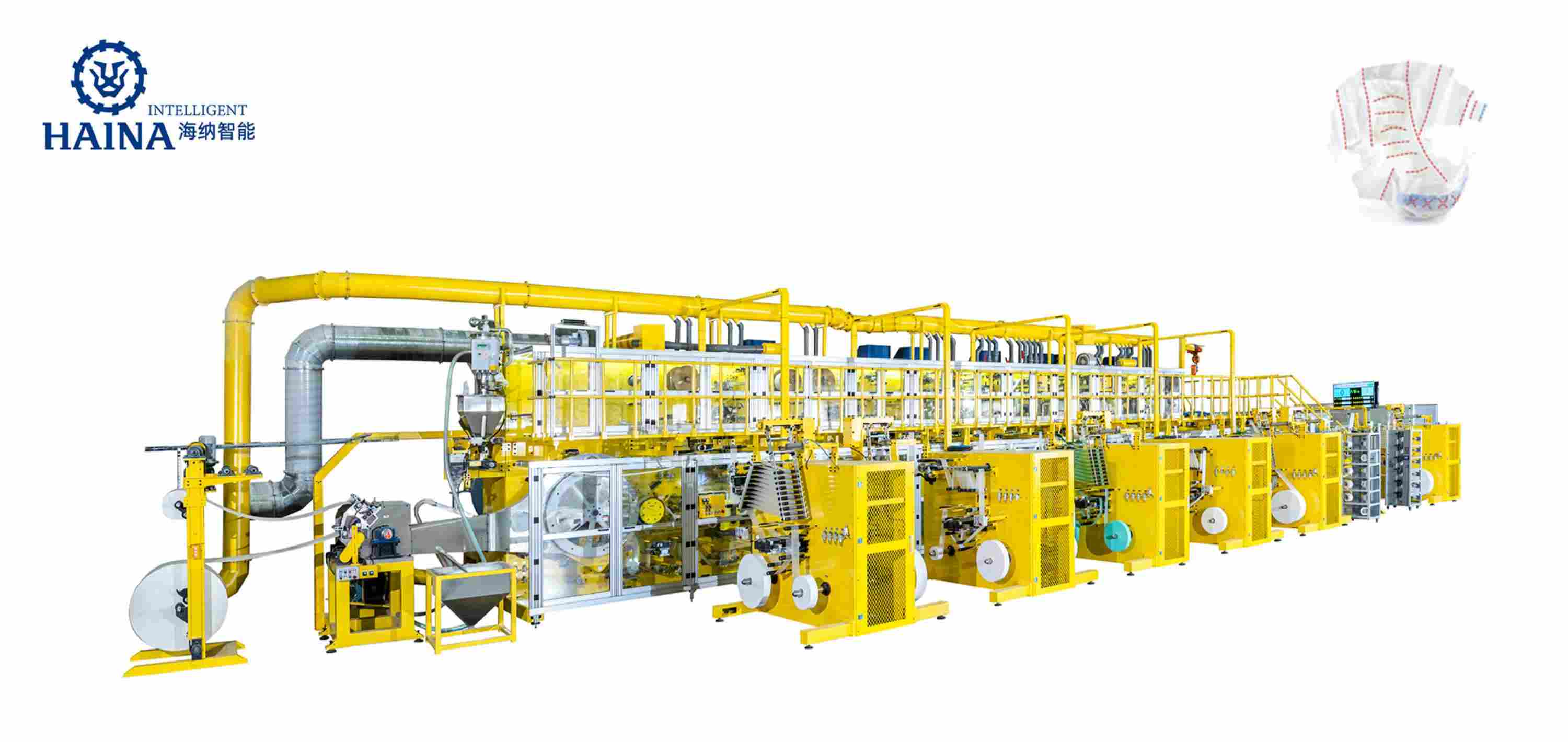
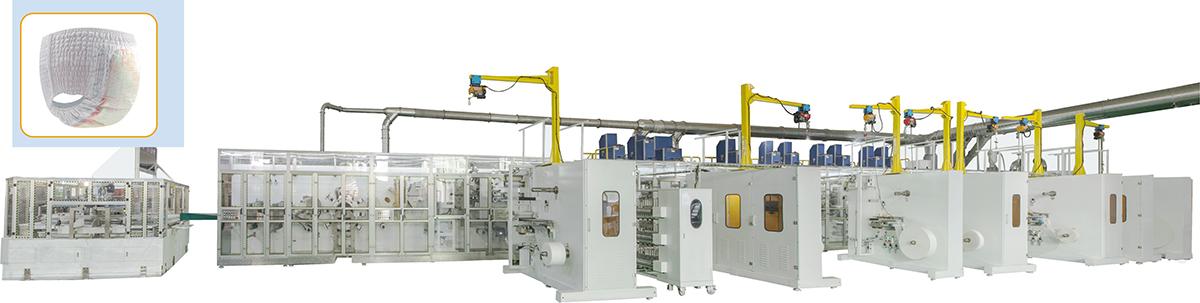
Maintaining a sanitary napkin production line requires more than repairing moving parts: the maintenance system must protect safe access, machine condition, product-contact cleanliness, settings, material paths, inspection functions, and traceable release. Operators should report buildup, leaks, web drift, abnormal noise, alarms, and product changes during each shift. Technicians should use approved cleaning agents, lubricants, parts, tools, and isolated work methods at defined intervals. After intervention, the team must account for tools, restore guards, verify the affected process, inspect identified products, and document release. This keeps the sanitary napkin production line controlled without assuming a universal service interval or equipment lifespan.
Protect Safety and Product Cleanliness
Maintenance planning starts by separating safe observation from technical intervention. During operation, personnel use designated positions to observe the process. Before entering guarded areas or touching hazardous components, trained staff apply the factory's isolation procedure, control stored electrical, pneumatic, thermal, spring, gravity, and mechanical energy, and verify the safe state. Production urgency does not justify reaching into moving web paths or bypassing protection.
The pre-task assessment should also consider product contamination. Absorbent dust, adhesive residue, lubricant, damaged brushes or belts, metal fragments, cleaning fibers, loose fasteners, and unaccounted tools can affect saleable output. Define how exposed materials and nearby stations will be protected, where removed parts will be placed, and which cleaning method follows the work. Maintenance apparel and hand controls should match the factory's hygiene zoning.
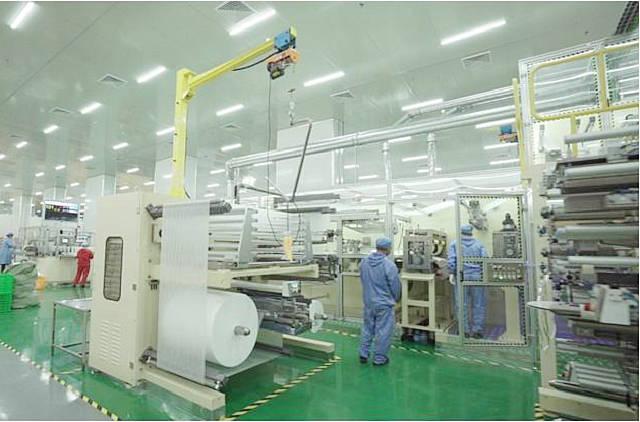
Maintenance access should be planned around both hazardous energy and exposed product paths.
At task completion, account for every tool, replaced part, fastener, wipe, and temporary cover. Inspect the immediate area and downstream path where a foreign item could travel. Questionable material and product should remain identified until quality personnel apply the approved disposition. A line that runs after maintenance is not necessarily clean or released.
Divide the Line into Care Zones
A zone map makes maintenance specific. At unwinds and web handling, inspect roll supports, brakes or drives, rollers, guides, tension response, splice behavior, and contact surfaces. Look for deposits, scoring, uneven wear, looseness, and edge damage that may create wrinkles or drift. Record which material and position showed the signal rather than describing a general tracking problem.
Core forming, absorbent-material handling, and layer placement require attention to buildup, flow or vacuum paths, seals, forming surfaces, dosing components, and transfer points. Cleaning frequency can change with material condition and production campaign, so trend actual findings. Avoid changing mechanical reference positions while cleaning unless the task specifically authorizes and records the change.
Adhesive, release-paper, wing, elastic, cutting, folding, wrapping, inspection, rejection, and packaging interfaces each need their own task set. Heated adhesive components require safe cooling or service states. Cutting systems involve sharp and stored-energy hazards. Inspection devices need functional challenge tests, while packing interfaces require signal and physical transfer checks. The final map should use the delivered station names and equipment revision.
Care zone
Maintenance focus
Product risk if uncontrolled
Verification evidence
Unwind and guiding
Roll support, surfaces, tension, tracking
Wrinkle, skew, misplaced layer
Condition route and tracking sample
Absorbent core
Buildup, seals, flow path, forming condition
Distribution or weight variation
Cleaning record and approved product checks
Application stations
Nozzles, hoses, guides, residue, reference position
Missing or weak bond, contamination
Application sample and bond evaluation
Cut and fold
Wear, fastening, phase, guides, belts
Rough edge, wrong dimension, poor fold
Wear result and identified samples
Detect and reject
Sensor condition, trigger, reject action
Defect escape or unnecessary loss
Known-sample challenge record
Plan Sanitary Napkin Production Line Maintenance Intervals
Initial intervals should follow applicable supplier documents and component guidance, then be adapted to operating hours, shift pattern, product mix, material behavior, environment, and observed condition. Some care belongs in every shift because buildup can change quickly. Other work requires a short planned stop, an operating-hours trigger, a campaign change, or a prepared shutdown. Do not copy intervals from a different machine configuration without technical review.
Write a measurable or clearly observable acceptance condition. "Inspect nozzle" should become a task that states the exact nozzle group, safe state, approved tool and cleaning method, signs of damage or restriction, reference position, test method, and record. For belts, bearings, guides, filters, and cutters, define the finding that triggers adjustment, monitoring, or replacement. Where a numeric limit is needed, obtain it from controlled technical information rather than inventing a value.
Recorded condition findings allow task intervals to reflect actual wear and contamination patterns.
Review the schedule using evidence. Compare planned completion, overdue tasks, findings, repeat failures, product defects, and emergency work. If a task repeatedly finds deterioration before its due point, shorten the interval and investigate the mechanism. If it consistently finds stable condition, any extension needs a documented risk review. The maintenance supervisor should also check whether production scheduling repeatedly displaces high-consequence work.
Control Tools, Parts, and Lubricants
Tool control should identify which tools enter the production area, who holds them, and how they are counted before release. Use suitable torque, alignment, lifting, and measurement equipment. Damaged or improvised tools can harm precision components and create fragments. Verification status matters for instruments used to make acceptance decisions. Keep removed fasteners and parts in designated containers, not on machine frames.
Spare parts need a station reference, technical identity, revision or compatibility status, storage condition, and receiving check. Similar-looking sensors, belts, seals, blades, heaters, or pneumatic components may behave differently. Prioritize stock by safety and production consequence, wear experience, sourcing exposure, and configuration specificity. Record where a part was installed and preserve failed parts when cause analysis requires them.
Lubrication instructions should name the point, approved product, application method, amount or control method, interval, and post-work inspection. Protect nearby webs and product areas. Mixed or excessive lubricant can damage components or contaminate output. Any substitute requires compatibility and process-risk review, particularly near adhesive or material-contact zones.
Verify Sensors, Cutters, and Applicators
Sensors should not be judged only by an illuminated indicator. Inspect the lens or sensing face, bracket, reference location, cable, connector, target condition, trigger timing, logic response, and physical action. After cleaning or replacement, use an approved challenge sample or simulation to demonstrate detection. If the system controls rejection, prove that the correct product is removed and counters or alarms respond.
Cutting maintenance should use controlled handling and service procedures. Inspect wear surfaces, fasteners, supports, phase references, transfer elements, and related guarding. A timing adjustment should not become a permanent substitute for worn hardware. After intervention, check dimensions, edge condition, fold and wrapper effects, repeating defect patterns, abnormal sound, and identified samples across the defined verification run.
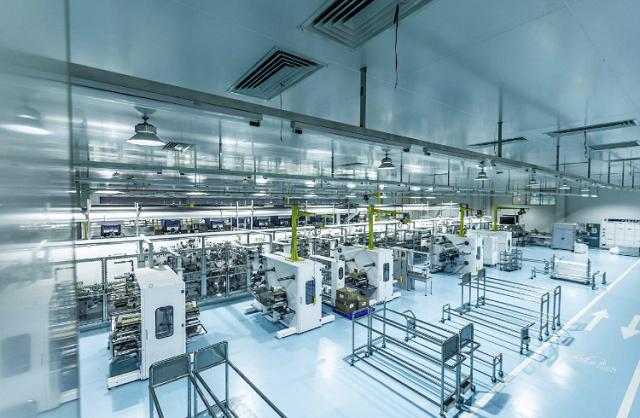
Critical station maintenance needs both component checks and resulting product verification.
Applicator work must account for safe thermal and pressure conditions, supply components, filters, hoses, nozzles, mounts, guides, and material surfaces. Confirm the application location and continuity using the approved method, then perform the relevant product evaluation. Record settings before and after work. If recurring buildup is present, investigate material, temperature control, shutdown practice, cleaning method, and alignment instead of simply increasing cleaning frequency.
Release After a Maintenance Shutdown
A planned shutdown should have a frozen work list, risk review, named task leaders, staged parts and tools, access coordination, and a testing schedule. Separate mandatory work from opportunistic work so added tasks do not compromise safe completion. Record work discovered during inspection and decide whether it can be addressed within the approved window or requires controlled follow-up.
Before startup, verify assembly, fasteners, connections, guards, interlocks, lubrication, cleanliness, tool count, material protection, and document updates. Restore utilities under the operating procedure and test affected functions in stages. Re-thread and synchronize as needed, then challenge inspection and rejection systems. Hold all startup output and inspect the complete product and pack against the release plan.
For significant interventions, record baseline condition after release and schedule a follow-up inspection. Check fastening, leakage, heat, noise, tracking, product trend, and any component that settles after operation. Where the work exceeds local competence or changes protected configuration, request supplier review with structured evidence. HAINA can support maintenance review when the factory identifies the delivered station, revision, event history, measured condition, and verification needed.
Buyers evaluating feminine sanitary napkin manufacturing equipment should include maintenance access, cleaning methods, spare identification, challenge testing, training, and shutdown release in the requirement and FAT plan. Maintainability is easier to correct before shipment than after routine production begins.
Maintenance Contamination Risk Note
Before work: Identify exposed webs and product, isolate hazardous energy, clear the area, issue controlled tools, and define what output may be affected.
During work: Contain removed parts and debris, protect contact surfaces, use approved cleaners and lubricants, and record any unexpected damage or material exposure.
Before closure: Count tools and parts, inspect the station and downstream route, clean by the approved method, restore guards, and update configuration records.
During startup: Segregate output, verify the affected function, challenge detection where relevant, inspect product and pack, and document the release point.
After release: Review early samples and condition, reconcile quarantined material, investigate repeat findings, and close temporary controls by their due date.
Post-maintenance release should cover the full route where tools, debris, or changed settings could affect product.
This risk note should be adapted to the plant's hygiene plan, product specification, legal obligations, and actual equipment. It does not replace safety procedures or supplier instructions. The supervisor should audit a sample of completed work against physical evidence, not rely only on checked boxes.
Frequently Asked Questions
How often should a sanitary napkin line be cleaned?
Frequency depends on the station, materials, product campaign, environment, observed buildup, and supplier instructions. Define safe methods and acceptance conditions, record findings, and revise intervals through a documented review rather than applying one frequency to the whole line.
Can production restart as soon as a repair is complete?
No. The team must account for tools and parts, restore safety functions, confirm cleanliness and configuration, test affected and connected functions, segregate startup output, inspect products, and obtain the required release authorization.
What should be done with product near a maintenance event?
Identify the potentially affected time and material boundary, segregate the output, and apply the factory's documented quality disposition. The boundary should consider the failure, intervention, product path, detection capability, and last acceptable check.
When is a replacement part considered acceptable?
After identity and revision are confirmed, receiving condition is acceptable, installation follows the controlled method, and functional plus product verification passes. Physical fit alone does not prove compatibility with the process or controls.
Conclusion
Care for a sanitary napkin production line must preserve safety, equipment condition, product cleanliness, process settings, and evidence through every maintenance event. The practical factory action is to select one high-contamination-risk station and witness the entire task from isolation and material protection through tool accounting, staged startup, product checks, and documented release. Before accepting the machine, require the supplier and factory team to reconcile care-zone instructions, approved consumables, critical spares, challenge tests, and training responsibilities against the final built configuration.