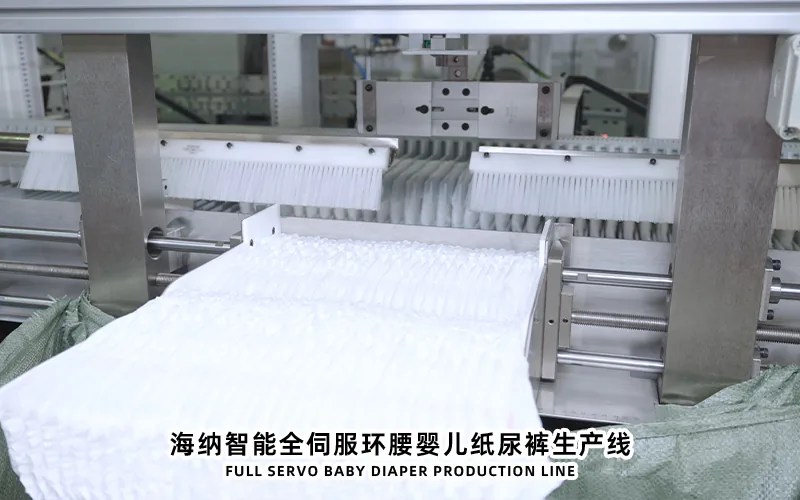
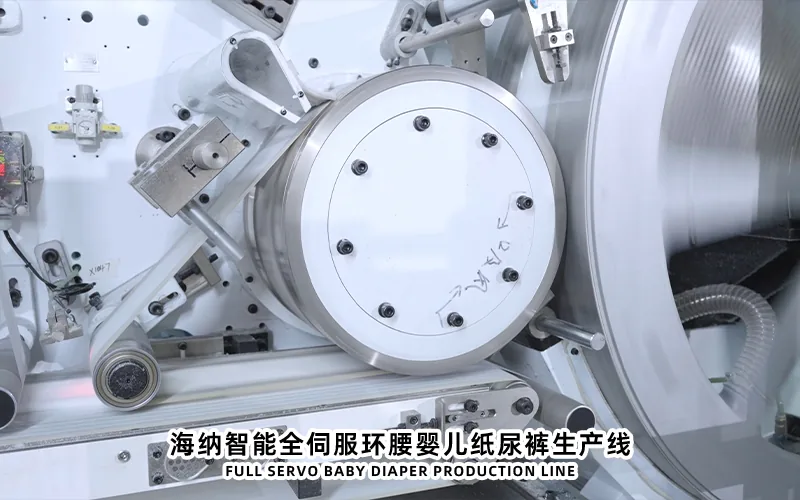
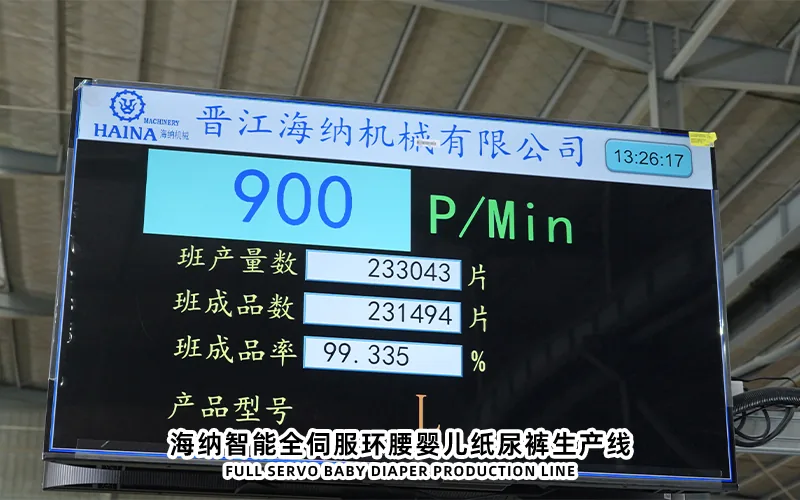
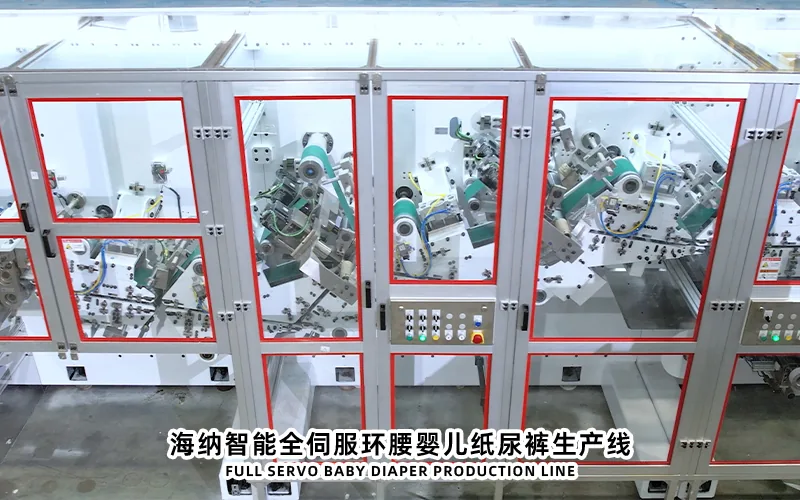
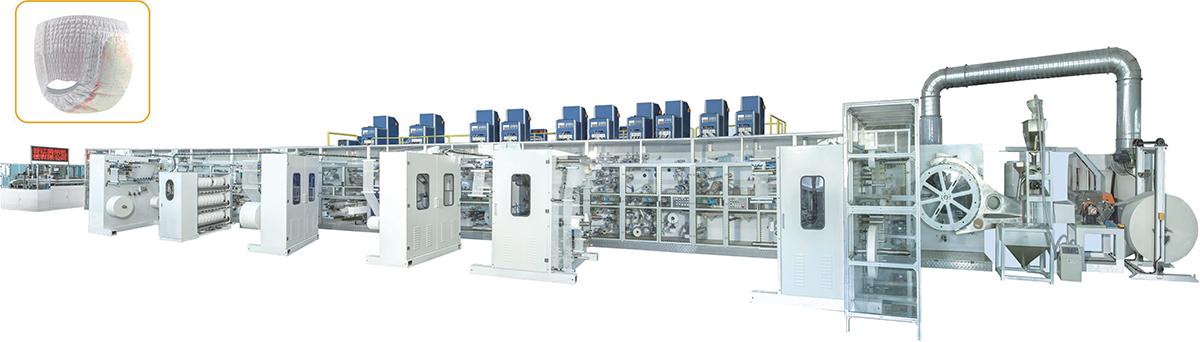
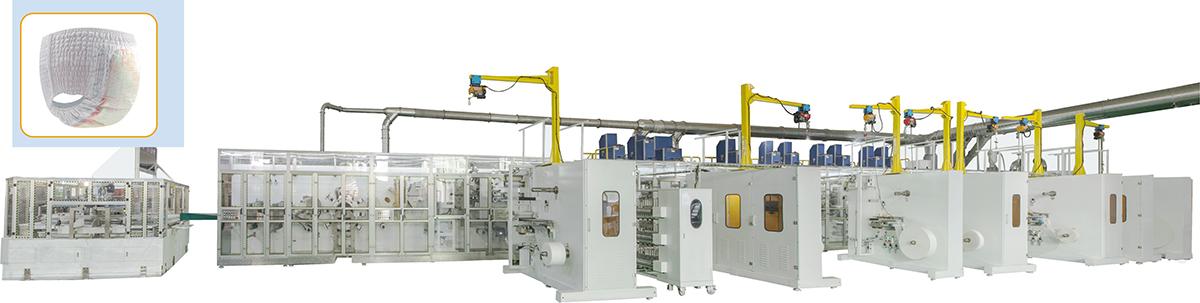
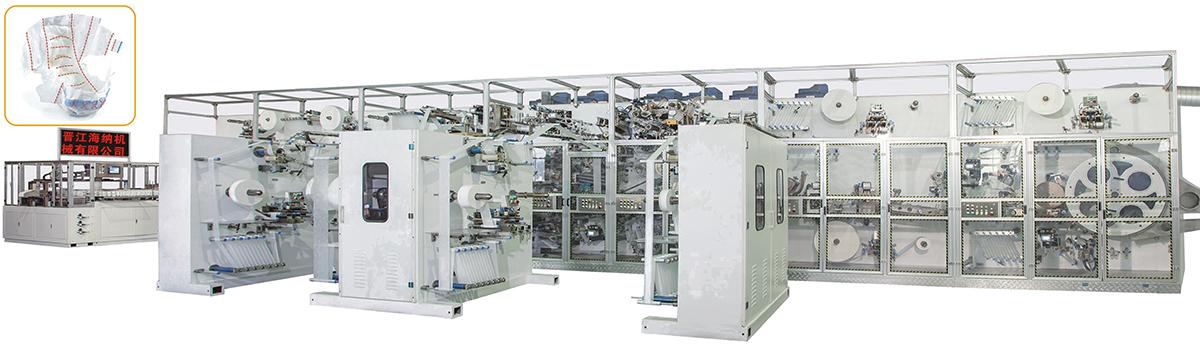
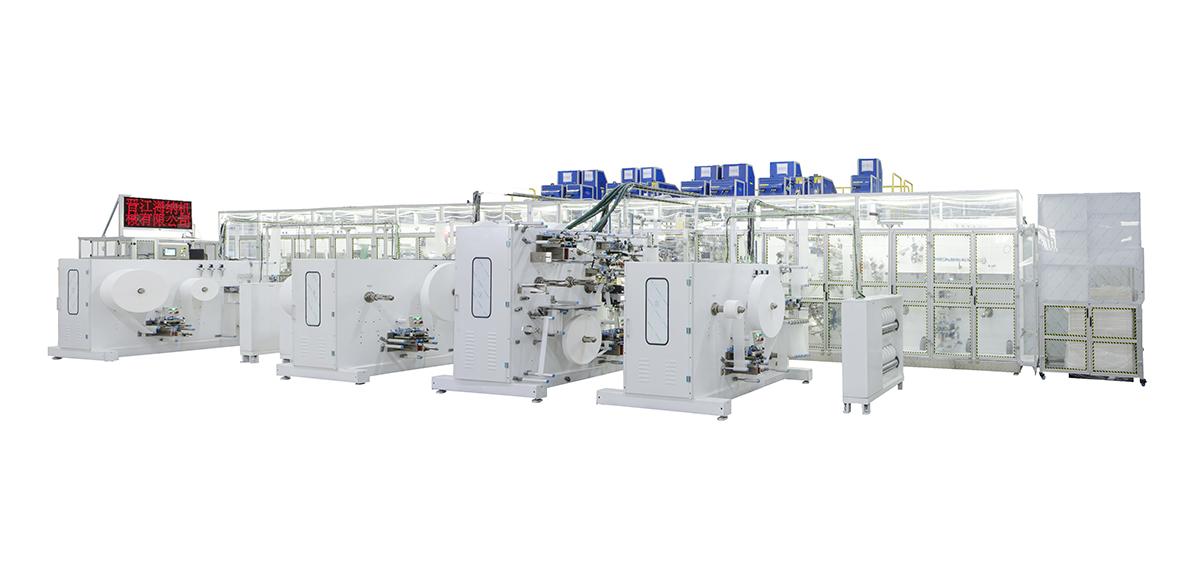
Maintenance for a diaper production line should combine safe routine inspection, condition-based checks, planned component service, controlled spare parts, and verified recovery after work. The damaged characters in the locked title do not change its industrial intent: this is preventive care for manufacturing equipment, not care of a finished diaper. A maintenance supervisor should divide the line into assets, assign tasks by operating interval and condition, define acceptable findings, and record every intervention. Cleaning or replacement alone is not completion. The team must restore guards and settings, account for tools, test relevant functions, inspect first-off products, and obtain authorization before returning equipment to normal production.
Set the Maintenance Boundary and Safety Rules
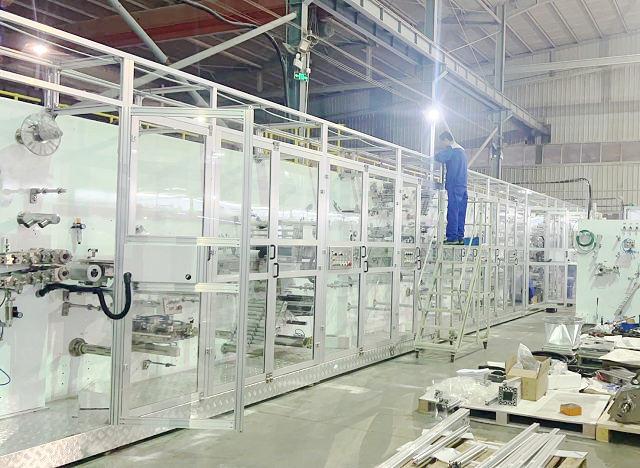
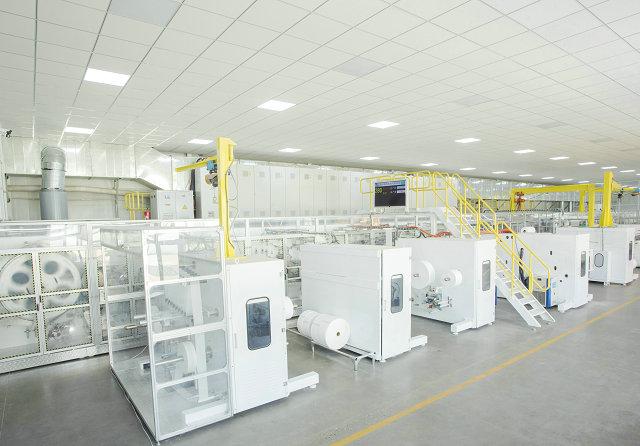
Begin with an asset hierarchy covering material unwinds, web guides, tension devices, core systems, vacuum and extraction, adhesive systems, component applicators, elastic feeds, cutters, folders, drives, bearings, sensors, inspection and rejection, electrical cabinets, utilities, guards, and safety functions. Map each item to controlled drawings, manuals, spare references, and maintenance instructions for the installed configuration.
Every task needs a safety method. Define the approved stop, isolation points, stored-energy controls, verification of zero or safe state, access restrictions, and restart authority. Tasks performed while equipment is energized or moving require a specific approved procedure and qualified personnel. A production demand never justifies bypassing guards, interlocks, or isolation.
Maintenance principle: a calendar date triggers inspection; it does not dictate automatic replacement. Use manufacturer guidance, duty, environment, condition evidence, and failure history to approve site intervals without inventing universal service periods.
Maintenance scope should include every process zone, its access needs, and its effect on product quality.
Create a Condition Inspection Route
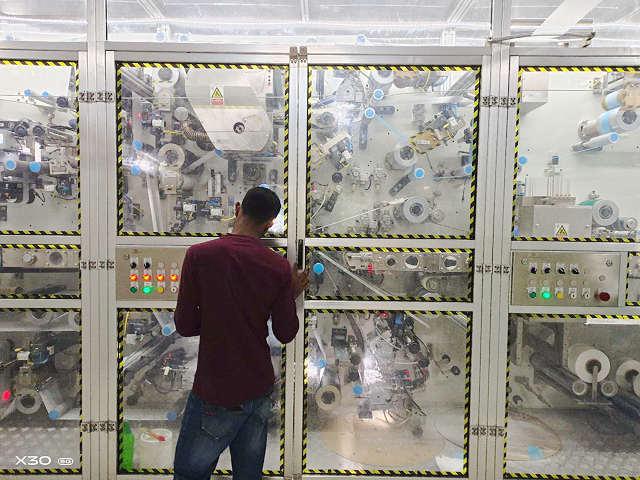
An inspection route should state what to observe, under which machine state, the normal reference, the action limit, and where to record the result. Simple observations are useful when defined: unusual sound compared with baseline, heat at a named point using an approved method, dust or adhesive buildup, air or vacuum leakage, loose hardware, damaged cables, roller contamination, belt condition, web-contact surface damage, and abnormal product trends.
Operators can report visible and audible changes during routine work, while qualified maintenance staff perform technical measurements and intrusive checks. Avoid vague entries such as "check machine." A usable task reads more like: inspect the named guide roller surface after isolation, record contamination or damage, clean with the approved method, and escalate if the surface condition could mark or disturb the web.
Link observations to quality. Registration drift can indicate web-control wear or contamination; rough cuts can indicate tool condition or buildup; bond variation can point to application or contact issues; recurring false rejects can indicate sensor contamination, alignment, recipe, or timing problems. Quality trends give maintenance an earlier signal than a complete breakdown.
Plan Diaper Production Line Task Intervals
Use nested intervals based on exposure and risk. Shift tasks focus on cleaning, leaks, guards, abnormal sound, visible wear, web-contact surfaces, and basic function. Short planned intervals cover items that cannot be checked safely during running, including fastening, alignment indicators, filters, belts, blades, sensor mounting, and utility condition. Longer shutdowns support deeper inspections, measurement, calibration where applicable, replacement by condition, and restoration of hard-to-access zones.
Hold release when new material behavior is not validated
Major shutdown
Deep inspection, safety validation, concealed areas, utility service
Work package, findings, change control, recovery test
Defer restart until critical open work is closed
Group tasks by safe access state to use planned stops efficiently and reduce repeated isolation.
Bundle work by access and machine state. When a guarded zone is safely opened, complete compatible inspections there before restoration, provided task quality is not rushed. Coordinate production, maintenance, and quality so material removal, cleaning, technical work, and first-off release occur in a logical order.
Control Spares, Lubrication, and Consumables
A spare-parts list should connect each item to the asset, drawing or approved specification, failure consequence, expected use, storage need, and replenishment decision. Criticality is not the same as high consumption. A low-cost sensor may be critical if its absence stops safe production, while a large stocked component may have a repair option. Review lead-time risk without publishing unverified delivery promises.
Inspect received parts before storage and again before installation. Preserve bearings, blades, belts, electrical parts, adhesives, and other sensitive items under suitable conditions. Rotate time-sensitive stock according to supplier information. Quarantine unidentified or damaged items. A physically similar replacement must not be installed until compatibility with dimensions, material, rating, fit, function, and control behavior is approved.
Lubrication plans should specify point identity, lubricant identity, method, access state, amount or approved application rule, interval basis, contamination control, and completion mark. More lubricant is not automatically better. Cross-contamination, over-application, missed points, and material contact can damage equipment or product. The installed machine documents and lubricant supplier information should control decisions.
Buyers reviewing baby diaper manufacturing equipment should request an installed-asset spare list, not a broad catalog. HAINA can review recommended spare references and maintenance training during handover, while the factory sets stock levels according to local usage and sourcing risk.
Verify Recovery After Planned or Corrective Work
Recovery begins before tools enter the machine. Define the post-work checks in the job plan: part identity, fastener verification, alignment or clearance, wiring and hose routing, lubrication status, removed materials, tool and loose-part accounting, guard restoration, isolation release, and updated drawings or settings when a change was approved.
Mechanical completion: verify installed parts, fastening, movement, clearances, and clean work area.
Safety restoration: reinstall guards and test affected protective functions under the approved method.
Controlled function: use manual motion, dry cycle, or staged operation as the job plan requires.
Material introduction: thread and run under controlled conditions while watching the serviced zone.
Quality release: inspect characteristics that the intervention could affect and retain the result.
Follow-up: reinspect after an agreed operating period when settling, heat, or load can reveal issues.
Controlled recovery verifies the serviced asset and every product characteristic the work could disturb.
Corrective work needs added evidence: the original symptom, cause analysis, failed part condition, affected product range, and verification under the condition that exposed the problem. A restart without recurrence during a brief unloaded test is not sufficient when the event occurred only at a certain size, material, or sustained operating state.
Use a Maintenance Evidence Board
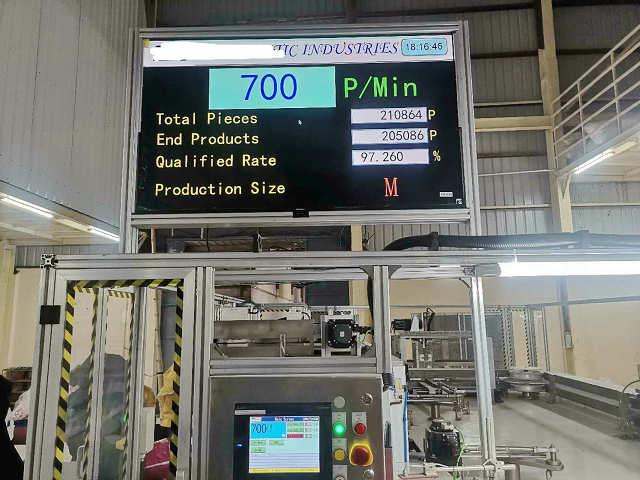
The supervisor's evidence board should show overdue critical tasks, findings awaiting action, repeated faults, condition trends, spare shortages, temporary controls, work awaiting production access, and post-maintenance verification. Separate completed work from effective work. Completion means the task was performed; effectiveness means the expected condition or reliability improvement was observed later.
Review repeated adjustments and short stops even when they did not create a formal breakdown.
Compare planned findings with corrective failures to improve task content and interval basis.
Flag assets whose parts, drawings, or maintenance methods are not clearly identified.
Record temporary repairs with restrictions, ownership, and a permanent correction date.
Trend quality-linked symptoms with mechanical and control condition evidence.
Close actions only after documents, spares, training, and verification are complete.
Backlog control gives the board decision value. Classify open work by safety and product consequence, risk of further damage, availability of a controlled temporary condition, access required, parts readiness, and planned production opportunity. Record why a task was deferred and who accepted the interim condition. Age alone should not set priority, but repeatedly deferred critical work must remain visible to plant leadership.
Review task quality through completed job samples. Check whether the technician recorded an actual finding instead of a default pass, whether parts and measurements are identifiable, whether unexpected conditions generated follow-up work, and whether recovery evidence is attached. Compare failures with recent planned tasks on the same asset. If a failure occurred shortly after a task, investigate task content, access, acceptance criteria, installation quality, and interval basis instead of merely shortening every interval.
Planning should also include maintenance-induced product risk. Opening a guarded process zone can introduce tools, debris, misrouting, incorrect settings, or mixed change parts. The job package should identify these risks and the characteristics quality must inspect after handback. This connection keeps maintenance completion from being measured only by whether the machine starts.
Line-level review identifies recurring conditions that isolated work orders may fail to reveal.
Frequently Asked Questions
How often should diaper-line maintenance be performed?
Use manufacturer guidance, operating exposure, environment, component condition, quality trends, and failure history. Establish documented site intervals and revise them when evidence shows over-maintenance or missed degradation.
Can operators perform maintenance tasks?
Operators can perform authorized care such as defined cleaning and observations when trained and when the task has a safe procedure. Isolation, electrical, adjustment, or intrusive work requires the specified qualified role.
What should happen after replacing a wear part?
Verify identity and installation, restore safety controls, test function in stages, inspect affected product characteristics, authorize release, and schedule a follow-up check if load or settling can change the condition.
Why record findings when no repair is needed?
Condition records create a baseline and show progression. They help the supervisor schedule work before failure, justify interval changes, connect equipment condition to quality, and distinguish normal variation from degradation.
Conclusion
A useful maintenance plan connects asset condition, safe work, spare control, product risk, and documented recovery. Walk the diaper production line with operations and quality, select one asset in each major zone, and confirm that its task states the trigger, method, acceptance condition, owner, record, and restart check. Then observe one planned intervention from isolation through first-off approval. Before the buyer accepts the maintenance package or the factory adopts it, close missing asset references, unclear intervals, unavailable critical spares, and untested recovery steps. That verification produces a maintainable system rather than a calendar of generic cleaning instructions.