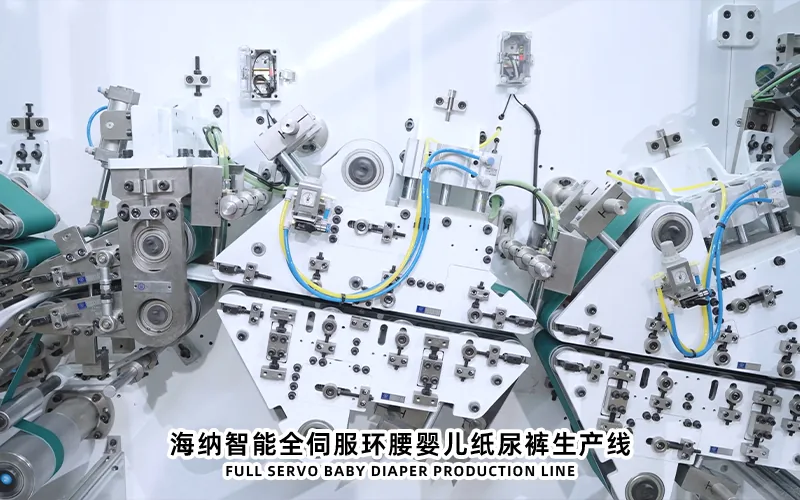
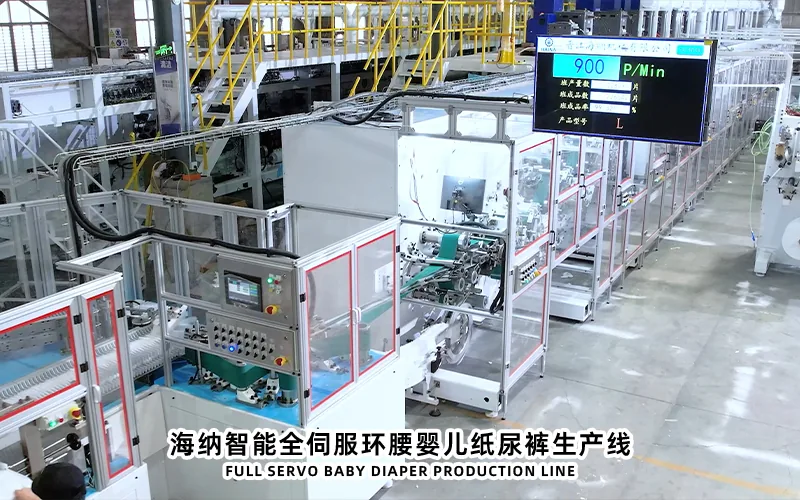
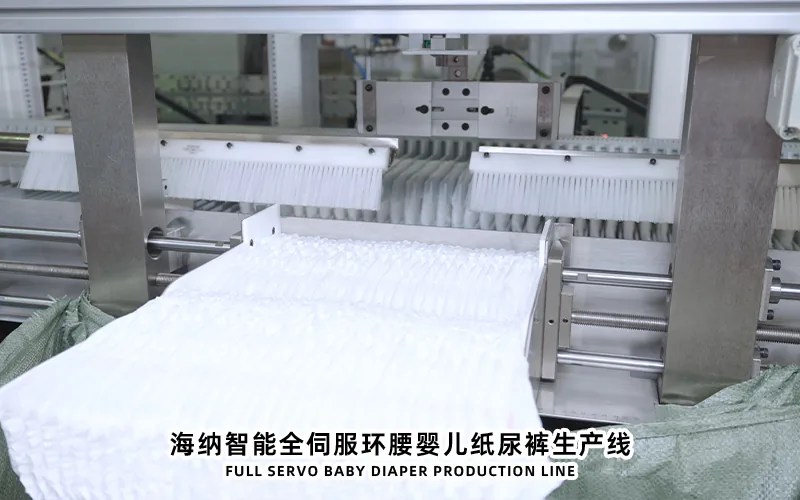
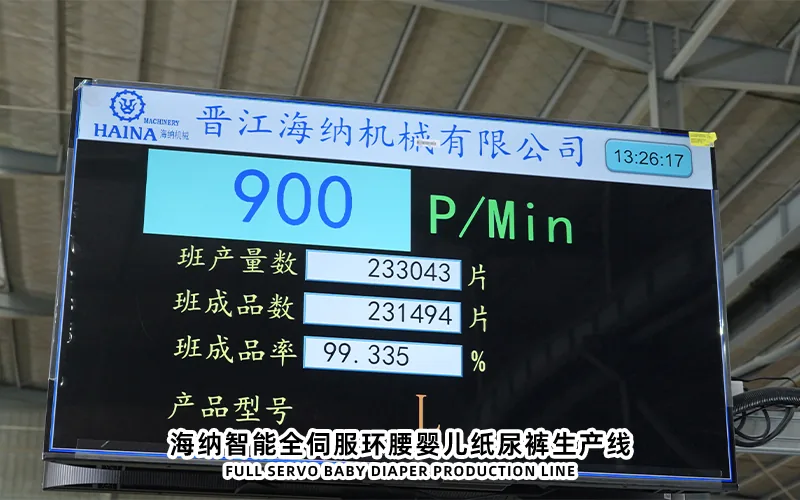
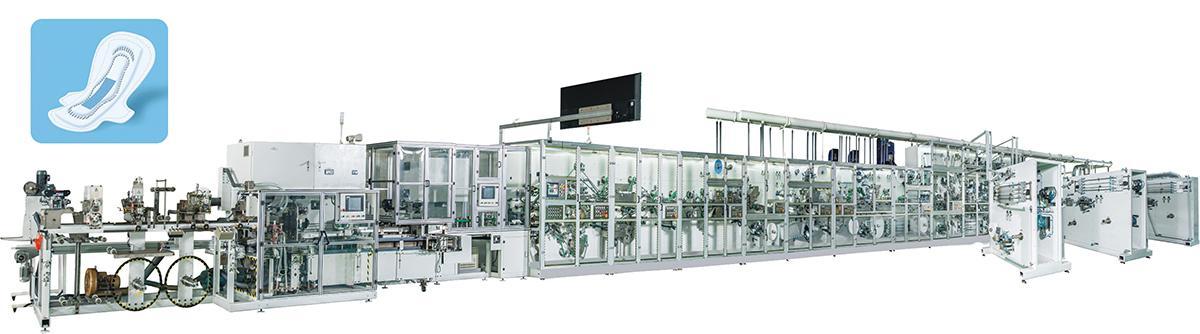
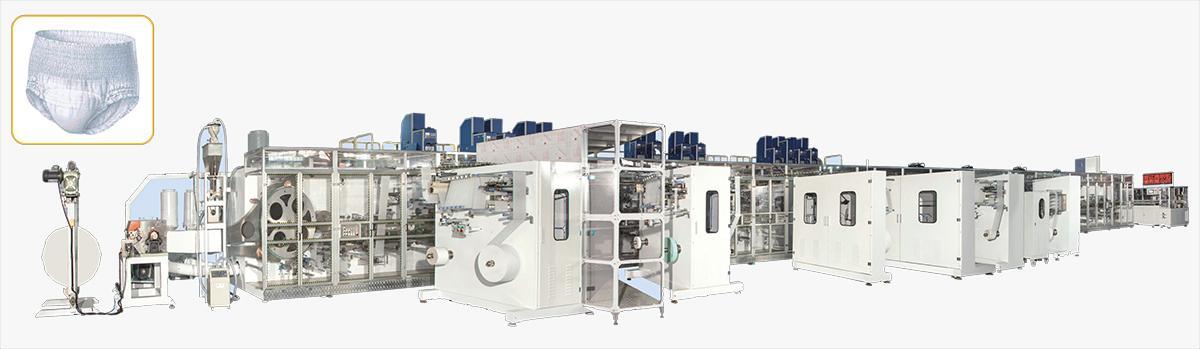
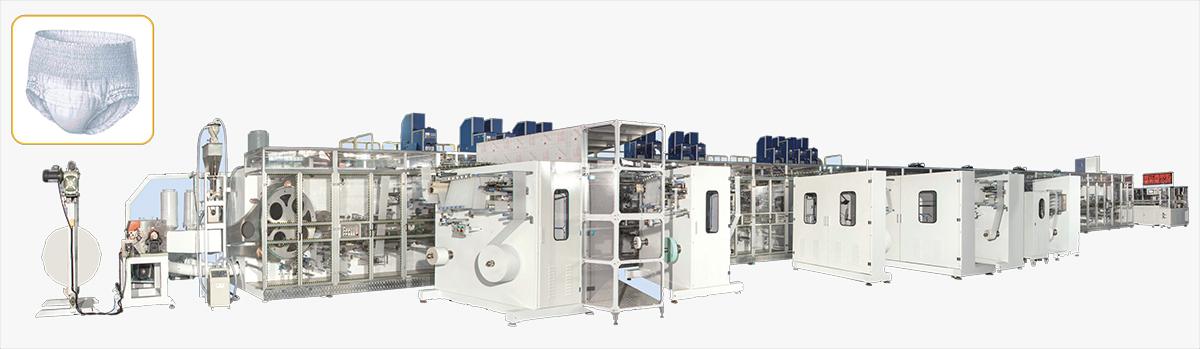
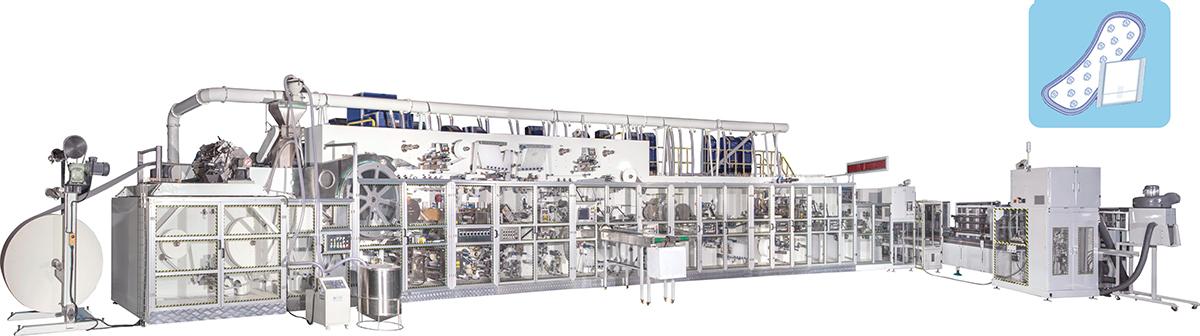
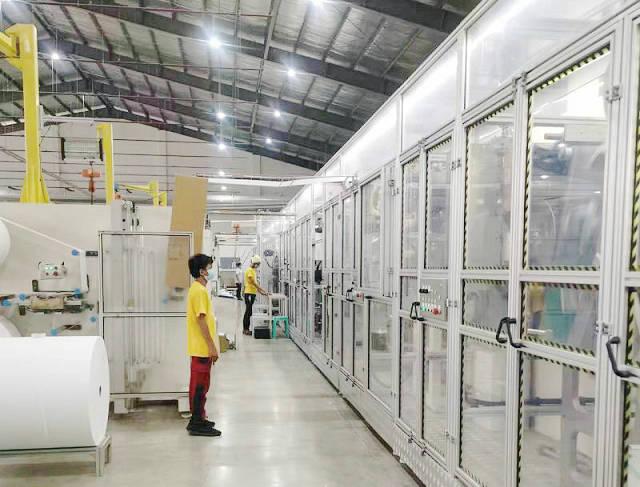
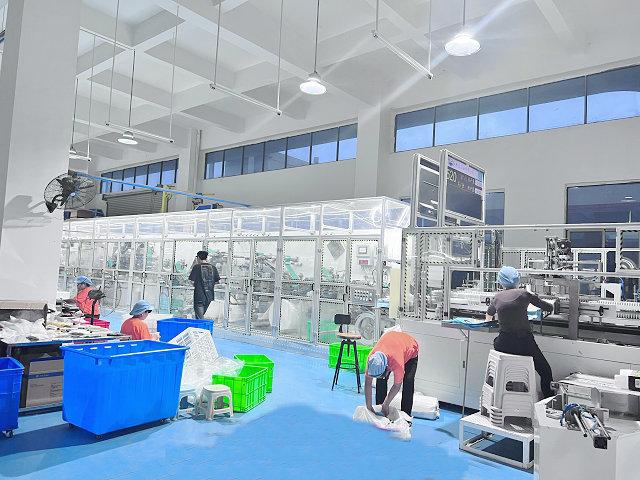
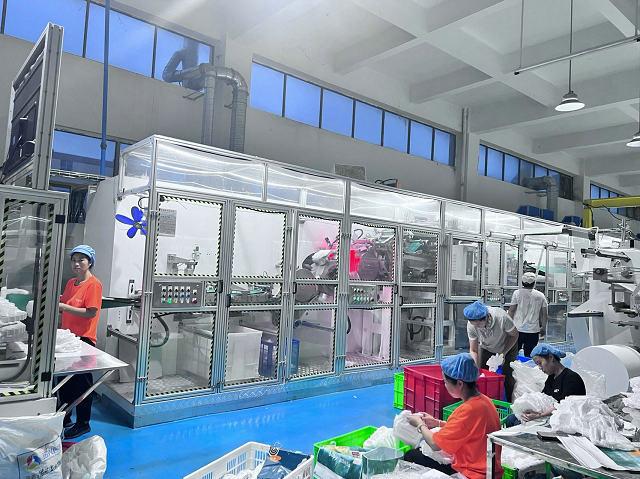
A baby diaper production line functions as an integrated conversion system that controls materials from roll unwinding and absorbent-core formation through layer assembly, elastic and closure application, cutting, folding, inspection, rejection, and transfer to packing. Its purpose is not simply to move webs quickly. Each station must create or preserve a defined product feature while exchanging stable material, motion, utility, and control signals with neighboring stations. A project engineer should evaluate a diaper production line by mapping required SKUs to functions, interfaces, inspection points, utilities, change parts, and acceptance evidence. This reveals whether the offered configuration can make the intended products under clearly stated conditions.
Begin with the Required Diaper
Functions should be derived from approved product requirements. For each launch SKU, define size, finished dimensions, absorbent-core geometry, layer arrangement, acquisition or distribution features where used, topsheet and backsheet, elastics, leg and waist features, closure components, adhesive locations, cut profile, fold, count, and pack format. Identify critical quality characteristics and the test method for each. Preliminary requirements must be labeled because unresolved product decisions create machine and FAT risk.
Build a feature-to-function map. A waist or leg elastic feature needs material feeding, tension management, guiding, application, attachment, synchronization, and product verification. A closure feature needs unwind or feed, placement, attachment, cut or transfer where applicable, detection, and an approved performance check. Finished length can depend on several stations, not only the final cutter. Mapping relationships prevents a supplier quotation from reducing the project to a list of component names.
Every intended diaper feature should trace to creating, controlling, and verifying machine functions.
Define the required range as well as the nominal product. The configuration may need format parts, recipes, adjustable guides, or different process hardware for sizes and constructions. Ask the supplier to state which changes are automatic, recipe-based, manually adjusted, or physical replacements. Record limitations and the setup evidence needed after each change.
Material Unwinding, Guiding, and Tension Functions
Unwind systems support rolls and release materials into the process. Their functions may include roll holding, drive or brake control, splice handling, low-material indication, and web introduction. Actual configuration varies by material and offer. Engineers should specify roll dimensions and condition, core interface, winding orientation, edge quality, splice expectations, loading method, and handling space. A roll that fits the shaft may still be unsuitable for stable feeding.
Web guiding manages lateral position while tension control helps preserve longitudinal stability. These functions interact with roller condition, roll build, material elasticity, speed changes, and downstream draw. Ask where position and tension are measured or controlled, which settings are product-specific, and how deviations appear to operators. Review access for threading, cleaning, maintenance, and roll change without compromising guarding.
Material paths should minimize uncontrolled contact, sharp turns, contamination, and unsupported spans according to the engineered design. During trials, record tracking behavior across startup, stable operation, roll depletion, splice events, stop and restart, and product change. A short central portion of one roll does not represent all feeding conditions.
Line function
Required input
Expected output
Acceptance evidence
Unwind
Released roll within approved interface
Controlled material feed without damage
Loading review and representative roll trial
Guide and tension
Known web properties and path
Stable edge and longitudinal behavior
Tracking records through defined conditions
Core formation
Specified absorbent inputs and utility state
Core geometry and distribution for the SKU
Station evidence plus approved product tests
Assembly and application
Aligned layers and controlled consumables
Placed and bonded product construction
Placement, pattern, and bond evaluation
Inspect and reject
Defined detectable condition and timing
Signal, action, and segregated rejected unit
Known-sample challenge and traceable result
Core Forming and Layer Assembly Functions
The absorbent-core area receives and controls the materials that create the product's central absorbent structure. Depending on configuration, functions can include material preparation, transport, dosing, forming, distribution, wrapping, compression, cutting, or placement. The supplier should describe the proposed flow for the buyer's material set without assuming that one process arrangement applies to every diaper construction.
Review interfaces for material specifications, dust or extraction where needed, compressed air or vacuum, environmental condition, cleaning, access, wear parts, and process monitoring. Identify which adjustments govern core mass, geometry, and distribution, who may change them, and how results are sampled. A setting record must be linked to material lot, SKU, machine state, and product evidence to be useful.
Core and assembly functions should be evaluated with specified inputs and identified product samples.
Layer assembly introduces and combines topsheet, acquisition or distribution material where required, core, backsheet, tissue or wrapping layers, and other features. Stable placement depends on web paths, guides, reference points, tension, timing, and attachment. Trace each layer from roll to combined web. Ask how an operator identifies a misfed, missing, wrinkled, or drifting layer and which inspection functions can or cannot detect it.
Application, Cutting, and Folding Functions
Application stations place adhesive, elastic, closures, waist features, acquisition components, tapes, or other product elements. Their design depends on material and product construction. For each station, define supply conditions, guides, application geometry, synchronization, temperature or pressure controls where applicable, detection, cleaning, and maintenance. Product acceptance should evaluate the created feature, not only an indicator on the machine.
Cutting functions create edges, separate products, or prepare components. Review blade and mating-surface design, handling and change method, phase reference, fastening, guarding, waste removal, inspection access, and wear evidence. Determine how a repeating cut defect can be traced to a machine cycle. Acceptance samples should cover dimensions, edge condition, shape, downstream transfer, and the effect on folding and packing.
Folding turns the converted web or separated product into its intended delivery form. Guides, belts, vacuum, timing, compression, and transfer may influence symmetry and appearance. Test the fold across intended sizes and after restart or format change. A fold that looks acceptable at the station may open, shift, or jam during counting and packing, so evaluate the connected flow.
Inspection, Rejection, and Packing Functions
Inspection capability should be written as a detectable condition, location, operating boundary, decision logic, and resulting action. A generic phrase such as "quality inspection system" does not explain whether a feature's presence, position, splice, application, or other signal is monitored. Ask about detection limits, reference setup, false-reject factors, cleaning, calibration or verification as applicable, and behavior after power loss or recipe change.
Inspection is complete only when detection, logic, physical rejection, and segregation are demonstrated.
Challenge tests should use controlled known samples or an approved simulation. Demonstrate the input signal, alarm or indication, correct product tracking, reject action, counter effect, and segregation. Confirm that a failure of the reject mechanism itself creates the intended response. Automated inspection supplements material, process, and product controls; it does not prove characteristics outside its detection scope.
Downstream functions may include product transfer, counting, grouping, compression, bagging, coding, sealing or closing, and case packing. Define the scope boundary and communication signals. Test startup, normal transfer, downstream stop, restart, count change, pack material change, and fault recovery. A converter cannot deliver usable capacity if the packing interface repeatedly forces uncontrolled stops.
Diaper Production Line Utilities and Controls
Utilities enable machine functions and need defined quality and stability. Review electrical characteristics, distribution and isolation, grounding, compressed air, vacuum or extraction if required, environment, adhesive supply, network, and connected packing services. The buyer should validate actual site capability under representative factory demand. Nominal connection labels alone do not establish stable conditions.
Controls coordinate motion, recipes, sensors, alarms, user permissions, safety interfaces, history, and external communication. Request an architecture overview, controlled parameter list, recipe method, hardware and software inventory, backup scope, restoration procedure, and data ownership boundaries. Confirm which adjustments production may make, which maintenance may make, and which require supplier engineering review.
For automatic baby diaper manufacturing line equipment, a useful engineering review links every control function to the product and process requirement it supports. HAINA can review this functional trace during design and FAT, while the buyer supplies approved SKUs, materials, site interfaces, and acceptance methods.
Functional Acceptance Matrix
Requirement: State the SKU feature, process need, utility condition, safety expectation, maintenance access, or packing result in testable language.
Function: Identify the station, hardware, control, material input, and neighboring interface that create or preserve the result.
Verification method: Choose document review, physical inspection, static test, dynamic challenge, material trial, product measurement, or site confirmation.
Test condition: Record machine revision, recipe, material lots, format, operating condition, sample timing, instruments, and allowed exclusions.
Closure: Retain results, deviations, corrective work, retest, final documents, trained owner, and any limitation accepted by the buyer.
The matrix converts equipment descriptions into traceable engineering and product evidence.
Use the matrix at quotation review, design freeze, FAT preparation, FAT closure, installation, and site acceptance. Mark functions that cannot be tested until local utilities or connected equipment are available. Avoid signing a broad capability statement when the supporting condition or SKU remains undefined.
Frequently Asked Questions
Are all baby diaper production lines functionally the same?
No. Product construction, size range, materials, automation, inspection, packing scope, controls, utilities, and changeover method can differ. Compare offered functions against one approved requirement matrix rather than relying on the product category name.
Which function determines line speed?
The constraint can change with SKU, materials, process stability, quality checks, maintenance condition, and packing. Evaluate integrated saleable output under stated test conditions instead of assigning all capacity to one station or design value.
Can sensors guarantee product quality?
No. Sensors detect defined conditions within known limits. Material specifications, stable process control, sampling, laboratory or product tests, reject verification, and traceability remain necessary for characteristics the sensor cannot directly establish.
What should be verified during FAT?
Verify final build and documents, representative SKU setup, material paths, station functions, controls, alarms, inspection and rejection, changeover, connected interfaces, product results, speed definitions, maintenance access, backups, and agreed training exercises.
Conclusion
Understanding a diaper production line means tracing the intended diaper through every material, conversion, inspection, control, utility, and packing function. The practical buyer action is to complete a functional acceptance matrix for one demanding launch SKU, then repeat it for features that differ across the remaining range. Before contract and FAT approval, require HAINA to state the offered function, interface, limitation, and evidence for each requirement, and leave no critical product feature dependent on an undefined station or an unverified sales description.