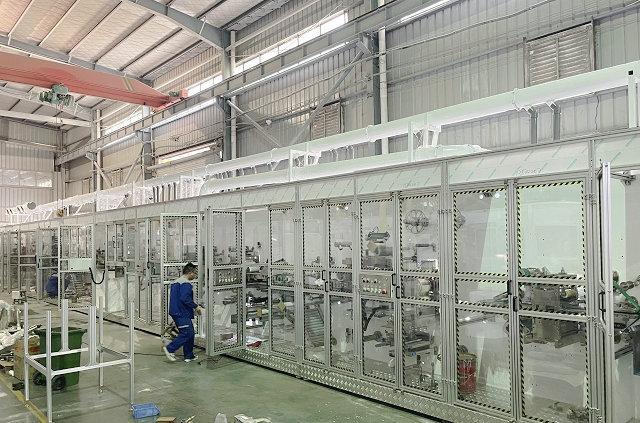
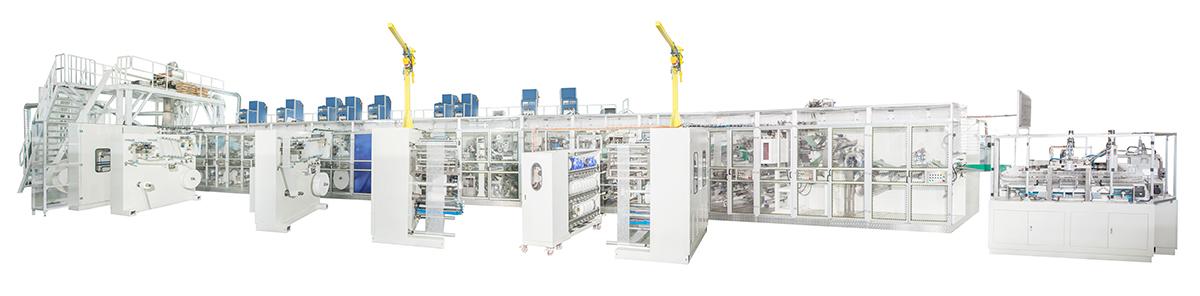
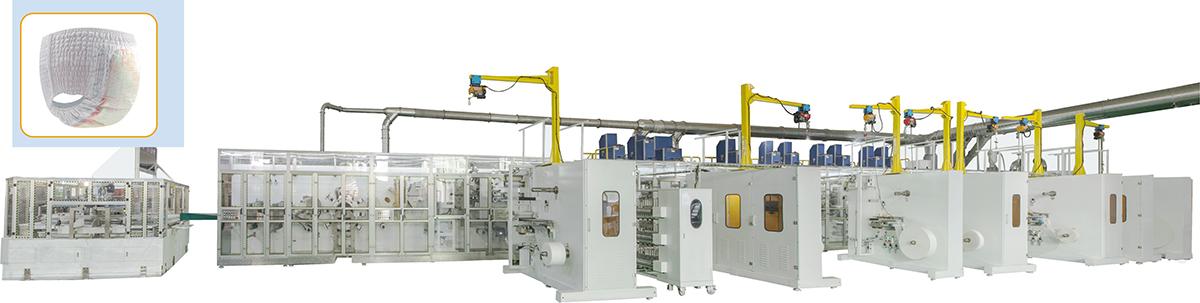
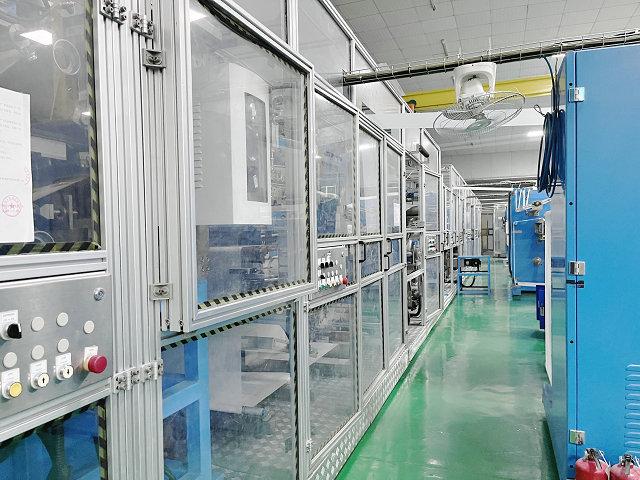
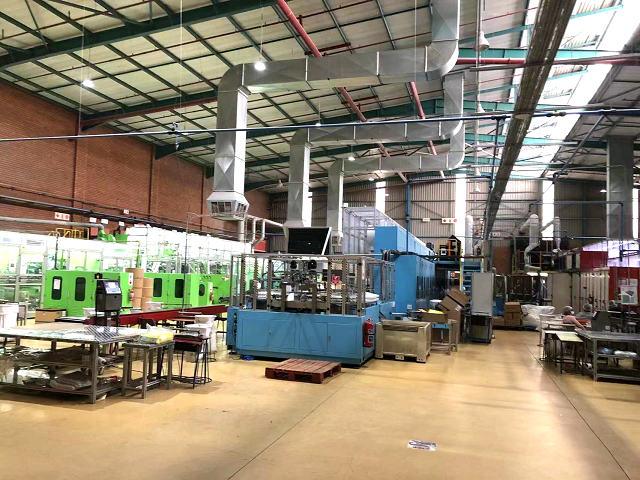
Market analysis for diaper machine manufacturers should translate customer demand into a testable product and factory requirement, not simply repeat population trends or sales forecasts. A business owner needs to define the target user, channel, diaper construction, size mix, pack format, expected campaign pattern, material supply, and quality position before selecting equipment. The relevant diaper machine is the one that can make those approved SKUs with documented tooling, utilities, staffing, inspection, and downstream interfaces. Market volume remains an assumption until supported by local evidence, while machine capability remains a claim until demonstrated. Investment decisions should therefore connect commercial scenarios to conservative production and validation plans.
Start with a Specific Market Question
A useful analysis asks who will buy which product, through which channel, for what use condition, and why the proposed construction is appropriate. Baby diaper demand may be divided by age or weight band, taped or pull-on format, economy or differentiated construction, retail or institutional channel, and local pack preferences. These segments cannot automatically share one production assumption.
Collect evidence close to the decision. Sources can include distributor interviews, retailer shelf audits, tender specifications, competitor product teardown, customer sampling, channel pack counts, material supplier discussions, and the owner's own verified sales data. Record the source date, scope, sample limitations, and whether it shows actual purchases, stated preference, or only general interest. Avoid turning a broad market statistic into a guaranteed local order forecast.
Decision boundary: this analysis does not establish selling price, market share, payback, or demand growth. Those values vary by place, time, channel, product, financing, and execution, and must be supported by current local commercial evidence.
Equipment planning should follow a defined product-market question rather than a headline market volume.
Convert Demand Assumptions into a SKU Plan
Build a SKU sheet for each proposed launch product. Include finished dimensions, user range, absorbent-core concept, topsheet, backsheet, acquisition or distribution layer where used, barriers, elastics, ears or side panels, fastening parts, printing, fold, pack count, and quality checks. Mark attributes that are confirmed, provisional, or still require consumer and material validation.
Then assign demand scenarios by SKU rather than one total. A base case reflects evidence the business can defend. A constrained case considers slower channel adoption, delayed material approval, more complex changeovers, and production learning. An upside case can identify future options, but it should not force the initial machine scope to include every speculative product. Separating launch requirements from optional expansion reduces needless complexity.
Commercial assumption
Requirement it creates
Evidence needed
Risk if wrong
Several sizes sell in one channel
Defined size tooling, recipes, materials, and changeovers
SKU forecast and witnessed representative transitions
Excess parts or an unsupported size mix
Soft printed materials differentiate the product
Compatible unwind, guiding, registration, and bonding
Actual-roll trial and approved appearance sample
Unstable processing or inconsistent presentation
Small frequent orders are expected
Campaign plan and controlled changeover workflow
Order pattern, stage-time study, first-off method
High transition loss and low available production time
Retail packs need automatic handoff
Count, orientation, accumulation, and packaging interface
Interface specification and integrated test
Converter output exceeds downstream handling
Future premium SKU may be added
Reserved review of component and inspection options
Option boundary and later validation gate
Paying now for unverified complexity
The sheet also exposes portfolio conflicts. A material selected for shelf feel may be difficult to process. A wide size range may require dedicated parts and additional inventory. A frequent promotional pack may create packaging changes that dominate production scheduling. These are not reasons to reject a market opportunity; they are requirements to resolve before equipment acceptance.
Translate the SKU Plan into Diaper Machine Requirements
Map every product feature to a process station and verification method. Material roll specifications connect to unwind positions, splice handling, web guides, tension devices, and storage logistics. The core concept connects to feed, formation, transfer, containment, dust management, and checks. Elastics, barriers, ears, and fasteners connect to applicator arrangement, placement control, bonding, and inspection. Product geometry connects to cutting, folding, rejection, counting, and packaging transfer.
Buyers comparing automatic baby diaper manufacturing equipment should request a compliance matrix for the actual SKU sheet. For every requirement, the supplier marks standard, configured option, customer responsibility, needs trial, or excluded. This is more informative than a list of general machine features because it reveals incomplete interfaces and unvalidated materials.
Each proposed product feature should connect to installed equipment, controlled settings, and inspection evidence.
Capacity planning must use conforming products and available production time. Start with the campaign pattern, planned shifts, changeovers, first-off release, material loading, routine cleaning, maintenance, quality sampling, and packaging constraints. Add a conservative allowance for ramp-up and uncertainty, but do not invent a universal utilization factor. Request demonstrated stable working conditions for representative SKUs and keep them distinct from design speed.
Identify the boundary products in the portfolio: largest and smallest size, widest and narrowest material, most complex component placement, most demanding registered print, and most difficult downstream format. A test at only the middle of the proposed range leaves the commercial edges unproven.
Test Factory and Commercial Fit
Factory fit includes the equipment envelope, access aisles, material routes, waste removal, utilities, ventilation, environmental needs, storage, quality area, maintenance space, spare storage, and downstream packaging. Review floor and building requirements with qualified local parties. A line that fits on a drawing may still conflict with columns, doors, lifting routes, operator visibility, or material flow.
Factory-fit analysis should include material travel, operator work, maintenance access, and downstream flow.
Commercial fit also includes working capital and organizational capability. The SKU plan drives raw-material widths, minimum buying constraints, change parts, packaging inventories, quality instruments, and retained samples. Staffing must cover production, maintenance, quality, material handling, supervision, and planning. Training needs should be assessed by task and shift, not assumed to be complete after attendance at commissioning.
Map responsibility for product design, material qualification, local compliance, factory preparation, machine installation, acceptance, packaging integration, and launch release. Any responsibility described as "by others" needs a named owner and due date. Business risk accumulates at interfaces where each party assumes another will supply a drawing, utility, product specification, or test.
Compare Supplier Evidence and Limits
Supplier comparison should use the same requirement matrix and acceptance scenarios. Ask each candidate for configuration drawings, process descriptions, utility data, installed options, tooling matrix, controls documentation, inspection scope, maintenance information, spare references, training outline, and FAT proposal. Note what is based on a standard design, prior engineering knowledge, an actual material trial, or a claim still requiring verification.
Review change control and support, not just initial manufacture. The supplier should explain how customer changes are assessed, drawings and software are revised, approved recipes are protected, and site issues are escalated. HAINA can participate in requirement and FAT review for its proposed configuration, while the buyer retains responsibility for defining the commercial product and objective acceptance rules.
Record limits explicitly: excluded product formats, untested materials, manual inspections, optional modules, packaging outside scope, assumptions about utilities, and tasks assigned to the buyer. A transparent exclusion is manageable. A hidden assumption can cause redesign after space, orders, or materials have already been committed.
Supplier evidence should connect the delivered configuration with the buyer's SKU and factory requirements.
Use a Scenario and Risk Register
Market evidence gate: approve the user, channel, pack, product position, and demand range.
Requirement gate: map every SKU feature to machine, material, inspection, and packaging needs.
Factory gate: close layout, utilities, safety, logistics, people, quality, and maintenance readiness.
Evidence gate: trial representative materials and witness boundary products and changeovers.
Commercial gate: update the business case with demonstrated conditions, open risks, and ramp assumptions.
Maintain a risk register beside these gates. Useful entries include uncertain demand mix, single-source material, untested printed film, packaging interface, delayed utility work, missing quality method, insufficient maintenance competence, and changeover complexity. State the trigger, consequence, prevention, contingency, owner, and next evidence date. Remove a risk only when the closing evidence exists.
Keep the underlying market and technical evidence with each gate decision. A later reviewer should be able to distinguish a verified customer requirement, an internal forecast, a supplier claim, a witnessed result, and an unresolved assumption. This record prevents confidence from increasing merely because the same estimate appears in several presentations.
Revisit the business case after FAT and again during ramp-up. Replace assumptions with actual observed data while keeping definitions stable. Do not reinterpret a short demonstration as normal commercial performance. Trends from conforming production, changeovers, stops, material use, and quality release are the evidence that should guide later expansion.
Frequently Asked Questions
Which market data matters most before selecting a diaper line?
Evidence about the intended user, channel, construction, size mix, pack format, and repeat order pattern is more actionable than a broad total-market figure because it creates specific equipment and factory requirements.
How should a business owner estimate production capacity?
Model conforming output by SKU using demonstrated stable conditions and available time after changeovers, cleaning, maintenance, sampling, material handling, and downstream constraints. Preserve a constrained scenario for ramp uncertainty.
Should future products be included in the initial machine scope?
Include a future option only when its requirement and value justify current complexity. Otherwise document the engineering boundary and validation needed later without allowing a speculative SKU to distort the launch configuration.
What makes supplier comparison fair?
Give candidates the same SKU requirements, materials, factory assumptions, interface scope, and acceptance scenarios. Compare evidence and exclusions against that baseline instead of comparing unrelated brochure feature lists.
Conclusion
Market analysis becomes useful when it controls a decision. Before approving a diaper machine purchase, select the launch SKUs and convert each commercial assumption into a product, material, factory, staffing, inspection, or packaging requirement. Ask suppliers to complete one compliance matrix and demonstrate the boundary conditions with representative materials. Then revise the financial and launch scenarios using witnessed evidence, explicit exclusions, and open risks. The practical next action is a cross-functional requirement review in which the owner, sales, product, production, quality, maintenance, and supplier teams sign the SKU scope and acceptance plan before equipment commitments are finalized.