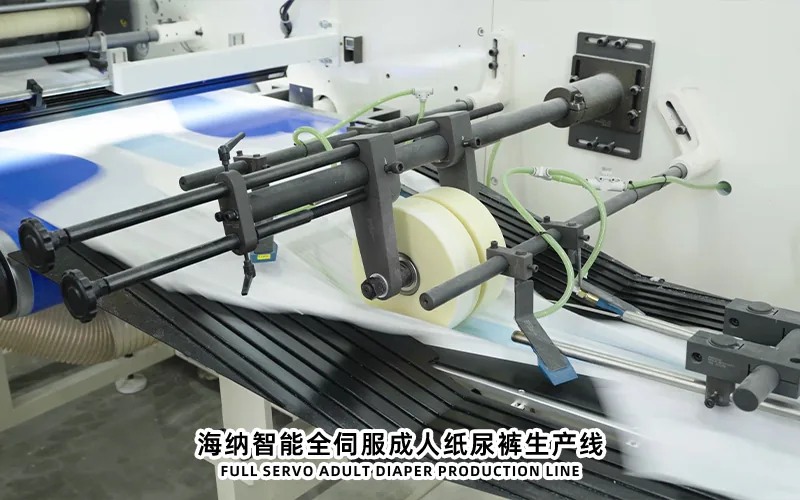
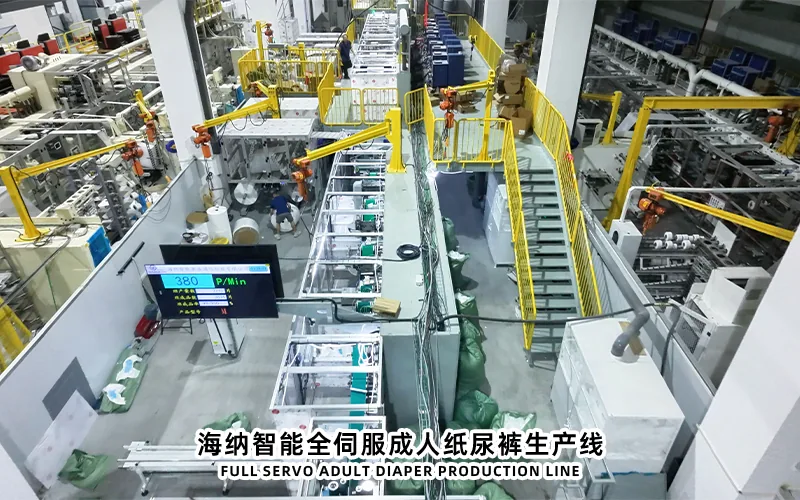
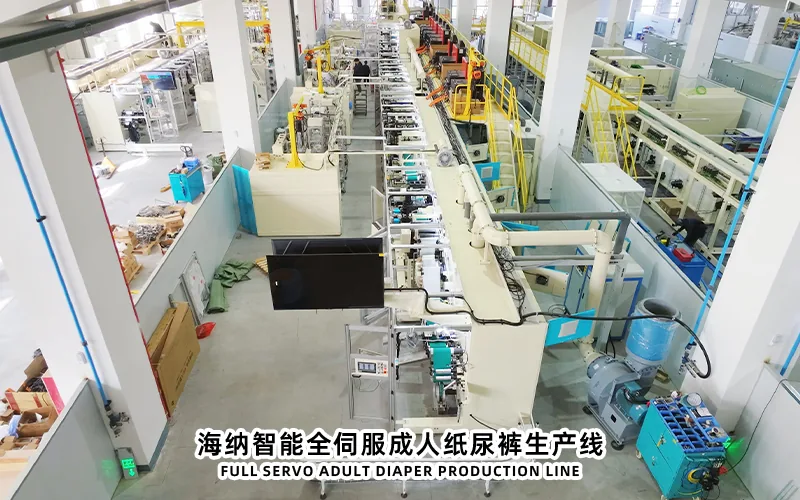
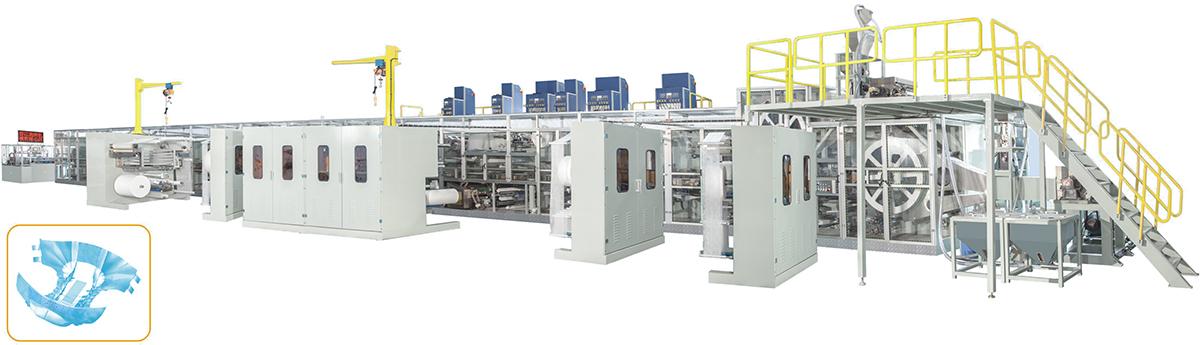
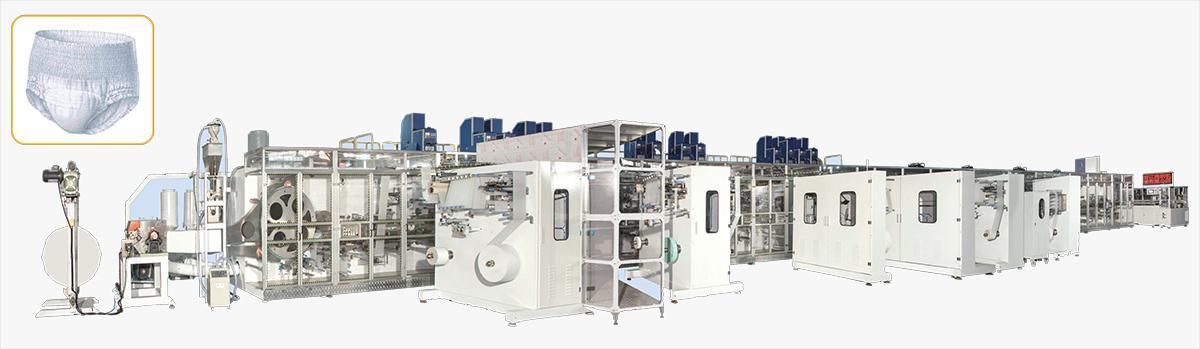
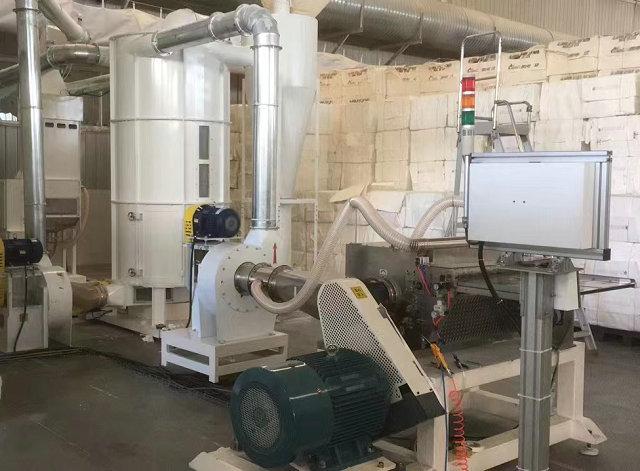
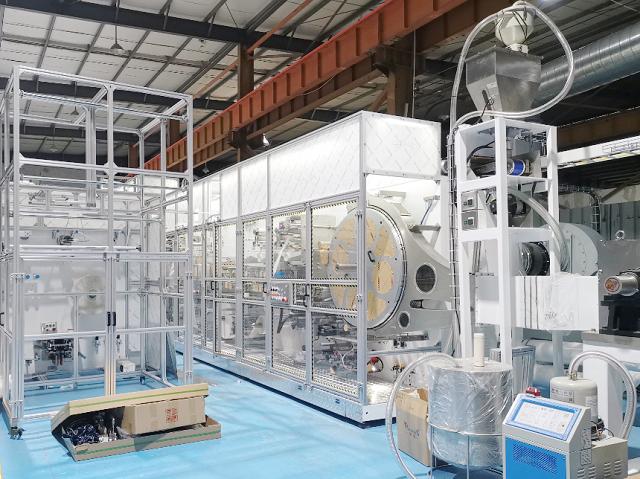
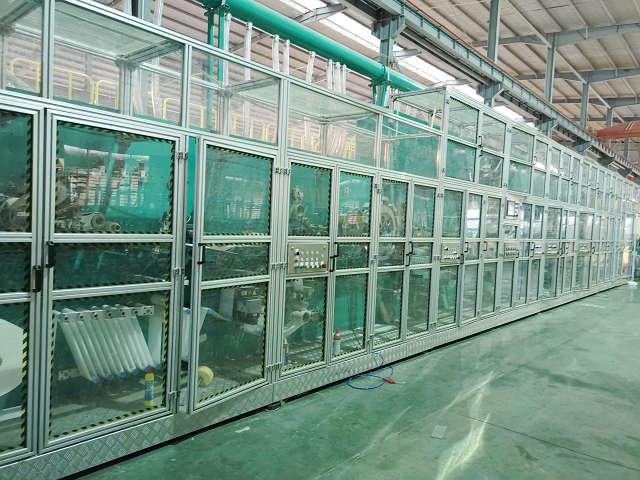
To buy adult diaper machinery, first define the exact taped-brief products, materials, packing handoff, factory conditions, and acceptance evidence required. Then issue one structured request to qualified suppliers, compare complete technical and commercial boundaries, audit manufacturing and support capability, and negotiate a contract that links payments to objective deliverables. An adult diaper machine should not be selected from price, catalogue language, or design speed alone. Procurement must verify representative product output, wide-material handling, size changeovers, controls, safety information, documentation, training, spare-parts identification, installation responsibilities, and open-item closure before shipment and final acceptance.
Approve the Procurement Charter
Start with a charter signed by the project sponsor, product owner, production, quality, maintenance, facilities, safety, finance, and procurement. State the business purpose, launch product family, target installation site, packaging boundary, planned operating model, budget approval process, key decision dates, and responsible approvers. Record assumptions as assumptions. Demand forecasts and financial models guide the project but should not be presented as guaranteed equipment performance.
Create stage gates: requirements approval, bidder release, technical shortlist, supplier audit, commercial normalization, contract approval, design review, FAT readiness, shipment release, site readiness, and final handover. Each gate needs required documents and a decision owner. This prevents the project from negotiating price while product specifications or factory utilities remain unresolved.
Open a risk and decision register. Adult brief projects may face changing size portfolios, wide-roll handling constraints, uncertain material grades, unconfirmed packing equipment, limited maintenance competence, site access issues, or local safety requirements. Give every item a due date and closure evidence. Suppliers can assist, but the buyer retains responsibility for the business case and local factory obligations.
The procurement charter should cover the entire line, its factory interfaces, and the handoff to packing.
Write the Adult Diaper Machine URS
The user requirement specification, or URS, should describe outcomes and verification, not copy one supplier's design. Attach a controlled matrix for each adult taped brief: dimensions, layers, core, acquisition components, leak guards, elastics, waist and side panels, fastening tapes, landing area, back sheet, fold, and discharge presentation. Identify launch, future, and conceptual formats. State which drawing and sample control each requirement.
Add a material schedule with web widths, roll diameters, cores, winding directions, grades, splices, and handling assumptions. Adult products can require broad materials and significant roll movements, so include staging and lifting needs. Define accepted alternative-material qualification. The URS should require traceability during trials because unidentified demonstration rolls cannot prove compatibility with the buyer's supply chain.
Specify the process boundary. List expected converting functions, inspection and rejection, counting, stacking, packing interface, adhesive systems, dust extraction connections, utilities, data needs, documents, tooling, training, initial spares, and startup support. Require bidders to mark comply, alternative, optional, excluded, or clarification against every clause. Blank responses should remain open, not be interpreted as acceptance.
Define performance terms precisely. Separate design speed, stable working speed, normal operating range, and contractual acceptance output. Tie the proposed test to product, materials, duration, staffing, sampling, quality, stop accounting, and downstream condition. Include changeover and controlled fault recovery where they matter. Avoid unsupported universal targets; use the buyer's approved project values.
Build a Defensible Supplier Shortlist
Screen candidates against mandatory evidence before detailed bidding. Ask for legal company information, scope responsibility, relevant equipment architecture, engineering contacts, manufacturing location, quality-control process, project organization, document capability, training approach, parts identification method, and proposed support model. Do not infer certifications, installed base, countries served, or customer results without verifiable evidence that is relevant and authorized for review.
Use a written prequalification questionnaire and score the completeness and relevance of responses. A polished video can show equipment movement but not contract scope, accepted materials, stable output, or support ability. Request a technical discussion around your product matrix and ask the supplier to identify limitations. A candid alternative can be stronger evidence than an unconditional promise to make every format.
Protect confidentiality. Share enough drawings and materials data for engineering evaluation under the buyer's approved process. Control sample ownership and return or disposal. Record which version each supplier received so later proposals can be traced. Shortlist only candidates willing to respond to the same requirement baseline and proposed acceptance method.
A shortlist should be based on relevant architecture and documented engineering responses, not presentation alone.
Normalize the Quotation Scope
Build a bid tabulation that separates base machine, product modules, tooling by size, inspection devices, adhesives equipment, extraction, conveyors, packer interface, controls, utilities, shipping preparation, freight boundary, installation inputs, commissioning, trial materials, training, documents, software backup, recommended spares, wear parts, and options. State tax and import treatment according to the buyer's commercial process without assuming a universal cost.
Technical deviations should be resolved before commercial ranking. One supplier may include size tooling while another lists it separately. One may end at counted stacks and another at individually folded briefs. One may expect the buyer to supply extraction or lifting devices. Convert these differences into a normalized scope and risk note. Do not force an uncertain value into a false total; preserve it as an open exposure with an owner.
Procurement package
Bidder response needed
Normalization check
Gate evidence
Product and tooling
Format-by-format compliance
Included sizes, parts, and options
Signed matrix and deviations
Line boundary
Module and battery-limit list
Auxiliaries and packing handoff
Process flow and layout
Performance
Defined stable and FAT conditions
Same product, time, and quality basis
Draft acceptance protocol
Site and startup
Utility and responsibility schedules
Civil work, labor, materials, travel scope
Responsibility matrix
Lifecycle support
Documents, training, parts, escalation
Deliverables rather than promises
Indexed support plan
Commercial teams should test the project against downside scenarios: delayed product approval, site work, material changes, slower ramp-up, additional tooling, and parts inventory. This is not a prediction of failure. It exposes which contractual boundaries and contingency funds need approval before commitment.
Audit Engineering and Manufacturing Evidence
Plan the supplier audit around project risks. Review how requirements become drawings and bills of material, how revisions are controlled, how purchased components are identified, how assembly and wiring are checked, how software versions are managed, how nonconformities are closed, and how FAT readiness is approved. Ask for evidence from the proposed project process, not confidential customer information that the supplier cannot properly disclose.
Inspect maintainability and manufacturing condition on relevant equipment where available. Look at access, labels, cable and hose routing, guards, cleaning points, lubrication, change-part identification, panel documentation, and finish. Discuss how adult-product materials and widest formats will be trialed. If the exact proposed line does not exist yet, separate design evidence from demonstration evidence and carry gaps into design review or FAT.
Meet the people who would own engineering clarification, project coordination, FAT, documentation, training, and post-shipment escalation. Record names or roles through the approved process. Evaluate whether responsibilities are clear and whether requests produce controlled answers. Do not convert an audit visit into an unsupported ranking statement; it is evidence for this project's decision.
Negotiate Testable Contract Terms
The contract pack should incorporate the final URS, supplier compliance response, product and material matrices, included module and tooling list, layout and battery limits, utility schedule, responsibility matrix, FAT protocol, document index, training scope, spare-parts deliverables, deviations, and change-control method. Establish precedence among documents so conflicting catalogue language cannot override the negotiated specification.
Payment milestones should correspond to verifiable project events under the buyer's legal and financial policy. Avoid drafting legal terms without qualified review. From an engineering perspective, define what evidence supports design approval, FAT readiness, test completion, shipment release, and final handover. State ownership and process for open items, retesting, approved concessions, and changes after order.
Specify how proposed substitutions are evaluated. A replacement component, material assumption, or control change may affect maintainability, quality, documentation, or local availability. Require notice, technical comparison, buyer approval where contractually required, and updated records. Verbal acceptance in a meeting should not become the sole change authorization.
Contract readiness gate
Launch product drawings and materials are revision controlled.
Every line module, option, exclusion, and buyer supply is listed.
Stable output and changeover acceptance conditions are testable.
Factory and supplier responsibilities cover installation through handover.
Documents, backups, training, tooling, and spares are deliverables.
Deviations and future options have a price status and decision owner.
Witness FAT and Control Open Items
Hold a readiness review before traveling or starting remote witness activity. Confirm equipment completeness, approved software and drawings, trial materials and lots, calibrated buyer instruments where used, protocol version, staffing, samples, and document availability. The supplier should finish tuning before formal testing begins. Agree how interruptions, retests, and substitutions will be recorded.
Witness identification, guards and interlocks, manual and automatic sequences, recipes, alarms, inspection challenges, reject segregation, adult brief sample measurements, sustained output, representative size change, stop and restart, and backup handling. Record actual conditions rather than only pass or fail. Save logs, labeled samples, photographs or video where authorized, software versions, and signed result sheets.
Classify open items by whether they block acceptance, shipment, site testing, or final handover. Each needs a description, requirement reference, containment, responsible party, due date, evidence, and approver. A punch list without closure criteria can survive into production. HAINA should link its FAT support and corrective evidence to the agreed project matrix, while procurement controls formal milestone release.
FAT should connect the actual adult brief, equipment state, test record, and shipment decision.
Prepare Site Acceptance and Support
Site readiness should be checked before dispatch and again before installation work. Verify access, lifting, foundations, utilities, extraction, adhesives area, material inventory, tools, laboratory capability, operators, maintenance staff, safety permits, and packing interface. Record receiving inspection and transport damage separately from factory open items. Preserve identification so components and change parts are not lost during unpacking.
Site acceptance should confirm assembly, interfaces, utility behavior, product operation, training, and contractual tests that could not be completed at the supplier factory. Do not assume it must duplicate every FAT check. Use the traceability matrix to focus on transport, installation, local materials, downstream equipment, and local team competence. Close documents and spares against an index.
Use the adult diaper machine product configuration to frame an initial inquiry, then replace general page information with your project-specific schedules. Establish an escalation template containing machine identification, format, material lot, alarms, event history, symptom, checks, and media. This turns after-sales communication into evidence-based support without inventing a response-time or warranty promise.
Installation readiness and service access must be verified at the receiving factory before final handover.
Frequently Asked Questions
What should I request before asking for a final price?
Issue the controlled product, material, line-boundary, site, tooling, performance, acceptance, training, documentation, and support requirements. A final price without a final scope is not comparable.
Can a supplier reference replace a factory audit?
No single source replaces project due diligence. Use authorized references only as one input and verify engineering, manufacturing, documents, FAT readiness, and support processes against your own risks.
When should trial materials be arranged?
Identify grades during requirements and reserve enough controlled lots before FAT readiness. Include setup, sustained running, size change, samples, and possible retest, plus handling and disposal responsibility.
Should shipment proceed with open FAT items?
Only through the contract's approved concession process. Classify the item's impact, containment, closure evidence, owner, and later test. Procurement and authorized technical approvers should control release.
Conclusion
Buying an adult diaper machine is a gated procurement project, not a catalogue transaction. The defensible route moves from a signed charter and URS through equal-scope bids, supplier evidence, normalized risk, contractual traceability, product-specific FAT, and prepared site acceptance. Before awarding the order, convene the approval team to review the final compliance matrix line by line. Require the preferred supplier to identify every adult format, module, tool, utility, exclusion, test, document, and support owner, then release the decision only when high-risk claims have a witnessed verification route and unresolved items have formal closure conditions.