Choosing an adhesive for a sanitary napkin machine means checking both when the intended surfaces can still join and what the bond must resist afterwards. Open time addresses the joining opportunity; set time addresses early resistance after joining under the supplier's stated method. A fast-setting grade is not automatically suitable if contact occurs too late, while successful contact does not prove adequate holding at the next operation. Define the actual product interface, then follow application, travel, joining and the first downstream demand. A permanent construction bond and a release-paper-protected adhesive area have different functions, so they should not inherit one undifferentiated timing approval.
The distinction matters when purchasing an adhesive grade, reviewing a material substitution or discussing a proposed converting layout. Neither term supplies a universal machine setting. The adhesive supplier must define its terminology and test conditions, and the equipment proposal must explain where the corresponding events occur for the intended product construction.
Identify the two clocks
Open time is generally used for the interval during which an applied adhesive can still produce the intended bond when the surfaces meet. Set time generally describes how quickly a joined assembly develops the resistance specified by the supplier's assessment. The exact start event, endpoint and loading method vary. A datasheet using these words without definitions leaves important information unresolved, especially when comparing grades from different suppliers.
Draw the conceptual sequence as application, travel, joining, early restraint and later product assessment. Mark which interval each quoted term actually covers. This makes two otherwise confusing outcomes understandable: joining after the useful bonding opportunity can create a weak interface, while disturbing a recently joined interface can damage a bond that would have developed adequately with suitable restraint. A final peel observation alone does not identify which event was responsible.
Agree on the endpoints
A timing claim needs a defined result: initial grab, resistance under a named load, holding for transport or a later laboratory bond result. Use one interface sheet to place each claim in the application-to-joining-to-handling sequence. The fields below are questions for the material and equipment suppliers, not measured results, machine settings or acceptance limits.
Interface or event
Information to compare
Decision the information supports
Product interface before application
Adhesive grade, both substrate identities and faces, intended bond function and represented deposit geometry
Confirm that the timing evidence concerns the proposed construction rather than a different material pair or adhesive function.
Application, travel and effective contact
Application and joining events, represented material movement, and the supplier's defined open-time start and endpoint
Check whether the supported joining opportunity addresses the proposed path; keep an unexamined layout change visible.
Joining and first downstream demand
Set-time definition, assessment age, represented load or restraint, and the next transfer, fold or other relevant demand
Assess early holding for that function without treating it as full finished-product performance.
Initial tack
The method and surfaces used to describe immediate adhesion
Do not substitute a touch or appearance observation for the holding requirement.
Later bond assessment
Substrate pair, assessment age, examination method and finished-product requirement
Keep the later result separate from the evidence explaining pre-contact timing or early movement.
Comparison coverage
Product variants, steady or transition states, differing specimens and unresolved method definitions
Accept only the represented combination or request the specific missing comparison; do not rank unlike values as one bonding-time figure.
A useful supplier reply names the test assembly and describes how its result relates to your construction. If two quoted values start from different events, preserve those definitions. Renaming both values “bonding time” removes information that the engineering team needs when deciding whether the proposal has an adequate process window.
Check the language used in translated documents as well. A local sales summary may use “curing,” “drying” or “setting” loosely even when the underlying supplier document names a narrower physical result. Ask the technical author to reconcile the terms. Procurement should retain the original defined property and its method, then use a plain explanation alongside it rather than creating a new equivalence through translation.
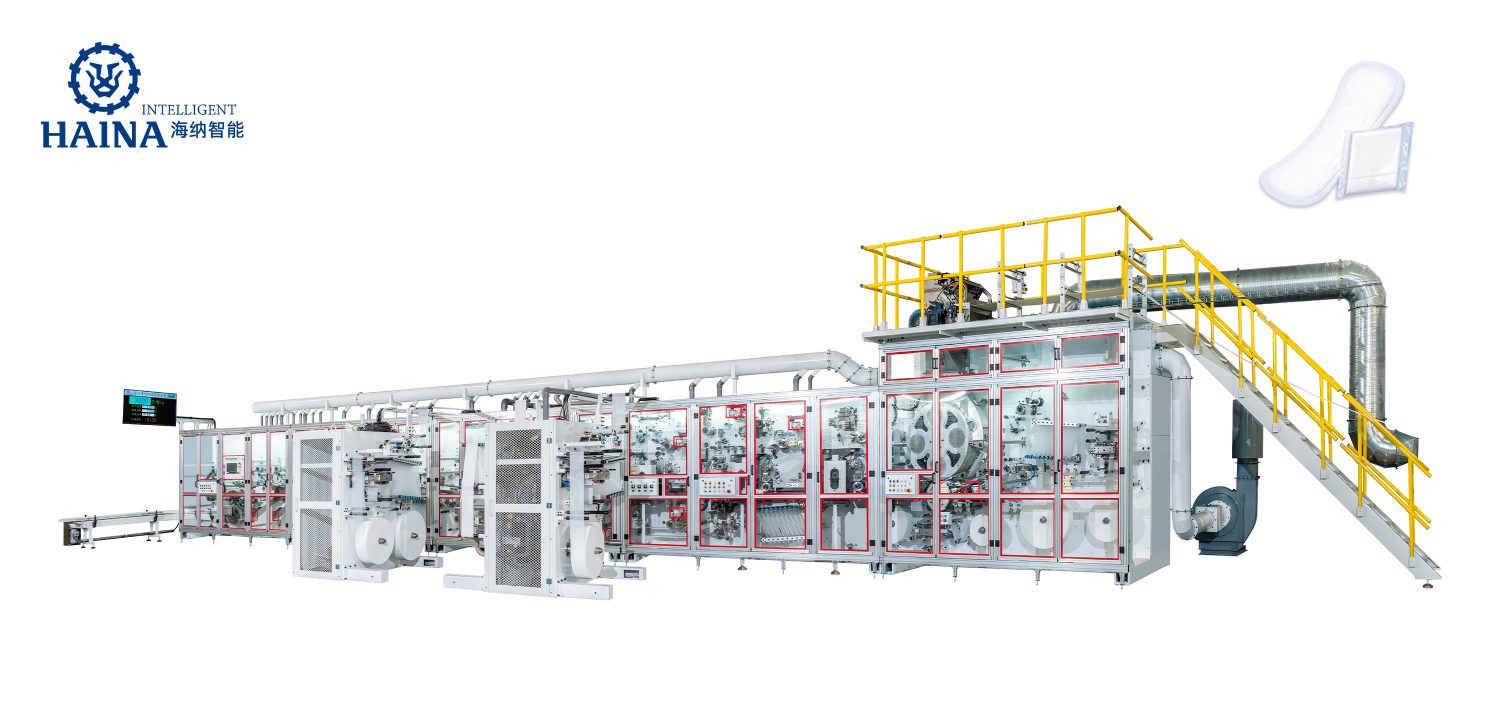
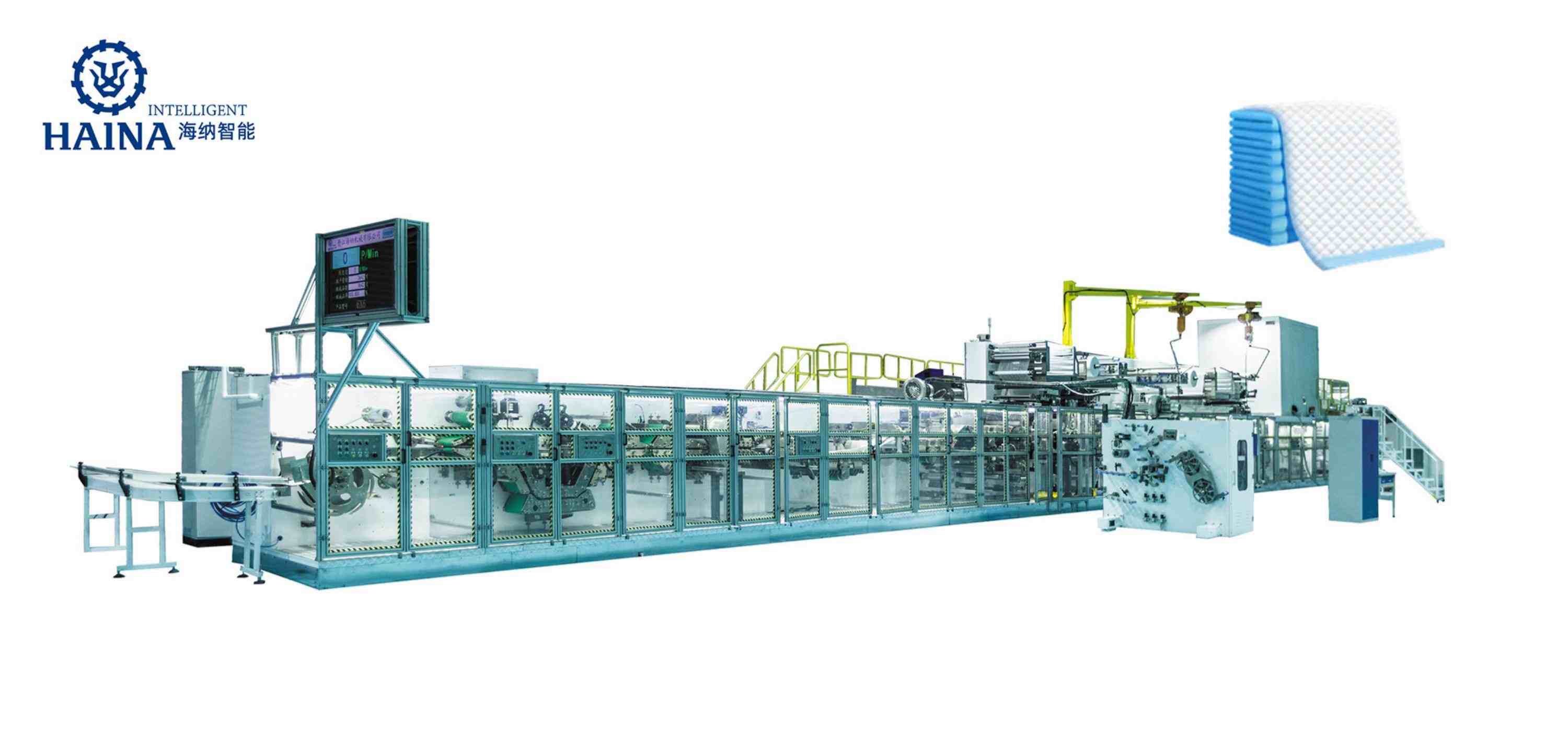
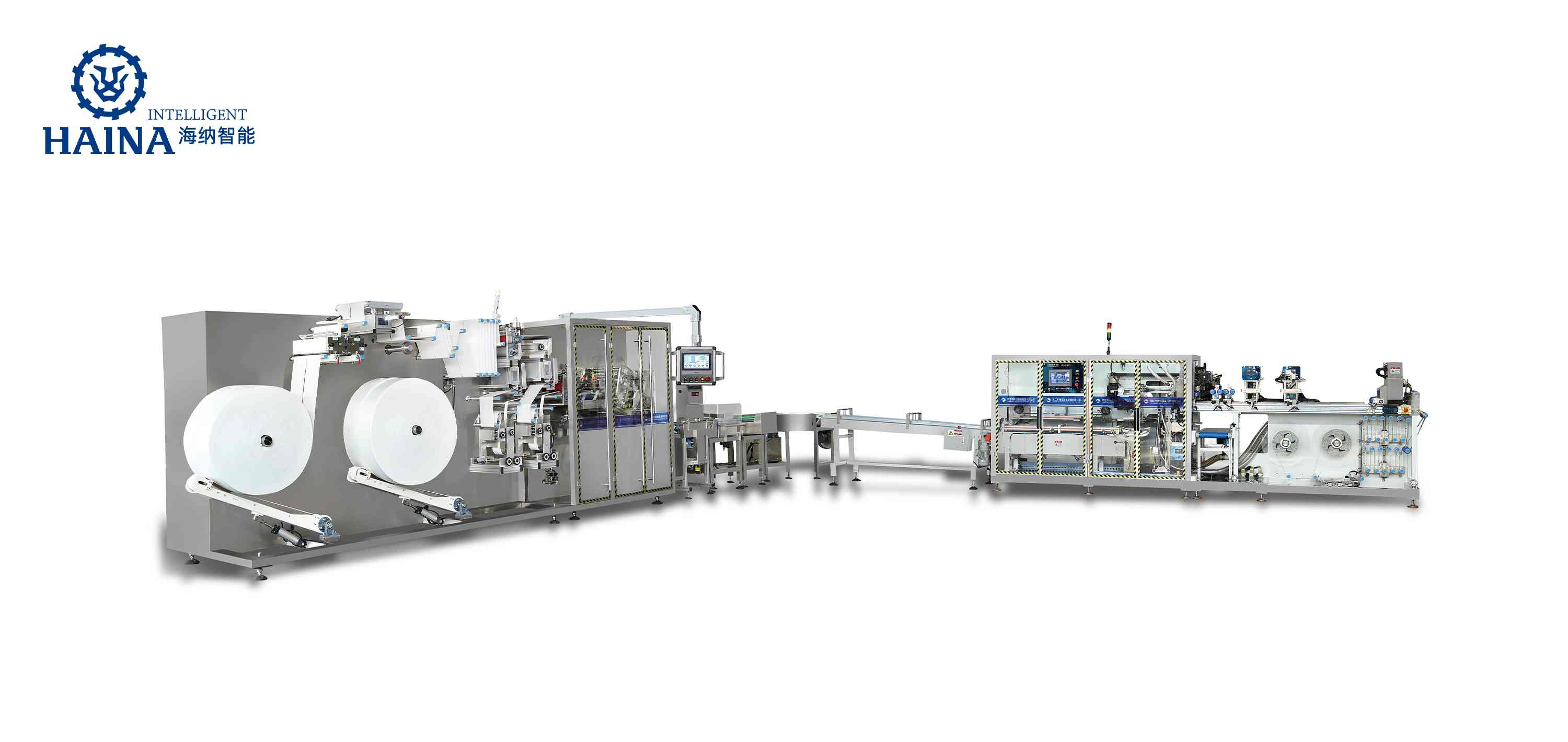
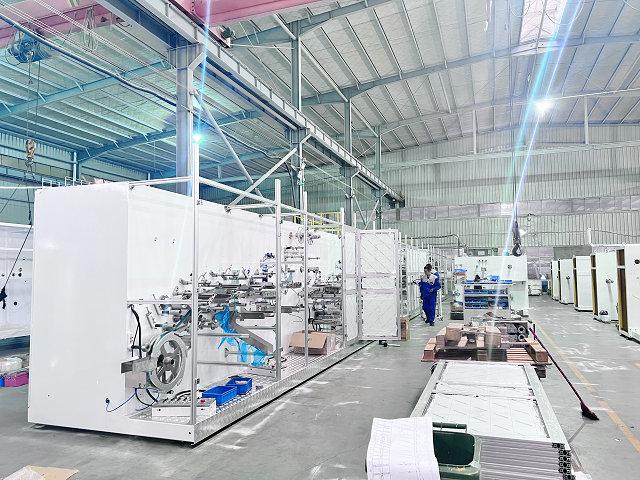
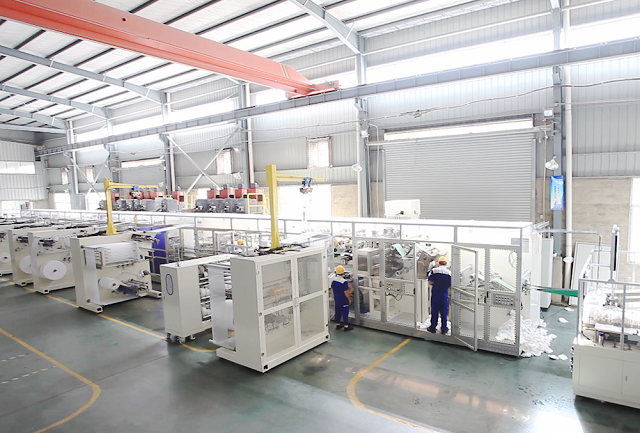
Equipment family context; the photograph does not establish an adhesive timing capability.
Read timing with the substrates
An adhesive name does not fully describe a bond. Nonwoven, film, tissue and release material differ in surface chemistry, texture, porosity and thermal response. A reported timing result obtained between one pair of surfaces is not automatically transferable to another. Even where the adhesive grade stays unchanged, a substrate treatment or construction revision can alter the opportunity for wetting and the resistance developed after contact.
Request the identity and relevant condition of both mating materials in the supplier's comparison. Distinguish the surface receiving the adhesive from the surface arriving later. If the same material has different functional faces, identify the face actually assessed. A trial using a convenient substitute surface can support preliminary screening, but its conclusion should retain that limitation rather than becoming approval for every commercial roll.
For release paper applications, separating a release interface is also a different question from preserving a permanent construction bond. The intended product function determines which interface should hold and which should later separate. Asking for maximum adhesion everywhere can therefore make the specification less useful.
Include application geometry
Two applications of the same grade can have different cooling and contact histories. A narrow deposit, distributed pattern and broader deposit present different exposed areas and material distribution. The appropriate comparison identifies the intended application form without assuming that a laboratory deposit represents the production geometry. This is a request for technical evidence, not an invitation to prescribe an unverified application setting.
Also distinguish adhesive distribution from product contact. A pattern may look continuous while parts of the intended substrate interface receive little effective contact. Conversely, a visible difference in pattern does not by itself prove that early holding is inadequate. The buyer should ask which product requirement is supported by the pattern observation and which still requires an assembly assessment.
Identify the application form represented by the supplier's timing statement.
Describe which surfaces are expected to meet and which regions must remain free.
Keep pattern appearance, early holding and later bond performance as separate observations.
Relate travel to joining
The material spends time travelling between adhesive application and the point where the intended surfaces make effective contact. Path length and actual web movement determine that travel interval. A machine speed quoted without the relevant path does not explain whether joining happens inside the adhesive's useful opportunity. Equally, a quoted adhesive window without the movement context cannot establish compatibility with the proposed line.
Ask the equipment supplier to identify the application and joining events on the proposed process description. This can be communicated through an annotated layout or functional explanation. It does not require the buyer to develop a threading procedure. For a product with several adhesive functions, avoid one general answer: construction lamination and a garment attachment area may have different interfaces and subsequent handling.
Transitions deserve explicit discussion because the time history may change when material movement changes. The engineering question is whether the approved construction remains within its demonstrated joining conditions during the intended operating states. A single steady condition cannot answer that broader question, and an assumed timing margin should not replace an application-specific assessment.
A proposed layout change illustrates the issue. If the application point remains unchanged but the intended joining event moves, the precontact history may change even though the adhesive order and nominal production target do not. That is a reason to revisit compatibility evidence. It is not evidence that the adhesive has become defective, and it does not establish that a parameter change will solve the difference.
Discuss application and joining locations using the proposed project documents.
Describe the first downstream load
After contact, the joined materials may encounter a change in direction, elastic recovery, transfer or folding. The important question is what the developing interface must resist at that stage. A fast set claim has little purchasing value unless its assessment represents a relevant demand. A bond that tolerates gentle supported movement may still behave differently when a product construction imposes separation or shear.
Describe the load by its function and location rather than inventing a numerical requirement. State whether the interface must maintain layer position, restrain an elastic component or preserve a folded geometry. Ask which condition demonstrates sufficient early resistance for that function. The supplier can then explain the applicable method and limitations instead of answering a vague request for the “fastest” adhesive.
Later product assessment remains necessary because early holding is only one part of performance. A visually stable assembly during transport does not establish all required product properties. Procurement should preserve the distinction between a process compatibility result and a finished-product approval, particularly when those decisions belong to different technical teams.
Environmental differences should be described in the same disciplined way. A supplier may identify sensitivity to the application environment, but the effect must be interpreted for its actual method and material pair. Do not transfer a timing statement from an unrelated packaging application to a hygiene interface merely because both products use hot melt adhesive.
Compare a replacement adhesive
Imagine two candidates: one is described as having a longer open time, the other as setting faster. Neither description identifies the better choice on its own. The first might offer useful joining tolerance but have an early holding limitation for the proposed construction. The second might resist downstream movement well after timely joining but offer less tolerance for the actual precontact interval. The useful answer is the overlap between application needs and demonstrated material behavior.
A replacement comparison should therefore retain the same identified product interfaces and distinguish the two clocks. Review how the supplier supports joining compatibility and how it supports the first downstream holding requirement. If the supplier uses different specimens or endpoints for the candidates, ask for the reason and limit the conclusion accordingly. A favorable number from a different method should remain a separate result.
Do not use a successful short observation to claim universal interchangeability. Product variants, material suppliers and operating states can extend beyond the examined construction. A precise conclusion might support one material pairing and defined use while leaving another application unresolved. That is a useful purchasing outcome because it identifies where substitution evidence actually ends.
Write a bounded purchase request
For a HAINA sanitary napkin machine proposal, describe the adhesive function, intended substrate pair, joining relationship and early handling demand in the project inquiry. Request confirmation of the actual proposed equipment scope. The presence of a product family page does not demonstrate that any particular adhesive application system or timing verification is included.
The adhesive request can then ask for definitions, applicable material data and the evidence needed to connect laboratory terminology with the intended construction. Keep unresolved supplier terminology visible until its meaning is agreed. This prevents a commercial summary from promising a broad “wide process window” that neither technical party has defined.
Actual adhesive functions and verification responsibilities require project confirmation.
FAQ
Does a longer open time mean a stronger bond?
No. It describes a joining opportunity under the supplier's stated conditions. Strength depends on the adhesive, interfaces and assessment method. A longer opportunity may help a particular travel interval, but it does not rank final bond performance or prove that the assembly can withstand its first downstream movement.
Can set time be treated as a finished-product release time?
Only if the approved product method explicitly establishes that relationship. A set result often addresses an early resistance endpoint. Finished-product release can involve other properties and a different assessment age. Preserve both decisions so an early process observation is not used as evidence for unexamined product requirements.
Why can two suppliers report apparently incompatible times?
Their start events, substrates, deposits, contact conditions or endpoints may differ. Ask for those definitions before comparing numbers. Converting units does not make unlike tests equivalent. Where methods cannot be aligned, request an application-specific comparison that states exactly what each result supports.
Should procurement request the fastest setting grade available?
It should request a grade suited to the intended joining and handling relationship. Optimizing one descriptor can reduce flexibility elsewhere. A useful inquiry explains the product interfaces and asks the adhesive and equipment suppliers to address both timing demands within the proposed application boundary.
Conclusion
Open time and set time belong to different parts of the bonding sequence. Define each term through its start event and endpoint, retain the actual substrate and application context, then relate joining and early movement to those definitions. A purchasing decision becomes defensible when the proposed adhesive supports both the opportunity to make the interface and the resistance needed afterwards. Keep later product performance as its own approval question, and leave unexamined constructions outside the conclusion.