A changed container seal during sanitary napkin machine shipping is an event to document and reconcile, not automatic proof that equipment is missing or that someone interfered with the load. Preserve the container identity, the seal observed at each relevant handover, and the evidence explaining a recorded change. Where the history is incomplete, state the gap precisely. Assess the equipment's received condition and quantity through their own records rather than using a seal number as a substitute for either check.
The practical deliverable is a seal event timeline linked to the machinery shipment. This guide covers buyer and supplier recordkeeping, including known changes and unexplained differences. It does not determine legal liability, customs requirements, insurance coverage, or a seal's technical classification. Those questions belong to the responsible specialists and the arrangements applicable to the shipment.
An illustrative handover helps separate observation from explanation. A receiving team may find that the seal number on the container differs from the number recorded at departure. A transport update may also describe an intermediate examination. Those two records can be consistent, yet their coexistence does not establish every event between the locations. The buyer should connect the reported examination to the particular container and obtain the applicable event record through the authorized parties. If that connection remains incomplete, the record should describe the gap rather than fill it with a presumed sequence. Equally, the changed number alone should not become an unsupported statement that machinery has been lost or altered. The condition of the received equipment and the continuity of the seal record answer related but different questions. Preserving both observations lets the receiving review identify what can be checked immediately and what still depends on information from another custodian.
Anchor the sanitary napkin machine shipment
Identify the container and the shipment reference before discussing seals. Link those identities to the relevant equipment packing list and dispatch documents. A project can use several containers, and a seal photograph detached from its container reference may be assigned to the wrong load later. Keep separate timelines where different containers follow different journeys.
Record which equipment portions belong to that container at the level supported by the packing documentation. The relationship might identify crates or machine modules rather than every internal component. State that level honestly. A seal record identifies the closure observed on a container; it does not itself describe or count the machinery behind the doors.
Define who collects observations at the handovers visible to the parties. The supplier may observe dispatch, a transport participant may provide an intermediate record, and the buyer may observe arrival. The buyer should ask what evidence can actually be obtained rather than assuming that every transfer will be personally witnessed. Mark unseen stages as unseen, even when the overall transport arrangement is familiar.
Shipment references should connect the container record to the identified equipment portions on the packing list.
Capture the dispatch observation
At dispatch, retain an observation that connects the seal marking to the container identity and the recorded event. A close-up may make the number legible while failing to show which container it belongs to. A wider image may show the container yet leave the marking unreadable. Use complementary evidence where available, with stable file references and an explanation of what each image shows.
Transcribe the marking as observed, including letters or other characters needed to distinguish it. If a character is uncertain, preserve the uncertainty and the original image. Do not silently choose a likely digit to make the paperwork agree. Where a correction is supported by another contemporaneous record, retain both the initial transcription and the source of the correction.
Record the observer, event location, date, and time context. If timestamps come from different sources, identify their stated time zones or leave the unresolved context visible. The objective is to order shipment events reliably, not to change device clocks. Keep the original files available when selected pictures are copied into a dispatch summary.
Distinguish observations from explanations
Use language that makes the evidence level clear. “Observed seal number differs from dispatch record” describes a comparison. “Carrier reported a replacement during an identified event” describes a supplied explanation. “Replacement witnessed by the named observer” describes a different evidence basis. These statements should not be collapsed into one generic entry saying “seal checked.”
A reported reason may be relevant without being independently verified by the buyer. Preserve its source and the document or communication that supplied it. This allows the final reviewer to distinguish the physical observation from information received afterwards. It also avoids turning a reasonable account into an unsupported declaration about events nobody on the project team witnessed.
Keep condition descriptions factual. If the observer records that a marking was unreadable or that the closure looked different, identify the visible feature and retain the supporting image. Do not claim that an appearance proves a particular cause. Where condition raises concern, pass the evidence through the buyer's established shipment incident process for appropriate review.
Record a known seal replacement
When a replacement is known, preserve the old marking, the new marking, the container reference, and the event that connects them. Record who performed or reported the change and which participants witnessed it, if any. The record should make it possible to follow the transition without assuming that a new number belongs to a new container.
Attach the available explanation and event documents without enlarging their meaning. A record may explain why a closure was replaced but say little about the contents observed at that event. If machinery or crates were checked, retain the actual scope of that check. Do not imply a complete contents inspection when the evidence describes only the container closure.
Identify the next expected reference used by the receiving party. Send the corrected timeline through the agreed project communication route so arrival staff do not compare the container only with the superseded dispatch number. Preserve the earlier number as history; removing it from the record would erase the transition that the receiving team needs to understand.
Product and equipment records have their own identities; a closure event cannot replace their documented inspection scope.
Choose evidence for each handover
This table is a planning aid for the shipment coordinator. It identifies the question answered by each record and the conclusion that remains outside it. Use only evidence obtainable under the actual transport arrangement. An empty cell should become a visible evidence gap, not an invented observation added later to complete the form.
Whether every packed component meets acceptance requirements
Known replacement
Old and new marking, event reference, reported or witnessed basis
How are the two seal identities connected?
Whether an unrecorded item was added or removed
Arrival handover
Observed arrival marking and receiving time context
Does the arrival observation match the documented transition?
The complete condition of machinery inside unopened crates
Unexplained difference
Original observation plus outstanding evidence request
Which part of the history remains unknown?
Who caused the difference or bears responsibility
Assign ownership to missing evidence requests. One person should reconcile replies against the same container timeline while retaining their source identities. Otherwise several participants may each receive an explanation and assume that another person has connected it to the actual shipment. The table is complete only to the extent that its entries support their stated questions.
Investigate a number gap without rewriting history
Consider an illustrative arrival: the container identity agrees with the shipment documents, but its observed seal marking differs from the dispatch entry and no replacement is listed. Begin by confirming the references used in the comparison. Check whether the dispatch image, transcribed number, and container reference genuinely belong together. A document mix-up needs a different response from an unexplained physical change.
Ask the responsible transport contact for evidence of the missing transition, specifying the container and the two observed references. Retain the request and any response. If a reported explanation arrives, add it as a later supplied record rather than editing the original arrival entry to suggest that the observer already knew it.
Where the gap remains unresolved, describe it narrowly. “No connecting replacement record was available to the reviewer” is more useful than “shipment compromised,” which introduces an unsupported conclusion. Any decision about notification, onward handling, or specialist investigation should follow the buyer's relevant procedure and authority. This guide does not prescribe an opening action or determine a claim.
Keep receipt checks separate from seal history
The machinery receiving process asks questions the seal timeline cannot answer. Compare received crates or equipment portions with the applicable packing list, and record accessible condition observations under the agreed receipt procedure. If contents are examined, identify what was actually accessible and inspected. An apparently consistent seal history does not eliminate those checks.
Similarly, a seal discrepancy and an equipment discrepancy should be linked without automatically being assigned the same cause. A damaged crate, missing identified package, or inconsistent packing reference has its own evidence. Preserve both records and let the responsible reviewer determine what relationship, if any, the evidence supports.
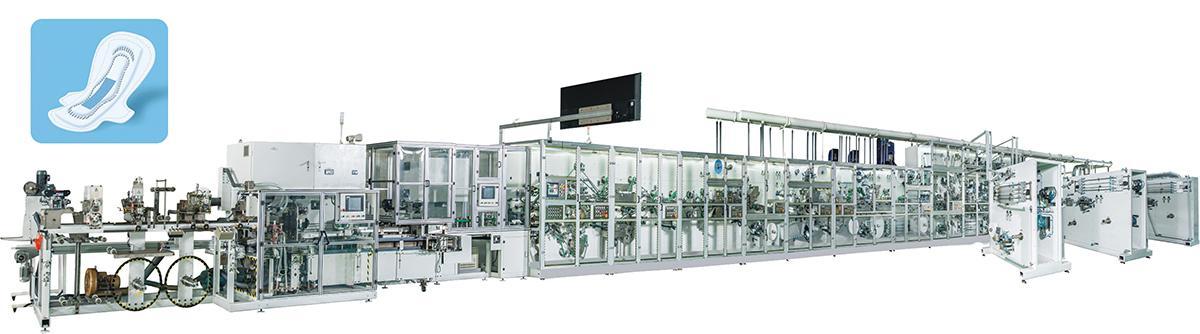
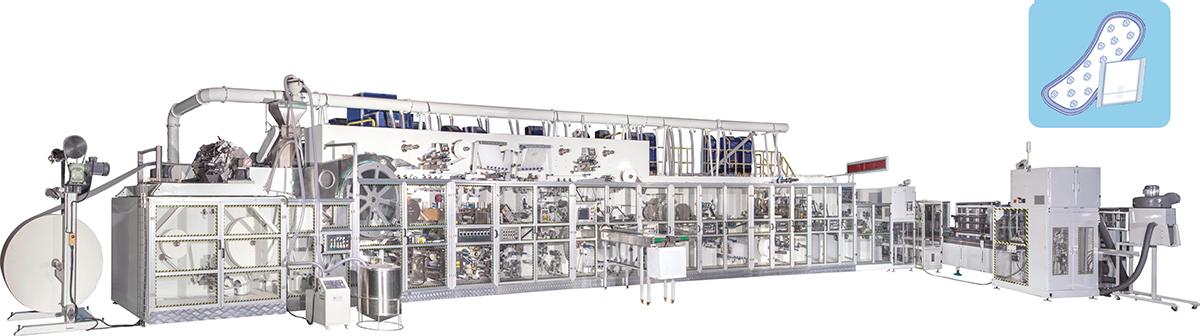
For the HAINA sanitary napkin machine equipment family, connect shipment enquiries to the particular supplied project and packing references. The catalogue identifies the product scope for discussion. It does not establish the state of a container in transit or verify a received module's condition.
Close the timeline with its limits visible
Before archiving, read the timeline from dispatch to arrival and locate every change in seal identity. Each transition should have a source reference or an explicit unresolved status. Confirm that a later document has not overwritten an earlier observation and that the retained image can be recovered from its listed reference.
Close the coordinator's work separately from any continuing incident review. The coordinator may have collected all available records while a competent specialist still needs to assess a concern. Mark those responsibilities independently. An archive status meaning “records collected” should not be described as proof that nothing happened during transport.
Retain the timeline with its container-to-packing-list relationship and the receiving references. Future questions may arise when a crate is opened later, and the seal history will be useful only if it still points to the same shipment. Record any retention or access arrangements through the buyer's existing document procedure rather than inventing a universal period.
The received machinery remains subject to its agreed checks independently of the closure record.
Container seal questions
Does a changed seal establish that something is missing?
No. It establishes a difference to reconcile. Missing machinery requires its own identified receipt evidence, and an unexplained transition remains a record gap until further information supports a conclusion.
Can the original number be removed after replacement?
Retain it as the earlier identity and connect it to the new one. Removing the original reference makes the documented journey harder to follow and can confuse comparisons with dispatch records.
What if the seal marking is not readable in the photograph?
State the image's limitation. Use another identified contemporaneous record if available, preserving its source. An expected number from paperwork should not be presented as a directly observed marking.
Is this timeline enough to resolve an insurance or customs question?
It supplies shipment observations and document references. The relevant specialist must determine which requirements and decisions apply; the timeline itself does not establish coverage, compliance, liability, or a legal remedy.
Conclusion
For sanitary napkin machine shipping, a dependable seal record explains which closure was observed, how a documented change connects successive identities, and where the history remains incomplete. Preserve dispatch evidence before seeking explanations, and keep physical receipt findings on their own evidence basis. The buyer's next review should follow one container through every recorded transition, then verify that its arriving equipment references connect to the intended packing list without turning a number difference into an unsupported loss conclusion.