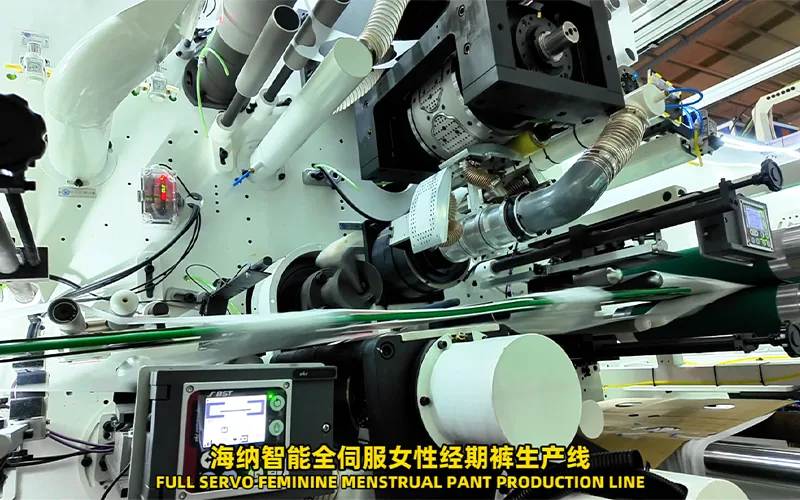
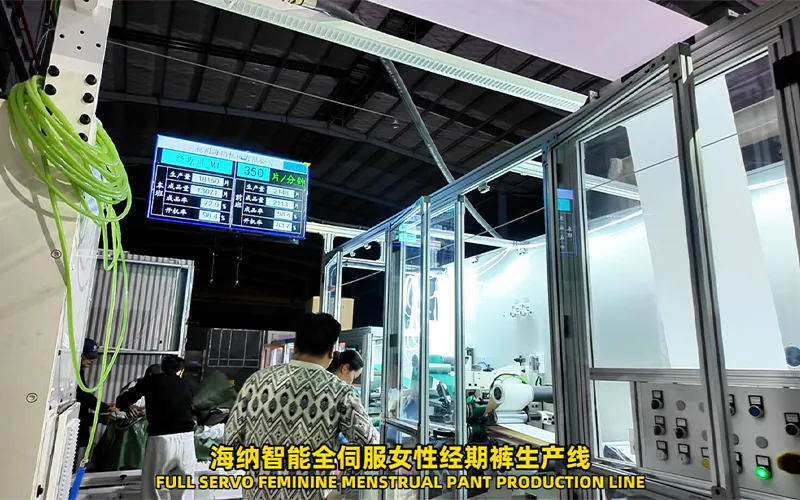
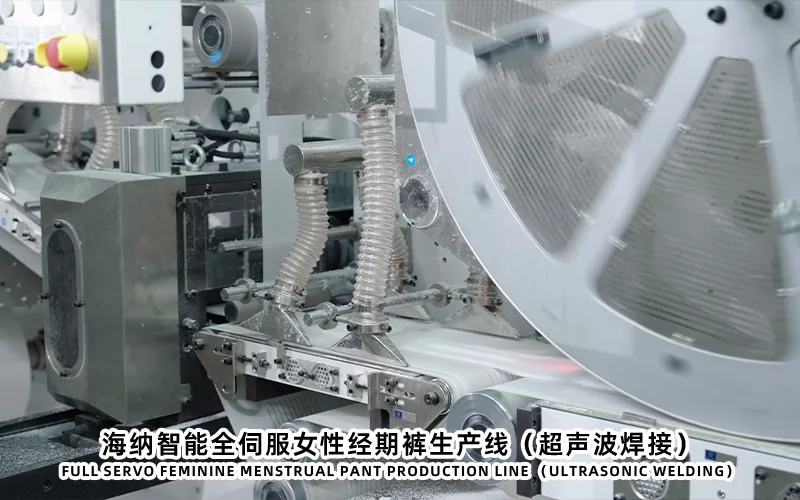
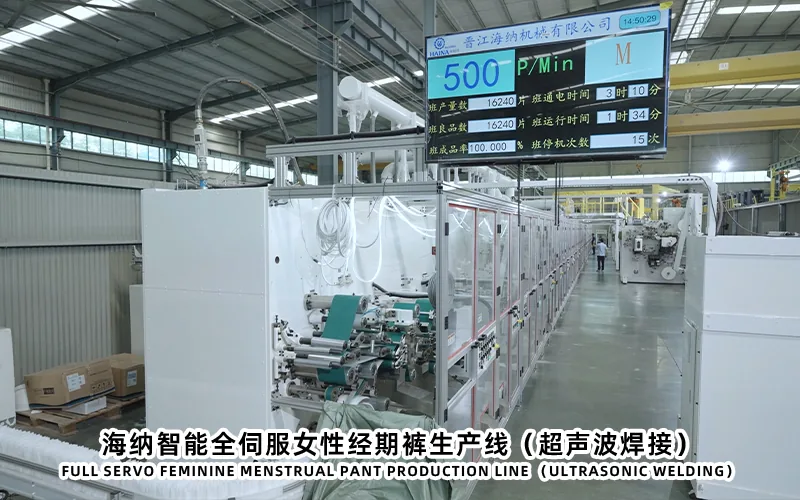
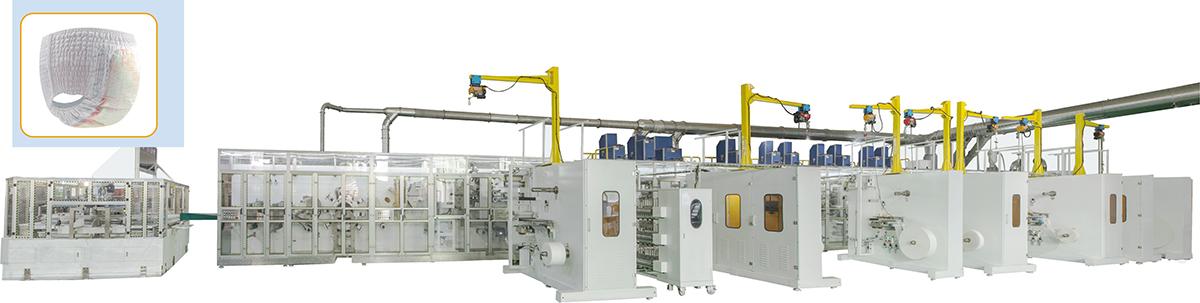
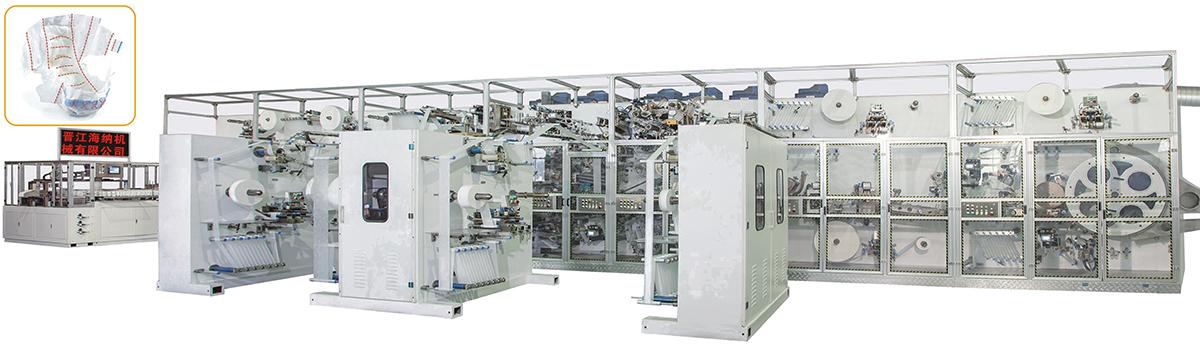
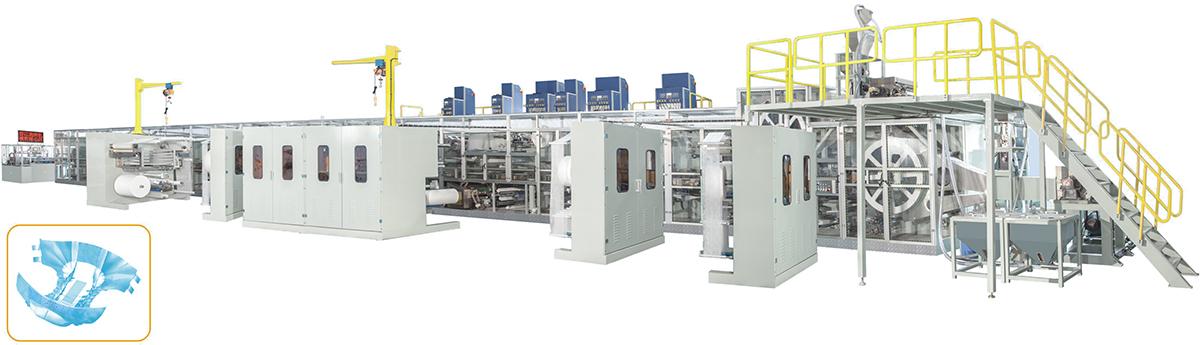
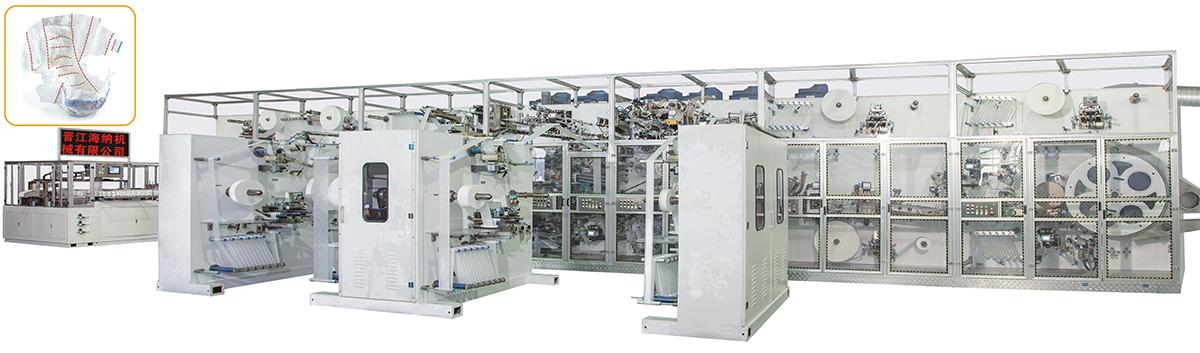
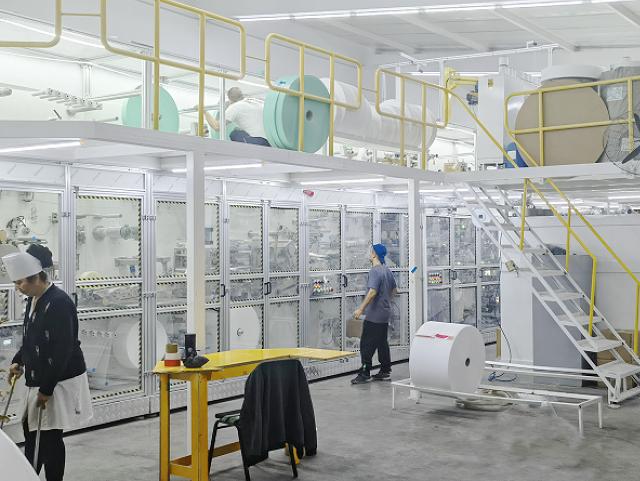
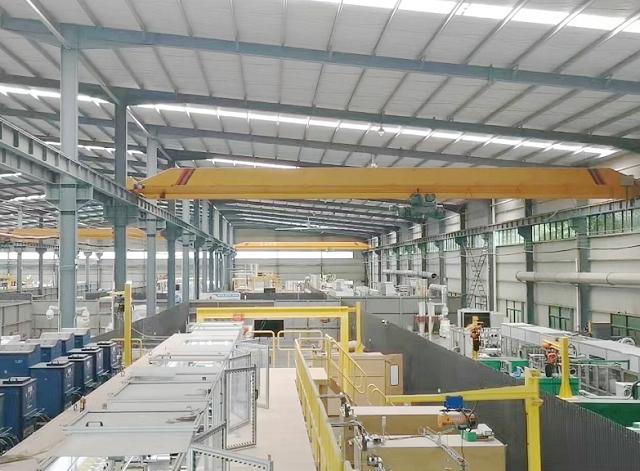
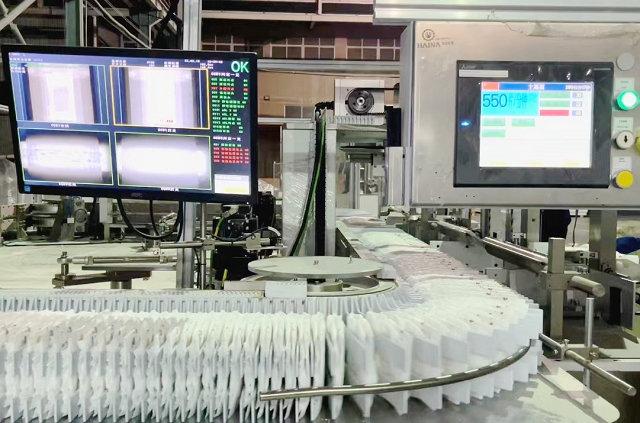
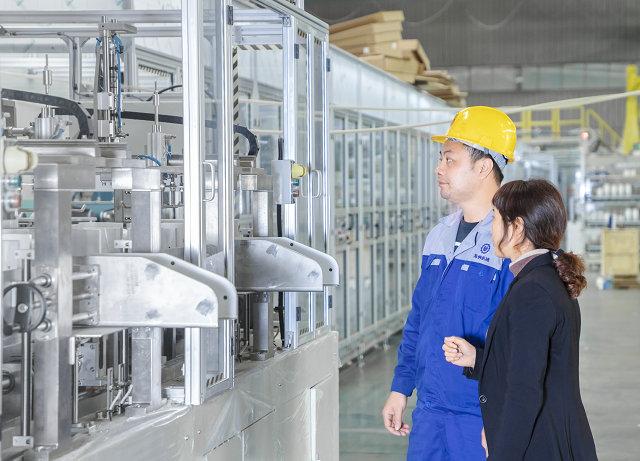
A female diaper production line layout should follow the product from absorbent core forming through chassis assembly, side joining, inspection, folding, and packing while keeping raw materials, people, waste, utilities, and finished goods on controlled routes. The machine frame footprint is only the starting point. Buyers must add roll loading, operator positions, guard opening, maintenance removal, dust extraction, adhesive service, electrical access, quality sampling, packaging supply, and pallet movement. Freeze the product and material matrix first, obtain a dimensioned supplier drawing, overlay the actual building and utilities, and approve each interface before civil work or shipment begins.
Translate the Product into Process Zones
Start with approved products, not an empty floor. List every launch size, finished geometry, material layer, roll width, roll diameter, core size, elastic zone, side-join construction, fold, package count, and downstream process. Identify which modules are common and which need change parts. This product matrix defines the physical and service envelope of the line.
Divide the process into logical zones: pulp and SAP preparation, core formation, web unwinding and lamination, elastic and barrier application, leg cutting, body folding, side joining, final cutting, inspection and rejection, product folding, counting and stacking, primary bagging, case handling, and pallet movement. The exact sequence follows the selected product construction.
Mark the ownership boundary around auxiliaries. Adhesive units, compressors, vacuum pumps, dust collection, chillers where required, quality equipment, coding, baggers, case packers, conveyors, and lifting devices may be supplied by different parties. Their location and interfaces belong on the same coordinated drawing even when they are purchased separately.
Reserve future space only for defined changes. A credible reservation identifies the future module, incoming and outgoing interface, utility load, maintenance envelope, and installation route. An unlabeled empty area can interrupt current material flow without providing a practical expansion path.
Process zoning connects product construction with equipment utilities and factory movement.
Place the Core-Forming and Dust Area
The core-forming end influences dust control, raw-material handling, fire precautions, cleaning access, and waste removal. Map the movement of pulp, SAP, tissue or core wrap, rejected core material, filters, and collected waste. Position preparation and extraction equipment so service staff can reach it without crossing the finished-product route.
Dust extraction should be designed as an engineered system. Collect airflow, pressure, branch, filtration, discharge, cleaning, isolation, and environmental requirements from the responsible suppliers. Review the height and route of ducts against roof beams, lights, sprinklers, cable trays, and crane paths. Provide access for filter service and waste removal.
Core-forming equipment may require space for drum or forming-part removal, screen cleaning, vacuum checks, pulp-feed service, and inspection. Draw these temporary work zones at full size. A narrow permanent aisle may look sufficient during production but fail when a major component must be withdrawn.
Keep sensitive raw materials in controlled storage and stage only the quantity supported by the production plan. Define safe lifting and transfer methods. Floor loading, pallet dimensions, door width, turning radius, and storage conditions should be checked before equipment arrives.
Arrange Chassis Converting and Side Joining
The central converting area combines multiple webs and synchronized operations. Its layout should preserve direct visibility, threading access, guard opening, cleaning, roll change, tooling change, sensor service, and safe escape. Control stations should let operators observe relevant zones without standing in a material route or beside exposed service activity.
Leg-cut waste needs a continuous route from tooling to collection. Review duct direction, bend radius, access, and the effect of extraction on the lightweight web. Waste carts or bags should leave without passing through accepted product or blocking electrical panels. Mark temporary locations used during cutter cleaning and blade changes.
Body folding and side joining need space for alignment checks, tooling access, product sampling, and removal of suspect pieces. If joining equipment has dedicated electrical, cooling, pneumatic, or extraction needs, show those connections on the utility plan. The layout must allow maintenance without removing unrelated equipment.
Large changes in product size can alter guide positions, change parts, and work sequence. Provide labeled storage near the point of use, but outside guards and emergency routes. Include a clean surface for inspection and preparation. Do not store tooling directly on the floor or in production material racks.
Create a roll matrix for every unwind. Record material, width, maximum approved diameter, core, mass, winding direction, lifting point, splice method, and expected replacement pattern. Use it to select trolleys, hoists, shafts, staging positions, and aisle widths. Confirm that the heaviest and widest approved roll can reach its unwind safely.
Separate forklift movement from routine operator paths wherever possible. Show receiving, quarantine, approved storage, line staging, empty-core return, waste removal, packaging material, and finished-goods routes in different colors. Then walk the paths with production, warehouse, safety, and maintenance teams.
Staging too much material beside the machine creates congestion and can block guard doors or inspection points. Staging too little causes frequent transport and line waiting. Set replenishment quantities from real roll consumption and handling time, then define marked locations that cannot expand into access zones.
Flow-path inspection sheet
Every jumbo roll has an approved lifting device and approach direction.
Material staging does not block guards panels exits or maintenance removal.
People and powered vehicles have separated or controlled crossing points.
Core-forming and edge-trim waste leave without crossing accepted products.
Rejected products have identified quarantine and disposition routes.
Packaging film bags cases and pallets enter downstream without reverse flow.
Finished pallets reach storage through verified doors aisles and turns.
Coordinate Utilities and Maintenance Access
Collect utility requirements by process zone. Record normal, peak, and startup demand where relevant, along with required quality and allowable variation. Electrical power, compressed air, vacuum, dust extraction, adhesive heating, cooling, network, lighting, and environmental controls should not be reduced to one unexplained total.
Overlay floor and elevation information. Include columns, beams, pits, trenches, drains, doors, crane rails, fire systems, cable trays, ducts, pipes, lights, and roof access. Check whether a duct or tray blocks a roll-loading path, guard opening, hoist, or component removal. Coordinate isolation points so maintenance can reach them safely.
The working envelope includes daily inspection, lubrication, cleaning, alignment, belt or blade service, sensor replacement, electrical panel access, and major component removal. For each task, identify the person, tools, lifted item, temporary work area, and isolation need. Protect those spaces with approved drawings and floor controls.
HAINA can review a buyer's product matrix, factory drawing, utility conditions, and downstream boundary against a proposed menstrual pants production line. Final dimensions and connection points should be taken from the approved project documents.
Utilities must fit the real operating and maintenance envelope in plan and elevation.
Connect Inspection Packing and Warehousing
Define the line boundary after product conversion. Counting, folding, stacking, transfer, bag loading, sealing, coding, inspection, case packing, and palletizing need a balanced material and signal flow. A downstream stop should trigger an agreed upstream response such as controlled slowdown, accumulation, rejection, or stop. Document the sequence and test it.
Provide space for quality sampling, measurement, retained samples, and quarantine. Sampling should not require staff to cross moving product or vehicle paths. Locate instruments away from dust, vibration, heat, and uncontrolled airflow when these could affect measurements. Define how samples are labeled and returned or disposed.
Packaging consumables need their own staging logic. Show bag film, premade bags where used, labels, coding supplies, cases, tape, and pallets. Their replenishment route should not conflict with finished output. Include access for seal cleaning, film threading, code verification, and reject removal.
Finished products move from the cleanest process area toward storage and dispatch. Avoid routing them past pulp handling, open waste, adhesive storage, or maintenance work. Verify pallet footprint, stacking, floor load, turning radius, fire zoning, and warehouse capacity against the planned output and package configuration.
Apply a Layout Review Matrix
Layout zone
Required input
Review owner
Release evidence
Core forming
Material flow dust extraction service and waste data
Process engineering and safety
Coordinated plan elevation and access review
Chassis converting
Working envelope threading tooling and operator tasks
Production and maintenance
Task walkdown and protected clearance drawing
Utilities
Zone loads quality peak demand and isolation schedule
Facility engineering
Approved connection and capacity calculations
Inspection and packing
Transfer rate stop logic sampling and consumable routes
Quality and packaging
Interface diagram and complete sequence test
Warehouse connection
Pallet routes doors turns storage and dispatch plan
Logistics and safety
Physical route walkdown and capacity review
The review matrix makes ownership visible. Procurement controls contractual boundaries, but it should not approve technical clearances alone. Engineering controls the drawing, production verifies operation, maintenance verifies service, quality verifies sampling and quarantine, logistics verifies movement, and safety verifies protected routes and isolation.
Release the Layout Through Project Gates
Product gate: approve launch sizes materials process route package scope and future options.
Concept gate: position process zones material flow waste quality packing and warehouse connections.
Coordination gate: overlay building structure utilities elevations access fire systems and lifting routes.
Civil gate: verify floor openings foundations where needed doors trenches and installation access.
Installation gate: inspect unloading identification positioning leveling assembly and preservation.
Utility gate: verify ratings cleanliness isolation grounding rotation and recorded pre-start tests.
Use controlled drawing revisions at every gate. Deviations found on site should be marked, reviewed for downstream impact, approved, and incorporated into the master documents. Before shipment, place full-size floor marks for machine edges, aisles, material staging, packaging, and vehicle routes. A physical walkdown often reveals conflicts that remain hidden on a screen.
Project gates keep the approved factory plan aligned from civil work through commissioning.
Frequently Asked Questions
Can layout be based on the machine footprint in a quotation?
No. Add roll loading, operators, guards, service, component removal, utilities, dust and waste systems, quality sampling, packaging, traffic, and emergency access.
Where should the core-forming section be placed?
Place it according to pulp and SAP delivery, dust extraction, waste removal, fire and cleaning requirements, service access, and separation from accepted finished products.
Should the automatic bagger be shown on the same drawing?
Yes. Include its physical footprint, consumable route, operator and maintenance access, electrical and air services, signal interface, stop response, and finished-product path.
When is a layout ready for civil construction?
Only after product scope, equipment arrangement, working envelopes, building constraints, elevations, utilities, lifting, safety, packaging, and responsible parties are approved in a controlled revision.
Conclusion
A practical female diaper production line layout follows the entire product and material journey from core forming to packed pallet. It places dust and waste deliberately, preserves chassis-converting and maintenance access, separates people from material vehicles, coordinates utilities in three dimensions, and treats inspection and packing as part of the production system. A cross-functional review matrix and staged release process turn the equipment drawing into a factory plan that can be installed, operated, serviced, and changed with fewer avoidable conflicts.