Adult & Baby Diaper Machine,Sanitary Napkins Production Line Blog
Use a controlled material checklist for adult diaper making machine trials, covering rolls, absorbent inputs, elastics, adhesives, packaging, and release.
A trial production run on an adult diaper making machine should use controlled materials that represent the intended commercial product. The checklist must identify each web, absorbent component, elastic, fastening part, adhesive, and packaging material by approved specification and lot. Buyers also need roll dimensions, winding direction, splice condition, storage history, and enough quantity for setup, stable running, stops, and samples. The decision to begin a trial should depend on material identity, machine compatibility, quality instruments, trained staff, and an agreed test protocol. Missing or substitute materials must be recorded before the line is started.
Freeze the Product Bill of Materials
Begin with one approved product drawing and one bill of materials for each size in the trial. The records should connect every component to its function, location, target dimensions, supplier reference, internal material code, and approved revision. Typical entries include topsheet, acquisition or distribution layer, tissue, fluff pulp, SAP, backsheet, standing cuff nonwoven, leg elastic, waist elastic, frontal tape, side tape or fastening ears, release material, construction adhesive, elastic adhesive, and primary packaging film.
A material name alone is not a specification. For a nonwoven, record width, basis weight range, composition where relevant, surface treatment, roll diameter, core dimensions, winding direction, splice form, and the side that must face the product. For film and laminates, include thickness or basis weight, coefficient behavior important to feeding, print registration when used, and heat exposure limits if downstream sealing is involved. For elastics, identify count, nominal size, extension behavior, package form, and storage controls.
Lock the revision before shipment to the equipment factory or before commissioning at the buyer's plant. If engineering changes a core width or tape position after materials have been ordered, the old rolls can create misleading trial results. Use a signed deviation record for every substitute. The record should state why it is used, which functions could be affected, and which tests must be repeated with commercial material.
Each material feed should be linked to an approved specification and product position.
Inspect Roll Dimensions and Condition
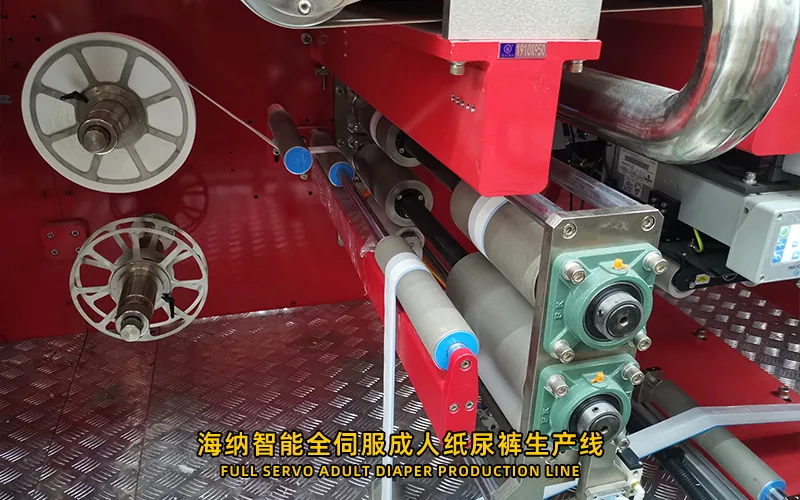
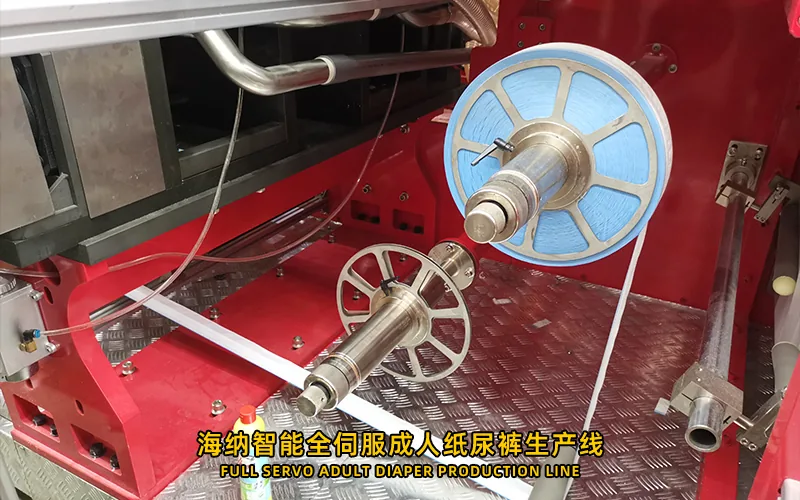
Receiving inspection should verify more than the label. Check each roll against the required width, outside diameter, core inside diameter, gross weight, winding direction, edge quality, telescoping, looseness, damage, contamination, moisture protection, and splice markings. A roll that fits the unwind shaft may still be unsuitable if its edge condition causes guiding variation or if its winding direction places a treated surface on the wrong side.
Record the material lot and the machine position where it is installed. This trace allows the trial team to connect a web break, bond problem, wrinkle, or visual defect to a specific roll. Mark partial rolls clearly and protect their edges during staging. Heavy adult diaper webs require an approved lifting method, enough aisle space, and a defined position for removing cores and packaging. Safe handling is part of trial readiness.
Condition materials in the trial environment when their behavior is sensitive to temperature or humidity. Do not open protective packaging earlier than the material procedure allows. Compare the actual factory environment with the conditions used for prior samples. If the material has been stored for an unusual period or transported through extreme conditions, record that history rather than assuming it has no effect.
Release note: A roll should not be released merely because its printed specification matches the order. Physical condition, orientation, lot identity, and compatibility with the installed unwind and splice method must also pass inspection.
Prepare Pulp SAP and Core Materials
The absorbent system needs a separate preparation plan because its condition affects both process stability and finished-product performance. Confirm pulp bale identity, moisture protection, contamination controls, and the feeding method. Inspect the mill or defibration area before loading. Foreign material, damaged bales, unsuitable storage, or inconsistent feed can change core distribution and create avoidable dust.
SAP must match the intended dosing and containment method. Record grade, lot, package condition, storage, handling, and the approved target recipe. Trial staff should know how the dosing system is emptied, cleaned, and protected from contamination. Do not treat a displayed dosing value as proof of distribution. Use defined sample positions and test methods to examine core mass, SAP placement, integrity, and variation.
Tissue, core wrap, acquisition layers, or prefabricated absorbent components need the same roll-control discipline as visible webs. Check whether their tensile strength, softness, porosity, and surface behavior permit stable transfer at the planned operating condition. A weak tissue may run during slow setup but fail during acceleration. A stiff acquisition layer may feed easily while producing an unrepresentative finished product.
Core materials should be verified by lot and tested across setup stable running and restart conditions.
Control Elastic Cuff and Fastening Components
Elastic components influence fit, leakage protection, web tension, and product shape. The material checklist should identify every leg, waist, and cuff elastic feed separately. Record package dimensions, feed direction, nominal properties, approved extension setting range, joining adhesive, and replacement method. Keep enough packages ready to observe a normal change without mixing lots unexpectedly.
Standing cuff and hydrophobic nonwoven require controlled orientation. Mark the product side, treatment side, and edge reference. Verify width and slit quality before threading. Wrinkles, curl, variable surface treatment, or damaged edges can look like machine alignment problems. Retain samples from both the raw web and the converted product when a defect appears.
Frontal tape, side tapes, hook materials, and release papers must match the application and cutting system. Confirm width, pitch, backing behavior, winding direction, splice, bond surface, and placement drawing. Trial the complete fastening system rather than judging each component independently. A tape can feed well but fail the intended bond when paired with a different frontal material or adhesive pattern.
Prepare a challenge check for missing, doubled, shifted, or poorly bonded components where the line includes corresponding inspection. The purpose is to verify detection and rejection logic, not to claim that an inspection system can find every possible defect. Record the challenge item, expected response, actual response, and disposition of affected products.
Qualify Adhesive and Packaging Supplies
Adhesive preparation should follow the material supplier's handling information and the approved process plan. Identify construction and elastic adhesive separately where both are used. Record lot, container condition, storage, application unit, hose and nozzle assignment, planned temperature window, pattern, and cleaning method. Temperatures and pressures are product-specific settings; they should not be copied from a previous trial without review.
Packaging materials must represent the agreed downstream scope. Confirm bag or film dimensions, thickness, print repeat if applicable, opening behavior, seal compatibility, pack count, compression, label or code area, and case requirements. Product stacking may be stable during slow manual collection but change when an automatic stacker or bagger is connected. Include packaging supply and rejected-pack handling in the material plan.
Packaging material belongs in the same trial plan as absorbent and converting materials.
Use a Material Release Table
Material group
Release evidence
Process risk if uncontrolled
Trial verification
Topsheet backsheet and nonwovens
Code lot width roll condition orientation and approved revision
Wrinkles guiding drift poor bond or wrong product surface
Threading check web tracking bond and visual sample
Pulp SAP tissue and core layers
Identity condition storage recipe and contamination status
Core variation dust weak containment or false performance result
Mass distribution integrity and retained samples
Elastics cuffs and waist components
Feed position package condition orientation and recipe
Uneven contraction poor fit curl or leakage barrier defects
Position contraction bond and stop restart observation
Tapes hooks and release materials
Dimensions winding surface pairing and placement drawing
Misfeed poor closure shifted parts or cutting faults
Placement bond function and detection challenge
Adhesives
Grade lot storage unit assignment and approved settings
Weak bond contamination buildup or material damage
Pattern condition bond checks and logged adjustments
Packaging supplies
Bag specification count print seal and case interface
Unstable stack bag jams poor seals or blocked discharge
Complete pack run inspection and recovery test
The release table should be signed before the material enters production. Quality owns identity and conformance, production owns correct staging and use, engineering owns machine compatibility and controlled settings, and procurement closes supplier documentation gaps. The equipment supplier should state any required material window early enough for the buyer to source representative lots.
Run a Controlled Trial Sequence
Confirm readiness: approve product drawings, bill of materials, roll list, instruments, staffing, utilities, safety checks, and the written test protocol.
Record installation: scan or record each lot at its machine feed, verify orientation, and document starting roll condition.
Thread at controlled speed: inspect paths, guides, tension zones, adhesive patterns, core transfer, component position, folds, and reject routing.
Establish first acceptable product: save the recipe revision and retain samples with the material and machine records that produced them.
Observe stable running: log operating speed separately from design speed, stops, waste, interventions, quality checks, and packed good output.
Challenge normal events: include at least one planned material change, controlled stop, restart, sampling cycle, and downstream recovery relevant to the scope.
Reconcile materials: record issued, returned, consumed, rejected, and retained quantities by lot, then investigate unexplained differences.
Close deviations: assign each material or process issue an owner, evidence requirement, due date, and repeat-test decision.
The trial should not be judged by the highest displayed speed. Design speed is a declared equipment capability under stated conditions. Stable working speed is repeatable operation with the agreed product and materials. The observed operating speed may vary during the trial, while the acceptance value belongs in the signed protocol. Keep all four terms separate in records and discussions.
Assign Material and Test Responsibility
Material planning is shared work. The buyer normally approves the commercial product, raw material suppliers provide controlled lots and handling information, and the equipment supplier identifies feed and process requirements. Quality defines inspection and release. Production stages and uses the correct materials. Engineering controls recipes and investigates interactions. No party should change a critical material without a documented review.
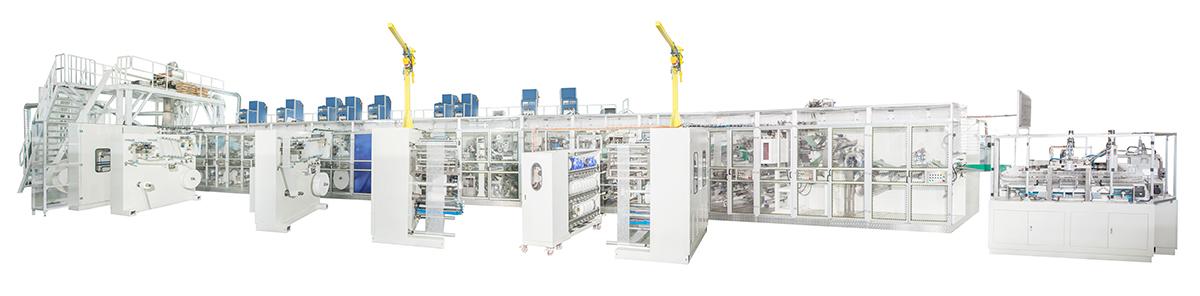
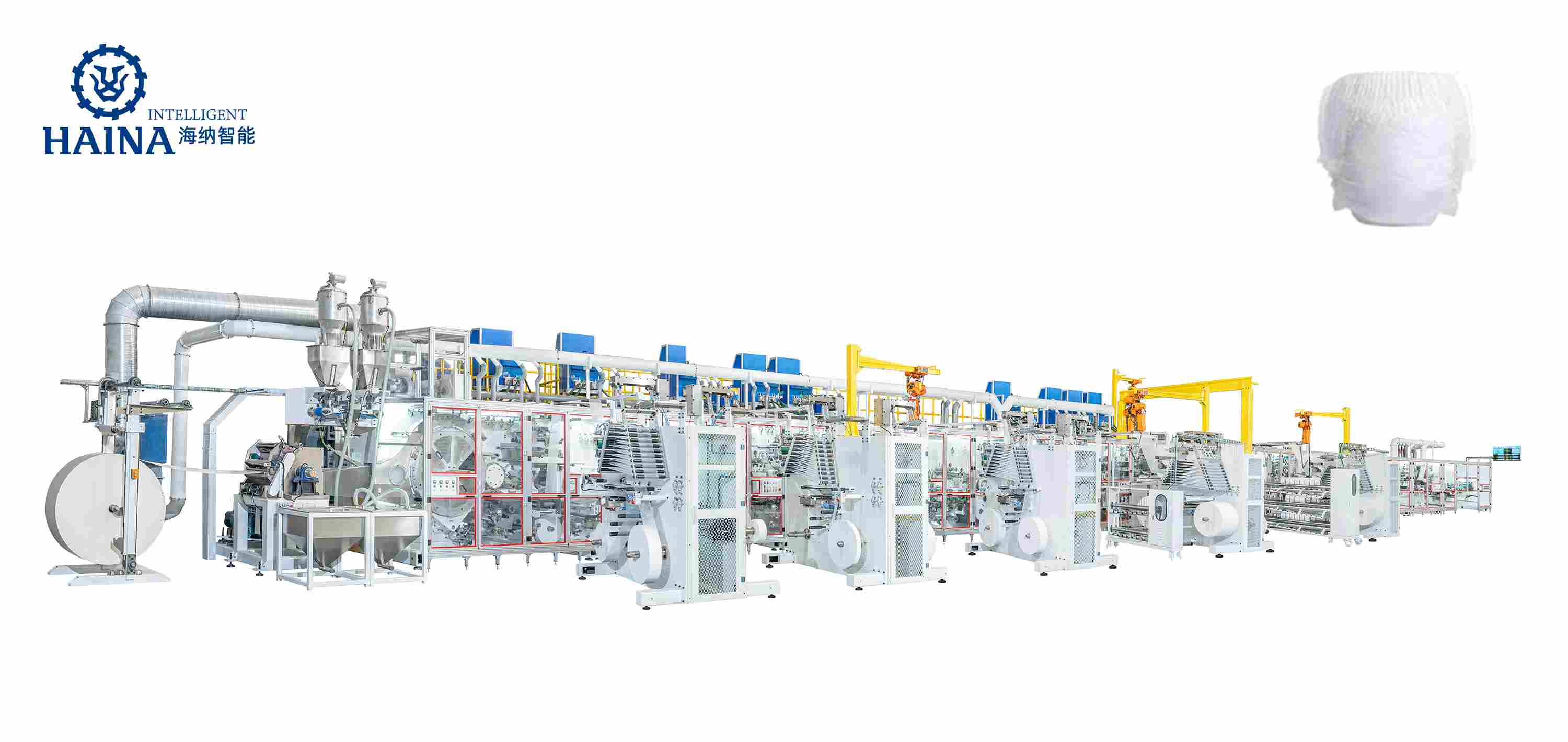
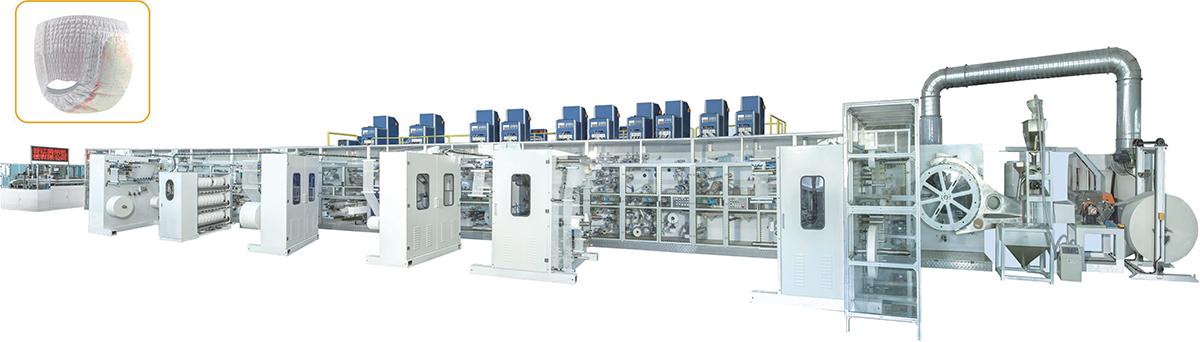
For a HAINA project review, the buyer can align this checklist with the planned adult diaper making machine configuration, product drawings, and agreed FAT or commissioning scope. The final material windows, quantities, settings, and acceptance limits should be project-specific and recorded in approved documents.
A controlled trial connects material lots machine settings quality samples and operator actions.
Trial Material FAQ
Can trial production use locally available substitute materials?
Yes only as a documented deviation. Identify the affected process and quality risks, limit the conclusions drawn from that run, and repeat the necessary checks with approved commercial materials before final acceptance.
How much raw material should be prepared?
There is no universal quantity. Calculate material for threading, setup, a meaningful stable run, planned roll changes, stop recovery, packaging trials, quality samples, retained samples, and a reasonable troubleshooting allowance.
Who should approve materials before the trial starts?
The buyer's authorized quality and product teams should confirm identity and specification, while production and engineering verify condition, staging, and machine compatibility. Responsibilities should be named in the protocol.
What records matter when a web breaks during testing?
Record the roll and lot, feed position, time, operating condition, splice history, tension or recipe state, break location, edge and surface observations, corrective action, and the result after restart.
Conclusion
An adult diaper making machine trial is only as useful as its material control. Freeze the product bill, inspect actual roll condition, prepare the absorbent system carefully, verify elastic and fastening combinations, include adhesives and packaging, and release each lot through a documented table. Run enough material to observe stable production and normal events, then retain samples and records that connect results to specific inputs. This turns trial production from a short demonstration into evidence that the agreed product can be repeated under controlled commercial conditions.