A fully automatic adult diaper machine can reduce repetitive handling, manual counting, transfer work, and adjustment time, but it does not remove the need for people. Real labor savings depend on the supplied modules, roll-change method, material preparation, inspection system, packing interface, factory logistics, maintenance response, and product mix. Buyers should measure labor by task before and after automation, then separate direct operators from material handlers, quality staff, technicians, and packers. The credible result is a shift labor model tested during stable production and changeovers, not a single headcount claim in a quotation.
Define the Labor Boundary
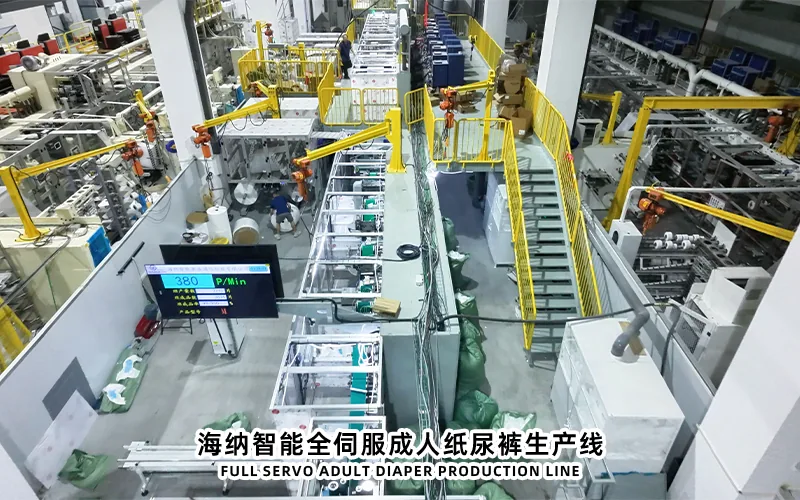
Labor comparisons often fail because the boundary changes between suppliers. One quotation may count only people standing beside the converting line. Another may include packaging but exclude roll preparation, material movement, quality sampling, cleaning, and maintenance. Before discussing savings, draw the complete production flow from raw material receipt to accepted packed product and identify every task performed during a normal shift.
Separate direct and shared roles. Direct roles may include the line leader, unwind attendants, process operators, reject handling, stacker or bagger operators, and pack-out staff. Shared roles can include forklift drivers, warehouse workers, quality technicians, adhesive preparation, maintenance, utilities, and supervisors. Shared roles may support several lines, so allocating an entire person to one machine can distort the comparison.
Define the operating scenario as well. Labor at a stable run differs from labor during startup, a size change, a material break, cleaning, planned maintenance, or a packaging blockage. A credible model covers the whole shift and states product size, roll format, pack specification, changeover frequency, planned breaks, and which modules are actually in scope.
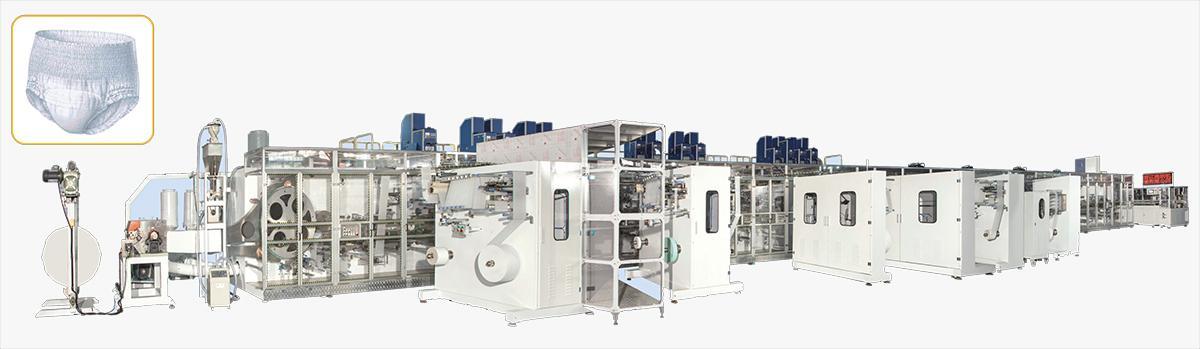
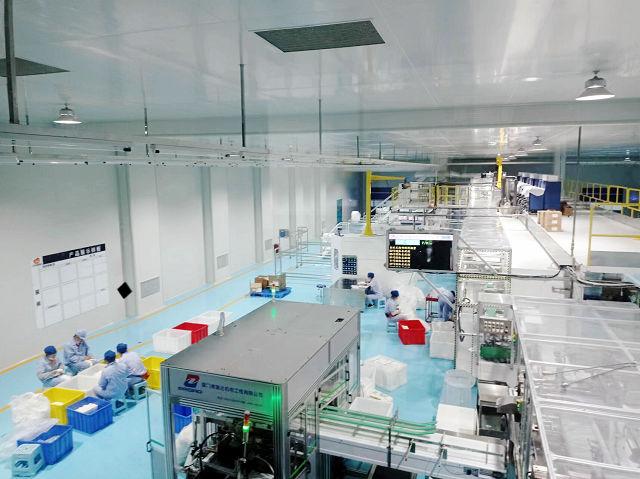
Labor planning should cover every active station and material movement around the line.
Identify Tasks Automation Can Reduce
Automation creates labor value when it removes a frequent manual action or allows one person to monitor several coordinated functions. Servo recipes can reduce repeated mechanical adjustments when they store validated settings for web position, phase, cut, or product length. Automatic web guiding can reduce constant edge correction. Inspection and automatic rejection can reduce continuous visual sorting, although quality sampling remains necessary.
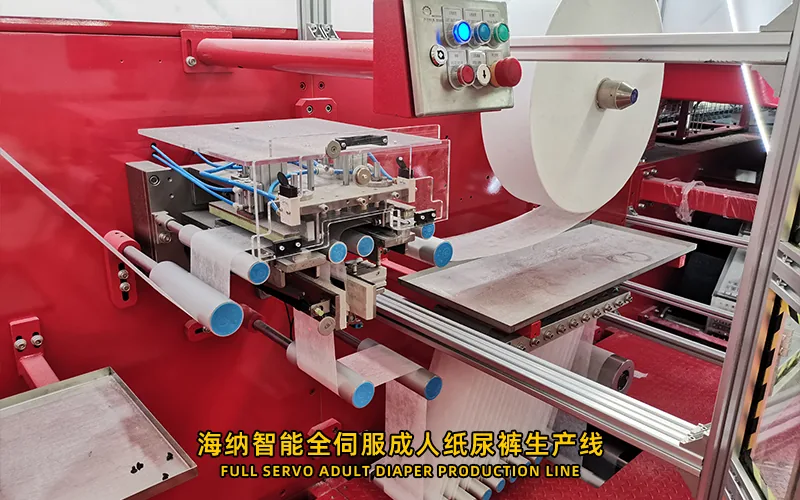
Zero-speed splicing or other automatic roll-change arrangements can reduce the need to slow or stop the line, but they do not eliminate roll staging, core removal, joint preparation, and safe lifting. Automatic core feeding, SAP dosing, adhesive controls, and material-end alarms can reduce intervention when they are integrated with clear alarms and accessible replenishment points.
Downstream automation often changes headcount more visibly than the main converter. An automatic stacker can replace manual counting and organize product transfer. A matched bagger can reduce loading, sealing, and discharge handling. The result depends on pack variation, bag supply, compression requirements, labeling, case packing, and pallet movement. A bagger should therefore be evaluated as part of the complete work flow, not as an isolated accessory.
Operational note: Automation does not create labor savings if frequent false alarms, web breaks, bag jams, or difficult replenishment require people to stand by. Stable process control and maintainable access are part of the labor calculation.
Find the Work That Remains
Raw material logistics remain significant. Adult diaper products use wide and sometimes heavy rolls, multiple elastic feeds, absorbent materials, adhesive, fastening components, and packaging supplies. People or handling systems must receive, inspect, identify, condition, stage, load, splice, and remove these materials. Safe lifting aids can change the physical workload without necessarily reducing the number of assigned tasks.
Quality work also remains. Automatic sensors and vision systems can monitor defined conditions, but they do not replace product specification control, sample selection, laboratory or performance checks, retained samples, defect disposition, and release authority. A qualified person must distinguish a true process shift from a contaminated sensor or incorrect recipe.
Maintenance capability becomes more important as automation increases. Technicians need to inspect wear parts, clean sensors, align webs, maintain cutting and vacuum systems, manage servo or control alarms, back up software, and restore production safely. Removing an operator while adding repeated technician callouts is not a net improvement. Record both planned and unplanned technical hours.
Cleaning, sanitation, waste removal, and shift handover cannot be ignored. Pulp dust, adhesive areas, cutting debris, and material fragments require controlled routines. The line also needs a clear handover of running conditions, open alarms, material lots, quality status, and work orders. These tasks may be scheduled rather than continuous, but they consume real labor.
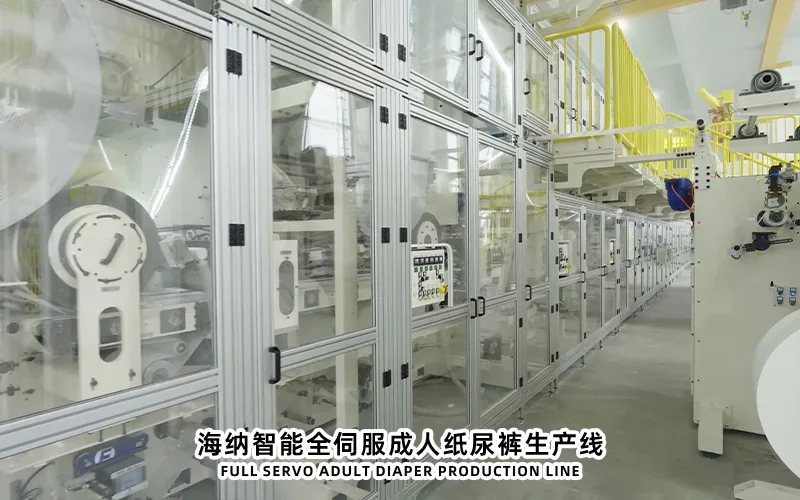
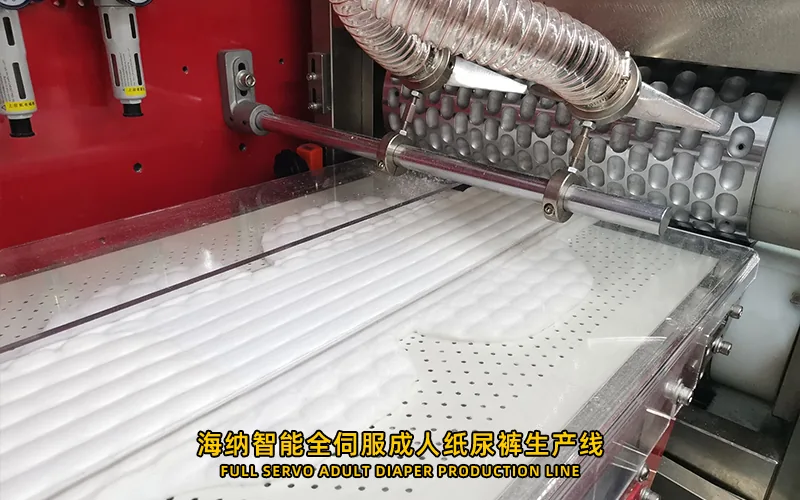
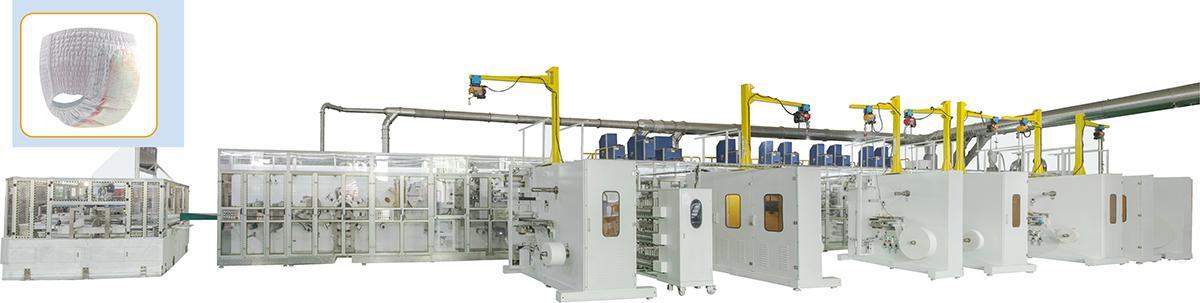
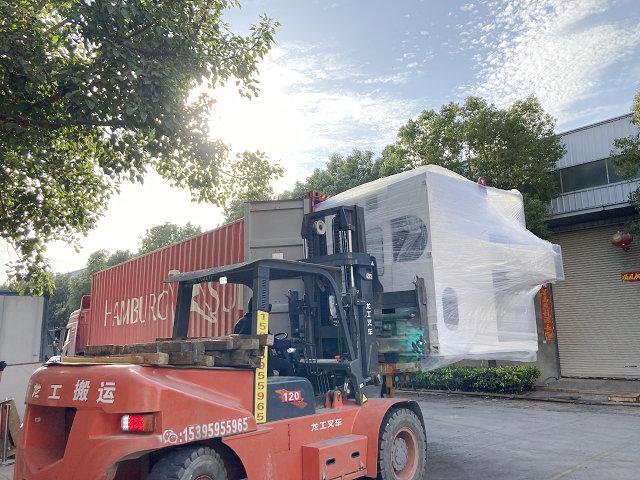
Material replenishment quality checks and maintenance access remain part of an automated shift.
Calculate Savings by Shift
Build the baseline from observed tasks, not job titles. For each task, record frequency, active minutes, walking or waiting time, skill requirement, whether it can overlap with another duty, and the condition that triggers it. Repeat the exercise for the proposed automated line. The difference reveals tasks removed, shortened, transferred, or added.
Simple labor calculation framework
Define one representative shift with scheduled runtime breaks changeovers and cleaning.
List every recurring and event driven task from material staging through pack discharge.
Measure active labor minutes for each role and avoid counting unattended machine time.
Add support hours for quality material movement supervision and maintenance response.
Model the same shift with only the automation included in the proposed scope.
Stress the model with a roll change size change material break and packaging stop.
Convert total active minutes into practical staffing while preserving breaks and response coverage.
A staffing model also needs concurrency. Two short tasks that occur at the same time may require two people even if their combined minutes appear small. Likewise, one trained operator may monitor several stations only when sight lines, alarm priority, travel distance, and safe intervention make that practical. Use a shift timeline to expose these overlaps.
For financial evaluation, use the buyer's actual wage, benefits, shift premium, overtime, training, turnover, and local staffing rules. Do not apply a universal labor rate or promise a fixed payback. Compare expected savings with the added cost of automation, spares, specialist skills, software support, utilities, and planned maintenance under several production scenarios.
Compare Automation Modules by Labor Effect
Automation area
Manual work it may reduce
Work that remains
Evidence to collect
Servo recipes and coordinated controls
Repeated setting and phase adjustment
Recipe approval inspection and troubleshooting
Observed changeover tasks and first good product record
Web guiding and tension control
Frequent edge correction and manual monitoring
Threading roll preparation cleaning and calibration
Stable run stop log and web alignment samples
Inspection and automatic reject
Continuous visual sorting of defined defects
Quality sampling sensor checks and disposition
Controlled defect challenge and reject trace
Automatic roll change
Slowdown intervention and manual splice timing
Roll staging joint preparation and core removal
Repeated roll-change observation with assigned roles
Stacker and automatic bagger
Counting loading compression and bag sealing
Bag supply verification case handling and jams
Full pack trial across intended counts and sizes
The table helps buyers compare function with actual task removal. Optional modules should be prioritized where labor is frequent, difficult, unsafe, variable, or closely linked to line continuity. A highly automated feature with little use in the planned product mix may offer less value than a reliable material-change or packaging function.
Test the Labor Model During FAT
A factory acceptance test should assign only the staffing level assumed in the labor model. Supplier specialists may observe and intervene for safety, but their actions must be logged. If specialists continually tune settings, clear jams, prepare splices, or correct quality, those minutes belong in the evidence and may indicate that normal operators need more support.
Run a representative sequence: startup, stable production, material replenishment, a planned roll change, quality sampling, reject handling, one size change where included, packaging supply, controlled stop recovery, and shutdown. Record who performs each task, travel paths, time, tools, physical handling, alarms, and pauses elsewhere on the line.
Count good packed products at the defined boundary. A main machine can continue producing while downstream staff struggle with unstable stacks or bags, so converter speed alone cannot validate a labor claim. Review whether accumulation protects production and whether suspect products remain traceable after a stop.
When considering HAINA, buyers can review the stated automatic adult diaper machine configuration against this task list. The contract should still identify every included unwind, control, inspection, stacker, bagger, utility, and service item because automation labels alone do not define staffing.
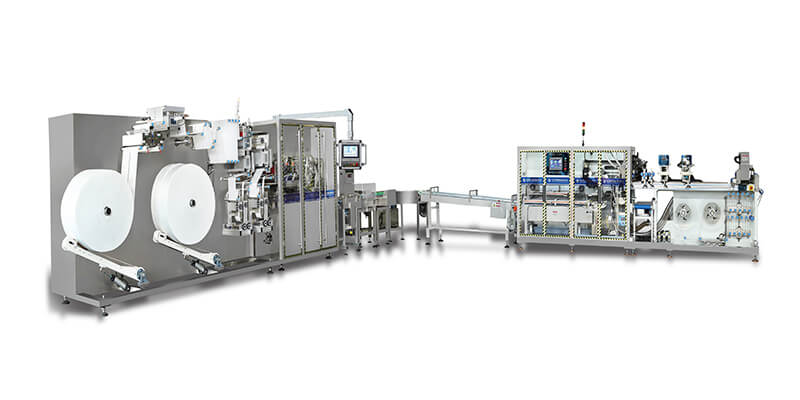
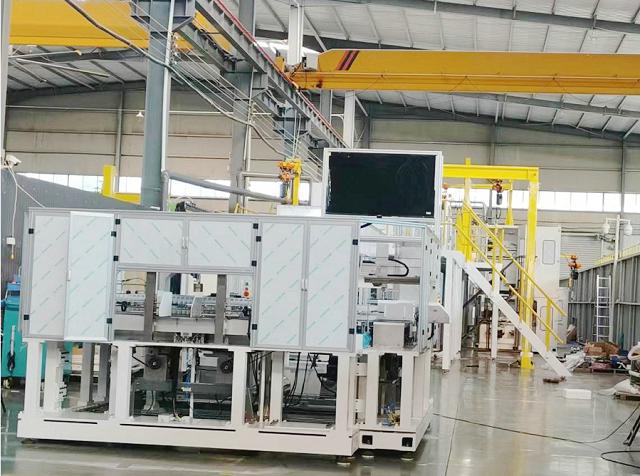
FAT should show who performs each task during stable production and planned disturbances.
Protect Labor Savings After Startup
Labor performance after commissioning depends on standards. Create role-based instructions for threading, recipe selection, material replenishment, quality sampling, alarms, cleaning, isolation, and escalation. Visual controls should identify materials, routes, storage positions, waste streams, and accepted product status. Training should verify that people can perform tasks without permanent supplier supervision.
Track losses by cause. Useful operational measures include operator interventions, roll-change duration, changeover labor minutes, false rejects, packaging stops, maintenance response, cleaning time, and good packed output. Review the largest recurring labor demand, correct its process cause, and update the staffing model. Headcount should not be reduced before the line demonstrates stable performance and adequate break coverage.
Preserve flexibility. Cross-train roles so a quality check, material movement, or minor stop does not leave another critical position uncovered. Keep spare parts and diagnostic access ready for components whose failure requires specialist attention. Automation should make normal work more predictable; it should not concentrate all recovery knowledge in one person.
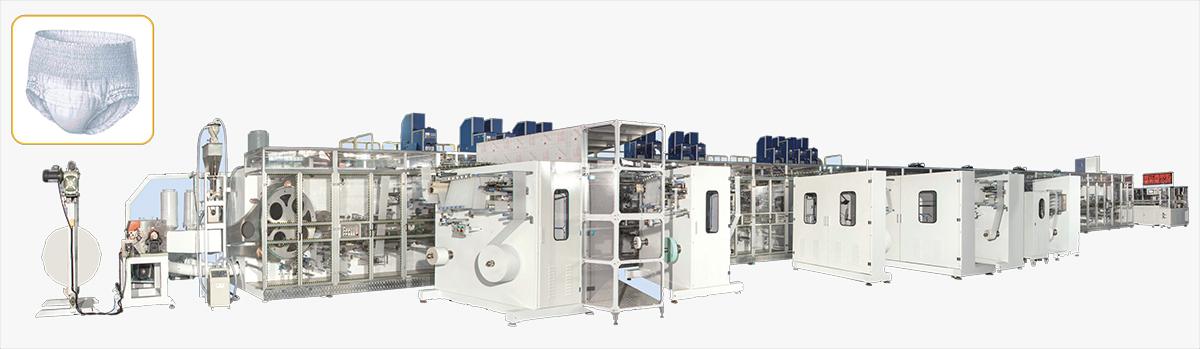
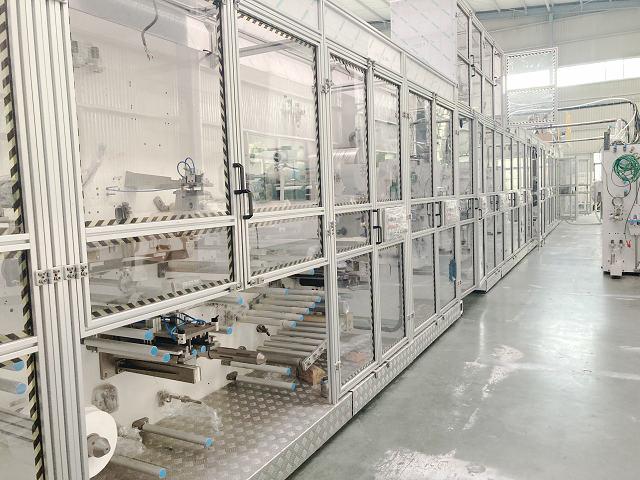
Documented controls and role training help sustain labor improvements after commissioning.
Labor Savings FAQ
How many operators does a fully automatic adult diaper machine require?
There is no responsible universal number. Staffing depends on included modules, roll handling, product mix, packaging, factory logistics, quality plan, maintenance coverage, and local work rules. Validate a task-based shift model during FAT.
Does an automatic bagger always reduce labor?
It can reduce counting, loading, compression, and sealing work when it matches the product and pack range. Bag supply, case handling, labeling, jams, and changeovers still require planned responsibility.
Should maintenance labor be included in ROI?
Yes. Include preventive maintenance, cleaning, calibration, breakdown response, software support, and spare-part handling. Higher automation can reduce operating tasks while increasing the need for trained technical coverage.
When should staffing be reduced after installation?
Only after operators are trained and the complete line has demonstrated stable good output through normal runs, material changes, changeovers, breaks, cleaning, and fault recovery. Preserve enough coverage for safe concurrent tasks.
Conclusion
Realistic labor savings come from removing verified tasks across the production system, not from attaching the words fully automatic to the main converter. Define the boundary, observe current labor, map each automation module to task changes, include remaining support work, and test the model under normal and disturbed conditions. A shift timeline and active-minute record will give management a better decision than a headline headcount. Use the result to select modules, design training, and set a cautious financial range based on the buyer's actual operation.