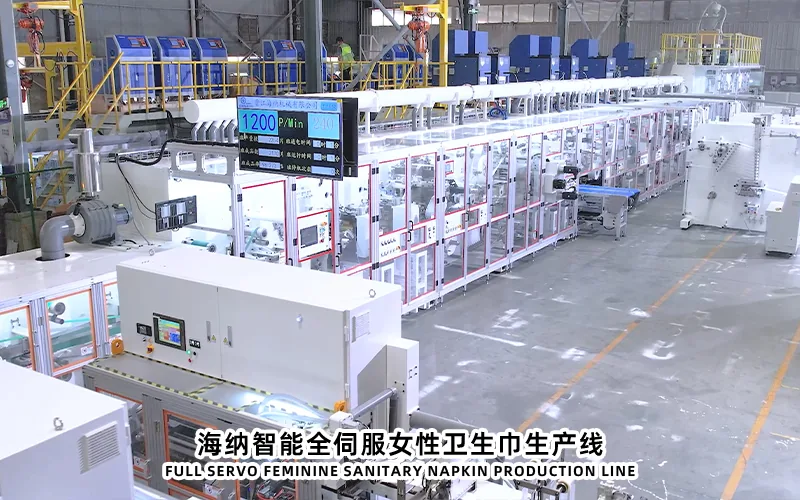
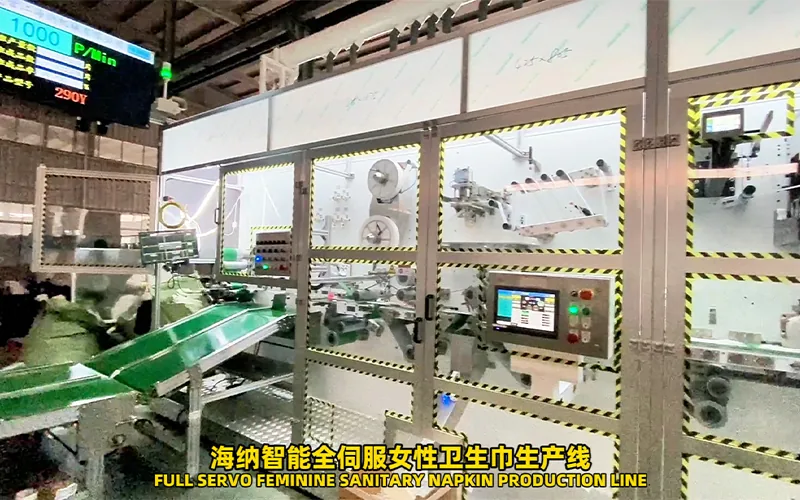
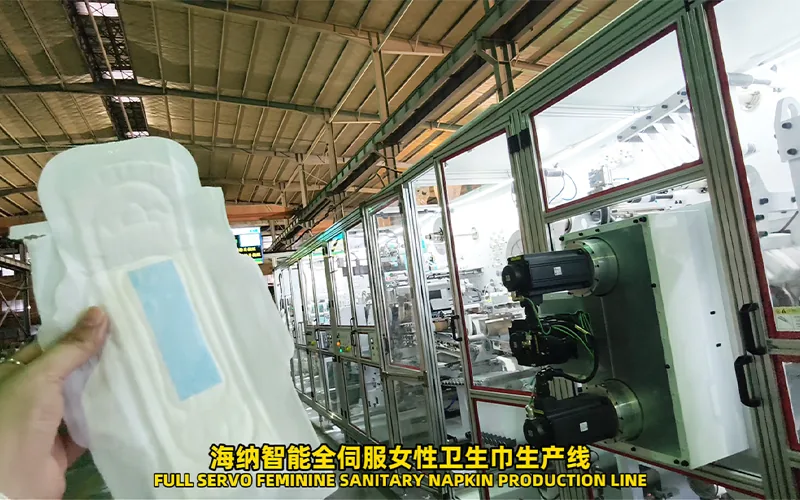
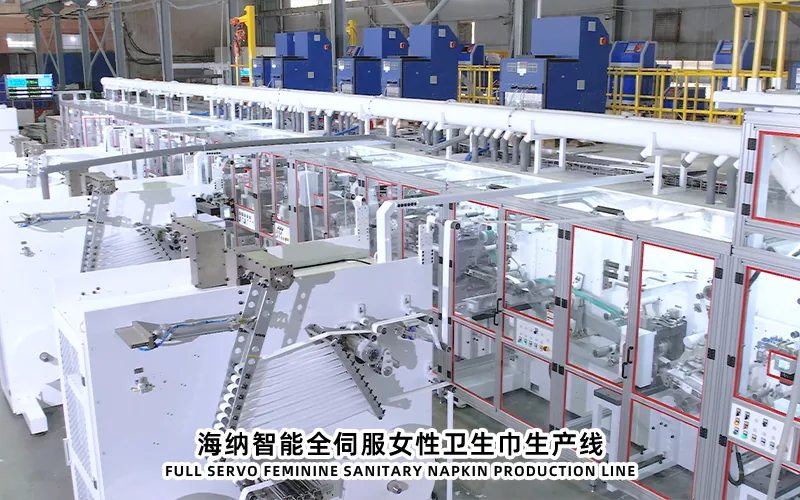
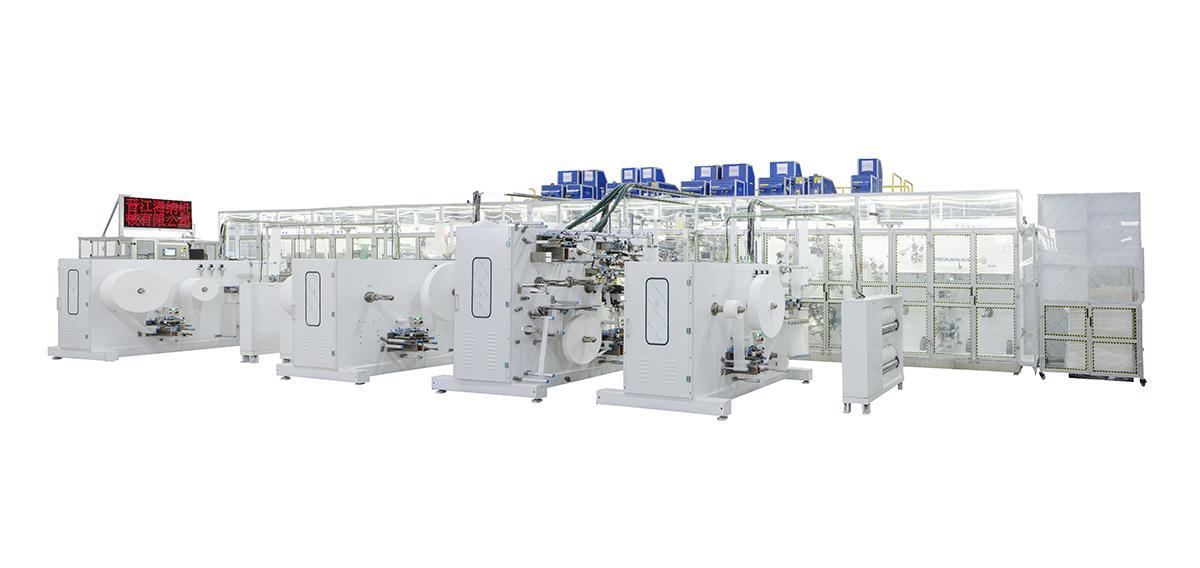
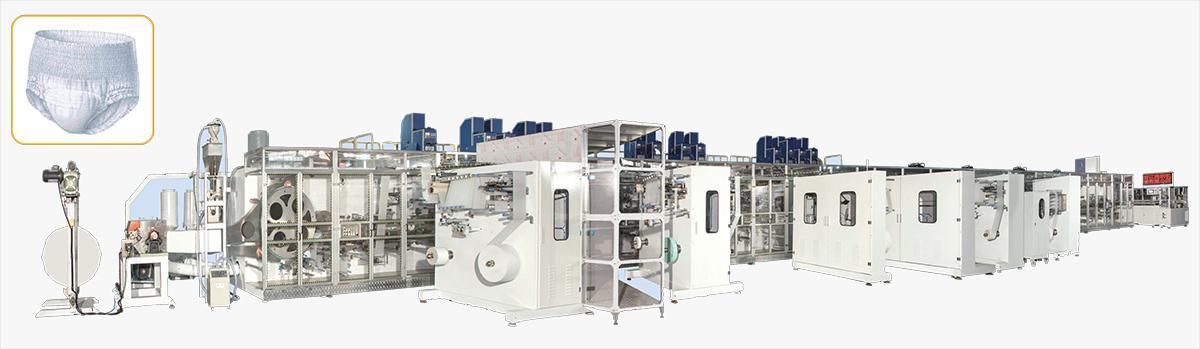
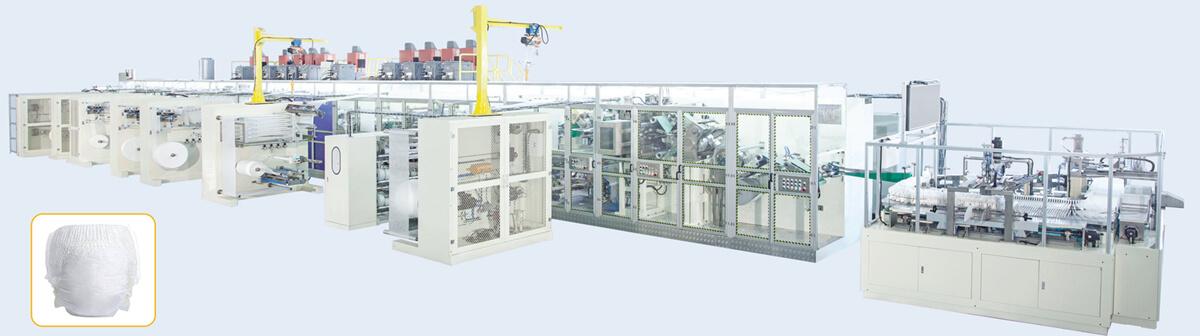
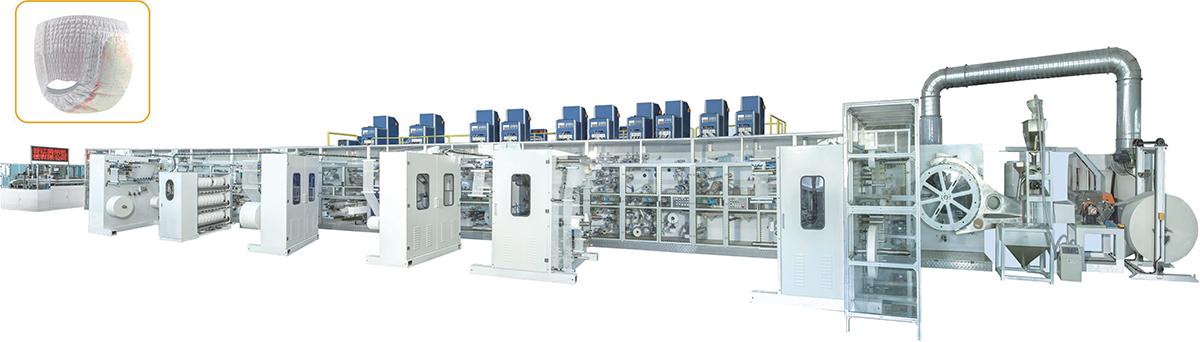
A sanitary napkin production line can change reliably between multiple pad lengths only when product drawings, change parts, recipes, material widths, inspection limits, wrapper settings, and packaging formats are controlled as one changeover package. The team should separate tasks that can be prepared while the line runs from tasks that require a safe stop, then measure from the last accepted old product to the first accepted new product. A fast mechanical conversion is not complete if line clearance, threading, quality release, or packaging remains unresolved. Repeatability matters more than one unusually short demonstration.
Create a Format Family Matrix
List every approved pad format and assign a controlled product code. Include finished length and width, process pitch, wing geometry, absorbent-core dimensions, layer widths, release-paper position, folding pattern, individual wrapper, stack count, and final bag. Mark the drawing and bill-of-material revisions. Similar commercial names do not prove that two products share machine settings.
Group formats by physical change. One group may share core and web widths but use different electronic pitch and wrapper registration. Another may require a dedicated contour cutter, folding plate, guide, embossing element, release-paper unit position, or packaging part. The family matrix should state whether each difference is handled by recipe, adjustment, change part, material replacement, or separate module.
Choose a launch sequence that reflects real demand and conversion difficulty. Frequent changes between two related lengths may justify shared tooling and prepared recipes. A rarely produced special format may remain a planned campaign with a longer controlled change. Do not force every format into the same target time if their physical scopes differ.
A format family matrix reveals which length changes share settings and which need tooling.
Separate Common and Dedicated Change Parts
Create a change-part register with part name, product family, machine zone, drawing or identifier, installed quantity, storage position, handling method, inspection point, and replacement criteria. Use visible identification that survives cleaning and normal use. Similar plates, guides, and spacers should not depend on memory or an informal mark.
Review access before purchase. Operators should be able to remove and install approved parts without dismantling unrelated modules. Define tools, fastener retention, lifting aids, alignment references, and safe temporary placement. A part that is light enough to lift may still be awkward near sharp tools or inside a restricted opening.
Inspect change parts when they return to storage. Clean adhesive and dust, check wear or damage, protect critical surfaces, and record any repair need. Prepare the next set before the planned conversion. Missing or damaged tooling discovered after shutdown extends downtime and encourages uncontrolled substitution.
Prepare External Work Before the Stop
External work is any preparation that can be completed safely while the current product continues. Stage the identified change parts, approved materials, wrapper rolls, bags, tools, cleaning supplies, inspection instruments, product drawings, setup sheet, and first-off sample form. Verify that new materials match the production order and are released for use.
Review the change in a short pre-job meeting. Assign a coordinator and owners for materials, mechanical conversion, controls, quality, wrapper, bagger, and restart. Confirm the stopping point, isolation needs, old-material disposition, cleaning scope, and expected first-product checks. Parallel work should be planned so two people do not need the same access area.
Prepare recipes but do not activate them while the old configuration is running. Check recipe name, product revision, permissions, and backup. Print or display the controlled sequence. If a new format has not completed material and machine trials, treat the event as a development trial rather than a routine changeover and allow additional controls.
Pre-staged parts, materials, tools, and records reduce avoidable stopped work.
Execute Safe Line Clearance and Conversion
Define the last accepted old product and stop the line according to the approved sequence. Remove old materials, partial webs, products, rejects, labels, wrappers, bags, and documents from each controlled zone. Record or return remaining rolls according to plant rules. Line clearance protects against product mix and prevents an old wrapper or change part from entering the new run.
Apply isolation where work enters hazardous areas or involves blades, stored energy, heated adhesive, pneumatic devices, or moving modules. Change tooling in a fixed zone order. Use torque, gap, position, centerline, and alignment references where specified. A visual close-enough setting creates extra startup adjustment and can damage materials or parts.
Thread new materials through the approved path and confirm winding direction, web side, guide position, splice preparation, tension zone, adhesive route, and waste removal. Two-person verification may be useful for critical tooling or material direction. Return guards, tools, lifting devices, and removed parts to their correct condition before controlled jog.
Control Recipes and Mechanical Settings
Select the recipe only after installed hardware and materials match the target product. Confirm electronic pitch, drive ratios, registration references, adhesive pattern, cut timing, fold settings, wrapper marks, inspection windows, reject tracking, counter, stack count, and bagger parameters. Recipe recall should identify changed values and prevent unauthorized edits.
Mechanical setup sheets should use clear references rather than phrases such as adjust as needed. Record guide scales, roller or nip positions, cutter identifiers, folding components, web centerlines, and other repeatable settings. Where absolute dimensions are not practical, use approved reference samples and a defined adjustment method.
Keep design limits separate from product settings. A line may be mechanically capable of a range, but each format still needs an accepted operating recipe. HAINA can review a buyer's length matrix against an automatic sanitary napkin production line proposal; final compatibility should be documented through tooling, material, sample, and FAT evidence.
Recipe control and physical references must describe the same installed configuration.
Release the First Product and Ramp Up
Start in the approved setup mode and observe each material before combining the complete product. Check web tracking, core position, adhesive, embossing or bonding, contour cut, wings, release paper, fold, wrapper, and discharge. Remove all setup products through a controlled route and prevent them from entering accepted stock.
Define the first-off sample plan by product risk. Quality may check dimensions, layer position, cut, appearance, bonding, fold, wrapper, code, pack count, and relevant performance properties. Record the sample, recipe, materials, tooling, time, and decision. The changeover clock should stop only at the agreed point, such as first accepted product or first accepted pack, not when the machine merely begins moving.
Ramp through controlled stages and inspect after speed changes. A format can pass at setup speed but lose registration or folding stability when tension, inertia, vacuum, cutting, or downstream timing changes. Confirm a short stable window before releasing normal production. Preserve early samples so a later defect can be traced to the ramp.
Include Wrapper Inspection and Packaging
Pad length can change wrapper length, print registration, seal position, folding clearance, discharge spacing, stack height, bag dimensions, and count recipe. Treat the individual wrapper and final pack as part of the format. If downstream setup continues after the main line produces good loose pads, the factory has not completed a saleable-product changeover.
Verify inspection sensors or cameras for the new outline and marks. Challenge defect detection and physical rejection after the recipe change. Confirm that old tracking data is cleared and that a rejected pad changes downstream count correctly. Check the response to a stop and restart before accepted packaging begins.
Change bagger parts and supplies using the same identification discipline as main-line tooling. Test bag opening, stack insertion, compression, sealing, coding, rejection, and case interface. Record the first accepted pack and reconcile setup pads and packs. This exposes transfer and pack losses that a main-line timer alone would miss.
A changeover is complete when the approved new saleable pack is released.
Analyze Changeover Time and Material Loss
Break elapsed time into meaningful stages: preparation, planned stop, line clearance, isolation, tooling, materials, recipe, threading, first motion, adjustment, quality release, ramp, and first accepted pack. Record waits separately, including missing parts, material approval, maintenance response, or laboratory delay. The largest stage should receive the first improvement study.
Track material loss by category rather than one unexplained total. Separate old-material removal, threading, setup, inspection samples, defects during adjustment, packaging setup, and restart rejection. Improvement may come from better roll planning, preserved web paths, prepared splices, clearer settings, faster quality response, or corrected machine condition.
Compare repeated changes in the same direction and product family. Learning, staffing, material condition, and prior setup can affect one event. Use a stable median or distribution internally instead of advertising the best result. Any shorter method must preserve safety, line clearance, product quality, and equipment protection.
Use a Changeover Responsibility Matrix
Stage
Primary owner
Required evidence
Release condition
External preparation
Production coordinator
Parts, materials, tools, recipe and order checked
All inputs staged and identified
Line clearance
Production and quality
Zone-by-zone clearance record
Old product and packaging removed
Mechanical conversion
Trained operator or maintenance
Part IDs and setup references
Tooling installed, checked and guarded
Controls and recipe
Authorized line lead
Recipe version and target product match
Parameters and inspection windows confirmed
First-off sample
Quality
Recorded measurements and approved sample
Product meets defined release checks
Ramp and packaging
Production and packaging
Stable window and accepted pack
Normal production handover approved
Build a Repeatable Changeover Record
Record old and new product codes, drawing revisions, materials, package, date, and team.
Identify every installed and removed change part and its inspected storage condition.
Capture controlled mechanical references, recipe version, and authorized adjustments.
Time preparation, stopped tasks, waits, first motion, first approved product, and first approved pack.
Count or weigh material removed, setup waste, samples, defects, and packaging loss by category.
Attach first-off results, ramp observations, inspection challenge, and line-release approval.
Assign corrective actions for unclear steps, access, parts, settings, training, or equipment conditions.
Multiple Pad Length Changeover FAQ
Can servo control eliminate all mechanical length changes?
No. It can change selected timing and positions, but product width, contour, folding, wrapper, guiding, and packaging may still need physical parts or adjustments.
When should changeover timing begin and end?
Use a written boundary, commonly from the last accepted old product or pack to the first accepted new product or pack. Include line clearance and quality release.
Should material preparation count as downtime?
Track it separately. Work completed safely before the stop is external preparation, while missing or incorrect preparation that delays the stopped line should remain visible as loss.
How many changeovers should be observed during FAT?
At least the contractually agreed representative change should be completed. Additional changes depend on how many product families, tooling sets, wrappers, and packaging formats are included.
Conclusion
Reliable length changeover on a sanitary napkin production line comes from controlled product families, identified parts, prepared work, safe line clearance, matched recipes, and objective quality release. Include wrapping and packaging so the endpoint is an accepted saleable pack. Measure each stage and each material-loss category, then improve repeated causes without weakening safety or control. A repeatable method provides more production value than one exceptional demonstration time.