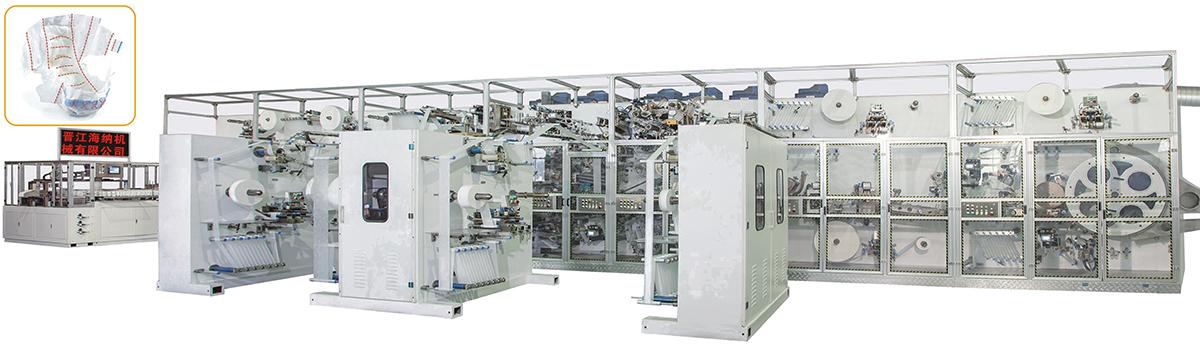
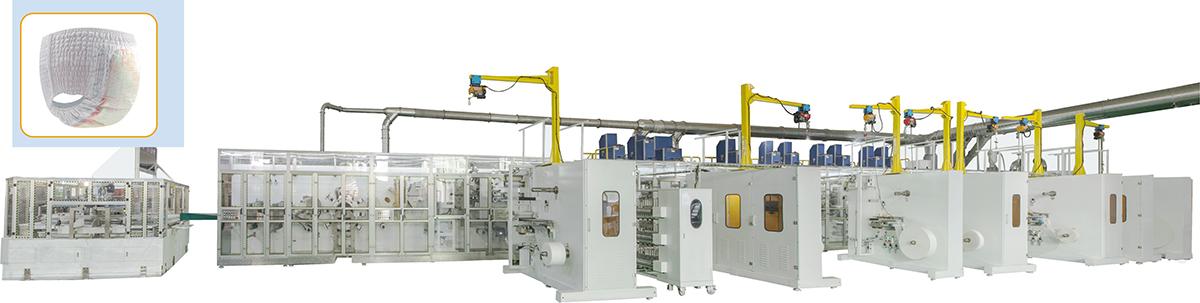
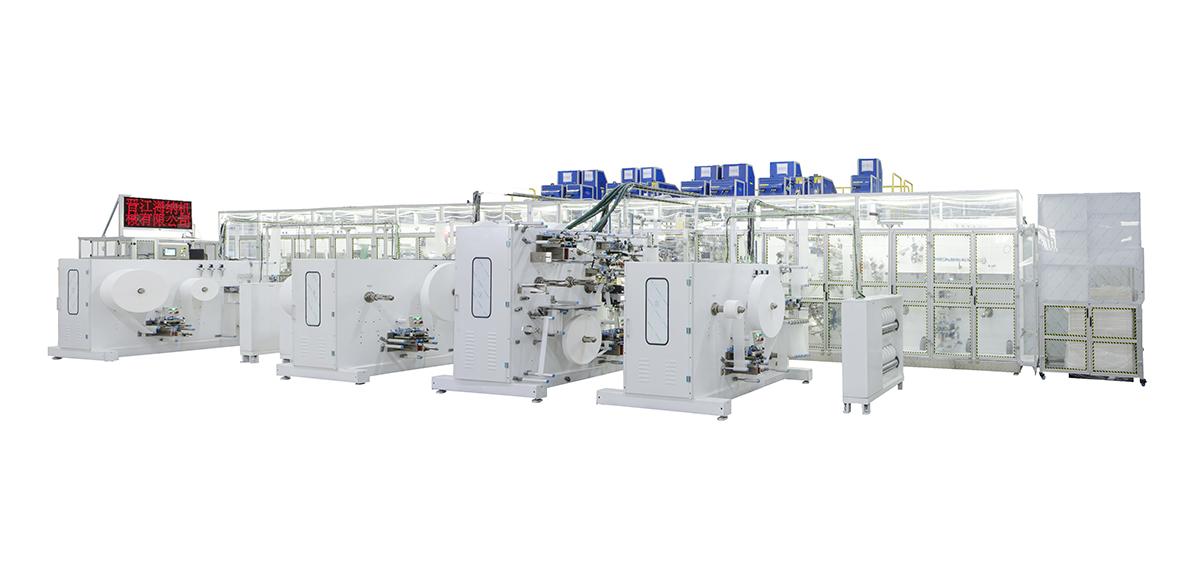
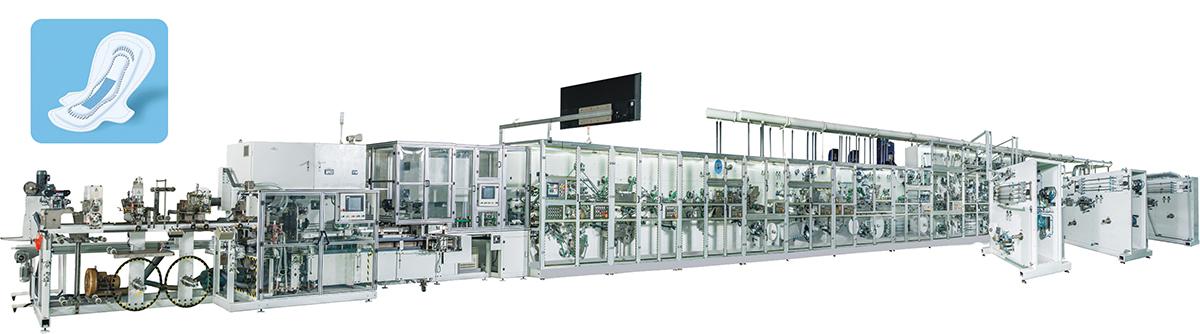
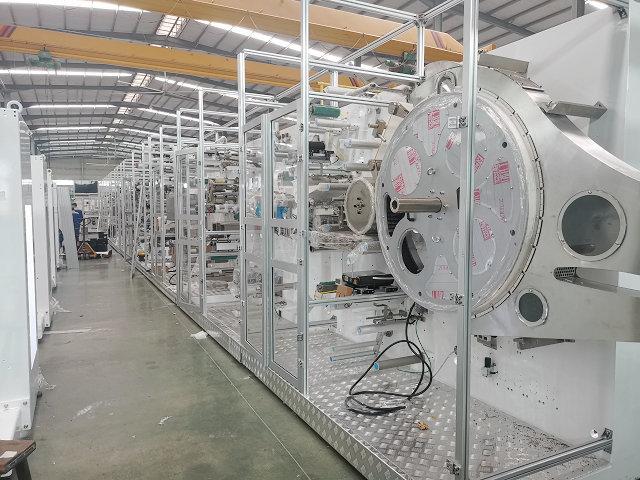
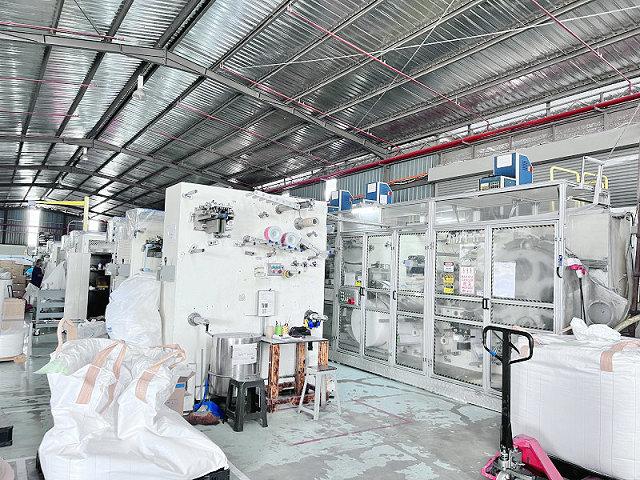
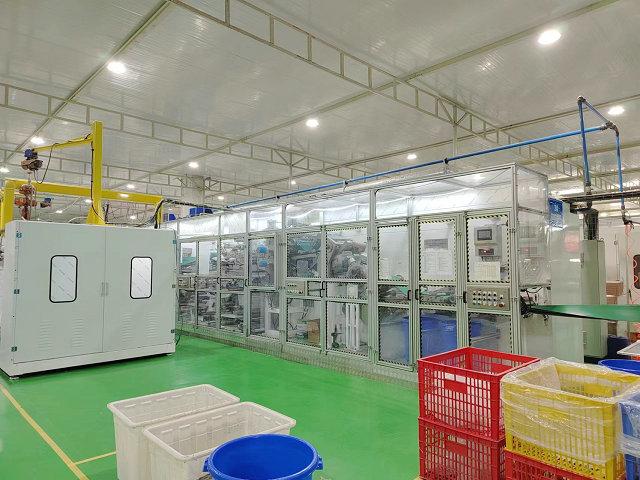
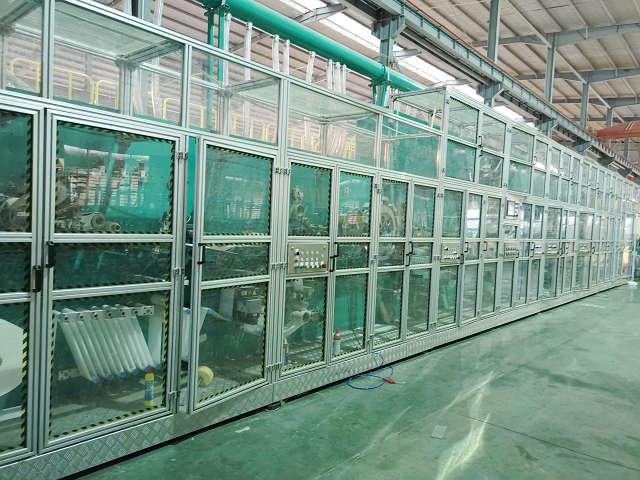
A sanitary napkins making machine supplier quote should define the finished products, included process modules, material and utility assumptions, automation level, packaging boundary, change parts, testing, documents, training, installation support, exclusions, and commercial milestones. A total price without this technical scope cannot be compared reliably because two lines may end at different discharge points or assume different buyer work. Procurement should issue one requirement sheet to every supplier, convert each response into a line-by-line compliance table, and close open interfaces before evaluating cost. The strongest quote makes responsibilities and acceptance evidence visible.
Define the Quotation Basis
The buyer should issue a quotation basis before inviting prices. It should identify planned pad formats, launch quantities, working shifts, package types, available factory space, electrical conditions, compressed air, environmental limits, desired automation, and target project schedule. Attach controlled product drawings and representative material information. Mark which information is final, preliminary, or still subject to trial.
Every supplier should quote against the same revision. Otherwise, one may include winged pads and an individual wrapper while another assumes a simpler product and loose discharge. Those offers are not competing solutions to the same project. Require a compliance response for each requirement: included, optional, excluded, buyer supplied, or pending confirmation. Verbal assurances should be transferred into the written proposal.
The quotation should state its validity and identify the documents that form the offer. Revision numbers matter when clarification changes machine width, packaging, control functions, or service. Keep a clarification register that records the question, supplier answer, affected document, commercial impact, owner, and closure date. This prevents a late price sheet from silently replacing an earlier technical commitment.
A comparable quotation begins with one controlled product and process boundary.
Itemize the Complete Machine Scope
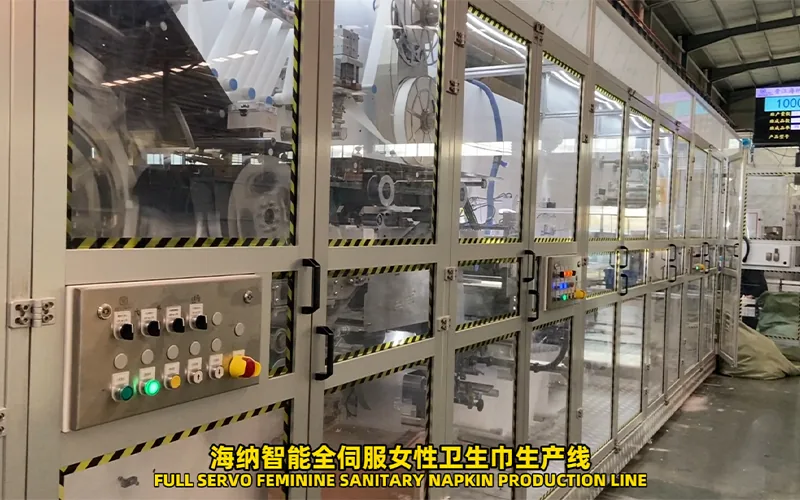
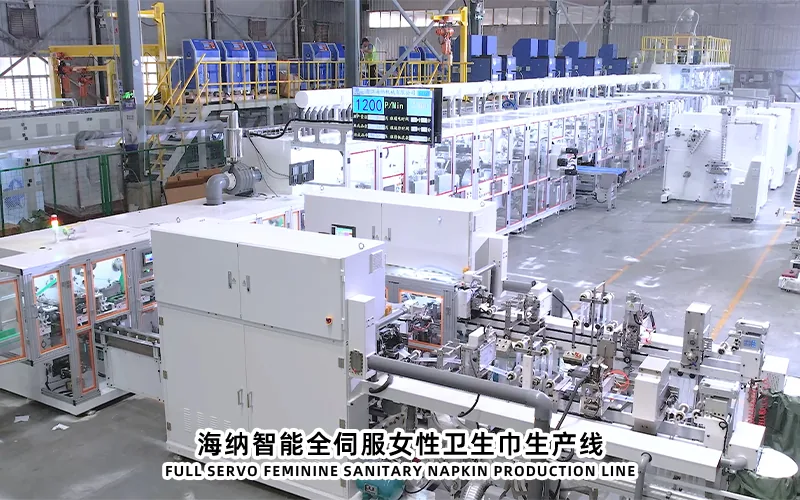
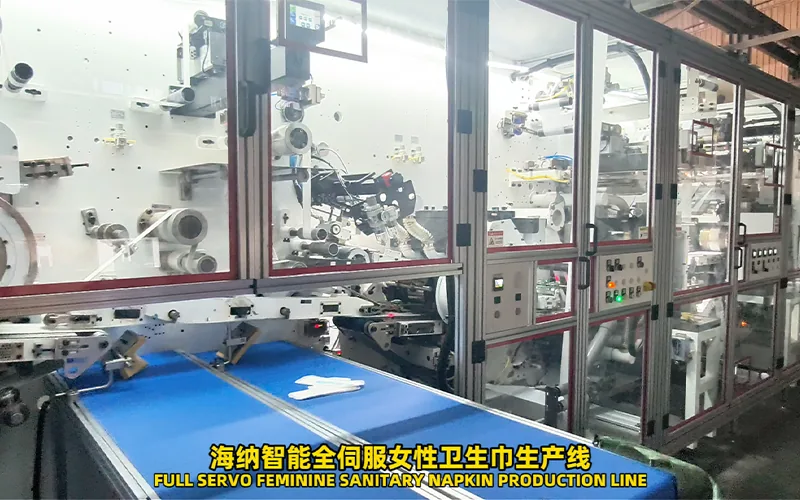
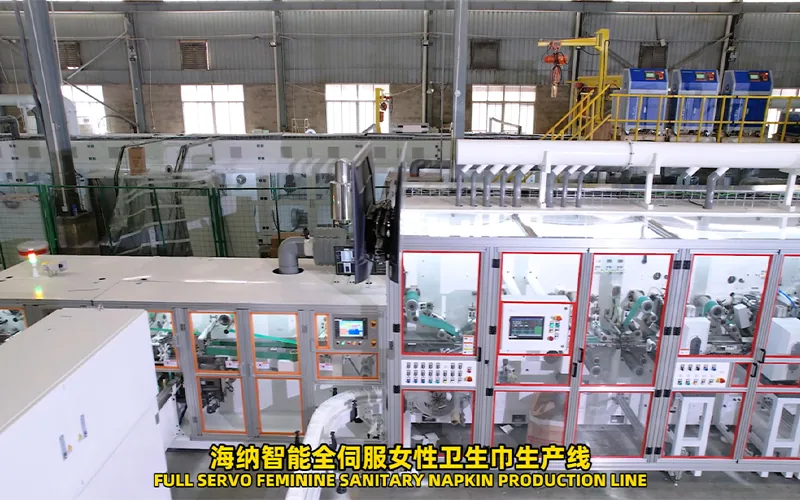
The equipment list should follow the material flow from unwinds to finished-product discharge. It may cover material loading and splicing, tension and guiding, absorbent-core formation or placement, web lamination, adhesive systems, embossing or sealing, contour cutting, wing processing, release-paper application, folding, individual wrapping, inspection, rejection, counting, stacking, and transfer. The exact route depends on the agreed product, so each module should have a function description rather than only a model name.
Ask for quantities and boundaries. A phrase such as adhesive system does not show whether tanks, hoses, guns, temperature controls, extraction, mounting, and initial nozzles are included. Inspection equipment should identify cameras or sensors, inspected features, reject mechanism, tracking logic, and data display. Material unwinds should identify supported roll conditions and whether shafts, chucks, lifting aids, accumulators, and splice devices are included.
Downstream scope must be explicit. State whether the main line discharges single pads, wrapped pads, counted stacks, or sealed bags. If a stacker or auto bagger is offered, identify transfer equipment, controls integration, bag specification, coding, inspection, discharge, and responsibility for case packing. Include electrical panels, operator stations, guarding, platforms, cable trays on the machine, pneumatic assemblies, and any ancillary units needed for normal operation.
Record Product and Material Assumptions
A quote should contain a format matrix. For every planned product, list finished dimensions, pitch where relevant, folded arrangement, core construction, wing configuration, release-paper layout, individual wrapper, and final pack requirement. The supplier should identify common tooling, dedicated change parts, manual adjustments, recipe changes, and formats requiring a separate trial. Future formats should be priced as defined options rather than mixed into the launch scope.
The material schedule should identify web type, width, roll diameter, core, winding direction, thickness or basis weight where relevant, and any special surface or handling condition. It should also state which materials will be used during design trials, FAT, commissioning, and site acceptance. A machine may need different guide, tension, cutting, bonding, or dust-control settings when the buyer changes film, nonwoven, absorbent material, release paper, or wrapper.
Clarify who supplies trial materials and in what quantity. Include shipping, customs handling where applicable, storage, labeling, unused material, and disposal of trial waste. Do not let an unrepresentative substitute become the only evidence of compatibility. The proposal should explain that final settings and stable operation remain dependent on approved materials and the accepted product recipe.
Product and material assumptions determine tooling, controls, trials, and quote completeness.
Separate Options Exclusions and Buyer Work
Options should be priced individually and connected to a purpose. Examples include automatic splicing, additional inspection, alternative core processing, extra product formats, automatic stacking, bagging, coding, or special data interfaces. For each option, request its hardware, software, utilities, footprint, delivery effect, FAT method, documentation, and future retrofit limitations. A low option price has little meaning if civil work or a control redesign appears later.
Exclusions need equal attention. Common project gaps can include transformers, facility cable, compressed-air generation, extraction ductwork outside the machine, adhesive consumables, freight, unloading, lifting, foundations, local permits, production materials, test instruments, travel, visas, accommodation, translators, and taxes. The relevant allocation depends on contract terms, but every cost owner should be visible.
Create a responsibility matrix for design inputs, layout approval, facility preparation, shipment, unloading, assembly, utility connection, trial materials, commissioning, product approval, training, and final handover. If an item requires cooperation, assign a lead party and an approval record. This turns exclusions from surprises into planned buyer work.
State Capacity and Utility Conditions
Capacity language must distinguish design speed, demonstrated stable working speed, normal operating speed, sellable output, and packaging capacity. The quote should explain the product and material conditions behind any value. A maximum mechanical figure does not account for roll changes, sampling, planned cleaning, format changes, stops, rejection, or downstream constraints.
Ask for utility data in a schedule: electrical supply and connected load, normal and peak demand, compressed-air pressure and consumption, extraction and vacuum needs, cooling, ventilation, network, and any environmental limits. State the measurement boundary and operating condition. The buyer should validate available capacity and distribution losses, while the supplier confirms machine connection points and quality requirements.
Layout drawings should show overall dimensions and the full working envelope for operation, roll loading, guard opening, service, component removal, and downstream equipment. A compact frame can still require substantial access. Include machine mass or floor information where supplied, equipment orientation, operating side, control panels, utility points, and delivery section dimensions so the plant can check doors and handling routes.
Capacity and utilities should be stated at a defined product and system boundary.
Attach Testing and Handover Deliverables
The quote should include an acceptance outline or identify when the detailed protocol will be agreed. Define the product formats, approved materials, line scope, run stages, sampling, quality checks, stop recording, waste boundary, changeover demonstration, inspection challenge, packaging response, and open-item process. Acceptance values must be measurable and tied to the agreed operating condition.
List documents and their delivery milestones. Useful deliverables include general arrangement and utility drawings, electrical and pneumatic diagrams, bills of materials, operating and maintenance manuals, alarm guidance, lubrication plan, changeover sheets, wear-parts and recommended-spares lists, software and parameter backup procedure, training records, and FAT reports. State language, file format, revision status, and whether final as-built documents are required.
Training should define audience, location, duration, content, practical exercises, language, and completion record. Installation and commissioning support should identify the included work, expected buyer readiness, number or role of technicians if agreed, working-day assumptions, travel treatment, and conditions for extra time. Review HAINA's sanitary napkins making machine information as product context, then place all project-specific deliverables in the final signed scope.
Review Commercial Terms Against Milestones
Commercial milestones should correspond to evidence. A payment linked to design approval should name the approved documents. A payment before shipment should be linked to defined FAT completion, documentation status, and treatment of open points. Final payment should identify the site milestone or time condition and should align with the technical agreement. Procurement and engineering should read these clauses together.
Clarify price basis, currency, taxes, packing, transport term, insurance, shipment point, delivery estimate, warranty start, storage limits, and change-control method. Do not invent a universal warranty or delivery period; ask each supplier to state its offer. Define what happens when buyer information changes, trial materials arrive late, the site is not ready, or an external packaging partner delays integration.
Spare parts should be separated into commissioning spares, wear parts, critical spares, and optional stock. Request part identifiers, quantity basis, lead-time classification, local availability, and shelf or storage considerations. The lowest initial total may not be the lowest project cost if required modules, documents, trials, or service are excluded.
Technical evidence and commercial milestones should refer to the same accepted scope.
No. First normalize product formats, process modules, automation, packaging boundary, tests, documents, services, freight, and buyer work. Only equivalent scopes support a useful price comparison.
Should optional equipment be included in the base price?
Only essential scope should be in the base offer. Price other options separately with their interfaces and retrofit limits so the buyer can make a transparent decision.
What speed should appear in the contract?
Use clearly defined terms and a project-specific acceptance condition based on agreed products, materials, line scope, quality checks, and test method. Do not treat design speed as guaranteed output.
Who should approve the final quote?
Procurement should coordinate approval with engineering, production, quality, maintenance, finance, and the project owner because cost, scope, readiness, and acceptance are connected.
Conclusion
A useful sanitary napkins making machine quote is a controlled project definition, not a price page. It shows what products the line will make, how materials and finished pads move, which modules and options are included, what the buyer must provide, and how both parties will test and hand over the result. Normalize competing offers with one compliance table, close interfaces in writing, and align commercial milestones with technical evidence before selecting a supplier.