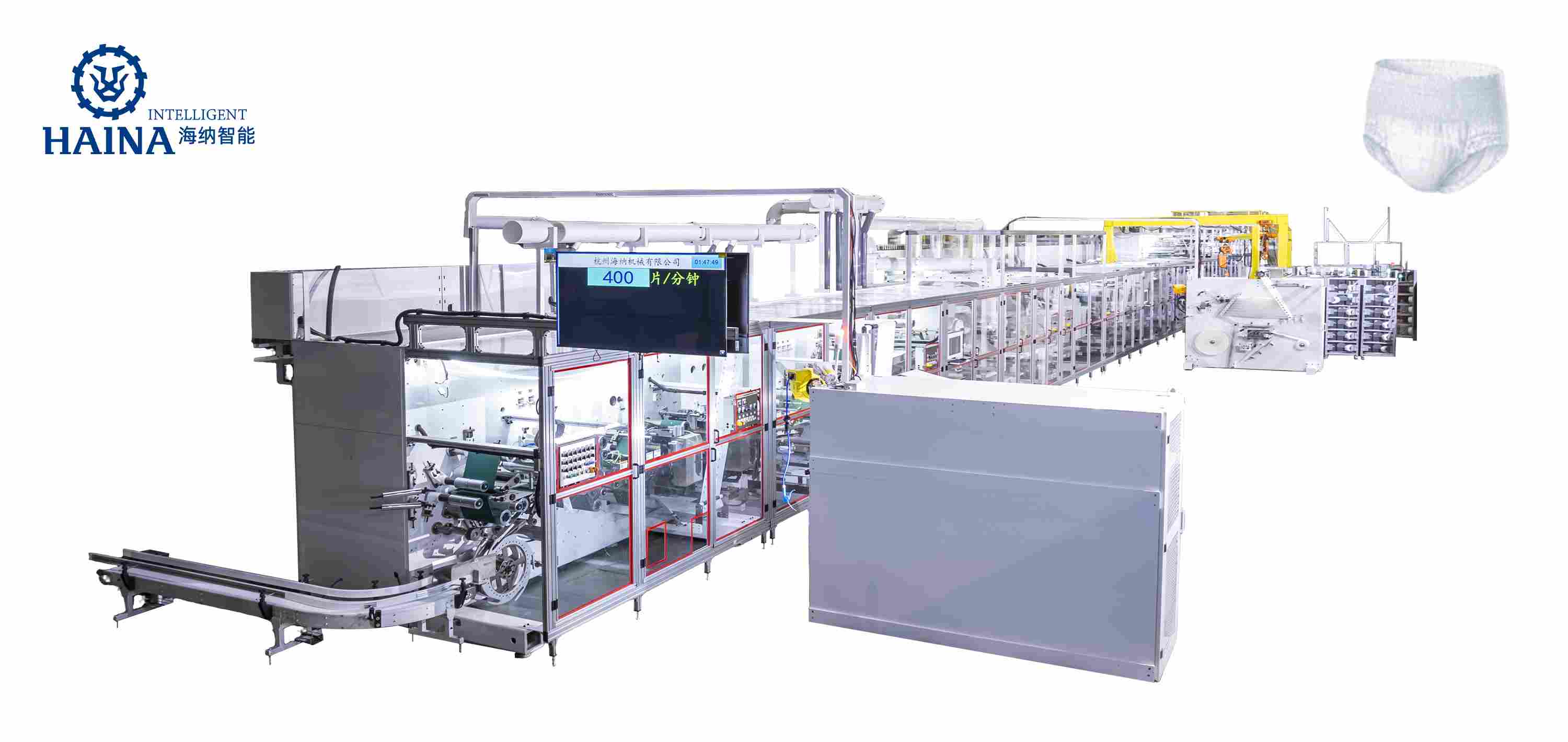
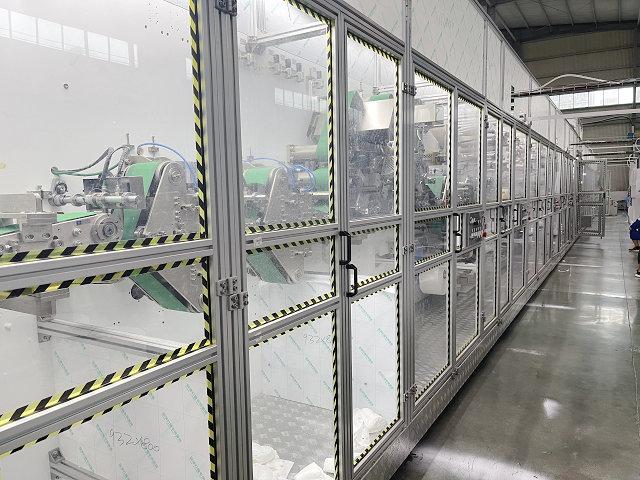
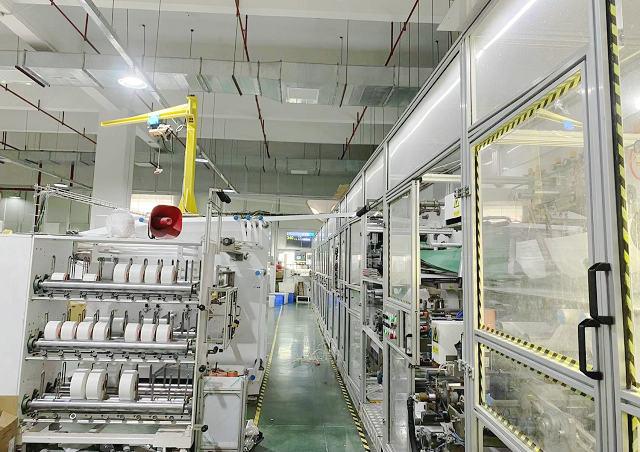
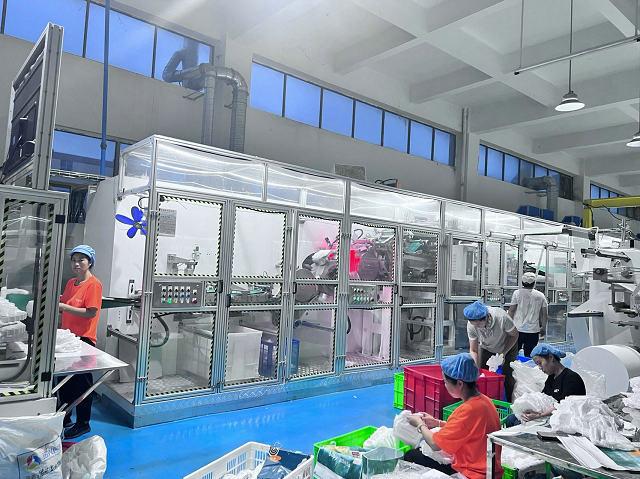
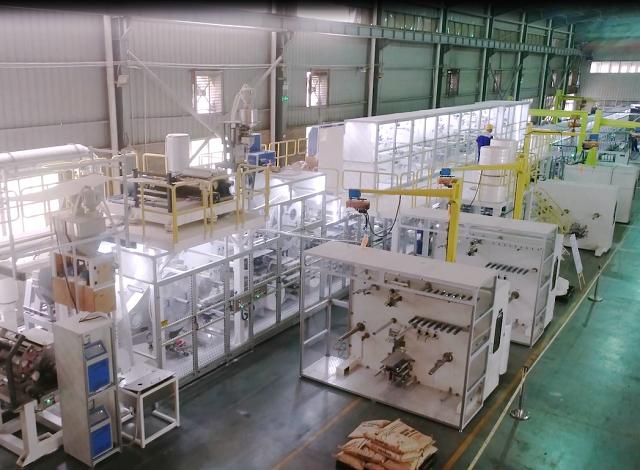
Diaper machines commonly use fixed and interlocked guards, emergency-stop devices, controlled start and restart, electrical protection, safe drive or control functions, access permissions, alarms, and isolation points. Additional measures address roll loading, moving webs, nips, cutters, elastic and adhesive systems, hot surfaces, compressed air, dust, product discharge, and maintenance. The exact features depend on the product line and destination requirements. Buyers should request the machine-specific risk assessment and test each protective function during FAT, then complete site validation after utilities, conveyors, baggers, and factory procedures are integrated.
Read the Diaper Machine as Connected Safety Zones
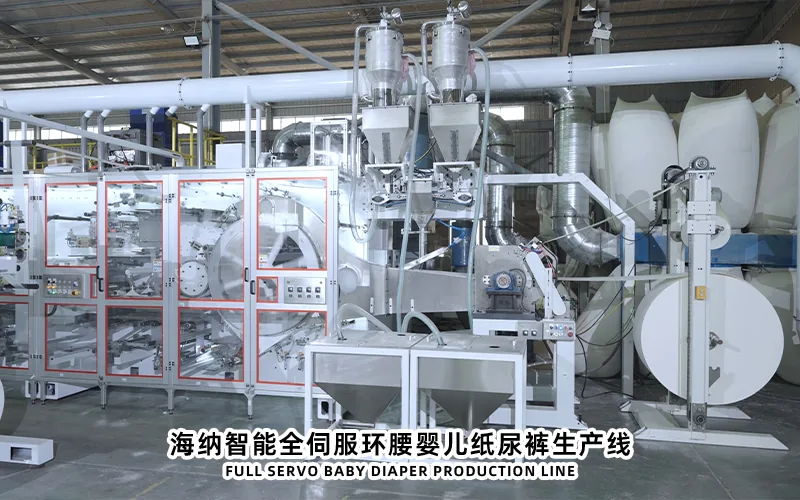
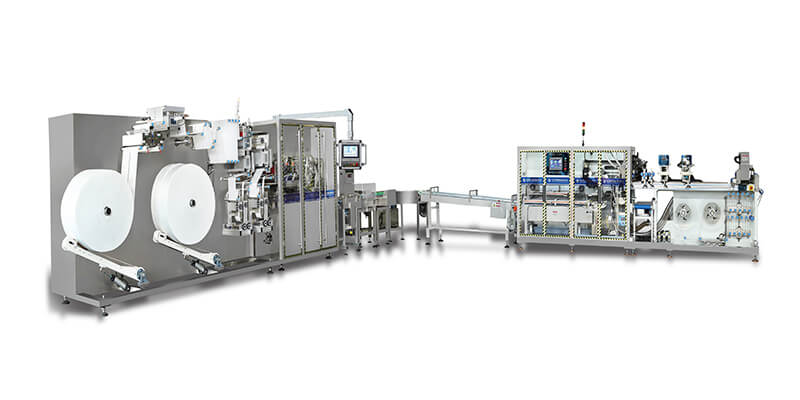
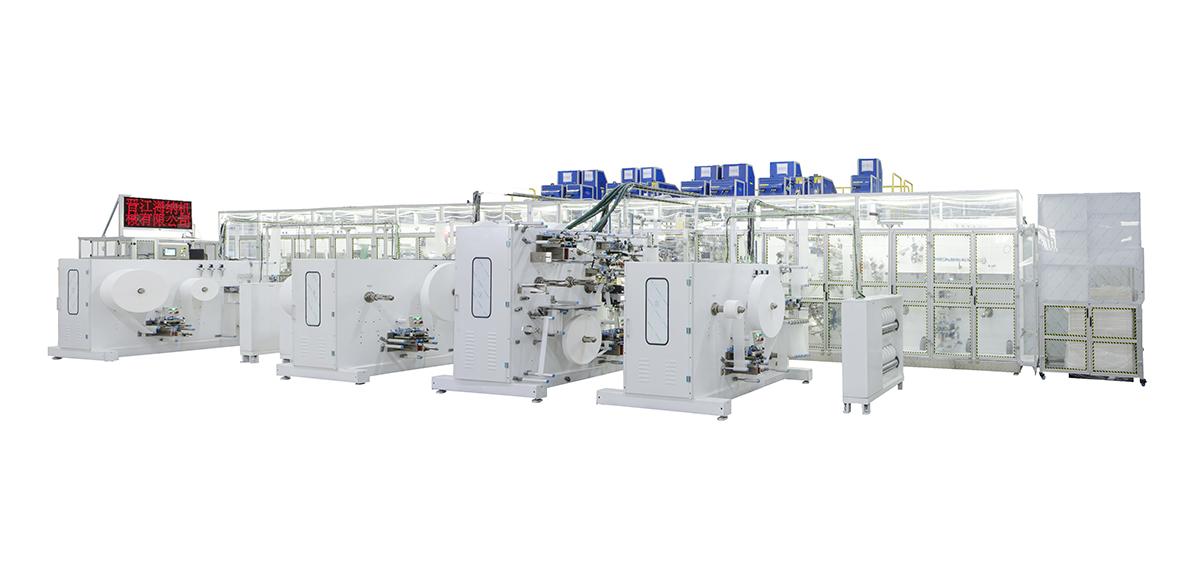
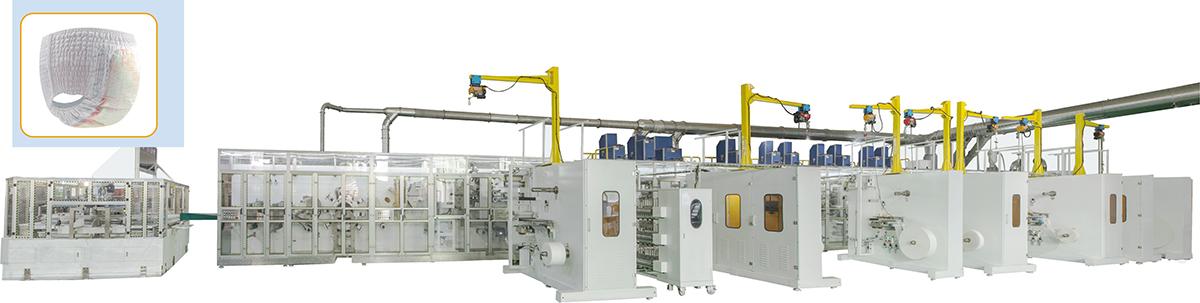
A diaper production line is too long and varied to review as one undifferentiated machine. Divide it into roll loading and unwinding, core formation, material application, elastic and adhesive areas, cutting and forming, folding, rejection, counting, stacking, conveying, and packaging interfaces. Record hazards, normal tasks, intervention frequency, access points, stop behavior, and energy sources for each zone.
Connected equipment changes the boundary. A stacker may send products to a bagger built by another supplier, while dust extraction, adhesive systems, compressors, and material loaders have separate controls. The project needs a named integrator for shared emergency stops, guard signals, safe transfers, restart permissions, and residual risks.
Review foreseeable disturbances. Web breaks, bad splices, material wrinkles, glue contamination, cutter buildup, rejected-product jams, and downstream blockage can bring hands closer to hazards. The risk assessment should address these events and define a safe recovery method.
Long converting lines require zone-based review of access, stopping, and restart.
Check Physical Protection and Safe Access
Fixed guards protect hazards that do not require regular entry. Movable guards can provide access when paired with an appropriate interlock and stopping response. Review the strength, openings, reach distance, fastening, visibility, and bypass resistance of each arrangement. A transparent panel can improve process observation if it remains suitable for the environment and impact risk.
Roll handling needs particular care because jumbo rolls are heavy and are loaded repeatedly. Check lifting equipment, shaft retention, chucks, roll stops, loading clearances, and storage racks. Threading routes should be defined, and operators should not need unstable climbing or awkward reach around rollers.
Maintenance access should support the intended procedure. Check platforms, steps, lighting, tool clearance, lifting points, component weights, sharp tools, and removal paths. A guard that is frequently removed for routine work needs secure replacement and a design that does not encourage operation while absent.
Understand Normal Stop, Emergency Stop, and Restart
Normal stops allow the process to decelerate and preserve material state where practical. Emergency stops respond to an urgent hazardous situation. Isolation controls hazardous energy for maintenance. These functions are related but not interchangeable. Operators need clear instructions about which one applies to threading, adjustment, cleaning, jam removal, and repair.
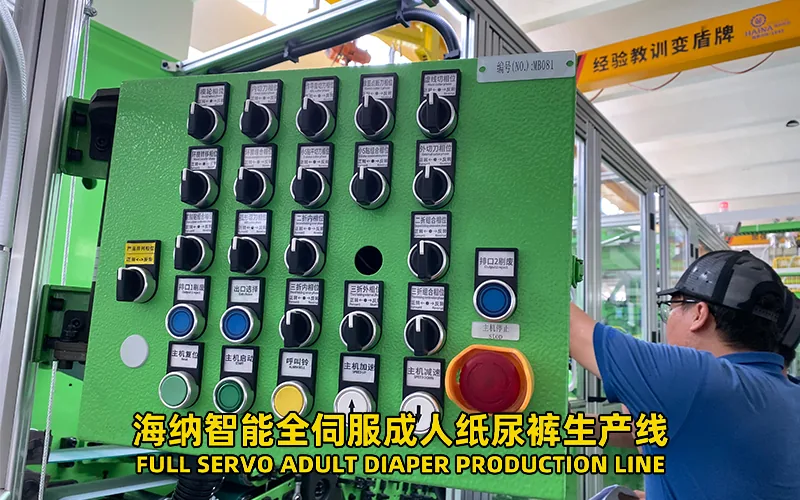
Emergency devices should be reachable from operating and intervention positions. On a long line, zone identification helps responders know which device has been activated. Test the behavior of drives, tension, pneumatics, vacuum, heaters, adhesive pressure, conveyors, and connected packing equipment. Reset should restore readiness, not initiate automatic movement.
Restart safeguards to verify
A deliberate start command after power restoration or safety reset
Visibility or warning where the operator cannot see the whole affected zone
HMI indication of open guards, activated stops, and unresolved conditions
Controlled sequence for web tension, heaters, glue, vacuum, and synchronized drives
Defined behavior when upstream or downstream equipment is not ready
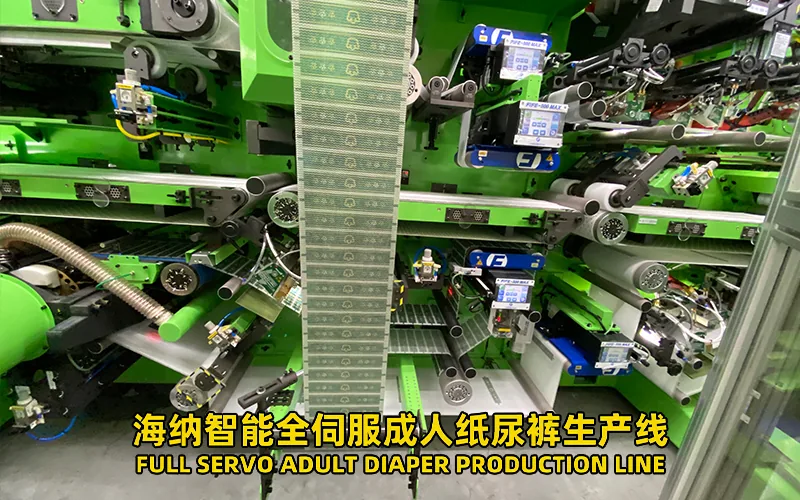
Physical protection should match moving webs, nip points, tools, and intervention tasks.
Review Cutting, Adhesive, Thermal, and Pneumatic Risks
Rotary cutters, blades, anvils, and forming tools combine sharp edges with stored or powered movement. Tool changes require isolation, handling fixtures, protective storage, correct lifting, and adjustment instructions. Ask how residual rotation is prevented and how technicians verify alignment without entering an unsafe state.
Hot-melt adhesive equipment introduces heat and pressure. Review guarded or insulated surfaces, hose condition, temperature control, overtemperature response, pressure release, filling, draining, spill response, and required personal protective equipment. Adhesive instructions and safety information should match the material used at the buyer's site.
Compressed air can produce unexpected movement even after electrical stop. Identify isolation and dump points, trapped pressure, cylinders affected by gravity or springs, and verification methods. Dust and fiber control also needs attention around core-forming and trim areas because accumulation can affect visibility, equipment condition, worker exposure, and fire risk.
Assess Safety-Related Controls and Diagnostics
Safety functions may involve interlocks, emergency stops, light curtains, pressure monitoring, speed monitoring, safe drive functions, and logic that coordinates zones. The required architecture should come from risk assessment. Ask for circuit descriptions, component identification, validation records, and current electrical drawings.
The standard control system should support diagnosis without weakening protection. Alarms need a meaningful location, cause, and recovery instruction. User levels can restrict recipe or engineering changes. Manual and maintenance modes should define permitted movement, speed, hold-to-run needs, and guard behavior.
Software and parameter control matter over the lifecycle. Request backups, version records, restore instructions, access ownership, and change approval. A replaced drive or safety device may require configuration before the line can operate correctly.
Control safety, diagnostics, and permissions support but do not replace physical safeguards.
Require Isolation, Training, and Safety Documents
Identify electrical, pneumatic, thermal, mechanical, gravitational, tension, vacuum, and pressure energy. The machine should provide suitable isolation points and information so the factory can build a lockout procedure. Site procedures must account for connected utilities and equipment beyond the original line.
Training should be role-based and practical. Operators need safe startup, shutdown, material loading, threading, permitted intervention, alarm response, and escalation. Maintenance personnel need isolation, verification, guard and interlock service, electrical diagnosis, tool handling, and controlled restart. Supervisors need a process for reporting bypasses and closing residual risks.
Include contractors and temporary staff in the access plan. The factory should control who can enter the line, change settings, defeat energy, or perform hot-work and electrical tasks. Language, literacy, and shift coverage influence how labels and instructions are delivered. Training evidence should include demonstrated competence for critical tasks, not attendance alone.
Buyers evaluating HAINA's diaper machine equipment should request risk-related documents for the exact ordered line and verify that the delivered drawings, labels, instructions, and training match the final configuration.
Build a Safety FAT Matrix
Test area
Buyer action
Pass evidence
Record to retain
Guard and interlock
Operate each accessible device in relevant modes
Correct safe response and no unexpected restart
Device-by-device test sheet
Emergency stopping
Activate devices across the line
Defined zones stop and HMI identifies location
Stop map and observed states
Energy isolation
Locate disconnects, valves, dump points, and stored energy
Labels and instructions support verification
Energy-source register
Fault and power recovery
Simulate selected alarms and controlled supply restoration
Clear diagnosis and deliberate restart
Scenario results and settings
Documentation
Compare drawings, manuals, labels, and installed equipment
Final documents match the shipped configuration
Approved document index
Repeat relevant checks after installation because transport, assembly, site wiring, and equipment integration can change the result. Close critical safety deviations before production release and assign owners to every residual action.
Use several operating roles during the test. An operator can evaluate visibility and routine controls, maintenance staff can inspect isolation and access, electrical personnel can compare drawings and installed devices, and safety staff can review the response against site procedures. One witness is unlikely to notice every interface on a long line.
After acceptance, schedule periodic proof checks based on the risk assessment and device requirements. Record test method, result, faults, bypasses, repairs, and software changes. Review emergency devices and guards after relocation, major overhaul, control modification, or repeated nuisance trips. A protective feature remains dependable only when its condition is known.
Isolation, stable work positions, lifting, lighting, and instructions affect service safety.
Create a management-of-change rule for the line. New materials, faster recipes, altered guards, replacement control components, connected conveyors, or revised cleaning tasks can change exposure. The change review should consider drawings, risk controls, software, instructions, training, spare parts, and the need for renewed testing. Restoring production quickly should never mean accepting an undocumented safety change.
Audit the change log periodically. Repeated temporary bypasses, unexplained alarm suppression, missing guard fasteners, or copied engineering passwords indicate that the control system is drifting away from its validated state. Correct both the hardware condition and the work process that allowed it.
Frequently Asked Questions
Are emergency stops enough for diaper machine safety?
No. Safety also requires hazard prevention, guards, safe controls, isolation, access, instructions, training, maintenance, and site procedures.
Can an operator clear a jam after pressing stop?
Only under the approved procedure. The required machine state depends on the hazard and stored energy; some tasks need full isolation and verification.
Should safety tests wait until site installation?
No. Test delivered functions during FAT, then repeat and extend validation after installation and integration at the buyer's site.
What documents support future safety maintenance?
Keep the risk information, safety circuit drawings, validation records, device list, manuals, software versions, inspection schedule, training records, and change history.
Conclusion
Diaper machine safety features form a layered system across physical access, stopping, controls, hazardous processes, energy isolation, and human work. Review the line by zone and task, including faults and maintenance. Require a named integration boundary, machine-specific evidence, and a detailed safety FAT matrix. After installation, validate the completed system under local requirements and preserve the records needed to maintain every protective function throughout the line's service life.