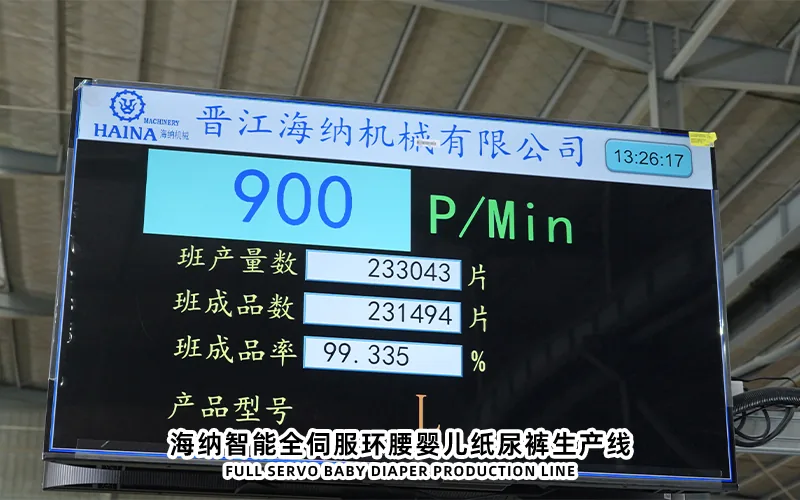
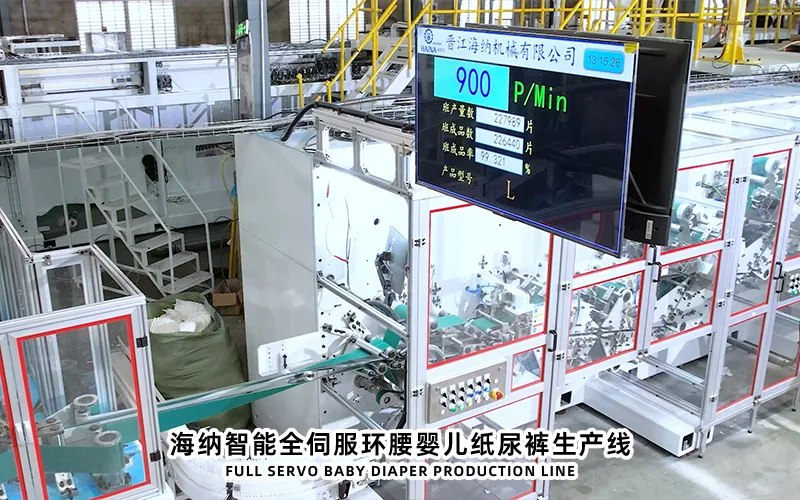
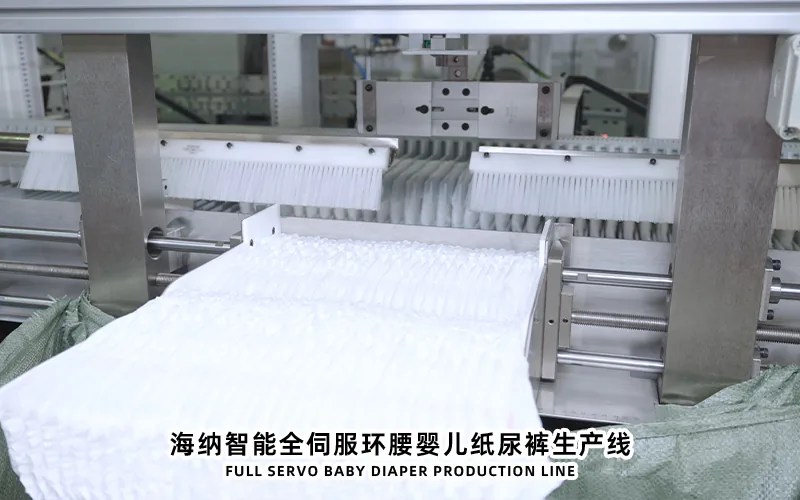
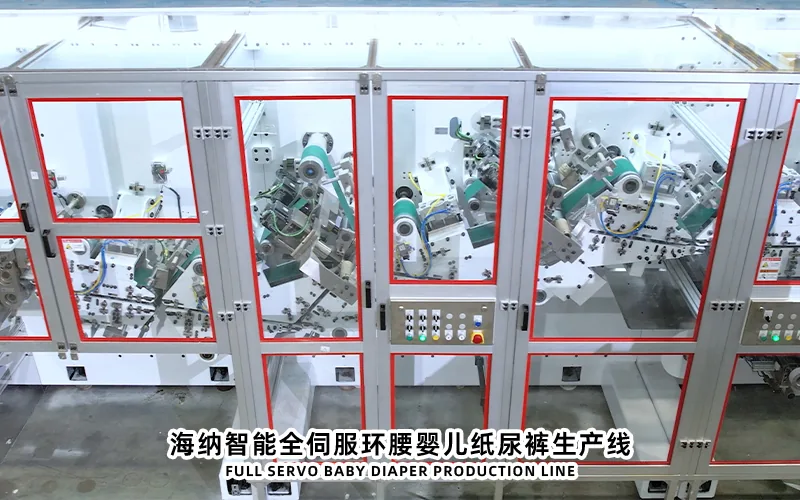
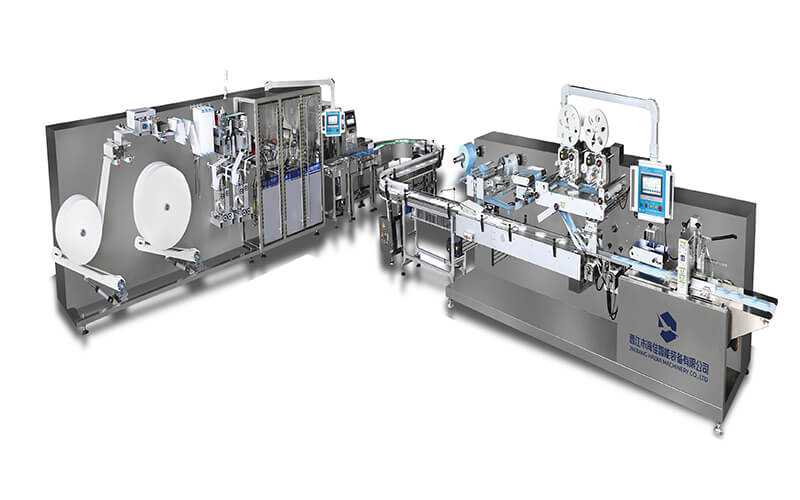
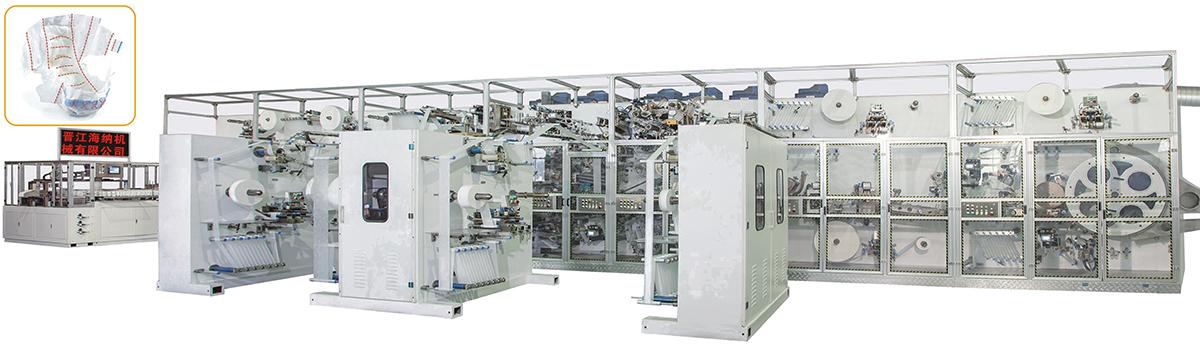
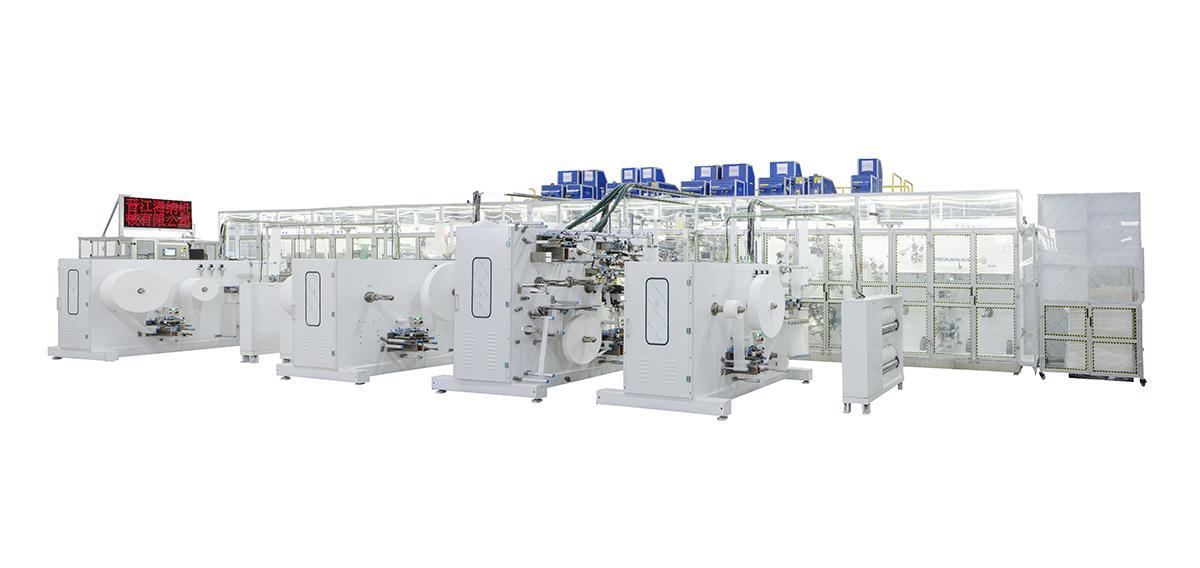
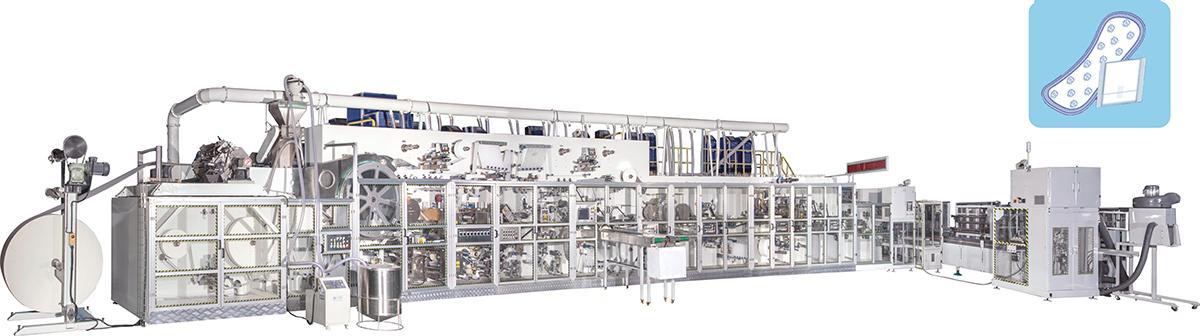
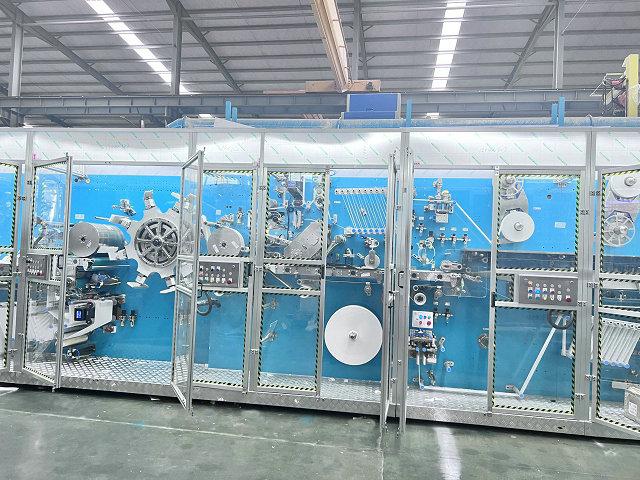
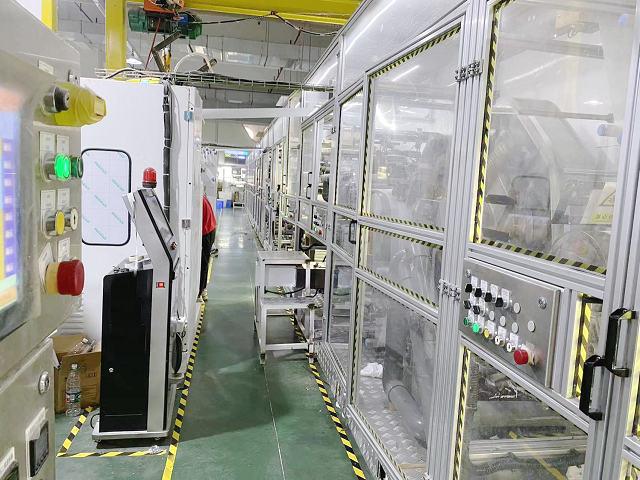
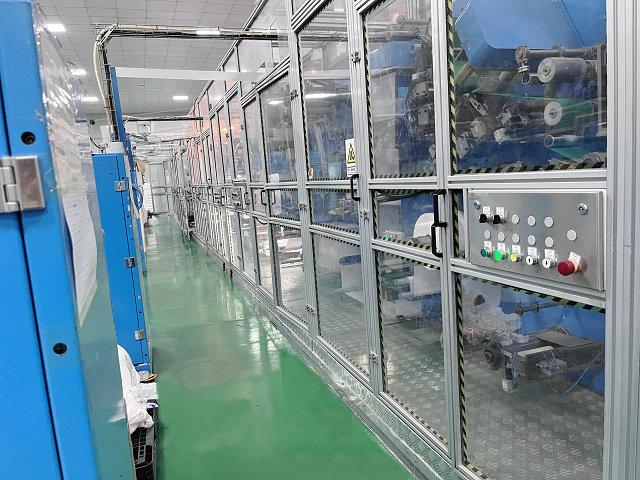
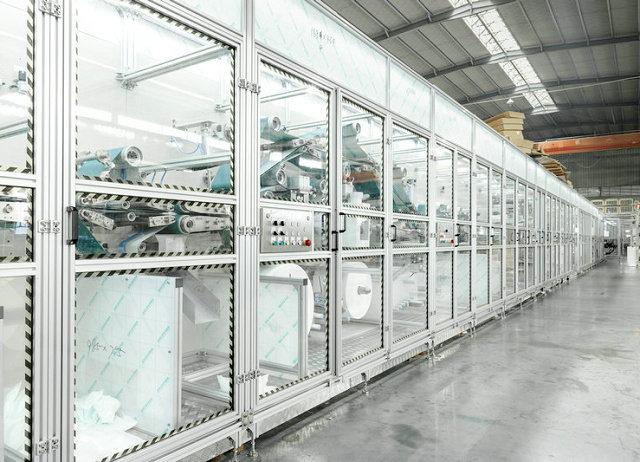
Look for diaper machine features that support a defined product, stable material handling, measurable quality, safe operation, practical changeover, and maintainable control. The most valuable features are not isolated options; they connect product requirements to repeatable production. A procurement engineer should examine unwind and splice arrangements, web guidance and tension control, forming and bonding modules, inspection and reject tracking, recipe and alarm functions, access for cleaning and service, and downstream interfaces. Each claimed feature needs a boundary and verification method. Select the configuration by witnessing representative materials and products during FAT, not by counting features in a brochure.
Diaper Machine Feature Baseline
Start with the product rather than the control cabinet. Define the diaper family, size range, material layers, absorbent-core architecture, elastics, fastening or waist system, finished fold, packaging handoff, and quality characteristics. Mark the launch configuration separately from future options. The feature list should then explain how the machine creates, controls, inspects, and transfers that specific construction.
A useful specification divides features into required, optional, and reserved. Required functions must be installed and accepted. Optional functions have a priced and technically defined scope that can be selected before design freeze. Reserved capability describes space, controls, or interfaces intentionally prepared for later engineering. The word upgradeable is too vague unless the supplier states what is prepared and what would still require redesign.
For every feature, ask five questions: what problem does it control, where does it act, which product or material range is covered, how does the operator know it is working, and how will FAT verify it? This prevents a sensor, camera, guide, or automatic adjustment from receiving credit simply because it appears on a proposal. Features earn value through controlled results.
Feature selection begins with the required product process and control points.
Material Feed and Web Control Features
Raw-material handling shapes uptime, waste, and product position. Review unwind capacity against the identified roll dimensions and mass, loading method, shaft or chuck arrangement, braking or drive control, roll-end detection, splice preparation, and safe operator access. If automatic or assisted splicing is offered, define which materials it covers, how the splice is detected, and what happens to products around the event.
Web guidance should be placed where lateral control is needed and supported by suitable sensing and actuation. Ask for correction range, response to different colors or edges, threading access, and behavior when the signal is lost. Tension control needs appropriate zones because one setting cannot govern every material path. Thin films, nonwovens, elastic materials, tissues, and other webs may respond differently to stretch and acceleration.
Accumulation can isolate a roll change or downstream disturbance, but its value depends on usable storage, control logic, and safe threading. Ask suppliers to demonstrate the complete sequence rather than show an empty accumulator moving. Material trials should include normal roll conditions, an agreed splice event, and recovery after a controlled stop when those functions are commercially important.
Forming, Bonding, and Cutting Functions
Process modules must match the product architecture. Review how absorbent material is formed, distributed, contained, and monitored; how layers are aligned; where adhesives or other bonding methods are applied; how elastics are introduced; how side or fastening components are placed; and how contours or individual products are cut. Each station should have defined adjustment and inspection points.
Application control is more important than the mere presence of a component. For adhesive systems, examine delivery stability, temperature or condition monitoring where applicable, pattern control, pressure or flow alarms, access, and cleaning. For elastic processes, examine feed control, tension or stretch method, placement, break detection, and restart handling. For cutting, consider registration, tooling identity, wear checks, sharpening or replacement route, debris control, and guarding.
Buyers should connect machine settings to finished-product checks. A position adjustment is useful only if the quality team can measure the resulting component placement. A forming control is useful only if material distribution can be sampled under an agreed method. This link turns equipment features into a process-control plan.
Forming, bonding, elastic, and cutting features should map to measurable product results.
Inspection and Reject Integrity
Inspection features need a clear defect definition. Sensors may detect material presence, splice events, position, breaks, or process states. Vision systems may inspect selected visible characteristics. Neither technology guarantees overall product quality. Define which defect each device detects, its field of view or sensing boundary, expected response, recipe relationship, and conditions that can reduce detection reliability.
Detection must connect to reject integrity. Record where the issue is detected, how the affected product is tracked, where rejection occurs, how successful rejection is confirmed, and what happens after a failed reject. Consider the distance and number of products between detection and ejection, especially during acceleration, deceleration, and stops. A reject station without confirmation can silently pass a known defect when a jam or air issue occurs.
FAT should use controlled challenge samples or simulated signals approved by the buyer and supplier. Test normal detection, missed or invalid signal response, rejection, confirmation, collection, and reset. Preserve challenge identity and results. Do not make unsupported claims about defect-detection percentages unless the project has a valid method and sufficient evidence.
Feature group
Decision value
Evidence at FAT
Hidden limitation to expose
Unwind and splice
Continuity and controlled material entry
Representative roll and splice sequence
Function may not support every web
Web guide and tension
Layer position and material stability
Trend or observation across normal conditions
Sensor may struggle with specific edges
Inspection
Early detection of defined defects
Approved challenge and alarm response
Detection boundary may be narrow
Reject tracking
Removal of the correct affected product
Challenge through stop and speed change
Reject may lack confirmation
Recipe control
Repeatable format setup
Change format and compare protected settings
Mechanical changes may remain manual
Recipes, Alarms, and Useful Production Data
Recipe systems can improve repeatability when they control identified parameters with suitable permissions and revision logic. Ask which settings are stored, which remain mechanical, who can edit them, how changes are recorded, how a correct recipe is linked to installed change parts, and how backups are restored. Loading a recipe does not verify that the machine is mechanically ready for the product.
Alarm quality affects recovery. Useful alarms identify the condition and location, preserve the first or causal event, guide safe checking without inviting bypass, and distinguish warnings from stop conditions. During FAT, create representative faults and observe the operator's path from alarm to diagnosis and controlled restart. A long alarm list is not evidence of good fault information.
Production data should serve decisions. Counters for input, accepted output, rejects, stops, and reason categories can support shift analysis if definitions are controlled. Event history and trends can help troubleshoot web, drive, or process behavior. Confirm data retention, time basis, export, access, and behavior after power loss. Avoid buying dashboards whose values cannot be reconciled with physical events.
Changeover, Cleaning, and Maintenance Design
Features that reduce changeover should be evaluated through full workflow. Quick-release parts, locating features, scales, digital positions, recipes, and change carts can help, but quality stabilization and product release remain part of the conversion. Request a matrix of change parts and settings, then witness a representative format change from last accepted product to first accepted new product.
Cleaning access matters in absorbent-product manufacturing because fibers, dust, adhesive residue, and trim can accumulate around process areas. Guards should allow safe planned access without making routine tasks excessively difficult. Ask for cleaning points, approved methods, intervals, debris collection, tool control, and restart inspection. Features that hide buildup behind inaccessible covers can increase maintenance risk.
Maintainability includes lubrication access, inspection points, replaceable wear items, alignment references, sensor access, tooling removal, electrical diagnosis, software backup, and clear tags. Review a representative maintenance task on the physical baby diaper manufacturing equipment. HAINA can support requirement and FAT reviews for the supplied configuration, but the buyer should witness access with its own maintenance representatives.
Maintainability is verified by performing real access and change tasks, not by viewing closed guards.
Safety, Utilities, and Line Interfaces
Safety functions should match hazards and operating tasks. Review guarding, doors and interlocks, emergency stops, safe stop behavior, stored energy, hot surfaces, cutters, rotating parts, web threading, roll loading, jam clearing, and maintenance isolation. The buyer must integrate the machine into site procedures and verify that intended work can be completed without routine bypasses.
Utility features need project values and quality conditions. Confirm electrical, compressed-air, extraction, adhesive-service, environmental, network, and other requirements for the selected configuration. Define connection points, ownership, normal and peak conditions, and monitoring. A nominal utility figure without its basis cannot support site design.
Interfaces with upstream material handling and downstream counting or packaging must cover physical transfer, speed coordination, ready and fault signals, stop behavior, accumulation, reject information, and recovery. Include these interfaces in acceptance. A diaper machine can operate correctly alone and still fail as part of the factory if handoffs are left undefined.
Feature Verification Scorecard
Essential: The feature directly controls a launch-product requirement, material risk, safety need, quality check, or necessary factory interface.
Verifiable: The contract states its boundary, input conditions, expected response, and FAT challenge.
Operable: Trained staff can set, observe, clean, recover, and maintain it without routine workarounds.
Traceable: Tags, recipes, drawings, spare identities, software versions, and records match the delivered configuration.
Lifecycle ready: The buyer receives maintenance instructions, backups, change parts, training exercises, and exception closure evidence.
Each selected feature should be demonstrated in the final supplied configuration.
Frequently Asked Questions
Are more automatic features always better?
No. Automation adds value when it controls a defined risk and can be operated, maintained, and verified. Unneeded complexity can add training, spare, and troubleshooting burdens.
What inspection feature should every line have?
There is no universal list. Select devices from the product failure modes and process-control plan, then define detection boundaries, reject logic, challenges, and manual checks that remain necessary.
Does recipe control eliminate change parts?
Not necessarily. Recipes can position controlled devices and load settings, while tooling, guides, web paths, or mechanical assemblies may still require physical change and verification.
How can a buyer compare optional features?
Score each option by the problem controlled, affected products, manual alternative, evidence, maintenance burden, integration need, and cost within the complete offered scope.
Conclusion
The right diaper machine features form a controlled chain from material entry to accepted product and downstream transfer. Buyers should prioritize material handling, process control, defined inspection, reliable reject tracking, protected settings, useful alarms, maintainability, safety, and interface clarity according to the launch product. Before ordering, build a feature matrix with one test beside every required function. The practical verification action is to bring representative materials to FAT and challenge a splice or material event, a defined defect, a stop and recovery, one recipe or size change, and one maintenance task while recording results against the offered configuration.