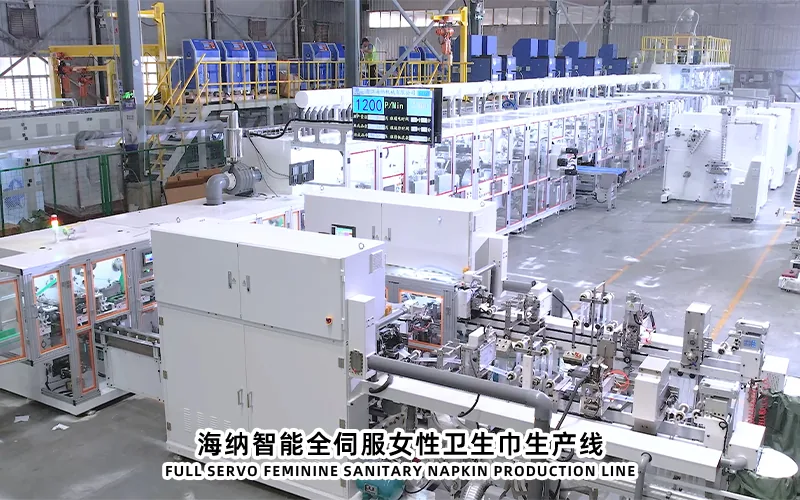
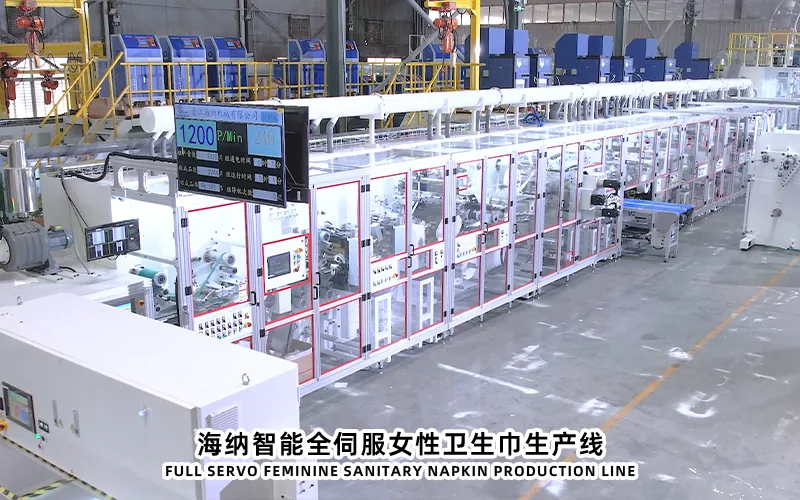
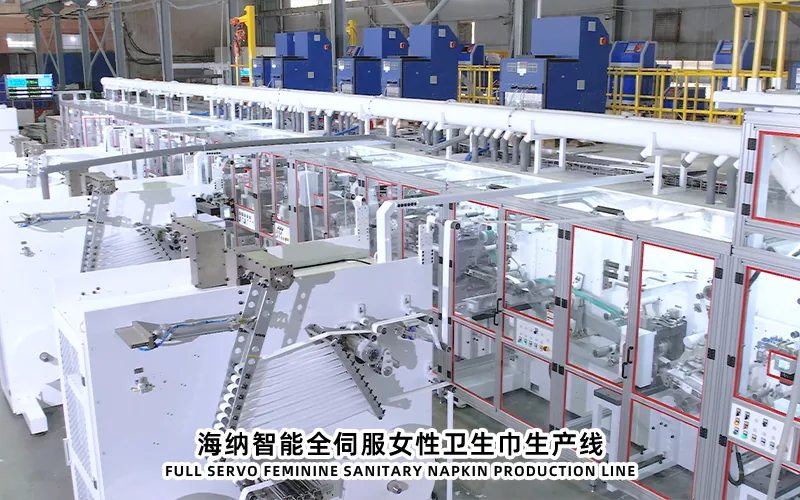
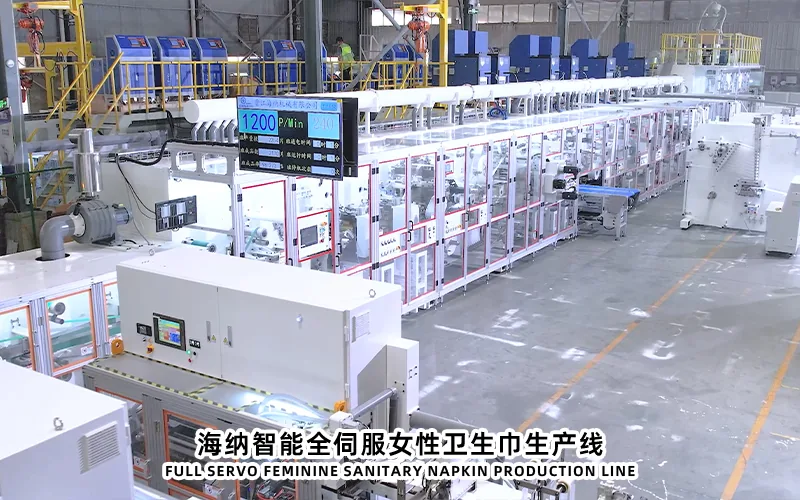
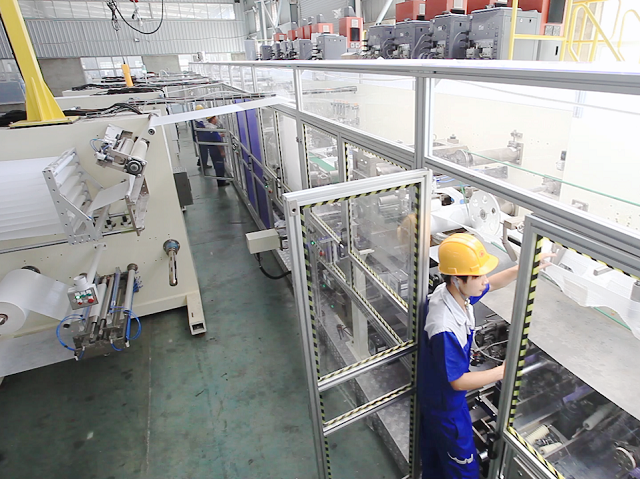
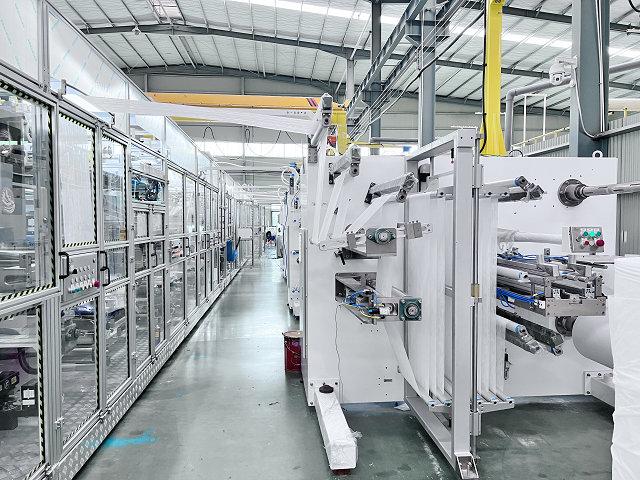
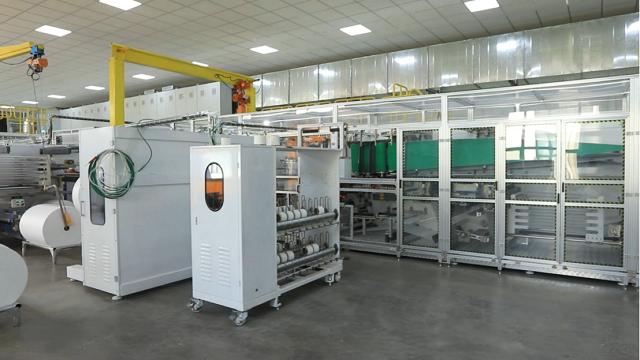
The main types of sanitary pad machine are best classified by product architecture and automation boundary, not by vague labels such as manual, eco-friendly, or high speed. Industrial choices include lines for winged or wingless pads, different absorbent-core methods, varying individual-wrapper and folding arrangements, and different levels of integration with counting and packaging. A buyer should also distinguish a complete converting line from auxiliary equipment or small standalone processes. Select the type by defining the pad portfolio, materials, acceptable output, changeover plan, available utilities, operator skills, floor space, and the exact point where finished products transfer downstream.
Classify by Product, Not Marketing Name
A sanitary pad production system is a chain of converting functions selected for a defined finished article. Therefore, the first classification question is what product the line must make. Record overall dimensions, wing geometry, absorbent structure, layer sequence, top sheet, back sheet, acquisition layer if used, release materials, adhesive zones, embossing, fold, individual wrapper, and final count presentation. Lines that appear similar from a distance may use different modules and tooling because those specifications differ.
Avoid treating "high speed" as an equipment type. Speed is a performance attribute whose meaning depends on format, material, quality, duration, and downstream conditions. Likewise, "eco-friendly machine" does not define an architecture. Environmental product goals may require qualification of alternative materials, reduced packaging, dust control, energy measurement, or waste segregation, but these are requirements to verify, not a standard machine class.
Also separate complete production lines from auxiliary devices. A core-forming unit, wrapper, bagger, adhesive melter, air compressor, dust collector, laboratory instrument, or small manual process may support sanitary product production, but none alone represents the full material-to-pad conversion route. Ask every vendor to show the included process flow and battery limits before comparing categories.
A complete line classification begins with the product route and included converting functions.
Sanitary Pad Machine Automation Levels
Automation levels should be described station by station. At the converting level, a coordinated line may control unwinds, web guiding, tension, component placement, adhesive application, cutting, folding, inspection, rejection, counting, and discharge. Yet operators may still load rolls, prepare splices, replenish materials, remove scrap, inspect samples, and recover from faults. If bagging or case packing is outside the line, finished products still require a downstream operation.
Semi-automatic arrangements can mean many different things. One proposal may automate pad formation but require manual wrapping or packing. Another may consist of separate machines with manual transfer. A small-scale setup may rely on individually operated processes. These arrangements differ in labor, work-in-process control, contamination exposure, traceability, quality consistency, and floor movement. Do not compare them under one automation label; map every handoff.
Automation also includes information and recovery. Review recipe control, user permissions, alarm history, change logging, inspection logic, reject confirmation, and backup procedures. A physically integrated line with weak control discipline can be harder to reproduce than a less integrated process with clear work standards. Choose the boundary the factory can operate, maintain, and validate with its real skills.
Compare Core-Forming Architectures
The absorbent core is a major architectural branch. Different products may use pulp-based formation with absorbent polymer, layered or preformed absorbent materials, tissue or other wraps, and combinations defined by product development. The equipment functions, dust and extraction needs, dosing controls, material storage, web handling, cleaning, and quality methods change with that decision. A supplier should state which core constructions are proven, optional, or outside the proposed scope.
For a formed core, buyers should examine feed preparation, distribution control, containment, transfer, wrapping, compression, cutting, and dust management. For preformed or roll-fed absorbent structures, web tension, alignment, splicing, cutting, and supply-chain availability may carry more weight. Neither architecture is universally superior. The correct choice follows the approved product, material access, factory environment, operating competence, and validation plan.
Compare evidence using representative inputs. Record material grades and lots, machine settings, dimensions, mass or other approved core checks, visual distribution, integrity through converting, and downstream product results. Do not accept a core process based solely on a neat sample made under unidentified conditions. Trial records should make limitations visible, especially when a future product may use a different absorbent structure.
Core architecture affects raw materials, dust control, process modules, checks, and cleaning responsibilities.
Separate Pad Shape and Wrapper Types
Winged and wingless pads influence die cutting, component geometry, release papers, folding, and wrapper presentation. Different pad lengths or thicknesses may require guides, cutters, folding components, recipes, and inspection regions. A line described as multi-size needs a qualified format list and change-parts register. Ask what can change through recipes, what needs manual adjustment, what needs exchanged tooling, and what is not supported.
Individual wrapping is another branch. Define wrapper material, opening direction, folding sequence, seal or adhesive concept, release-paper relationship, product orientation, and appearance checks. The intended consumer opening experience must be translated into measurable drawings and samples. If the converter hands an unwrapped pad to separate equipment, the transfer and contamination controls become a critical boundary.
Do not use the word "customizable" as a substitute for engineering. Each proposed format should trace through product drawing, material schedule, machine modules, tooling, recipe, changeover sequence, trial, and quality release. A witnessed conversion from one representative pad to another reveals the actual flexibility better than a list of possible dimensions.
Define Packaging Integration
A converting line may end at individually wrapped pads, counted stacks, bags, or another agreed transfer point. Packaging integration can include counting, stacking, compression, bag feeding, insertion, bag sealing, coding interfaces, reject handling, case packing, or only signals to separate equipment. State the required pack count, stack orientation, bag properties, identification method, and product-change logic. Include accumulation behavior when downstream equipment stops.
Integrated packaging can reduce manual transfers, but it also links availability and changeovers. Separate packaging can offer operational decoupling while adding handling, labor, work-in-process, and space. The project sponsor should compare complete factory flow, not assume that more integration is always better. Analyze who owns the interface, how blocked products are handled, and whether acceptable converted products can be protected during a packing interruption.
Test the interface at representative conditions. Count accuracy, stack quality, product damage, bag presentation, reject segregation, restart, and format synchronization require evidence. If packaging is supplied by another party, establish one joint signal and responsibility matrix with a combined acceptance test. Otherwise, two individually functional machines can still fail as a production system.
The exact discharge condition determines whether counting, stacking, or packing belongs inside the selected line type.
Match Each Type to the Factory
Factory fit includes more than footprint. Review raw-material storage, roll staging, lifting routes, operator positions, adhesive handling, dust extraction, scrap movement, quality sampling, tooling storage, maintenance removal, accepted-product transfer, and emergency access. Obtain utility loads and connection conditions for the specific architecture. Local specialists should confirm building, electrical, fire, workplace, and environmental obligations.
Staffing must match automation and product mix. List roles during startup, steady operation, replenishment, inspection, packing, changeover, cleaning, and fault recovery. A highly integrated line can reduce some handling while increasing control, maintenance, and coordination requirements. A segmented process may be easier to understand but expose more product to manual transfer. Evaluate competence and training needs, not only headcount.
Consider the launch and expansion sequence. A project may reserve space and interfaces for later packaging or format modules while initially installing a narrower scope. Document future tie-ins, structural provisions, software assumptions, and validation work. Do not purchase speculative capability without confirming that the base system remains complete and acceptable on its own.
Use a Classification Decision Tree
Architecture decision sequence
Freeze the launch pad and wrapper specifications.
Select the absorbent-core concept and approved material route.
Choose wing, fold, release, and individual-wrapper functions.
Set the automation and manual-transfer boundaries.
Define whether counting and packing are integrated.
Test the architecture against utilities, space, staffing, and skills.
Qualify formats, interfaces, and stable output through FAT.
Classification axis
Typical alternatives
Controlling evidence
Buyer limitation to verify
Core route
Formed, layered, or supplied absorbent structure
Product design and traceable trials
Materials, dust, cleaning, and controls
Pad geometry
Winged, wingless, multiple sizes
Format and tooling matrix
Change time and qualified range
Wrapper boundary
Integrated individual wrap or separate transfer
Wrapper drawing and sample
Orientation, seal, and contamination control
Packing boundary
Loose count, stacked output, or integrated bagging
Process and signal diagram
Accumulation and restart behavior
Control level
Coordinated line or segmented processes
Task and fault demonstration
Staffing, records, and maintenance skills
Use the table to create a short architecture statement, such as: coordinated winged-pad converting line with a defined formed-core route, integrated individual wrapper, counted-stack discharge, and separate bagging. That sentence is more useful for an inquiry than "automatic sanitary pad equipment" because suppliers can identify assumptions and gaps. Add formats, materials, output conditions, and factory data as attachments.
Verify the Selected Architecture
Request a format-to-function compliance matrix. It should connect each launch requirement to the proposed module, tooling, control, inspection, and acceptance check. Review layout, utilities, maintenance access, manual tasks, and downstream interfaces. HAINA can use this requirement structure during engineering clarification, but the buyer should approve the final product definition and site obligations.
FAT should test the chosen architecture, not a convenient demonstration setup. Use controlled materials, record lots, identify the product format, define stable-run conditions, measure samples, challenge agreed inspection and rejects, complete a relevant changeover, and witness a downstream stop and recovery. Index settings, alarms, output logs, samples, photographs, and open-item closures.
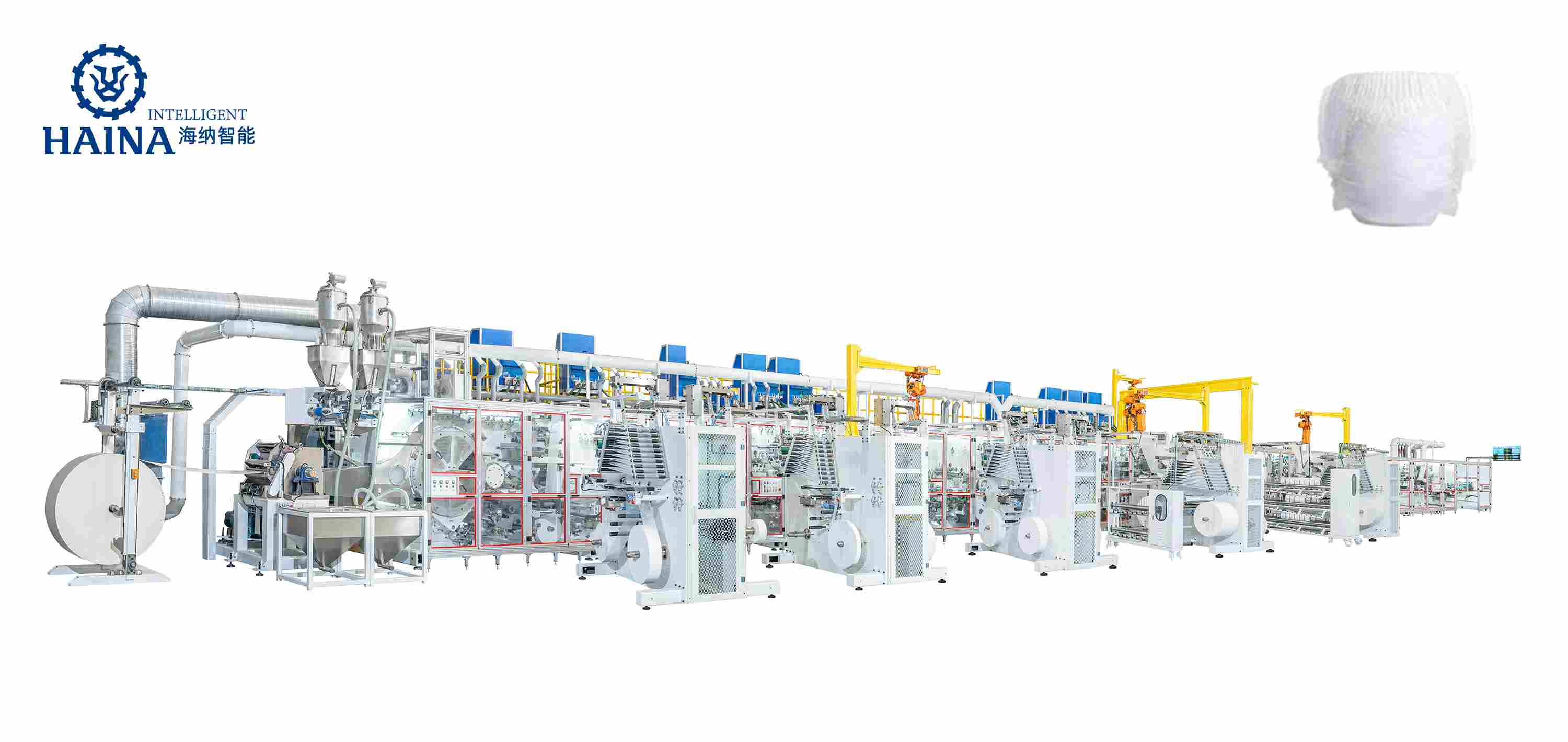
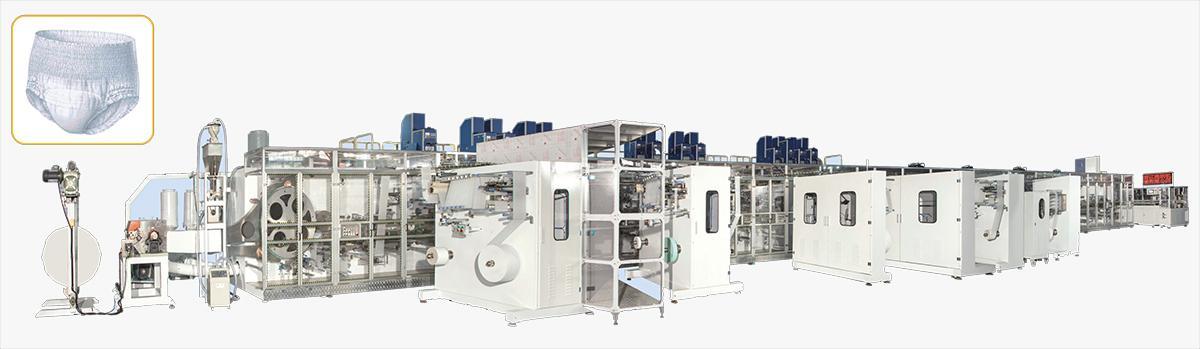
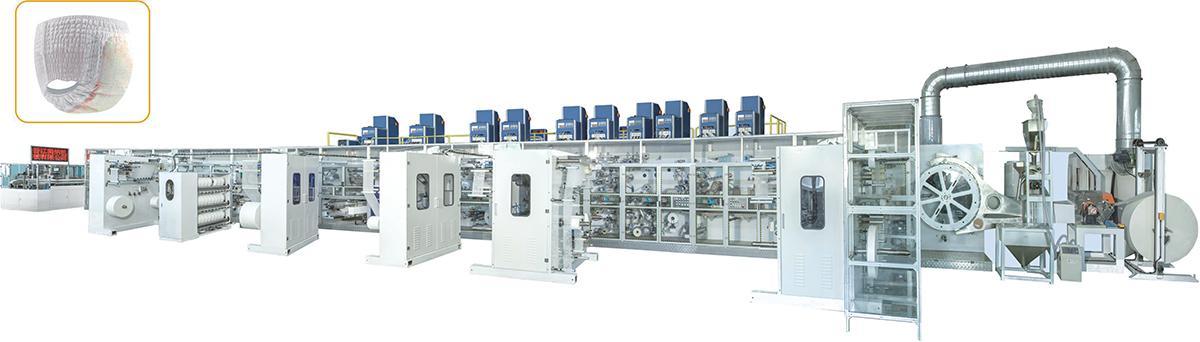
For an equipment reference while constructing the architecture statement, review the automatic feminine sanitary napkin production line and mark the functions your factory needs. Ask for explicit confirmation of exclusions and alternatives. The result should be an exact project type rather than a broad category name.
Verification should connect the selected architecture to the actual modules, materials, people, and site interfaces.
Frequently Asked Questions
Are manual sanitary pad machines a single standard category?
No. The term may describe separate small processes or manual transfers, and scopes vary widely. Map each operation, handoff, quality control, and exposure point before comparing it with an integrated line.
Is a high-speed sanitary pad machine a different machine type?
Not by itself. Speed is a performance attribute. The line type still depends on product architecture, core route, wrapper, automation, and packaging. Verify stable acceptable output under stated conditions.
Can one line make winged and wingless pads?
Some proposed configurations may support both through modules, recipes, adjustments, or change parts. Require a format matrix and witnessed trials; do not assume support from a general flexibility claim.
Should bagging always be integrated with converting?
No. Compare flow, handling, availability, format mix, space, staffing, and interface control. Integration and separation each create different risks that should be tested as a complete factory system.
Conclusion
Sanitary pad machine types are combinations of product architecture, absorbent-core route, pad geometry, wrapper method, automation boundary, and packaging integration. Labels alone cannot select the correct equipment. The project sponsor should issue a one-page architecture statement plus controlled product, material, factory, and interface attachments. Before approval, require shortlisted suppliers to map every function, demonstrate representative formats and materials, complete one critical changeover, and test the packing handoff under a controlled stop. Choose only the architecture whose limitations and responsibilities are documented and accepted by the future operating factory.