Adult & Baby Diaper Machine,Sanitary Napkins Production Line Blog
Make baby diaper line installation predictable through early readiness, first-time placement, coordinated integration, staged trials, and evidence gates.
Effortless installation of a baby diaper making production line is achieved by eliminating uncertainty before delivery: freeze the product scope and layout, survey access and floor references, complete utility terminations, assign every supplier-contractor interface, prepare lifting and inventory controls, stage qualified materials, and approve commissioning tests. Installation then follows planned module placement, measured alignment, verified connections, controlled energization, dry and material trials, training, and product acceptance. "Effortless" does not mean no work; it means the project has no avoidable waiting, improvised connections, hidden ownership gaps, or acceptance criteria invented after startup. The project manager should release each phase only against named readiness evidence.
Installation Strategy for a Baby Diaper Making Production Line
The strategy is to move decisions earlier than field work. Approve the diaper formats, materials, line modules, format tooling, inspection functions, packaging handoff, layout, utilities, safety basis, documents, training, and acceptance plan during engineering. Create a constraint log for every missing input. A late answer about roll dimensions or packaging elevation can change hardware and site services after both are built.
Build one integrated schedule with supplier manufacture, buyer construction, utilities, shipping, contractor availability, permits, material delivery, laboratory readiness, packaging integration, and acceptance. Show dependencies and evidence for release. HAINA can coordinate machine-side engineering and installation requirements with the buyer, while local qualified disciplines retain authority over their site work and permits.
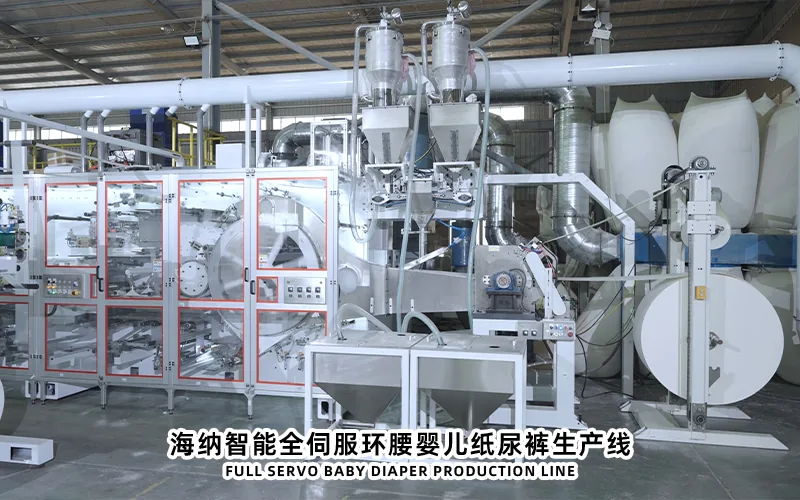
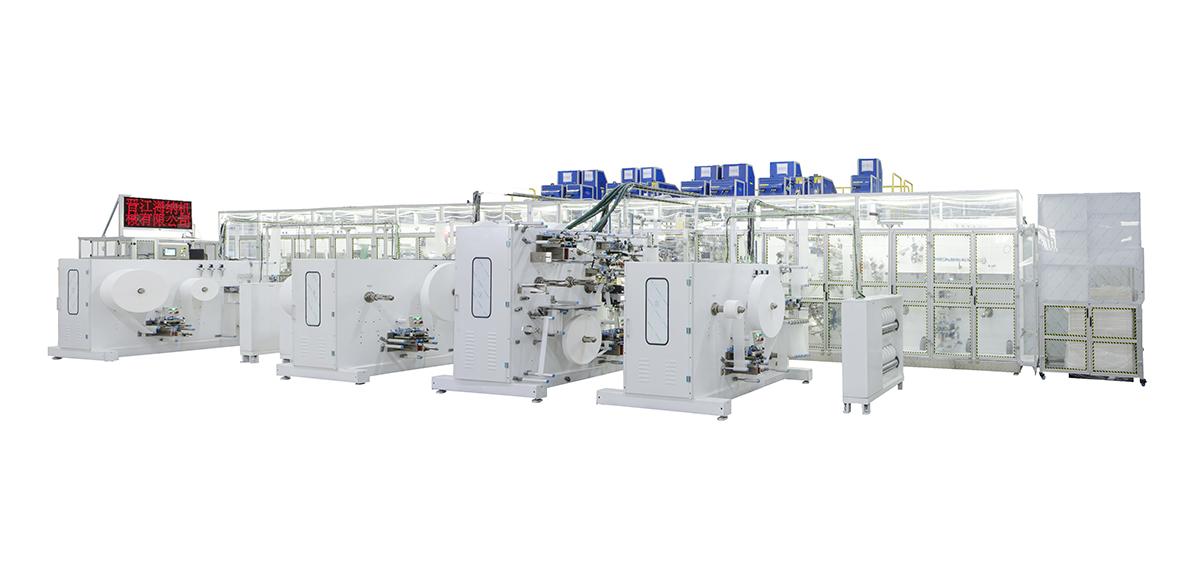
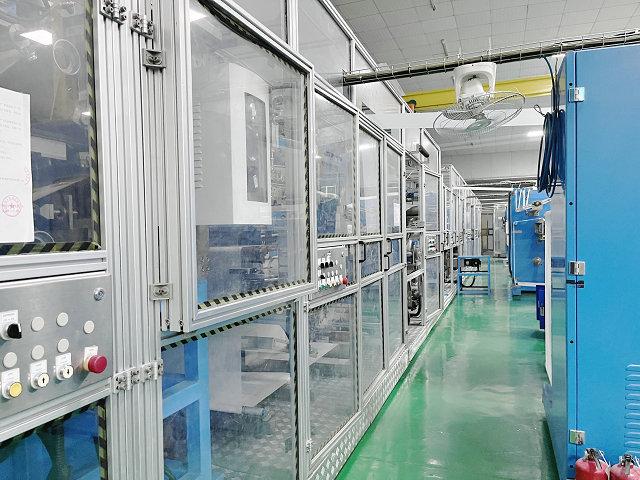
Early coordination aligns machine modules, factory work, and acceptance before delivery.
Use a responsibility matrix that names who designs, supplies, receives, stores, lifts, installs, connects, inspects, energizes, commissions, tests, trains, and accepts each item. Include compressed air, extraction or vacuum, adhesive systems, electrical distribution, network, conveyors, packaging, waste, materials, tools, instruments, and translation where needed. One accountable owner should exist for each boundary.
Remove Readiness Risks From the Critical Path
Survey the route using the supplier's final package data. Check unloading surface, lifting area, gates, doors, turns, overhead clearance, floor, temporary storage, and traffic control. Qualified engineering should close floor loading, flatness, support, or anchoring questions. Mark final line references and compare the physical site with the latest approved layout, not a printed old revision.
Walk the operating envelope. Simulate roll delivery, loading and splice access; operator stations; guard opening; cabinet doors; cutter, adhesive, filter, and sensor maintenance; cleaning; quality sampling; waste removal; and finished-diaper transfer. Confirm emergency and pedestrian routes. Move utility routes or obstructions before equipment arrives when they compromise access.
Prepare utility terminations and isolation in advance using final machine information. Test and label power, earthing or bonding provisions, compressed air, extraction, environmental services, network, and adhesive interfaces as required by site disciplines. A utility should be available under the relevant load, not merely installed. Keep incomplete connections visibly isolated.
Stage approved commissioning materials, format parts, quality methods, waste containers, tools, measuring equipment, and staff. Identify material lots and supply forms. Ensure sufficient quantity for threading, setup, stabilization, tests, samples, planned changeover, and normal trial loss. Missing material can idle a complete installation and force an unrepresentative acceptance run.
Coordinate Delivery and First-Time-Correct Placement
Hold a delivery briefing using packing lists, package identity, lifting and center-of-gravity information where provided, weather plan, route, roles, communication, exclusion zones, and contingency. Inspect each package before opening and record damage, moisture, or missing labels. Protect modules in temporary storage according to their needs.
Inventory by module and installation sequence. Separate assembly hardware, format parts, operational spares, tools, documents, cables, hoses, guards, platforms, and accessories. Keep small items linked to their intended station. Report shortages immediately with project impact; do not wait until the installation step exposes them.
Readiness gate
Evidence available before work
Failure prevented
Release owner
Ship-to-site
Route, storage, lifting plan, surveyed floor
Blocked or unsafe delivery
Buyer project manager
Place modules
References, package identity, sequence, clear zone
Rehandling and wrong orientation
Installation lead
Join systems
Measured alignment and approved interfaces
Forced fit and hidden load
Discipline leads
Energize
Connection tests, line clearance, controlled software
Damage or unsafe motion
Authorized site owner
Run material
Dry checks, trained team, approved lots and methods
Uncontrolled trial and lost evidence
Commissioning manager
Place modules from surveyed references in the defined process sequence. Verify centerline, orientation, height, level, gap, and alignment at documented points before permanent connection. Record measurements and instruments. First-time-correct placement reduces rework, but no schedule goal should pressure workers to lift or align outside the approved plan.
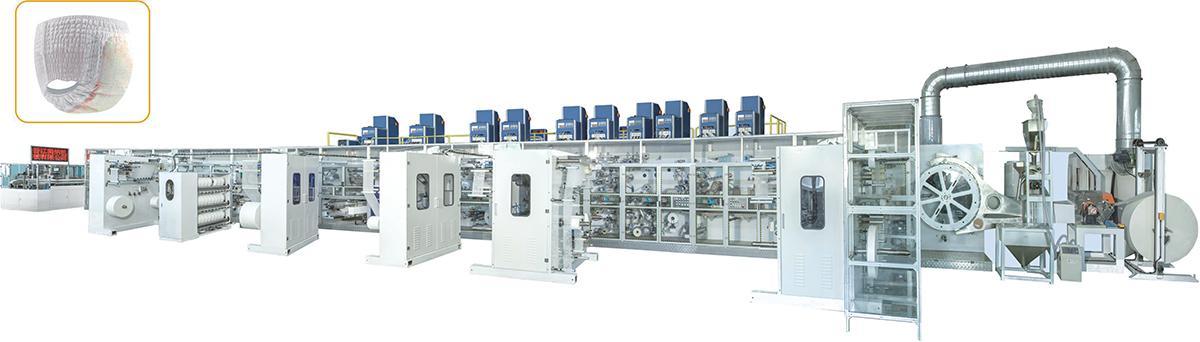
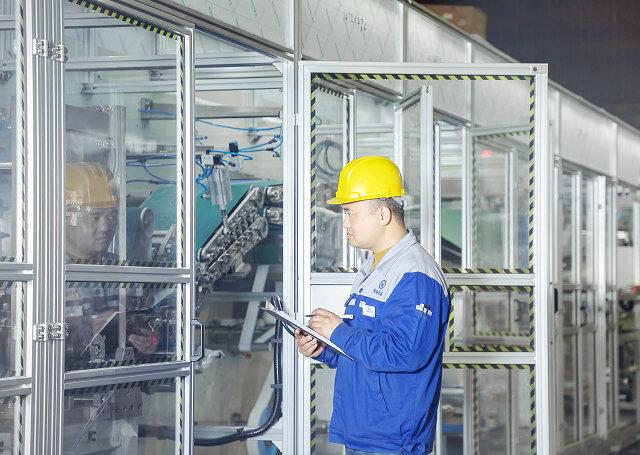
Surveyed references and module identity allow accurate placement without repeated handling.
Integrate Workstreams Without Interference
Parallel work saves time only when hazards and physical dependencies are controlled. Zone the line and use a daily permit or coordination board. Prevent electrical work above open material paths, grinding near clean components, duct work that loads aligned frames, or energization while mechanical access remains open. Define who controls each zone and when it transfers to another team.
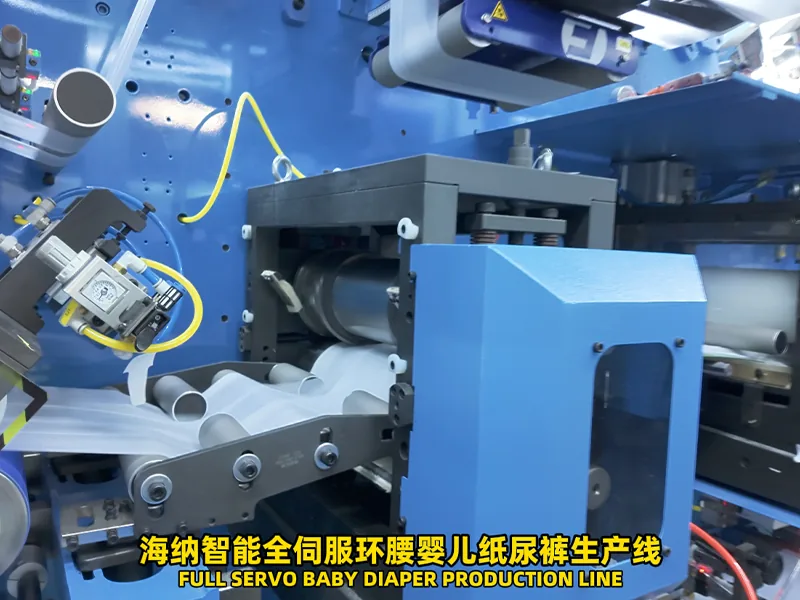
Complete mechanical connections and inspect inaccessible areas before enclosure. Protect bearings, rollers, adhesive passages, air lines, electrical connectors, sensors, and product surfaces from contamination. Verify fasteners and critical supports according to documentation. Recheck alignment after ducts, pipes, conveyors, and packaging interfaces are connected.
Electrical and controls work should verify identification, protection, termination, enclosure, grounding or bonding provisions, motors, heaters, sensors, valves, communication, protective circuits, and interfaces. Pneumatic, vacuum, extraction, and adhesive systems require cleanliness, support, isolation, leak and flow checks, and safe service access. Redline every accepted site change for as-built records.
Load only approved software, drive settings, operator-interface files, and recipes. Record versions and machine identity. Perform controlled first energization by function and zone, checking direction, modes, signals, alarms, actuators, access levels, and backups. Validate protective functions through the approved method before integrated automatic movement.
Use a Staged Commissioning Ramp
A commissioning ramp lowers risk by increasing complexity only after evidence closes the preceding state. Begin with static inspection and individual movements, then dry integrated operation, utilities under load, material threading, low-risk setup, process-by-process samples, stable product trial, detection and reject challenges, changeover, controlled stop and restart, and contractual acceptance.
At each station, identify the expected incoming and outgoing condition. Check unwind and web stability, core formation or transfer, layer position, elastic and fastening application, adhesive pattern, bonds, shaping, cut, fold, inspection, reject, and discharge as applicable. Locate the first deviation before changing downstream settings. Keep setup output segregated.
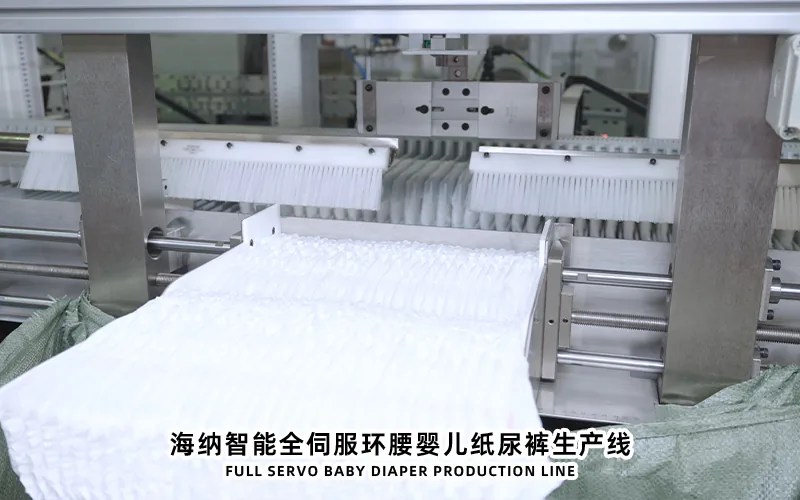
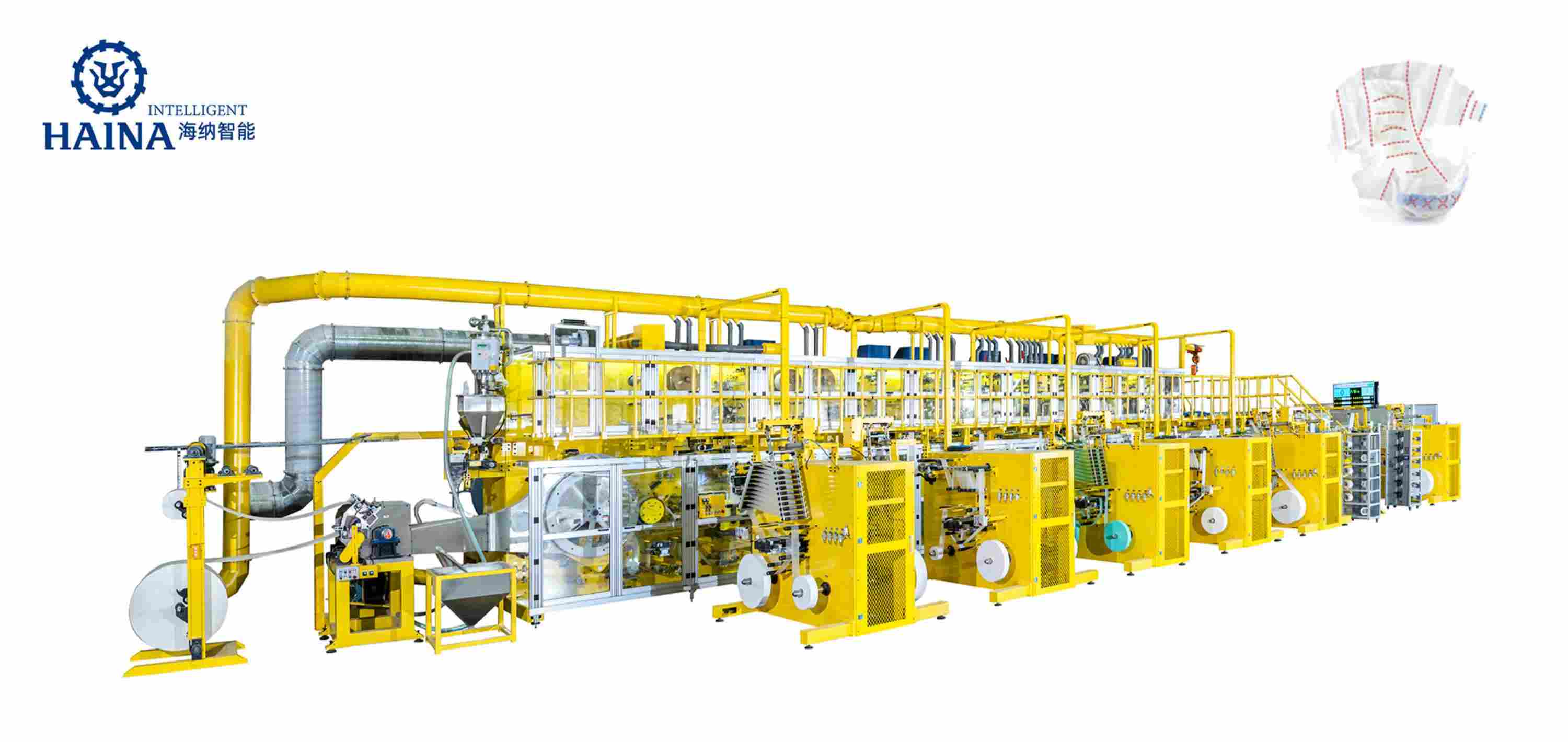
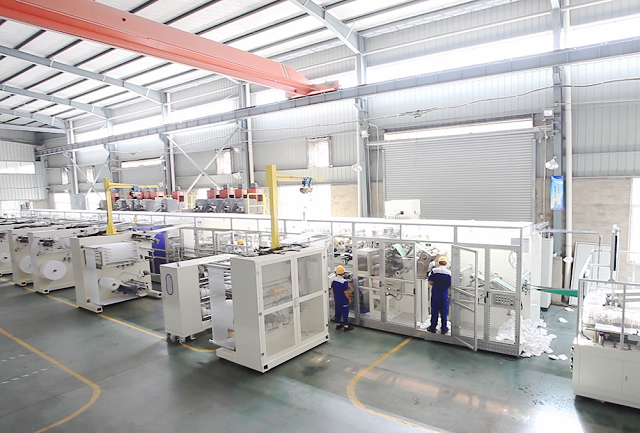
Staged commissioning verifies each process before the whole line is asked to run stably.
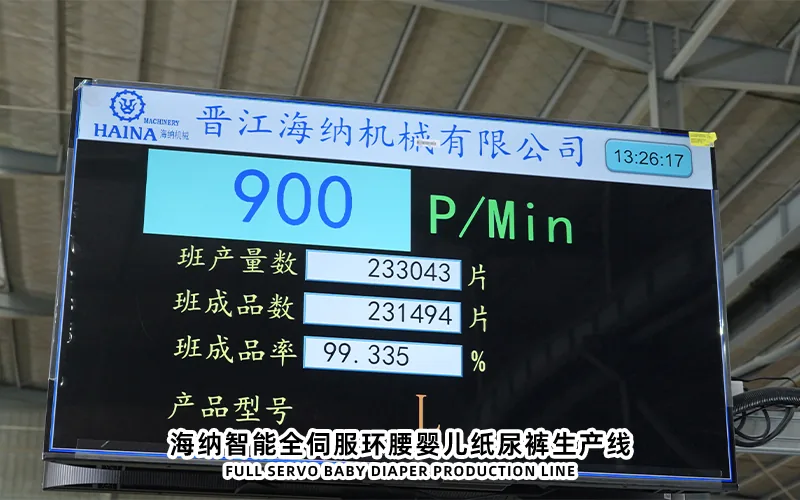
Record product, recipe, tooling, material lots, utility state, operating speed, alarms, stops, adjustments, waste categories, and samples. Define stability in the test plan. Design speed, configurable range, momentary operating speed, stable working speed, and contractual acceptance value are different. Do not accelerate the ramp to create an unsupported headline result.
Product tests should follow buyer-controlled methods and address dimensions, component placement, core integrity, bonds, elastic position, cuts, folds, appearance, contamination, detection, rejection, and functional characteristics relevant to the design. Retain accepted and defect samples with context. An integrated trial closes only after affected product and packaging interfaces are accepted.
Prepare People and Documents Before Handover
Training should run alongside commissioning, with clear task authority. Operators practice order verification, startup, loading, splicing, setup, permitted adjustments, sampling support, reject segregation, stop recovery, cleaning, and handover. Maintenance staff practice isolation, inspection, lubrication, diagnostics, parts identification, backups, repair, and restart. Quality staff practice sampling, testing, challenge methods, traceability, holds, and release.
Use observed competence and assign local trainers. Record tasks that still require supervision. Include abnormal scenarios, not only normal automatic running. A team that can start the line but cannot control suspect product or preserve alarm evidence is not ready to own it.
Prepare the document dossier before final tests: as-built layout, manuals, diagrams appropriate to scope, component and spare lists, lubrication information, format records, recipes and backups, alarm guidance, FAT and site test records, training material, and open-item register. Define language, format, revision, and owner. Link documents to the installed baby diaper manufacturing line, not a generic model.
Perform a retrieval exercise. Ask an operator to find the correct startup reference, a technician to identify a sensor or spare and its drawing, and an engineer to restore a controlled backup through the approved method. Gaps discovered before handover are cheaper than a production stop caused by an unusable document set.
Close Acceptance Through an Evidence Workflow
Acceptance should flow from mechanical completion to commissioning completion, production release, and final contractual acceptance. Define what each status permits. Mechanical completion is not permission to sell product. Production release may carry documented restrictions while low-risk punch items close. Final acceptance follows the agreed commercial terms and evidence.
Maintain one open-item register with issue, source requirement, severity, affected state, owner, due date, closure evidence, witness, and restriction. Separate cosmetic completion from safety, product, or core function. Temporary controls need visibility and expiry. Changes during closure must update affected drawings, settings, spares, tests, and training.
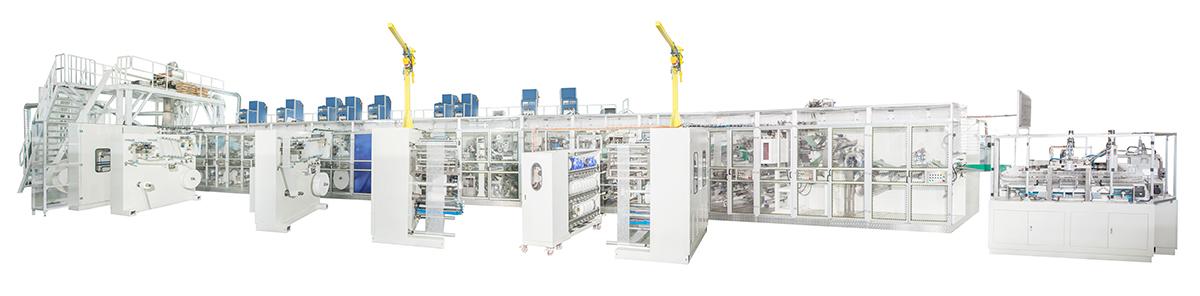
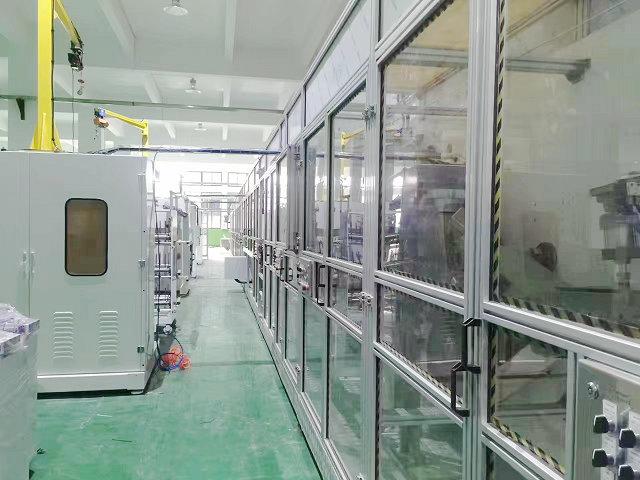
The final workflow ties accepted equipment state to conforming diapers and capable factory teams.
Hold a final walkdown with production, maintenance, quality, engineering, safety, project, and supplier representatives. Compare physical installation with the baseline, inspect access and interfaces, sample documents and spares, review product records, and confirm ownership. Close the project only when the operating organization has both authority and evidence to sustain the line.
Frequently Asked Questions
What makes a diaper line installation feel effortless?
Early decisions, surveyed readiness, labeled interfaces, staged materials, accurate inventory, measured placement, coordinated work zones, predefined tests, trained people, and evidence-based release remove avoidable waiting and rework.
Can mechanical and electrical teams work at the same time?
Yes, where the approved zone and permit plan separates hazards and dependencies. Shared access, overhead work, open paths, energization, and alignment loads require explicit coordination and control.
When should commissioning materials arrive?
They should be inspected and available before the material-trial gate, with enough quantity and correct supply form for setup, stabilization, tests, samples, losses, and planned changes. Protect their storage status.
What evidence should be checked at final handover?
Check as-built configuration, utilities, protective functions, controls, interfaces, accepted products, documents, backups, spares, training competence, maintenance readiness, and closure or restrictions for every open item.
Conclusion
An effortless baby diaper making production line installation is a planned result: constraints close early, field work follows measured references, commissioning rises through safe gates, and handover is backed by product and competence evidence. The project manager should now run a physical readiness burn-down at the site and refuse schedule-only closure. Review machine-side gaps with HAINA, then release shipping, energization, and production separately only after the required evidence for each decision is physically verified.