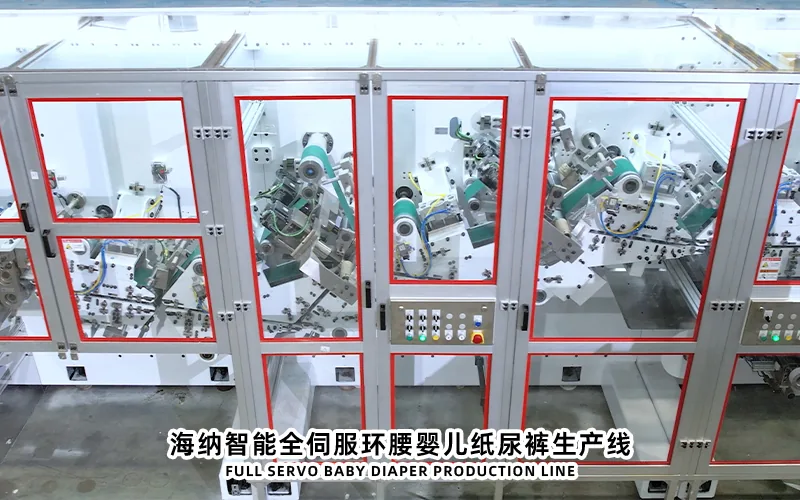
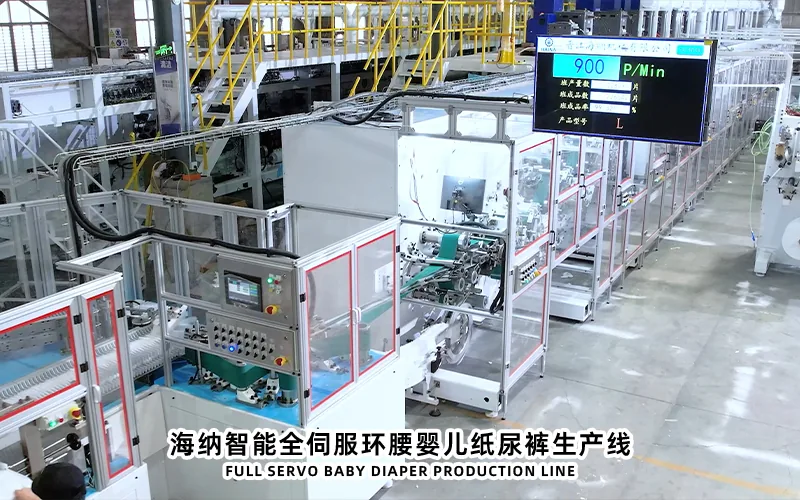
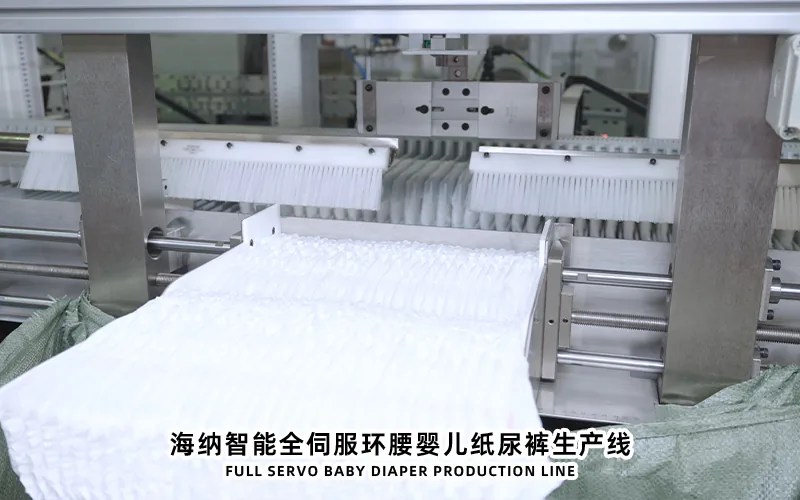
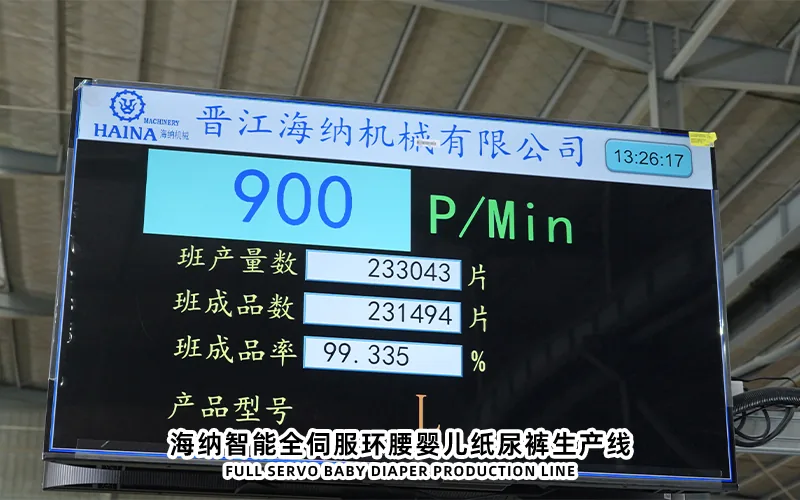
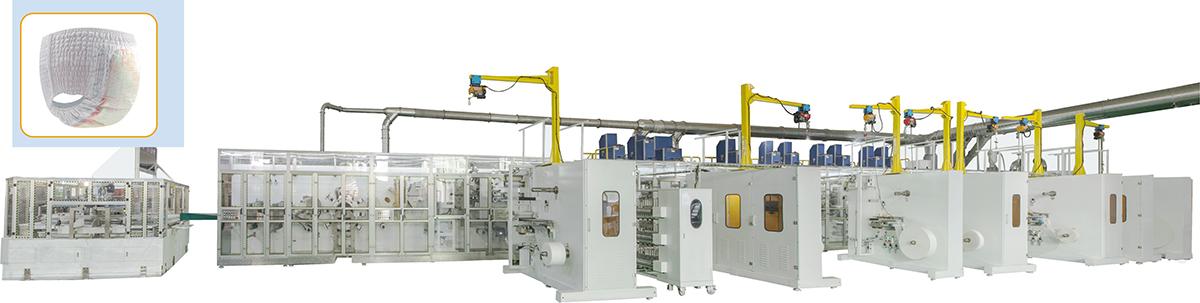
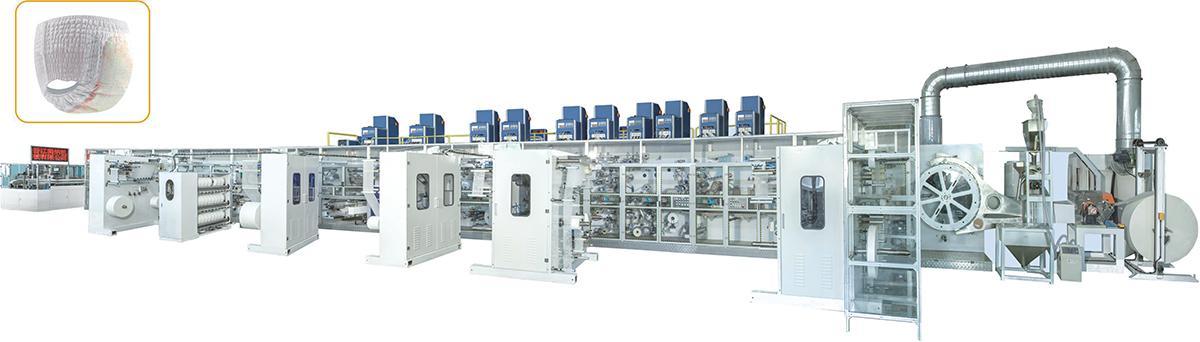
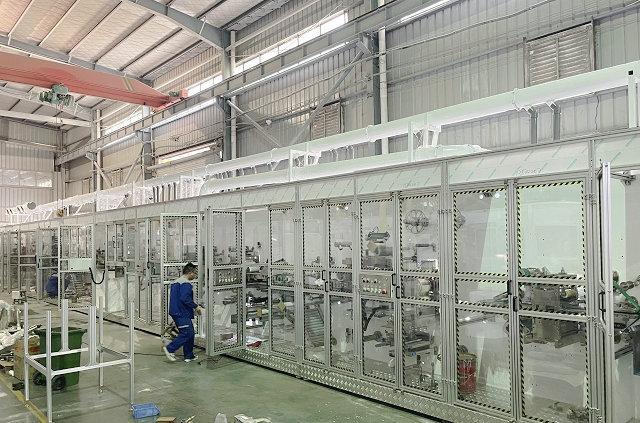
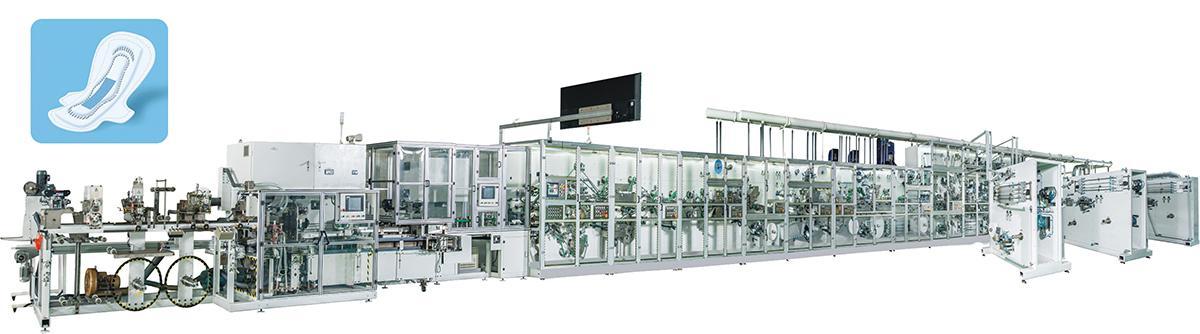
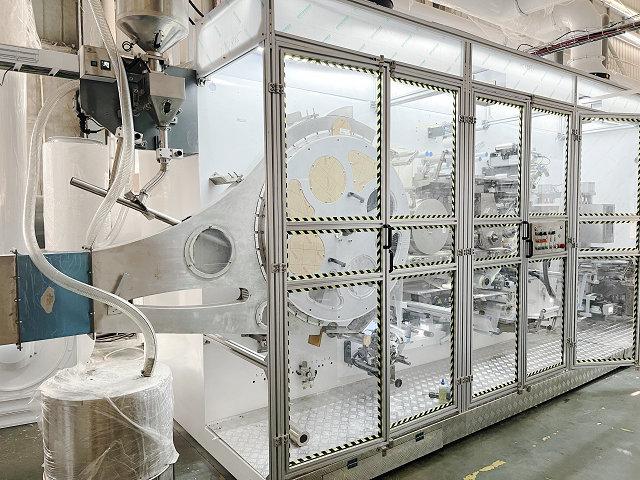
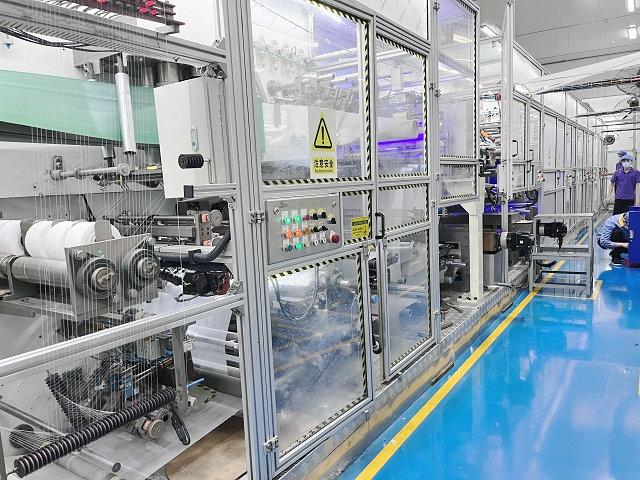
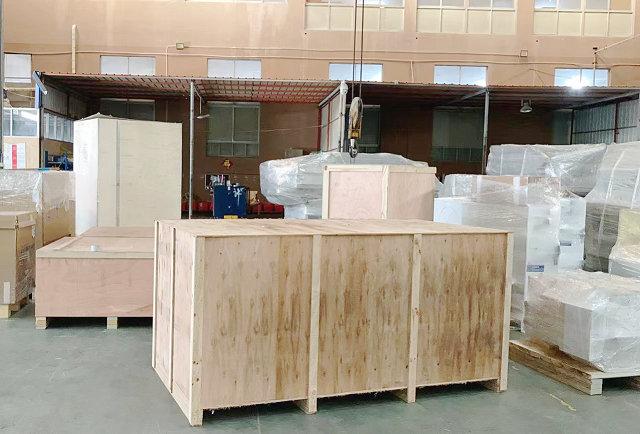
Essential product knowledge for a diaper production line manufacturer includes the diaper's material architecture, each converting step, equipment limits, quality characteristics, safety controls, change management, maintenance needs, and factory acceptance evidence. A credible manufacturer must translate the buyer's product drawing and bill of materials into modules, tooling, recipes, inspection points, utilities, documentation, and training. It should distinguish confirmed capability from options and trial-dependent assumptions, then preserve configuration records through engineering and build. Buyers should audit this knowledge through traceable drawings, component records, test methods, material trials, FAT results, open-item closure, and support documents rather than relying on broad experience claims.
Product Knowledge for a Diaper Production Line Manufacturer
Product knowledge begins with function. A baby diaper combines a skin-facing layer, absorbent system, barrier layer, fit and containment features, fastening components, and bonds into a specified open and folded geometry. The production line must handle approved materials and place, join, shape, inspect, reject, and discharge products without compromising those functions. A supplier should be able to explain which module creates each feature and which variables can disturb it.
Ask for a product-process map. It should connect critical product attributes to incoming materials, process stations, settings or references, inspection method, and corrective response. For example, component position can involve unwind condition, web guiding, phase, sensing, transfer, adhesive, and cutting; it is not owned by one station. HAINA can review this map during requirements engineering, allowing the buyer to challenge assumptions before they become built hardware.
A product-process map connects diaper features with the modules that create and control them.
The manufacturer should also understand production boundaries. Baby taped diapers, pull-on diapers, adult products, sanitary pads, and underpads are not interchangeable applications. Different sizes within one family can require format parts and separate recipes. Require a matrix showing the exact products, dimensions, materials, features, and downstream presentation included in the proposed configuration.
Translate Diaper Requirements Into Engineering
The buyer's input package should include product drawings, bill of materials, material data, supply forms, reference samples, acceptance tests, product matrix, packaging interface, utility context, site constraints, and applicable safety or company requirements. The manufacturer should log missing information and issue technical questions rather than quietly choosing a familiar design. Assumptions need owner, due date, impact, and closure evidence.
Requirements then become functional specifications for unwinds, core preparation and transfer, material paths, applicators, bonding, cutting, folding, inspection, rejection, control system, and discharge. Define adjustment ranges, format tooling, operator access, maintenance access, cleaning, dust or scrap handling, and changeover. Use interface documents for buyer-supplied adhesive systems, compressors, extraction, packaging machines, conveyors, or factory data connections.
Challenge ambiguous words such as automatic, flexible, stable, quick change, easy maintenance, and high quality. Replace each with observable scope. For flexibility, list products and conversion work. For automation, identify manual loading, splicing, sampling, waste handling, and packaging interfaces. For stable output, agree product, materials, operating condition, sampling, quality criteria, and duration. Specific evidence makes a supplier comparable.
Control Configuration Through Manufacture
Configuration control protects the relationship between the accepted proposal and the delivered line. Establish a baseline with layout, process flow, module list, interfaces, component schedule, electrical architecture, control scope, product matrix, and option list. Drawings should have revision, status, author, approval, and distribution. Superseded documents must not remain uncontrolled at assembly or purchasing points.
Changes should state reason, technical effect, affected documents, product risk, safety impact, delivery impact, verification, and buyer approval where contractually required. A different drive, sensor, adhesive device, material path, cutter, or software revision may require more than a procurement substitution. It can alter spares, performance, maintenance, training, and test evidence. Like-for-like claims should be supported by a technical comparison.
Audit object
Knowledge to demonstrate
Evidence to sample
Risk if missing
Product-process map
How each diaper feature is created and controlled
Drawing, process plan, control point
Design gaps discovered during trial
Configuration baseline
What exact modules and components are supplied
Approved layout, list, revision history
Contract and delivered machine diverge
Interface control
Who supplies, connects, and tests each boundary
Utility and packaging interface sheets
Site integration failure
Change governance
How substitutions and design changes are assessed
Change record with verification
Untested effect or spare mismatch
Final dossier
How documents reflect the as-built line
Drawing index and delivered manuals
Factory cannot operate or maintain reliably
Software and recipes belong in the baseline. Record controller, drive, operator-interface, and configurable device versions as appropriate. Protect access and maintain backups tied to machine identity and date. During FAT, demonstrate restoration or another agreed backup verification. A folder of files without version context is not sufficient support evidence.
Inspect Production and Component Evidence
A factory auditor should sample the path from approved engineering to fabricated and purchased parts. Check that work instructions and drawings at the workstation match the current revision. Review identification and protection of precision rollers, frames, guards, vacuum parts, cutters, electrical assemblies, cables, and format tooling. Observe how nonconforming components are marked, segregated, reviewed, reworked, and reinspected.
For purchased components, compare the approved schedule with receiving and installation records. Verify model, ratings, dimensions, connector or communication requirements, and required configuration. Sample critical or maintenance-relevant items rather than only visible brands. Confirm that the spare list uses the final installed identity, not a quotation-era placeholder. Protect electronics, elastomers, precision surfaces, and instruments under suitable storage and handling.
The auditor should trace installed components back to approved engineering and receiving records.
Manufacturing inspection should cover the characteristics that affect assembly, motion, web handling, process alignment, and safety. The exact methods depend on design. Review measurement equipment status, inspector competence, acceptance references, and disposition of failed results. A signed checklist has limited value if it does not identify the drawing revision, measurement, instrument, location, and person.
Assembly records should capture alignment, level or geometry where required, fastener control, utility connections, lubrication, cleanliness, cable and hose routing, guards, labels, and inaccessible hold points before closure. Photographing every step is unnecessary; select evidence that proves critical work or allows later maintenance. The auditor should compare a sample of records with the physical machine.
Connect Testing to FAT Acceptance
Testing should progress from component and module checks to integrated dry functions, controlled material operation, and product acceptance. Define preconditions for each stage. Mechanical movement without material can confirm direction and basic interlocks but cannot prove web handling, bonding, core quality, cut performance, detection, or stable output. Product samples without test context cannot prove the configuration or operating state.
The FAT protocol should identify machine and software versions, materials and lots, product format, utilities, setup responsibility, test sequence, stable-condition definition, sampling, product criteria, event recording, challenge tests, changeover evidence, documents, training demonstrations, and open-item rules. Distinguish design speed, configured range, observed operating speed, stable working condition, and contractual acceptance value. Do not let a brief maximum-speed display replace the agreed test.
FAT should connect machine state, approved materials, sampled products, and recorded events.
Include abnormal and recovery scenarios relevant to the contract: material splice, controlled stop and restart, sensor challenge, reject action, alarm handling, recipe retrieval, and power or utility recovery where safely agreed. Record setup waste and nonconforming output distinctly. Product tests should use controlled methods and calibrated or verified equipment under the buyer's plan.
Open items need classification. A cosmetic issue, missing final document, unresolved safety function, failed product attribute, and untested option do not carry equal consequence. Assign owner, due date, closure evidence, witness need, and shipment effect. Close by objective evidence rather than a promise in meeting minutes.
Verify Maintenance and Support Knowledge
A manufacturer should explain safe access, cleaning, lubrication, inspections, wear points, calibration or verification needs, spare logic, fault diagnosis, backups, and return-to-service. Ask technicians to demonstrate a representative task from isolation through accepted restart. Review whether manuals identify the actual component and whether instructions distinguish operator care from work requiring maintenance or controls competence.
The final document package may include operation and maintenance manuals, layout, process diagrams, electrical and pneumatic information appropriate to scope, component lists, lubrication information, spare recommendations, format-part records, backups, alarm guidance, test records, and training materials. Define language, format, revision, delivery timing, and as-built status in the contract. Documents delivered after site problems cannot support commissioning.
Training should be task-based. Operators need startup, setup, material handling, normal adjustment, quality response, controlled stops, and handover. Maintenance staff need isolation, mechanical and electrical care within role, diagnostics, backups, calibration interfaces, and restart. Quality staff need sampling points, defect response, challenge tests, and release. Compare baby diaper manufacturing equipment suppliers by demonstrated competence transfer, not by the number of training slides.
Use a Risk-Based Factory Audit
Prepare the audit from product and project risks. Select samples across requirements, engineering, purchasing, fabrication, assembly, controls, inspection, nonconformance, testing, documentation, and support. Trace a few critical requirements end to end. Also trace one changed component and one failed inspection to see whether governance works under pressure.
Interview people doing the work and ask them to show current evidence. Avoid scoring only the presence of procedures. A robust process should connect the correct document, competent person, physical machine, record, and disposition. Note whether findings are isolated or systemic, and relate them to buyer acceptance risk. Require corrective action with root cause, affected scope, evidence, and effectiveness check.
A risk-based audit samples the as-built line against traceable requirements and records.
Finish with a readiness decision rather than a generic supplier rating. Identify what is confirmed, what remains conditional, what must close before FAT, and what must close before shipment. Assign buyer and supplier owners. Keep commercial preference separate from factual finding so unresolved technical risk remains visible.
Frequently Asked Questions
What product knowledge should a line manufacturer demonstrate first?
It should explain the diaper architecture, material functions, process sequence, critical attributes, configured product range, and how equipment modules create and control each feature. Ask for a product-process map with verification evidence.
How can a buyer verify claimed machine flexibility?
Issue a product matrix listing dimensions, materials, features, format parts, adjustment ranges, recipes, changeover tasks, and packaging interfaces. Require drawings and trials for high-risk variants and record exclusions explicitly.
Is a component brand list enough for a factory audit?
No. Verify exact models and ratings, approved changes, receiving identity, installation, configuration, spare mapping, documentation, and integrated test results. Brand familiarity does not prove correct application.
What is the strongest FAT evidence?
A controlled record linking the as-built configuration, software, materials, product format, utilities, operating condition, events, samples, test methods, results, deviations, and buyer-supplier approvals provides the strongest traceability.
Conclusion
Essential knowledge for a diaper production line manufacturer must appear in traceable engineering, controlled production, meaningful testing, maintainable documentation, and competent support. The factory auditor should now select three critical diaper requirements and trace each from the buyer drawing through as-built hardware to FAT evidence. Review gaps with HAINA, then require objective closure of configuration, product-test, and support findings before the line is accepted for shipment.