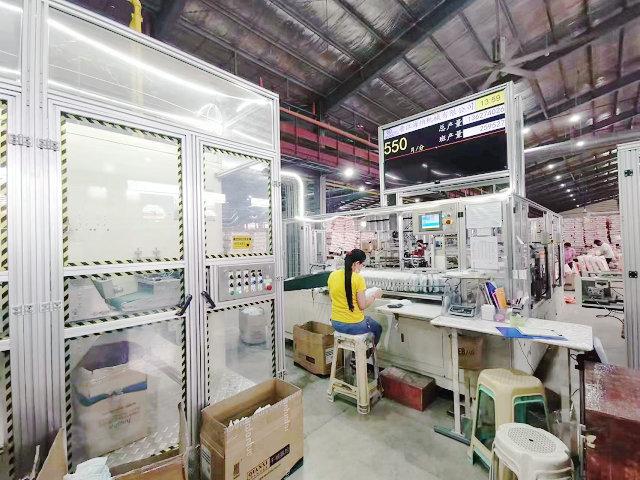
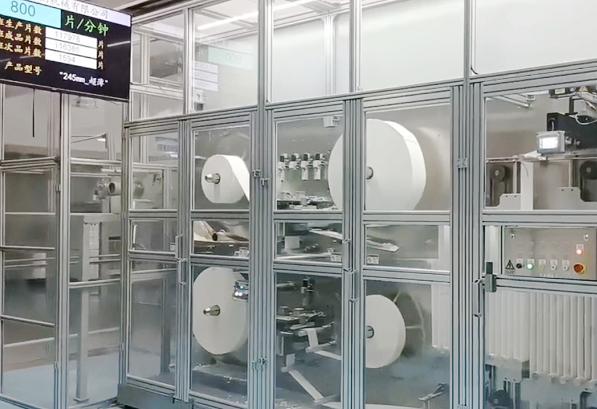
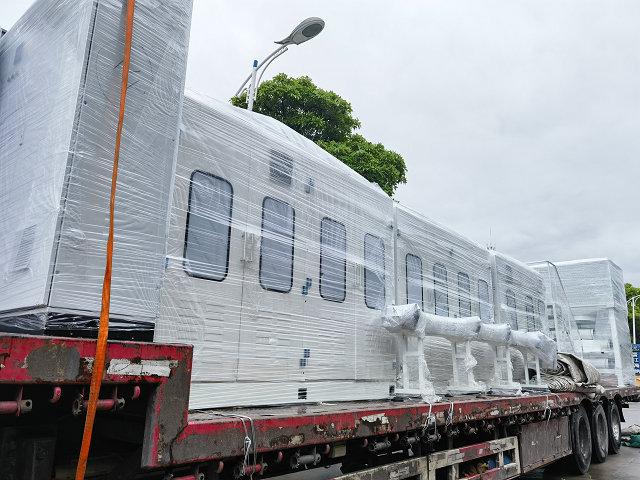
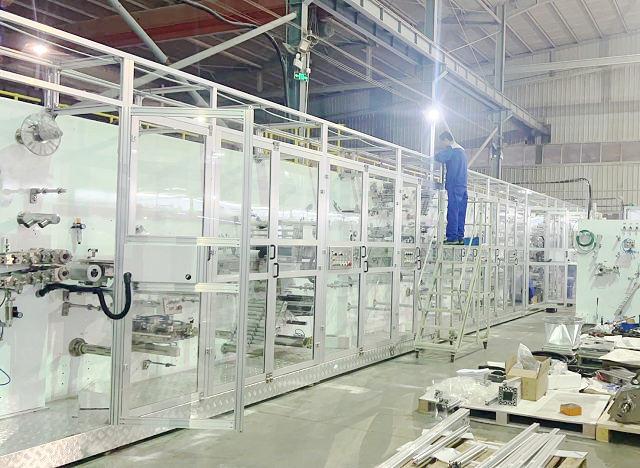
A maintenance guide for diaper machine manufacturers should show buyers how equipment condition is engineered, documented, tested, transferred, and supported, not merely list lubrication and cleaning tasks. A factory auditor should verify design reviews for access and isolation, controlled assembly and inspection records, identified components and software, FAT baselines, task-specific manuals, wear limits, spare-parts logic, training evidence, and formal change control. The manufacturer should also demonstrate how field symptoms are captured, escalated, corrected, and fed back into documents. Reliable lifecycle support exists when every maintenance claim can be traced to an approved instruction, responsible role, machine identity, test result, and revision.
Audit maintenance during engineering
Maintainability begins in design review. The manufacturer should identify routine cleaning, inspection, adjustment, lubrication where applicable, wear-part replacement, fault diagnosis, software backup, and major-component access before drawings are released. Review whether guards, platforms, access panels, isolation points, lifting provisions, alignment references, drains, extraction, and service space support those tasks without creating avoidable hazards or product contamination risks.
Ask for evidence that maintenance requirements were reviewed against the actual configuration. A base model checklist may miss selected applicators, inspection devices, adhesive systems, packaging interfaces, or buyer-specific materials. The design record should identify task location, required access, stored energy, tools, skill level, expected evidence, and any special buyer facility needed. Open actions require owners and closure proof.
Component selection affects the support model. Audit how engineering records manufacturer reference, supplier reference, rating, version, approved substitute, environmental requirement, and critical settings for motors, drives, controllers, sensors, bearings, belts, valves, cutters, inspection devices, and other maintainable items. Common component families can simplify spares, but only when interchangeability is technically verified.
Risk review should cover credible failure effects on safety, product quality, traceability, and production. The supplier need not disclose proprietary design calculations to show that risks are controlled. Useful evidence includes design-review minutes, action logs, access studies, isolation diagrams, component schedules, maintenance input to layout decisions, and a traceable link from identified risk to instruction or hardware.
Maintainability evidence begins with access, isolation, component identity, and task requirements in the configured design.
Production and inspection records for a diaper machine
Manufacturing records should establish what was built. Start with the approved bill of equipment and drawings, then trace major assemblies, purchased components, fabricated parts, and selected options into production. Review how serial numbers, equipment tags, panel references, cable or device identifiers, and software versions are assigned. The final records should correspond to the buyer's machine rather than an idealized standard line.
Inspect assembly and verification plans. Critical alignments, fastener controls where specified, clearances, guarding, wiring checks, sensor installation, fluid or air connections, rotating assemblies, cutter setup, drive configuration, and safety functions should have defined checks appropriate to their risk. The auditor should sample completed records and compare them physically with the line. Blank forms or generic quality claims are not evidence of execution.
Nonconformity control reveals production discipline. Select examples and trace issue description, containment, disposition authority, repair or rework instruction, reinspection, affected documents, and closure. Determine whether deviations are visible to the customer when they affect agreed requirements. Repeated issues should feed corrective action or engineering review rather than being closed independently without trend analysis.
Calibration or verification status matters for instruments used to accept machine geometry, safety functions, or FAT product results. Review equipment identity, status, suitability, and record linkage. If the supplier uses a fixture, reference sample, or internal verification method rather than a calibrated measurement device, ask how its fitness and traceability are established for the intended decision.
Verify the FAT maintenance baseline
FAT is not only an output demonstration. It creates a baseline of accepted mechanical condition, control versions, recipe references, alarms, inspection functions, materials, samples, documents, and open issues. Maintenance will later compare field condition with this baseline. The FAT protocol should therefore identify the configured equipment, test materials, product, run conditions, inspection methods, interruption rules, and data to retain.
Witness safe startup and stopping, access-device behavior, agreed alarm or interlock tests, inspection and reject operation, normal adjustments, representative change work, and recovery after an intervention. Review vibration, heat, noise, tracking, leakage, debris, unusual wear, or recurring minor stops through observation without inventing universal limits. Any acceptance limit must come from an agreed technical source or protocol.
Capture settings and versions after successful testing. Preserve controller and interface software references, drive configurations, recipes, inspection thresholds, parameter backups, component lists, and marked-up drawings as permitted by the contract. Define who owns each backup, where controlled copies are stored, how restoration is authorized, and how later changes are recorded.
Audit area
Evidence sample
Physical verification
Risk signal
Maintainability design
Review minutes, access and isolation actions
Reach and safely isolate sampled service points
Tasks appear only after equipment completion
Build identity
Bill of equipment, serial and component records
Trace selected tags to drawings and parts data
Documents describe a different configuration
Production control
Inspection plan, completed checks, deviations
Compare recorded condition with the line
Only unsigned blank templates are available
FAT baseline
Protocol, alarms, settings, samples, open list
Witness maintenance-related tests and recovery
Only speed and attractive product are recorded
Field feedback
Ticket, diagnosis, corrective action, revision
Trace one issue into current support documents
Support history is informal and not reusable
FAT should preserve the accepted condition needed for later diagnosis, maintenance, and controlled recovery.
Review task-level maintenance documentation
A useful maintenance manual tells a trained person what condition to verify and how to leave the equipment ready for safe production. Sample tasks across daily care, planned inspection, wear-part replacement, alignment, sensor service, cutter care, adhesive-system maintenance, drive or control backup, and extended shutdown. Check that each instruction names the machine area, prerequisites, isolation, tools, consumables, part identity, steps, acceptance condition, records, and restart verification.
Intervals should have a source. They may be supplier recommendations, component-maker requirements, operating-hour triggers, production-cycle triggers, calendar intervals, or condition-based decisions. The manufacturer should explain which variables can justify adjustment after operating history develops. A phrase such as inspect regularly is incomplete unless the factory knows what to inspect, what acceptable looks like, and what action follows.
Wear limits and condition criteria deserve particular scrutiny. For cutters, belts, bearings, guides, seals, filters, sensors, adhesive components, and other items, the instruction should state measurable or observable replacement criteria where technically available. If judgment is required, use clear defect examples, reference images, samples, or escalation points. Do not invent one universal replacement interval for all products and factories.
Document control must reach the user. Review document numbers, revisions, approval, language, distribution, superseded-copy removal, and the treatment of buyer modifications. Illustrations should match the installed line and device references. Cross-links among drawings, parts lists, alarm messages, and task instructions should use consistent identifiers.
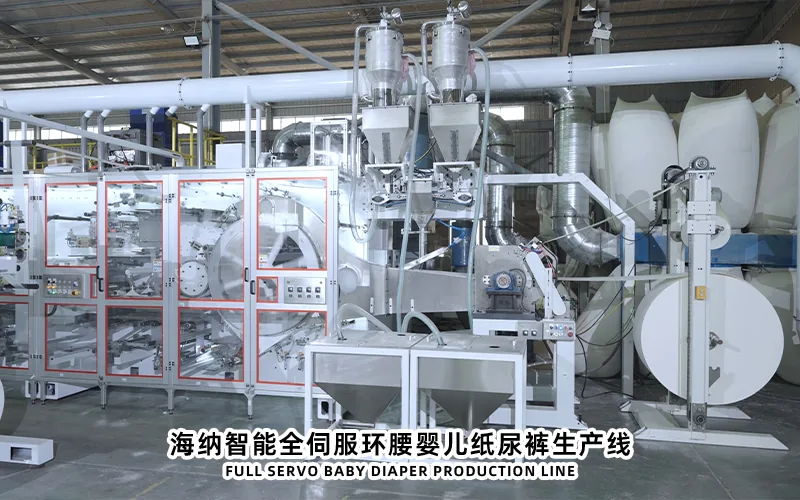
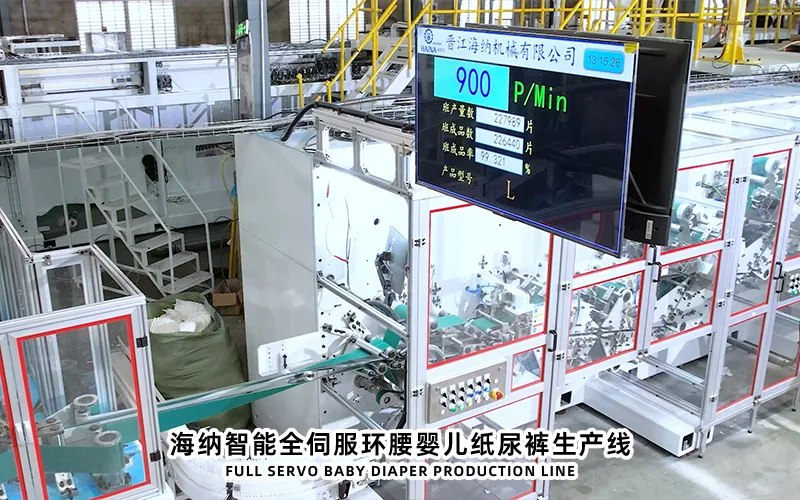
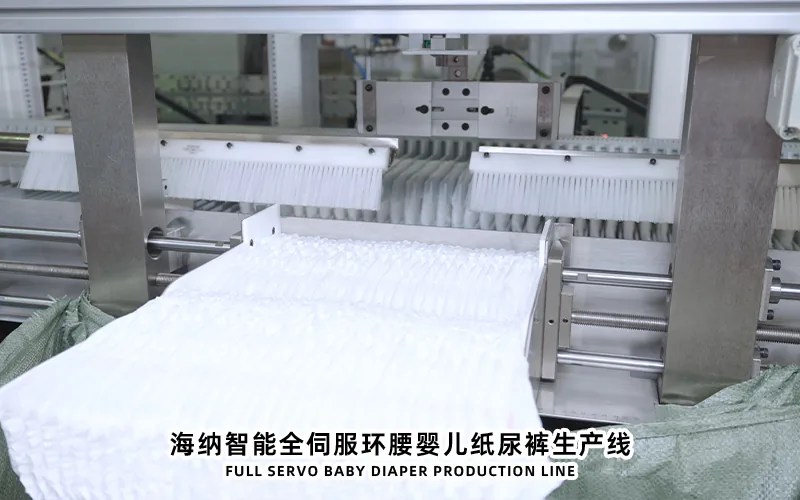
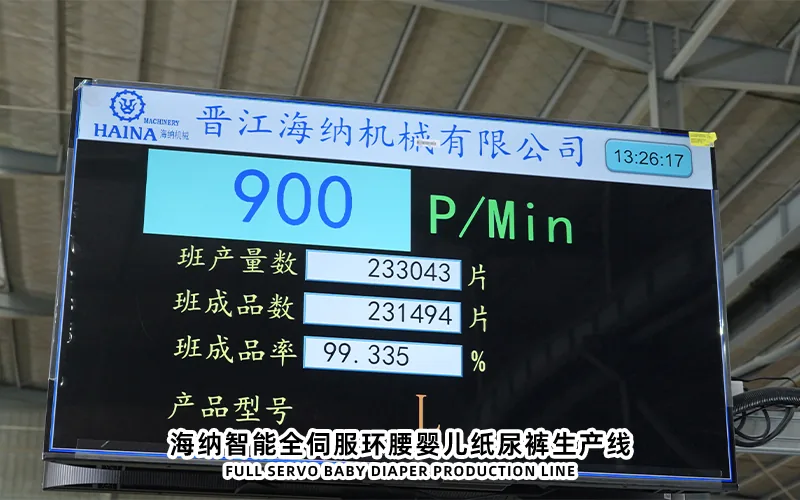
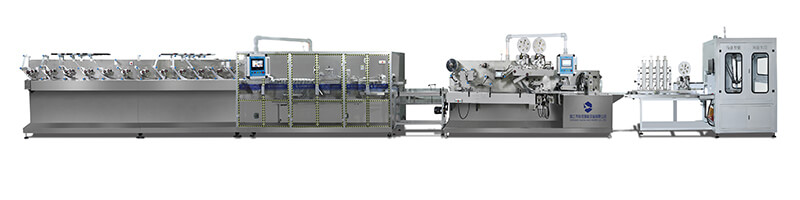
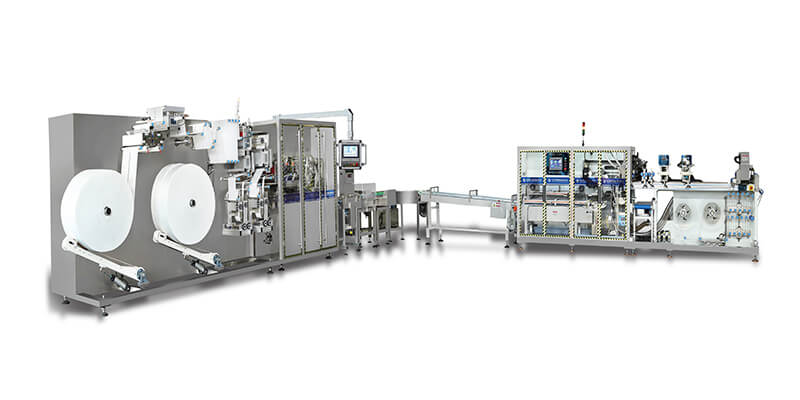
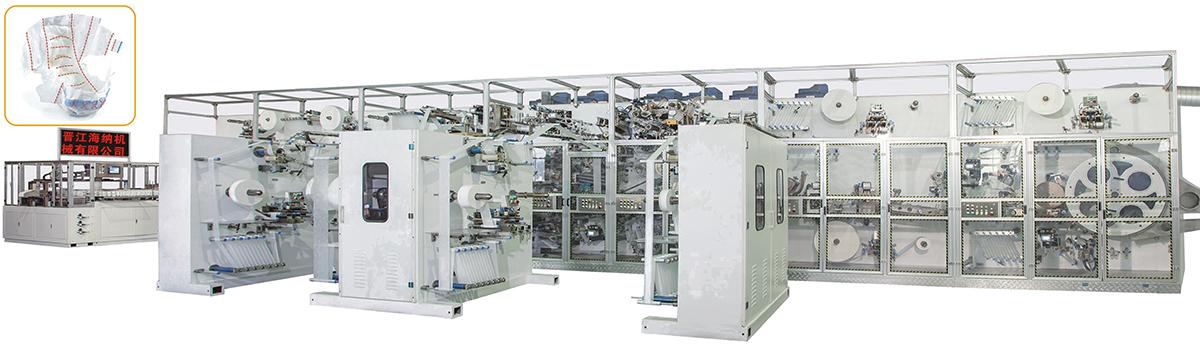
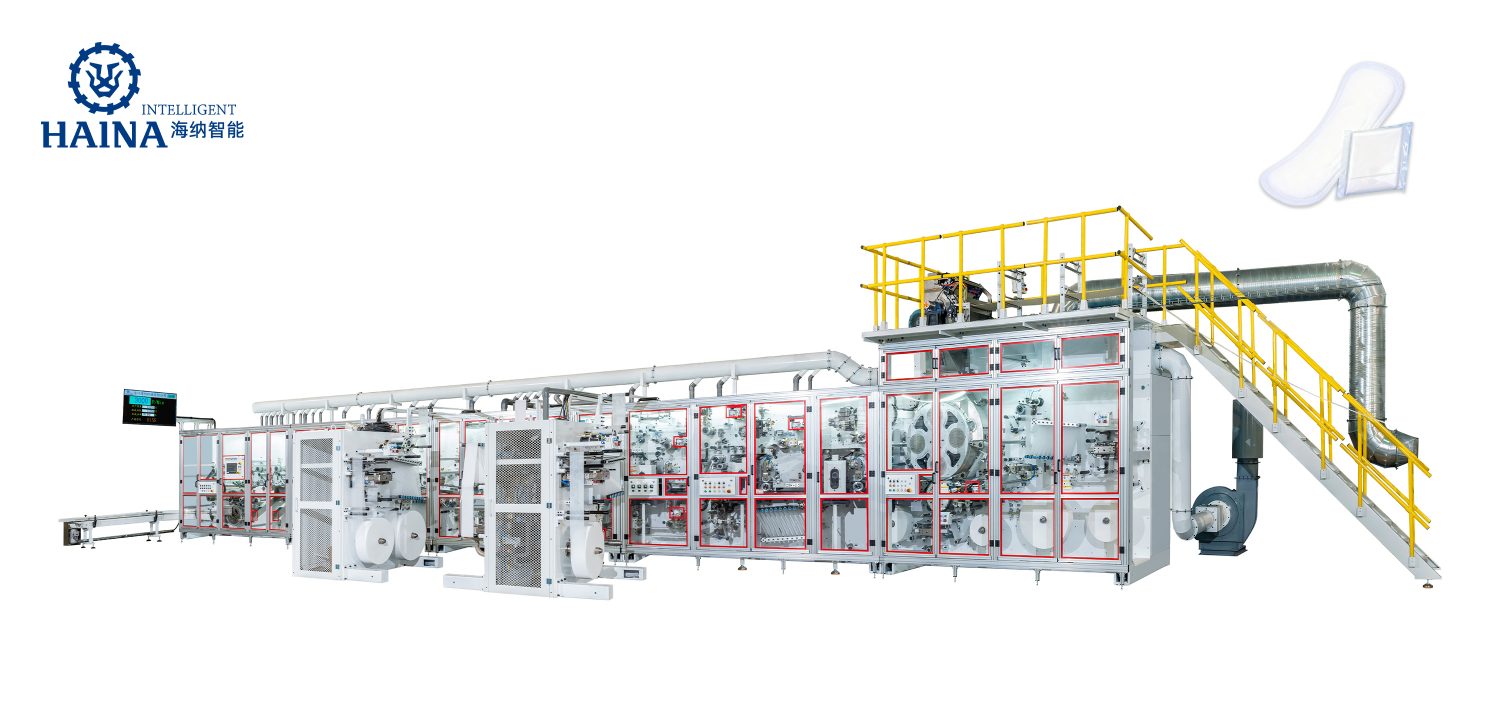
The automatic baby diaper manufacturing machine category provides the relevant product context, while a maintenance audit must follow the purchased configuration. HAINA can review buyer document requirements and FAT deliverables during engineering. The auditor should then sample actual released documents against physical stations rather than accepting a document index alone.
Control parts, drawings, and software
A parts list should identify location, machine tag, description, supplier and manufacturer references where available, quantity installed, related drawing, approved alternative status, and storage considerations. Distinguish consumables, normal wear items, startup spares, critical spares, and general replacement parts. Recommended stock should be justified by failure consequence, probability, lead-time exposure, interchangeability, and the buyer's operating context.
Test part identification through a practical sample. Choose items from mechanical, electrical, pneumatic, inspection, cutting, and control areas. Ask a technician to find the part in the list, locate it on the machine, retrieve the replacement instruction, identify necessary settings or alignment, and describe restart checks. Record gaps rather than accepting verbal knowledge as the permanent support system.
Software control should include program identity, authorized access, backup and restore, recipe versions, parameter records, license dependencies, external connection rules, and replacement-hardware compatibility. Audit one backup and restoration procedure without disrupting the production-ready baseline. Confirm that unapproved changes are prevented or detected and that a rollback route exists before any update.
Engineering change control must connect hardware, software, documents, spares, training, and validation. A revised sensor, cutter, drive, control program, applicator, or material path can affect more than one file. Review one completed change from request and risk assessment through approval, implementation, updated drawings and parts, testing, customer communication where required, and release.
Parts and software governance must allow a technician to move from machine identity to the correct instruction and verification.
Assess training and field support
Training should be built around tasks and roles. Operators need controlled startup, normal observation, material events, first-piece and restart release, changeover, cleaning, and escalation. Maintenance personnel need isolation, inspection, replacement, alignment, diagnostics, backup, restoration, and controlled recovery. Quality staff need sampling, defect classification, measurement, hold, and release. Supervisors need shift records, authorization limits, and recurrence review.
Audit training objectives, materials, instructor competence, supervised practice, assessment, participant results, and retraining triggers. Attendance alone does not prove ability. Select a critical task and ask how competence is demonstrated. The method should be appropriate to risk and may include observation, questions, sample interpretation, or a supervised practical task.
Field support needs an auditable workflow. Check how requests are received, classified, acknowledged, assigned, escalated, and closed; what configuration and evidence the customer must provide; how remote access is authorized; how parts are identified and shipped; and how repeated failures reach engineering. Do not assume response times, travel obligations, or cost coverage unless they appear in the binding agreement.
Review one anonymized or internal support example if available without requiring customer-identifying facts. Trace symptom, safety containment, evidence, diagnosis, corrective action, part or software change, product verification, closure, and lessons returned to instructions or design. The goal is to verify process capability, not to collect marketing case studies.
Run a supplier evidence audit
Factory auditor sampling sequence
Select one configured station with mechanical, electrical, software, and product-quality dependencies.
Trace its requirement into approved drawings, component records, assembly checks, and open deviations.
Inspect physical identity, service access, isolation, settings, and correspondence with documents.
Witness or review its FAT function, alarm response, product effect, and controlled restart evidence.
Locate the maintenance task, parts, wear criteria, tools, records, and training objective.
Simulate a field support request using machine identity, symptom, evidence, and escalation contacts.
Trace a hypothetical engineering change into every affected document and verification activity.
Sample vertically rather than reviewing isolated binders. One trace from buyer requirement through design, build, FAT, manual, parts, training, support, and change control reveals whether the manufacturer's systems connect. Repeat the trace for a high-wear mechanical function, a control function, an inspection function, and a buyer-specific option.
Classify findings by risk to safety, product, traceability, uptime, and lifecycle ownership. Record objective evidence, affected configuration, responsible function, due date, and required closure. A corrected document may close a wording gap; a missing maintenance access provision may require physical change and retest. Verify closure at the level of the original risk.
A vertical audit follows one station from requirement and build evidence through FAT, maintenance, training, and support.
Frequently Asked Questions
Should a factory auditor write the maintenance plan for the supplier?
No. The auditor should define required evidence, sample the manufacturer's controls, identify gaps, and verify closure. The manufacturer remains responsible for its technical documentation.
Is a complete manual index enough for acceptance?
No. Sample actual tasks and trace their machine identity, isolation, tools, parts, criteria, records, and restart proof against the physical equipment.
How can maintenance support be tested before delivery?
Run a tabletop request using a selected component, realistic symptom, configuration data, evidence package, escalation route, parts identification, and closure verification.
Why audit software with mechanical maintenance?
Recipes, drive settings, inspection thresholds, alarms, backups, and replacement hardware affect recovery. Uncontrolled software can invalidate an otherwise correct mechanical repair.
Conclusion
A strong maintenance guide for diaper machine manufacturers is supported by connected engineering, production, FAT, document, parts, training, change, and field-support controls. A factory auditor should not score polished manuals in isolation. Select risk-relevant stations and trace objective evidence across the lifecycle. Before approving the supplier, ask HAINA to provide the configuration-specific document register and maintenance baseline, then physically verify sampled tasks, parts, software records, access, training evidence, and FAT recovery. Close every finding against its original safety, product, traceability, or uptime risk before accepting the diaper machine support system.