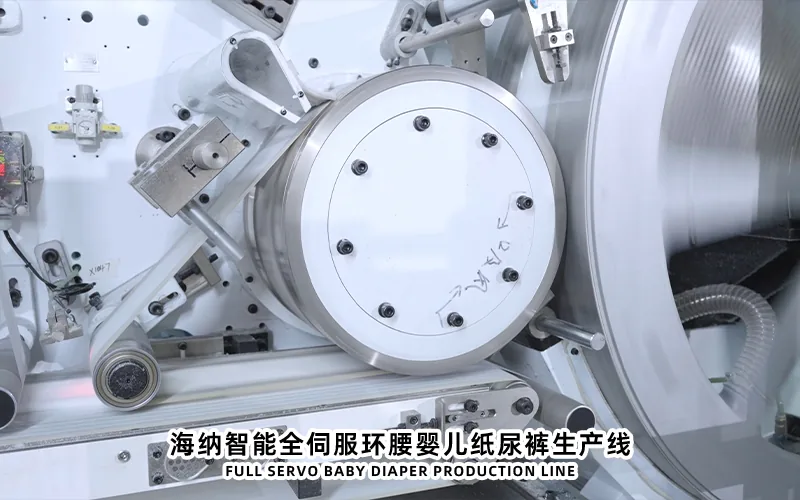
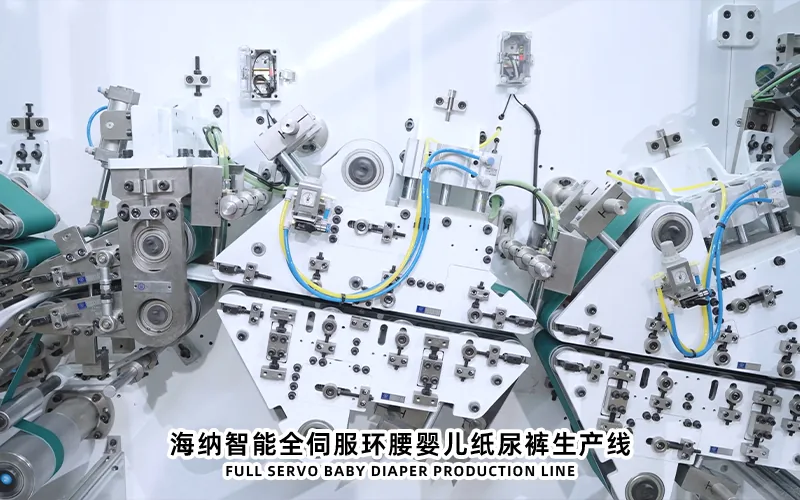
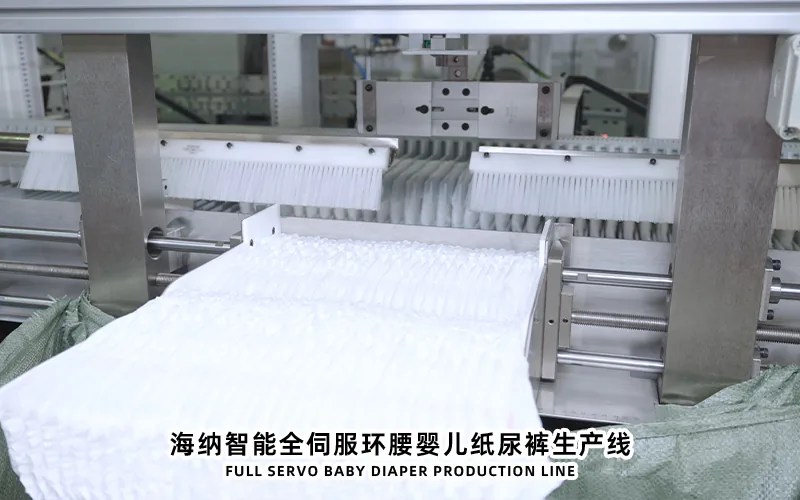
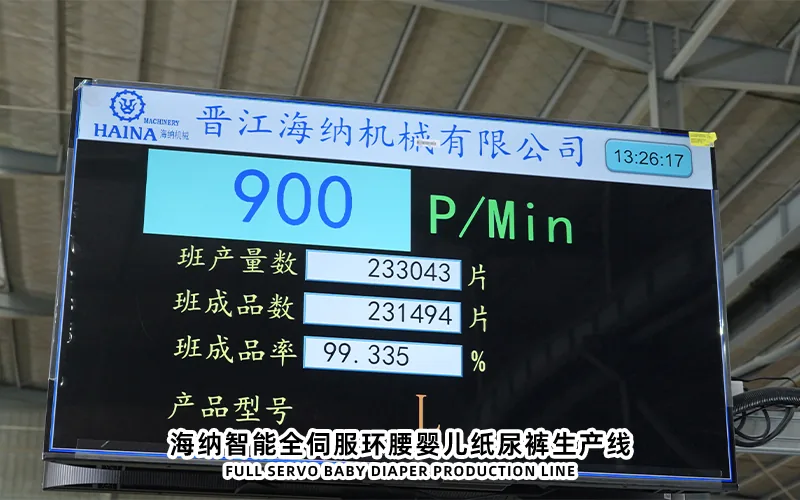
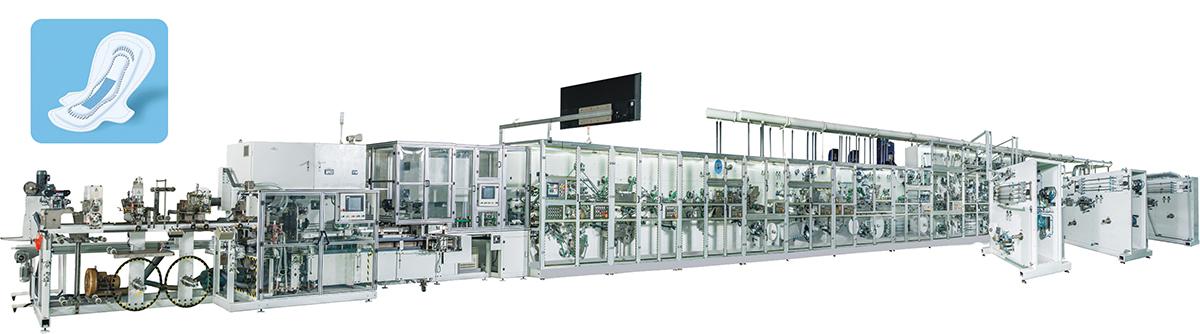
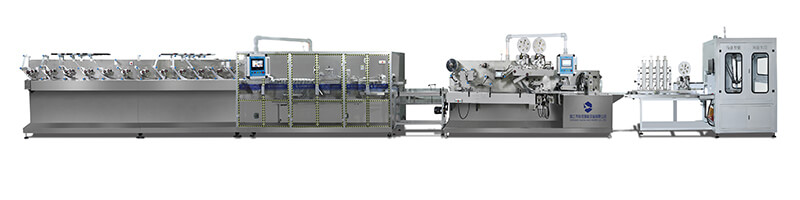
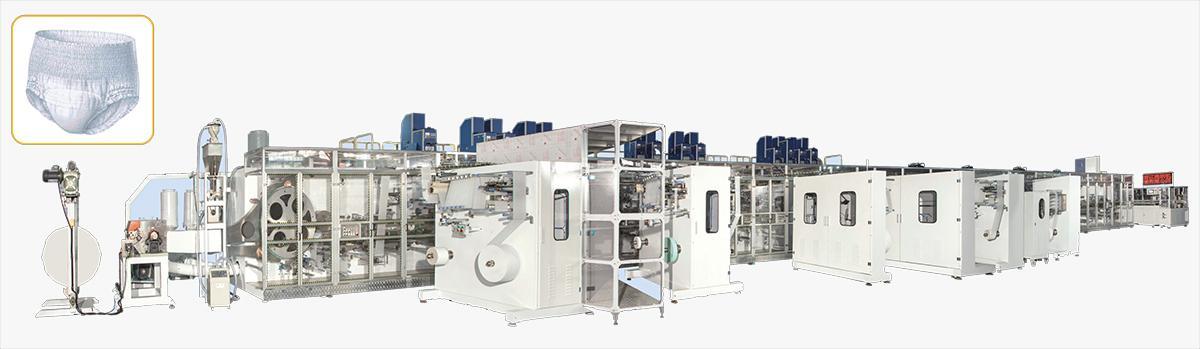
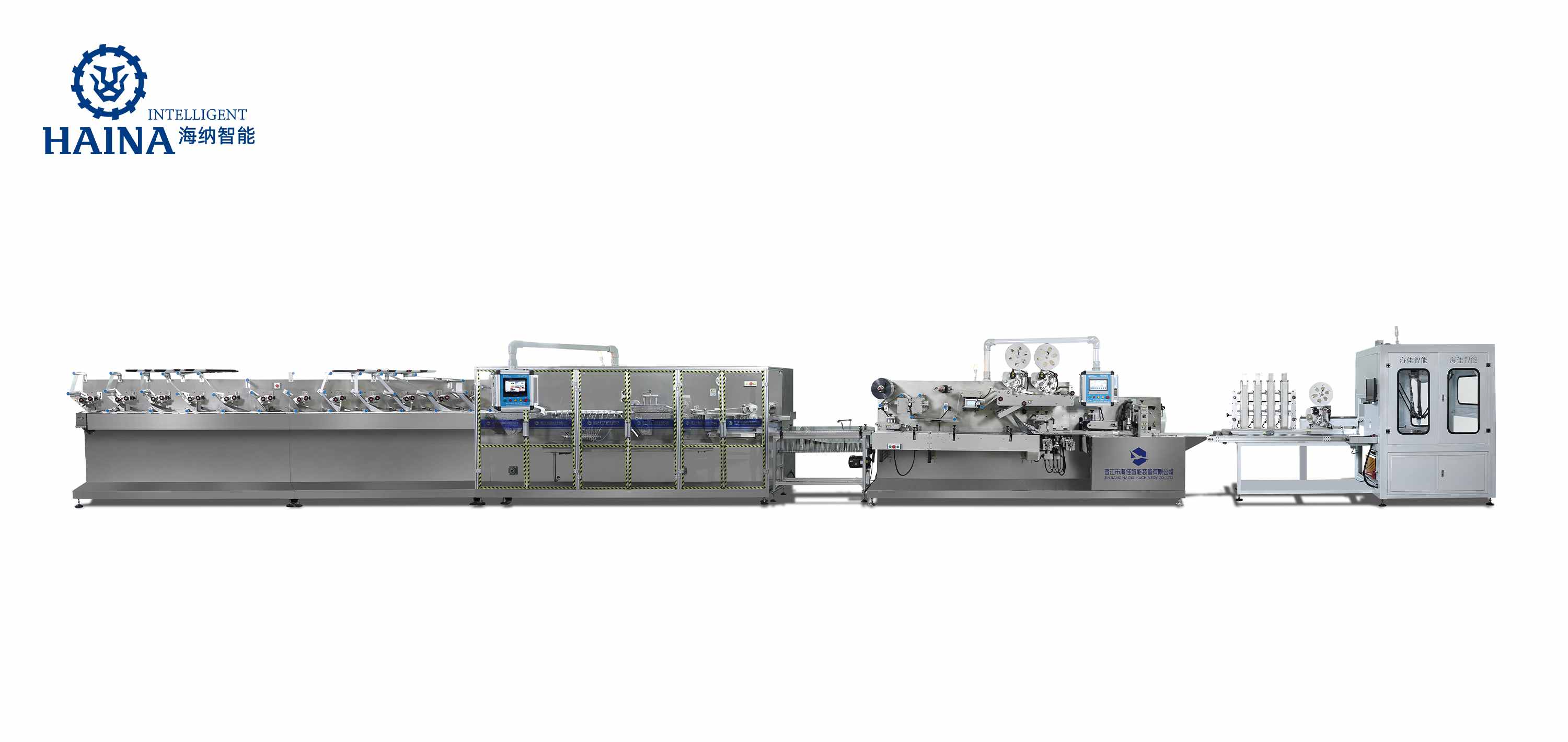
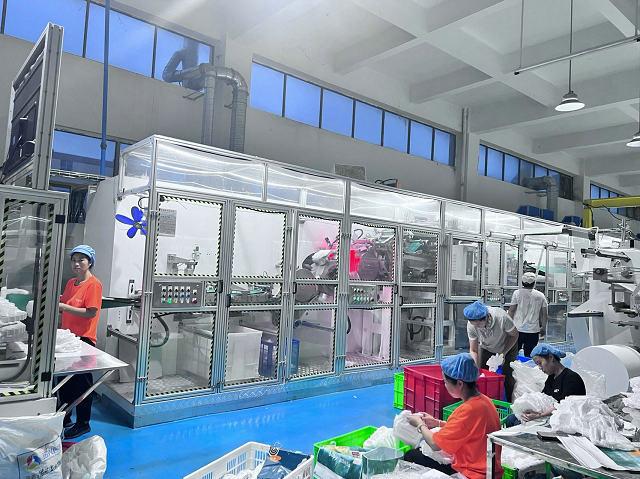
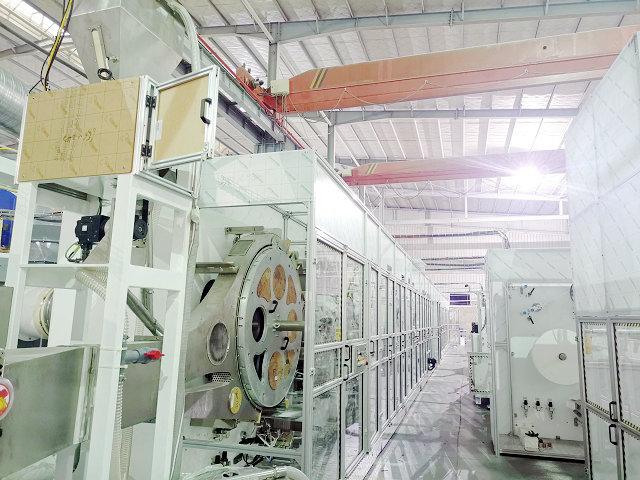
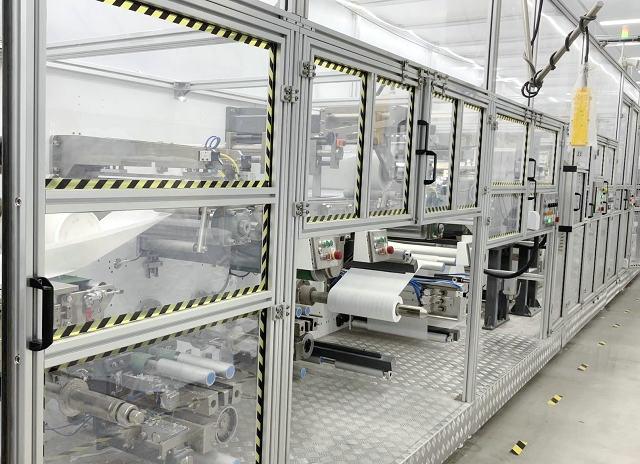
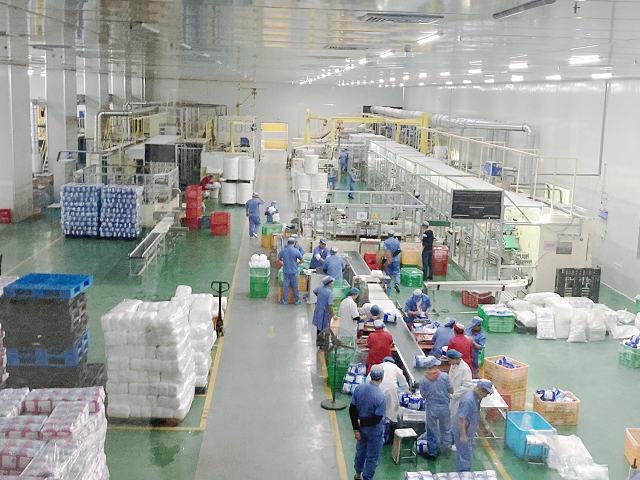
Maintenance is important to a baby diaper making production line because equipment condition directly affects safety, conforming output, material use, predictable scheduling, and the ability to recover from faults. Web guides, vacuum paths, applicators, cutters, drives, sensors, and safety devices can deteriorate gradually before the line stops. Planned inspection and condition evidence reveal those changes while work can still be prepared. Effective maintenance is not maximum task frequency or routine part replacement. It is the controlled selection of work based on risk, duty, observed condition, product trends, and supplier information, followed by safe execution and first-off verification. This turns maintenance into production assurance rather than emergency repair.
Connect Maintenance to Business and Product Value
Maintenance protects safety by keeping guards, interlocks, stops, access systems, mechanical retention, electrical condition, and controlled motion functional. It protects product by preserving core formation, component placement, bonds, cuts, folds, detection, rejection, and counts. It protects production by reducing surprise work, preparing spares and labor, and creating a repeatable recovery process.
The value is not limited to preventing complete breakdowns. Small recurring stops, repeated setting corrections, long first-off approval, material wandering, unstable rejection, and growing quality variation consume capacity and attention. They may be tolerated because the line restarts, but their combined effect can be larger than a rare visible failure. Capture them in the same reliability review.
Maintenance also protects organizational knowledge. Asset records, controlled drawings, failure evidence, task methods, spare references, and competence checks make recovery less dependent on one technician's memory. When a product, material, or machine setting changes, the maintenance system provides a path to assess new wear, cleaning, access, or spare requirements.
Value boundary: do not promise a universal efficiency gain, waste reduction, lifespan, or payback. Establish the current loss, define the maintenance mechanism, implement a controlled action, and verify the result under comparable production conditions.
Find Quality and Condition Leading Signals
Leading signals appear before functional loss. Examples include increased registration adjustment, rising reject activity, more frequent cleaning, vacuum drift, higher drive load, unusual sound, local temperature change, vibration trend, adhesive buildup, belt dust, leakage, loose mounting, roller contamination, and quality movement toward a limit. The signal is useful only when its point, method, normal reference, and response are defined.
Leading indicators connect visible machine condition with quality trends before complete functional loss.
Use synchronized records. If component position drifts, compare material lot, roll state, recipe, operating condition, tension behavior, guide activity, roller condition, applicator mounting, and recent work. If cuts deteriorate, compare tool condition, buildup, support, timing, material stack, and product geometry. This prevents maintenance from changing the nearest component without understanding the process.
Operators are important observers because they see the line across each run. Give them a short list of safe external observations and clear escalation thresholds. Qualified maintenance personnel perform measurements, isolation, guarded-zone inspection, and technical work. Quality personnel identify the product characteristics and affected output. The three roles should share one event timeline.
Choose a Baby Diaper Making Production Line Strategy
Use a combination of task types. Operator care addresses authorized cleaning, visible condition, leakage, unusual sound, and basic reporting. Time or usage-based work suits predictable exposure where supplier guidance and site evidence support an interval. Condition-based work uses trends or inspections to plan intervention. Functional testing verifies protective, inspection, rejection, or standby behavior. Corrective work restores failed function and investigates cause.
Maintenance approach
Best use
Required evidence
Failure of the approach
Operator care
Frequent safe observation and defined cleaning
Simple standard, training, finding escalation
Tasks exceed authorization or findings vanish in shift notes
Time or usage based
Known exposure and supplier-supported routine work
Interval basis, completion, as-found condition
Automatic replacement without inspecting why wear changed
Condition based
Degradation visible through trend or inspection
Stable point, method, baseline, action criterion
Incomparable readings or no response when limits change
Functional test
Safety, alarm, inspection, reject, and backup functions
Approved challenge, expected result, product control
Testing only a device rather than the complete response path
Corrective analysis
Unexpected or recurring functional failure
Symptom, cause test, failed part, loaded verification
Repeated reset or replacement without root-cause evidence
Assign the approach by asset and failure mode. A blade may need usage and condition evidence; a sensor may need cleaning and functional challenge; a safety circuit needs an approved test; a recurring web problem needs cross-functional diagnosis. No single maintenance philosophy fits all items.
Choose maintenance methods by failure behavior, detectability, product effect, and safe access.
Buyers reviewing automatic baby diaper manufacturing equipment should ask for maintenance tasks and failure-response training aligned with the delivered configuration. A generic interval list does not establish access, condition criteria, special tools, spare compatibility, or release tests.
Improve Planned Work Readiness
Planned work creates value only when it is executable. Before the stop, verify scope, asset identity, safe isolation, parts, tools, drawings, labor, specialist support, access, lifting needs, cleanup, expected as-found inspection, and post-work test. Identify the affected product characteristics and quality representative. A work order titled only "service line" cannot be prepared or audited.
Detect: capture a defined condition or due task with product and safety context.
Prioritize: assess consequence, progression, interim controls, and access opportunity.
Plan: define method, parts, people, documents, machine state, and verification.
Schedule: coordinate materials, production closeout, isolation, quality, and downstream equipment.
Execute: record as-found condition, deviations, approved parts, and controlled changes.
Release: restore guards and functions, run representative output, and obtain authorization.
Learn: compare expected and actual condition, update task content, and check effectiveness later.
Ready work reduces the temptation to improvise. It also makes a production window more valuable because compatible tasks in the same isolated zone can be bundled. Do not overload the window: each job still needs as-found evidence, quality execution, and recovery. Defer lower-value work deliberately if adding it threatens critical verification.
Emergency work needs a disciplined version of the same logic. Protect people and product, preserve evidence, identify the failed function, stage the correct part and method, and define recovery. After production stabilizes, conduct a follow-up review so temporary decisions, damaged components, missing records, and recurrence actions are not forgotten.
Measure Maintenance without Distorting Behavior
Use a balanced set of measures. Planned-work readiness shows whether jobs can execute. Schedule completion shows whether agreed work occurred, but should not reward closing incomplete records. Condition findings show whether inspections discover actionable degradation. Repeat failures show whether corrections are effective. Small-stop and quality trends connect maintenance to production. Backlog risk shows exposure still open.
Avoid a single headline metric. High planned-work percentage can coexist with recurring failures if task content is poor. Low spare use can mean good reliability or unavailable parts. Many findings can mean a deteriorating line or an improving inspection process. Review the evidence and definitions before interpreting direction.
Maintenance value is visible when equipment condition, work quality, downtime, and conforming output are reviewed together.
Compare like conditions. A shift running a complex size with frequent planned changes should not be compared directly with a long campaign of one stable SKU without context. Segment events by product, material, operating state, and cause. Keep design speed separate from stable working speed and accepted conforming output.
Review measure-driven behavior. If teams delay reporting to protect a metric, the system loses evidence. If technicians replace parts early to avoid failures, cost and root-cause information can disappear. Measures should encourage early reporting, prepared work, correct diagnosis, and verified recovery. HAINA can support review of maintenance evidence during training and handover, while the factory defines its site measures and decision authority.
Build a Maintenance Value Case
Select one recurring loss and define it precisely. For example, use repeated stops linked to a named web guide, first-off rejection after a certain size change, or cut defects associated with a documented tool condition. Establish the baseline period, SKU and material context, event count method, product disposition, maintenance findings, and current response.
State the proposed mechanism and what evidence supports or conflicts with it.
Choose an action such as improved cleaning, condition point, alignment control, spare correction, or training.
Define safety and product acceptance before implementing the action.
Compare a later equivalent campaign using the same event and output definitions.
Check for transferred loss, such as fewer stops but more rejects or adjustment time.
Standardize only after effectiveness is demonstrated and no new risk is introduced.
A controlled before-and-after review demonstrates maintenance value without relying on broad promises.
This case creates a defensible improvement record. It can justify better access, planned production time, a condition tool, a spare, document revision, or targeted training. It also prevents large investment decisions based on an unverified assumption that every stop has the same cause.
Frequently Asked Questions
Why maintain a line that is still producing acceptable diapers?
Condition and quality trends can reveal degradation before failure or release risk. Planned action can be prepared and verified, while waiting for breakdown can increase damage, uncertainty, and suspect output.
Does more preventive maintenance always improve reliability?
No. Unnecessary intrusion can introduce errors and cost. Select tasks and intervals from failure behavior, supplier information, duty, environment, findings, and product consequence, then review effectiveness.
Which maintenance measure is most important?
No single measure is sufficient. Combine work readiness, condition findings, repeat failures, backlog risk, small stops, quality trends, and verified release while preserving production context.
How can a factory prove maintenance value?
Define one specific loss and mechanism, establish comparable baseline evidence, implement a controlled action, and verify later condition, downtime, quality, and product disposition using the same definitions.
Conclusion
The importance of maintenance is demonstrated through safer work, earlier condition control, more prepared intervention, stable product quality, and reliable recovery. On the baby diaper making production line, choose one recurring stop or quality trend and trace it through machine condition, task history, parts, settings, materials, and product records. Build a ready work package, execute it safely, release representative output, and compare a later equivalent campaign. Before changing the wider maintenance program or approving new equipment handover, the factory should verify that this evidence loop works and close gaps in asset identity, condition criteria, spares, training, or cross-functional responsibility.