Material rolls for an adult diaper machine should be described as conditioned only when an applicable material procedure defines the preparation purpose and there is evidence of what was actually done. Time in the production building records exposure, not completion of that procedure. For the identified paper-based material, film or laminate, connect its package and storage history to the supplier's instructions and the component function being assessed. Keep temperature preparation, moisture evidence and any separate condition concern distinct. The practical decision is what the known history and material findings support for the intended use, not whether an unspecified waiting period has made every roll acceptable.
Describe exposure as a history
Exposure describes contact with an environment over time. For a roll, that history may involve transport, temporary storage, damaged wrapping or time after opening. It does not necessarily describe the state of the material itself. A room record shows the surrounding conditions at its measurement location; it does not prove that every layer inside every roll reached the same condition.
Start with neutral descriptions. “Outer wrapping was torn on arrival” is an observation. “The roll absorbed enough moisture to fail” is a conclusion requiring suitable evidence. “The wrapping was intact” is also limited: it describes the visible package rather than establishing the complete internal history. Both favorable and unfavorable observations should keep their proper scope.
A concise history distinguishes known events from intervals without evidence. Identify the material and roll concerned, the relevant package condition and the source of any environmental record. If a journey segment is undocumented, retain that gap. Inventing a continuous benign history makes later technical review harder and can create unwarranted confidence in an arrival assessment.
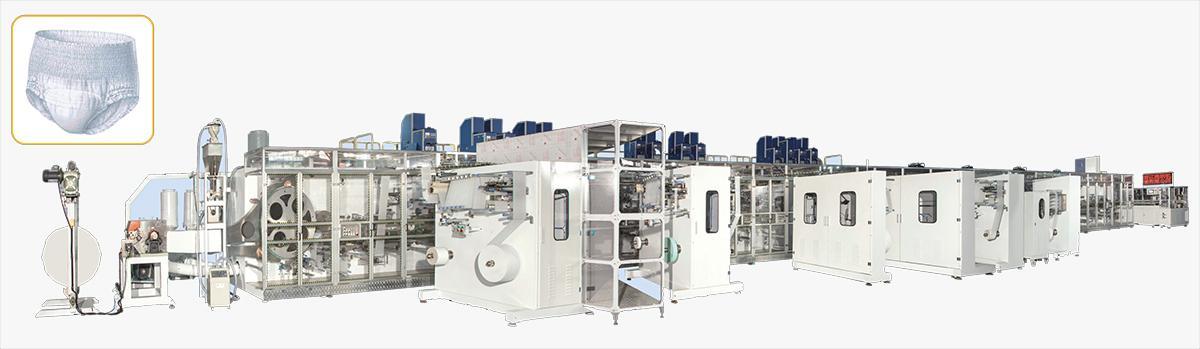
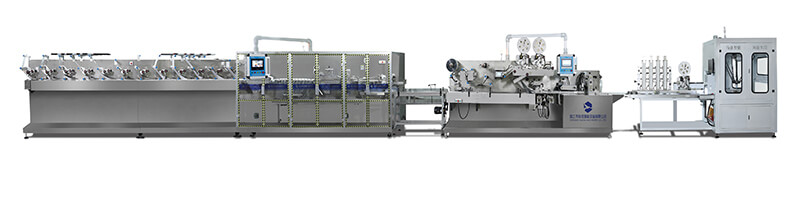
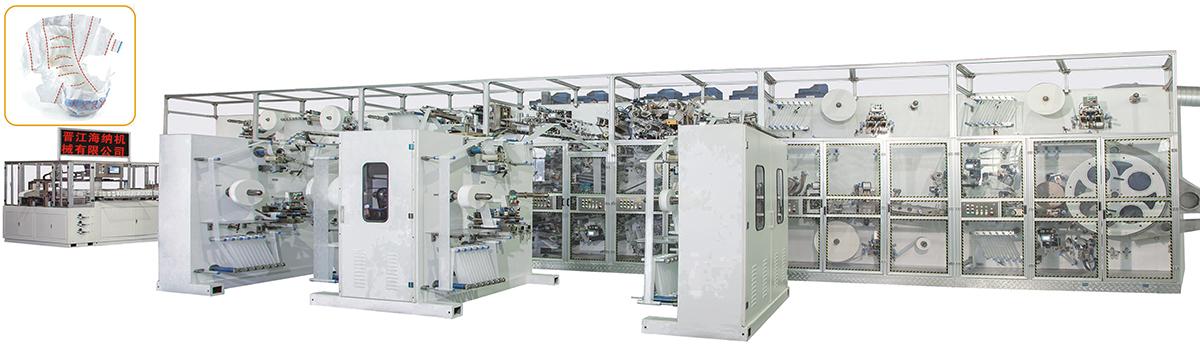
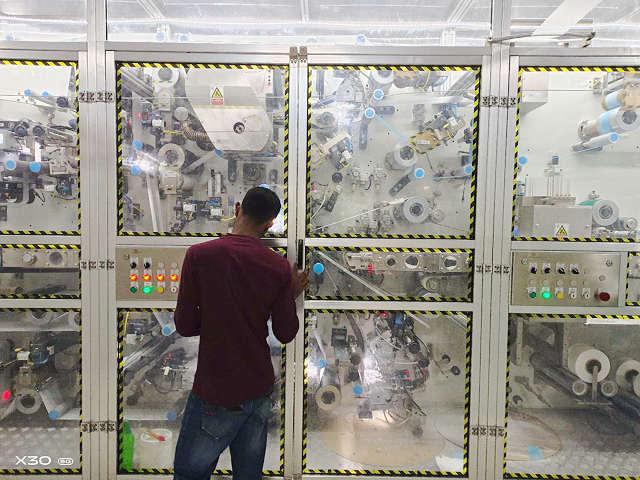
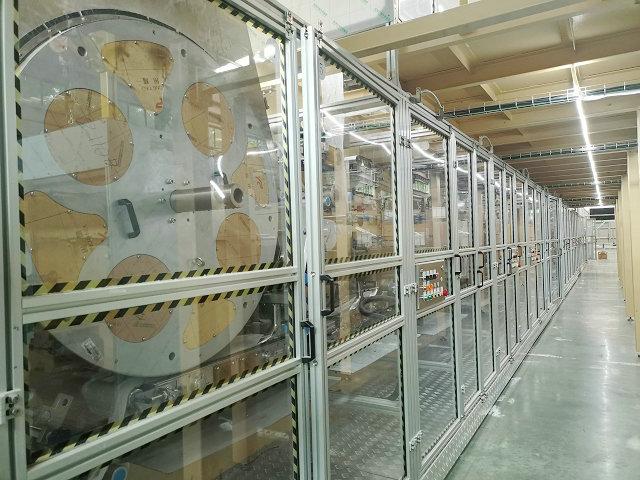
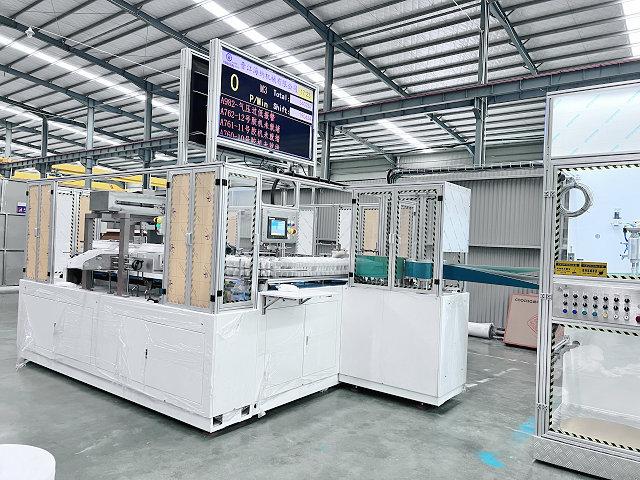
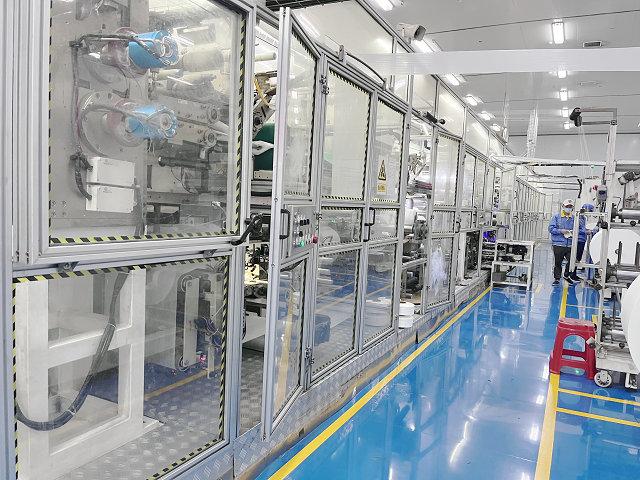
Roll preparation depends on material instructions, not on the equipment photograph.
Define conditioning by purpose
Conditioning is deliberate preparation under an applicable material procedure. Its purpose might be to establish a specified assessment state or to prepare material for an approved use. The supplier should explain which purpose applies, which materials are covered and how completion is determined. A general recommendation to store materials indoors does not automatically define such a procedure.
Conditioning for a laboratory specimen can differ from preparation of a commercial roll. A small specimen has different dimensions, packaging and exposed surfaces. A test method's preparation instruction should not be extended to a complete roll without the material supplier's confirmation. Likewise, a process preparation statement does not automatically establish how quality specimens should be assessed.
Ask whether the proposed preparation applies with the packaging intact, after an authorized opening step, or under another identified boundary. This is a document question for the responsible technical parties. The buyer should not infer opening, exposure duration or environmental values from an unrelated material or from a customary practice that nobody has validated for this supply.
A statement that the material has reached room temperature also answers a different question from a statement about its moisture condition. These states can be related to the environment without being interchangeable. If the supplier's purpose concerns temperature compatibility, describe that purpose accurately. Avoid renaming it moisture conditioning unless the applicable material procedure actually establishes that result.
Read the packaging boundary
Packaging separates the surrounding environment from the material to a degree determined by its construction and condition. Its protective role therefore belongs in the material history. Two rolls in the same warehouse may have different exposure histories because their wrapping, seals, previous opening and time since receipt differ. Room location alone cannot establish equivalence.
Original protection
Identify the packaging supplied and the protection it is intended to provide.
Observed condition
Describe visible damage or opening without assuming an internal result.
Later handling
Identify known changes to protection and any unrecorded interval.
Do not treat removal of packaging as a universal preparation step. For some materials, maintaining protection until the authorized point is important. Where instructions appear to conflict with receiving arrangements, resolve the conflict with the material supplier. A warehouse convenience should not silently become a new conditioning method.
Photographs can document an identified package condition, but they should include enough context to connect the image to the roll and event. An attractive photograph of an outer surface cannot establish moisture distribution, and a close-up of a torn cover does not show how long the material was exposed.
Distinguish material responses
An adult diaper construction can include multiple material families whose environmental responses differ. A moisture-sensitive paper-based material and a film should not inherit the same preparation assumption merely because both arrive as rolls. A laminate may combine layers with different behavior, making the supplier's construction-specific guidance particularly relevant.
The procurement inquiry should name the actual material, its functional face where relevant and the product role. Ask which characteristics are sensitive to the recorded history and which assessment can address the concern. Possible questions include dimensional consistency, surface behavior or suitability for the intended bond. These are areas for evaluation, not predictions that every exposed roll will show every problem.
Environmental exposure is also not the only possible explanation for a later conversion concern. Winding condition, material identity, mechanical presentation and process compatibility may produce similar observations. Preserving the history helps investigation, but a history entry alone should not become a root-cause verdict. The relevant material evidence must connect the event to the characteristic under review.
The outer layers and inner regions of a roll may not be equally represented by one accessible observation. This does not justify assuming that the interior is unsuitable. It means the assessment team should explain what portion of the roll its evidence represents. Material-specific knowledge is needed to decide whether that coverage is adequate for the question, rather than extending a surface result by convenience.
Keep observations in their proper role
Use this matrix for an identified material and its intended component function. Environment records describe surroundings; package observations describe protection; supplier instructions define preparation; material examinations address their represented specimens. Keep those roles separate while deciding the next evidence step. The entries are qualitative review questions, not a conditioning procedure or a release decision already made.
Evidence available
What it establishes
What remains unresolved
Bounded next step for the intended use
Transport or warehouse environment record
The recorded surroundings at the identified location and interval
Earlier uncovered intervals and the internal condition of the roll
Retain the known history and ask which material characteristic needs assessment; do not turn room humidity into a roll result.
Package and opening history
The observed protection and known changes for the identified roll
Duration or consequence of exposure where the record is incomplete
Identify the gap and the material supplier's applicable guidance without assuming either failure or harmlessness from appearance.
Supplier preparation instruction
The named material, purpose, packaging boundary and completion basis covered by the procedure
Whether it applies to the actual roll and use, rather than only a laboratory specimen
Resolve that scope before describing an informal waiting period as conditioning.
Record of preparation actually followed
What was done to the represented roll or specimen under the applicable instruction
A separate identity, contamination, damage or other concern outside the preparation's purpose
Keep the unresolved concern open; completion is not a universal restoration or use approval.
Material examination result
The finding for the represented specimen, region and method
Unexamined properties or roll portions relevant to the intended component
Ask the responsible technical reviewer whether the evidence covers the use in question; do not extend an outer observation automatically.
Material-use disposition
The authorized use or further action accepted on the stated evidence
A different material, condition or application not covered by that decision
Carry the material and scope references into the equipment compatibility discussion instead of assigning a general conditioned label.
A missing record is not automatically a material failure, and an available record is not automatically a release. The responsible team needs to decide whether the evidence is adequate for the intended use. Keeping each source's scope visible makes that decision more defensible than adding a general “dry” or “conditioned” label.
Material findings should remain connected to the particular rolls and construction.
Compare unlike arrival histories
Consider an illustrative delivery containing two rolls of the same material grade. One has an intact package and a documented transport history. The other has an opened cover and an unexplained storage interval. The common grade name does not make their histories equal. It also does not prove that their present material properties differ. The proper response is a bounded review of the evidence for each condition.
If a supplier proposes the same preparation for both, ask why that procedure is suitable for the known histories and what question it resolves. A procedure that establishes a testing state may not address contamination, package damage or every possible prior material change. Conditioning should not be treated as a general reset that removes all consequences of an uncertain journey.
Keep comparable and noncomparable observations distinct. If only the outer material was examined, do not describe the result as a complete internal assessment. If only one identified roll was represented, do not silently extend its result to the whole shipment. The purpose is to make the eventual disposition proportionate to the actual evidence.
Separate preparation from disposition
A preparation procedure states how material is brought to an agreed condition for a named purpose. A disposition decides what can be done with the material. Completion of the first does not automatically answer the second. The applicable material requirements, any exposure concern and the intended product use still determine which evidence is necessary.
For example, preparing a specimen for examination does not certify that an entire roll has no hidden damage. Similarly, following an approved production preparation procedure does not erase a separately unresolved identity or contamination concern. The purchasing record should keep those issues open until the responsible parties address them through the appropriate process.
Identify what the proposed preparation is intended to establish.
Check that its scope covers the actual material and represented condition.
Identify any concern that the preparation cannot resolve.
Assign the final use decision to the authorized material and product responsibilities.
This distinction is useful when delivery pressure is high. It prevents a completed preparation checkbox from being used as a substitute for an actual material decision, while allowing the team to recognize useful evidence without overstating what it proves.
Allocate the unanswered questions
Material supply agreements should define packaging protection, storage information and any preparation instructions relevant to the intended use. The converter should know whom to contact when a delivery falls outside that description. Where the material supplier has not defined conditioning, the buyer should request clarification rather than inventing a universal warehouse duration.
In an inquiry to HAINA about an adult diaper machine project, identify which commercial materials the proposal is expected to accommodate. Ask for the actual equipment interface requirements, and obtain material-specific storage and preparation requirements from the responsible material sources. These responsibilities meet at compatibility review; they should not be merged into an unsupported promise that the machine can compensate for any exposure history.
For future purchases, keep a clear distinction between recommended storage, deliberate preparation and material disposition. Each phrase should have an owner and a meaning. This provides a more useful handover than a single general instruction to let rolls “settle” before use.
If a supplier changes its packaging or storage recommendation, ask whether the existing preparation instruction still applies to the revised supply. An unchanged grade code can coexist with a changed protective arrangement. The technical response should address that relationship directly. Merely adding more waiting time would not establish equivalence and could create a new undocumented exposure interval.
Actual material compatibility remains specific to the agreed equipment and product scope.
FAQ
Does an intact outer wrap prove that a roll stayed dry?
It supports an observation about visible packaging at the inspection time. It does not establish every previous condition or the complete internal state. Review the protection specification, known history and relevant material evidence before drawing a broader conclusion.
Can room humidity be used as the roll's moisture result?
No. The room record and material condition are different quantities. Packaging, material construction and time history affect their relationship. Use the applicable material assessment when a material property is the actual decision variable, and preserve the environmental record as context.
Can conditioning restore any exposed material?
No universal restoration claim is justified. A defined preparation may address a particular purpose while leaving damage or other concerns unresolved. Ask the material supplier what the procedure can establish and which conditions fall outside its scope.
What should happen when preparation instructions are missing?
Request material-specific clarification from the responsible supplier and retain the known history. Avoid borrowing humidity or duration values from another material. The authorized technical team should determine the evidence needed for the intended use rather than treating waiting time as automatic approval.
Conclusion
Exposure records explain a material's known environmental history; conditioning describes deliberate preparation for a defined purpose. Neither can replace the evidence needed to judge a particular roll's suitability. Preserve packaging context, distinguish surroundings from material findings and keep preparation separate from disposition. With those boundaries in place, an adult diaper machine project can address material compatibility without turning an undocumented storage interval into a claimed technical treatment.