Two release papers can produce different peel results without proving that either material is unsuitable for a sanitary napkin machine. The comparison becomes useful only when the samples share an agreed preparation, contact history, storage condition and test method. Buyers should therefore approve the basis of comparison before interpreting the result. Keep machine settings, finished-product observations and laboratory readings as related but separate evidence. Where those records disagree, identify the missing condition instead of averaging unlike results into an apparent answer. The practical output is a release-paper trial comparison sheet that shows which findings can support a material decision and which require another controlled trial.
Define the question behind the peel comparison
Start with the decision that has actually changed. A proposed paper supplier, a different coating specification and an unexpected complaint about an existing lot are different investigations. A supplier comparison asks whether a candidate meets the agreed product requirement under representative conditions. A complaint investigation asks what distinguishes affected product from retained acceptable product. Neither question is answered simply by choosing the lower reading from two reports.
Write the intended observation in ordinary language. Does the paper separate in the expected manner? Does adhesive remain where the product specification requires it? Does the material tear, distort or leave an unwanted residue? The buyer should identify the relevant finished-product requirement and who can approve its interpretation. This keeps an equipment discussion connected to the product while avoiding an unsupported universal definition of “good release.”
Also state what the trial does not establish. A peel comparison alone cannot approve every characteristic of the paper, prove long-term product behavior or demonstrate stable converting across every machine condition. It can support a bounded material decision when the evidence is relevant to that decision.
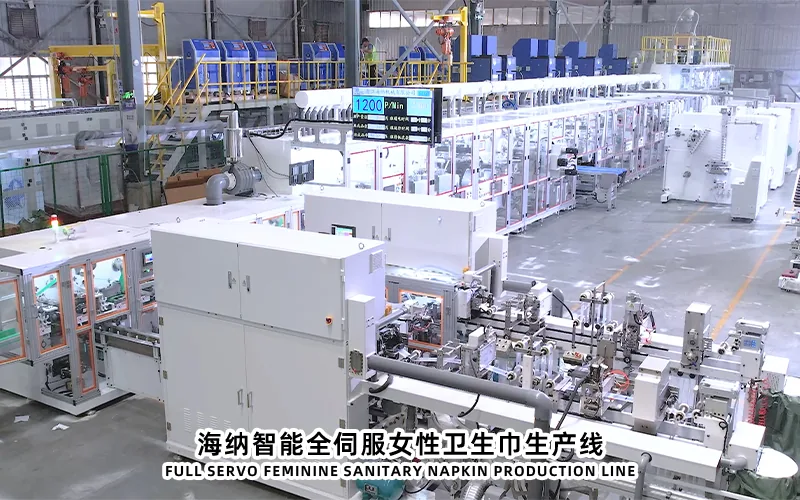
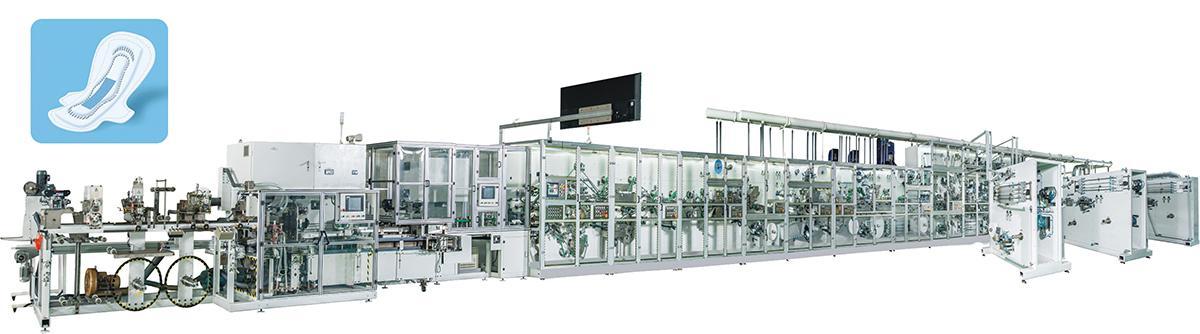
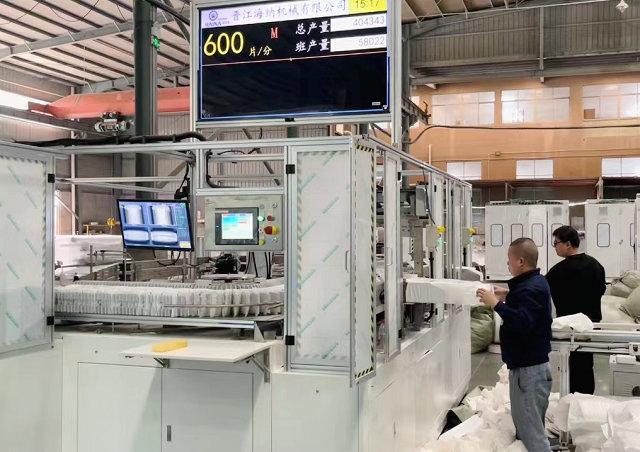
Sanitary napkin line context for a release-paper material review.
Identify the sample and the tested interface
A release-paper label is not a complete sample identity. Record the material designation, supplier reference, lot identification, coated side where applicable and the product configuration from which the specimen came. Link these entries to the approved bill of materials or trial request. If a specimen is prepared separately from the production line, say so explicitly; a prepared laboratory combination and a finished sanitary napkin may have different histories.
Describe the interface being separated. The record should make clear which surfaces were in contact and what remains with each surface after the test. Include sample orientation and the location taken from the product when those features form part of the agreed method. Avoid a sketch that is understandable only to the person who collected the specimen. A clearly labelled orientation photograph can help another reviewer identify the same interface.
Keep spare pieces from the identified material with their own labels. Unlabelled pieces left beside a test instrument may later be mistaken for tested or approved material. Once identity is uncertain, do not reconstruct it from appearance alone. Mark that sample as unsuitable for the intended comparison and recover evidence from an identifiable source.
Preserve contact and storage history
The two surfaces have a history before anyone measures their separation. Record when the sample was produced or prepared, how it was stored, whether it was packaged and whether it had already been opened or handled for another examination. Record the conditioning procedure actually followed rather than copying the intended procedure into a completed form. An unexplained gap between preparation and testing is a limitation to disclose.
Where the trial compares two paper lots, try to keep the other relevant conditions aligned through an approved plan. If different adhesive material, contact conditions or product construction were used, retain those differences as visible entries. They may be valid subjects for a broader trial, but they prevent the narrow conclusion that paper identity was the only changed variable.
Ask the responsible quality team to define which recorded differences matter for the chosen method. This article does not supply a universal conditioning period, humidity requirement or storage limit; those belong to the applicable product and test documentation.
Agree the method before exchanging numbers
A result without its method version invites false agreement. The supplier and buyer should identify the approved procedure, specimen preparation, instrument reference, reporting units and the way the result will be summarized. Where the procedure specifies a direction, speed, angle or fixture arrangement, record compliance with that procedure. Do not adopt a convenient value merely because it appears on an unrelated report.
Identify deviations before results are compared. A substituted fixture, a changed specimen geometry or an interrupted test may affect what can be concluded. A deviation does not automatically invalidate every observation, but it requires an explicit disposition by the person responsible for the method. Store the raw record alongside the summary so an unusual trace or operator note is not lost behind one final number.
For a discussion with HAINA about a sanitary napkin production line, provide the agreed sample method and intended product requirement as project inputs. Ask which observations can be made during the equipment trial and which need separate examination. This is a request for a defined evidence boundary, not an assumption that every laboratory function is included in the machine supply.
Record how the separation occurred
A reading becomes more informative when it is paired with a description of the separated surfaces. Paper tearing, adhesive transfer, uneven separation and an intact release can represent different observations. Use the buyer's approved defect language and attach appropriately labelled photographs where useful. Do not turn a visually unusual result into a new acceptance category after seeing which supplier produced it.
Keep observations distinct from explanations. “Residue observed on the paper after separation” is an observation. A statement about why the residue occurred is a hypothesis requiring supporting evidence. The comparison sheet should leave room for both, with the status of the hypothesis made clear. This prevents a trial meeting from promoting the first plausible explanation into an established material defect.
Where repeated specimens behave differently, preserve individual identities and observations. A summary may be required by the approved method, but the underlying variation should remain available for review. Selective photographs of only the cleanest separation can hide the very issue the trial was intended to investigate. Agree how representative and unusual outcomes will both be retained.
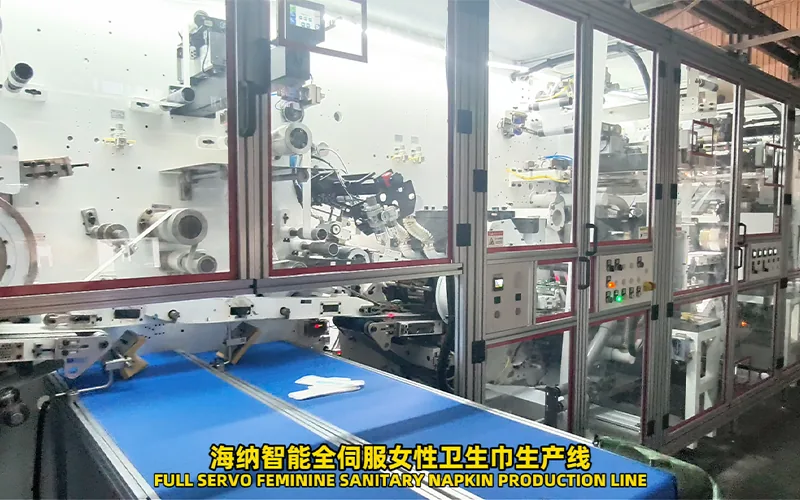
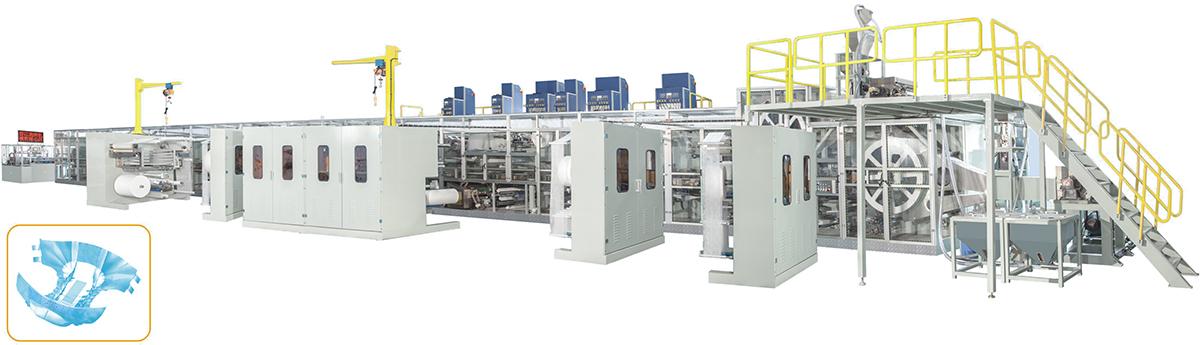
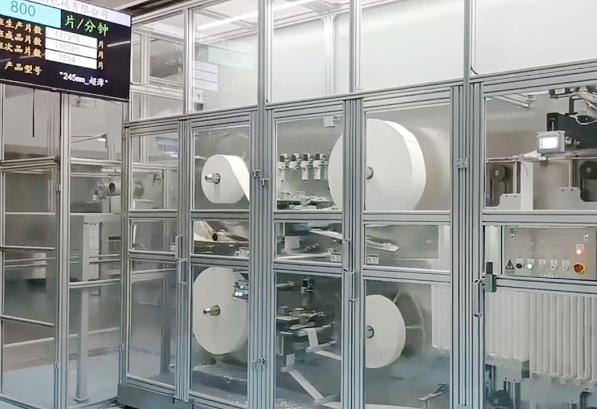
Keep material selection linked to the intended product configuration.
Compare evidence conditions in one sheet
Use the sheet to determine comparability before assigning an outcome. The following entries are illustrative record situations, not measured results, material recommendations or acceptance limits. Each situation points to the evidence needed for a defensible next step.
Illustrative evidence pair
Comparison limitation
Decision the record can support
Missing evidence to request
Two lots tested to the same approved procedure with matched preparation records
Applies to the stated samples and trial conditions
Review against the agreed product requirement
Any required observations not included in the summaries
A fresh candidate sample compared with an older retained product of uncertain history
Storage history differs or is unknown
Identify a question for a controlled comparison
Comparable preparation and conditioning records
Two reports use different preparation methods
Reported values do not share a confirmed basis
Agree a common method before ranking candidates
Method versions and deviation dispositions
Similar summaries but different separation appearances
A single summary conceals a potentially relevant distinction
Request review of individual specimens
Labelled surface observations and raw records
Include the names of the reviewers and the specific comparison they approved. A checked box labelled “comparable” should not be reusable for a different product, adhesive or test method without review. The sheet is an evidence index, not a replacement for the referenced records.
Choose a follow-up trial that answers the gap
If the reports cannot be compared, define the smallest meaningful follow-up. When sample history is missing, another uncontrolled test adds little. When methods differ, obtaining agreement on preparation may be more useful than collecting more specimens. When separation appearance differs, a targeted examination of the relevant interface can be more informative than repeating an unrelated machine demonstration.
Write a short trial request containing the unanswered question, the conditions to hold consistent, the variable under examination and the records that will close the question. Assign responsibility for supplying the material, preparing specimens and reviewing deviations. Predetermine how an unsuccessful or inconclusive result will be reported so the team does not lose unfavourable evidence between meetings.
Retain traceability to the original comparison. The next report should explain whether it replaces an earlier result, adds a missing condition or covers a separate question. More paperwork is not automatically stronger evidence; a small, well-defined follow-up is useful because another reviewer can see precisely which uncertainty it resolves.
Document the material decision and its limits
The final disposition should name the approved material identity, applicable product, method reference and evidence set. If approval is conditional, state the unresolved condition and the event that will close it. If the trial is inconclusive, retain that status instead of describing the candidate as approved because no decisive failure was recorded.
Separate material approval from equipment acceptance. A successful comparison of identified specimens does not establish every operating condition of a sanitary napkin machine. Likewise, an equipment demonstration does not remove the need for buyer approval of the finished-product requirement. The project record should make these responsibilities understandable to purchasing, production and quality staff who did not attend the trial.
Keep rejected explanations as notes where they help prevent the same investigation being restarted. The useful legacy is a traceable answer, including its scope and uncertainty, rather than an unsupported label attached to a supplier.
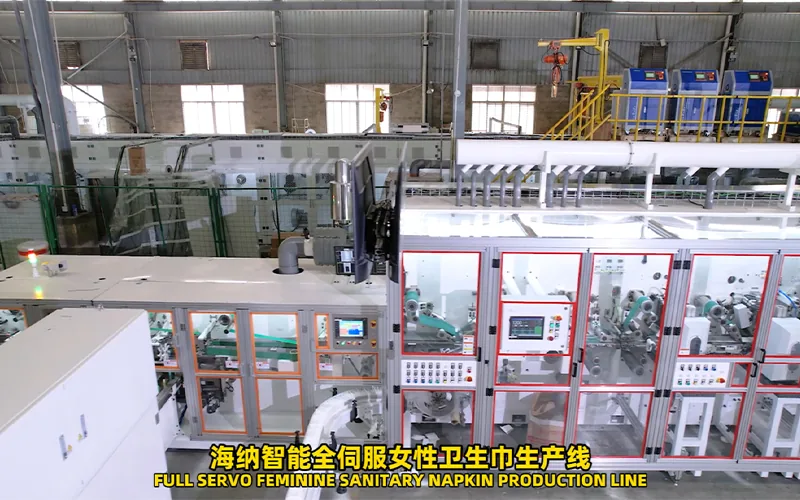
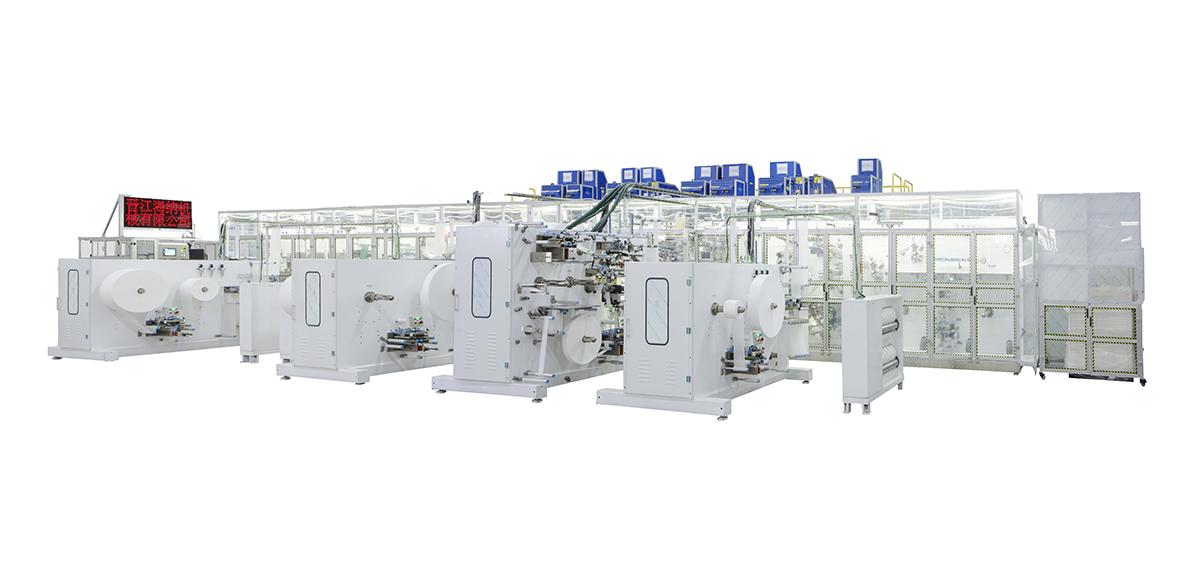
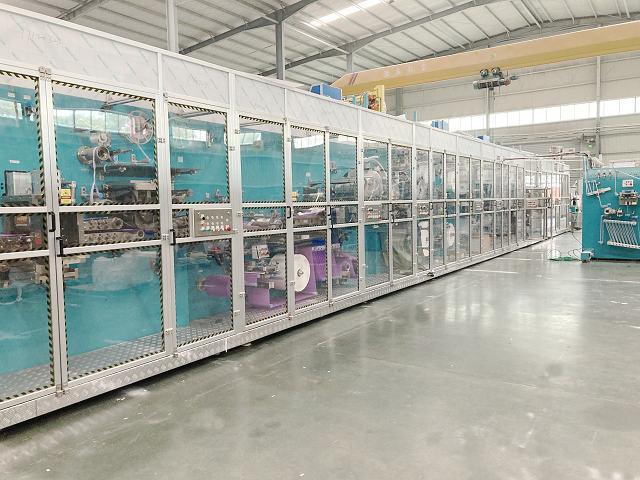
Carry the approved material reference into the production trial record.
Release-paper evidence questions
Can we compare reports that show the same reporting units?
Matching units are only one requirement. Preparation, sample orientation, method version and relevant sample history must also support the comparison. Request the underlying method references before treating two final values as a supplier ranking.
Does a lower peel result always indicate a better material?
No universal direction of improvement should be assumed. The approved product requirement determines the intended separation behavior. Consider the reported result together with surface observations and the conditions under which the specimen was prepared.
What should happen when the retained reference has no storage record?
Record the limitation and decide what question that specimen can still answer. It may help describe an observed condition, but it should not automatically serve as a controlled reference. The quality team can specify a suitable replacement comparison.
May the equipment supplier approve the buyer's final material choice?
The supplier can provide trial observations within the agreed project scope. Final authority over the buyer's product requirement and material release must be assigned explicitly. Do not infer that responsibility merely from who operated the machine during testing.
Conclusion
Before accepting or rejecting release paper, make the comparison itself reviewable. Identify the interface, preserve specimen history, reference the agreed method and retain both readings and separation observations. Then use the comparison sheet to authorize a bounded material decision or a focused follow-up. That sequence turns a disagreement about numbers into a clear account of what the evidence proves, what it cannot prove and who owns the remaining question.