Two quotations can contain different utility figures without describing different levels of efficiency. One figure may be a sum of equipment ratings; another may be a measured average during a selected production interval. Before a buyer compares them or gives them to the facility designer, the project needs to establish what each number represents. The measurement boundary, operating window and included equipment are part of the data.
A utility load evidence schedule makes those conditions visible. It supports discussion between procurement, the machine supplier and qualified facility personnel. It does not provide electrical design, pressure limits, wiring instructions or a universal method for measuring a running line.
Identify What the Utility Number Is Intended to Answer
Ask the source to label a figure by meaning, not merely by unit. A rated value, a design input, an observed maximum within a record and an average over an interval answer different questions. They should not be placed in one comparison column without explanation. Retain the source's original label and seek clarification where its meaning is ambiguous.
The intended use matters as well. A buyer comparing operating evidence may need a different record from the designer reviewing utility capacity. Procurement should not promote a convenient measured average into a facility design requirement. Qualified personnel should decide which information is suitable for the intended engineering purpose and what further evidence they need.
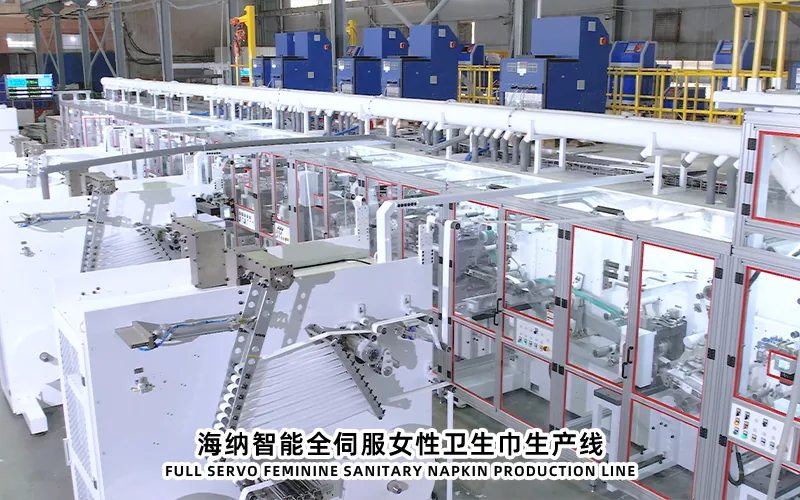
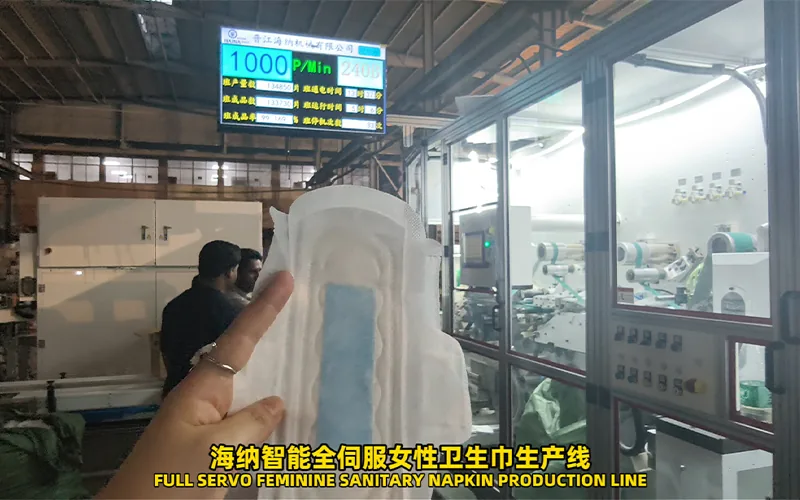
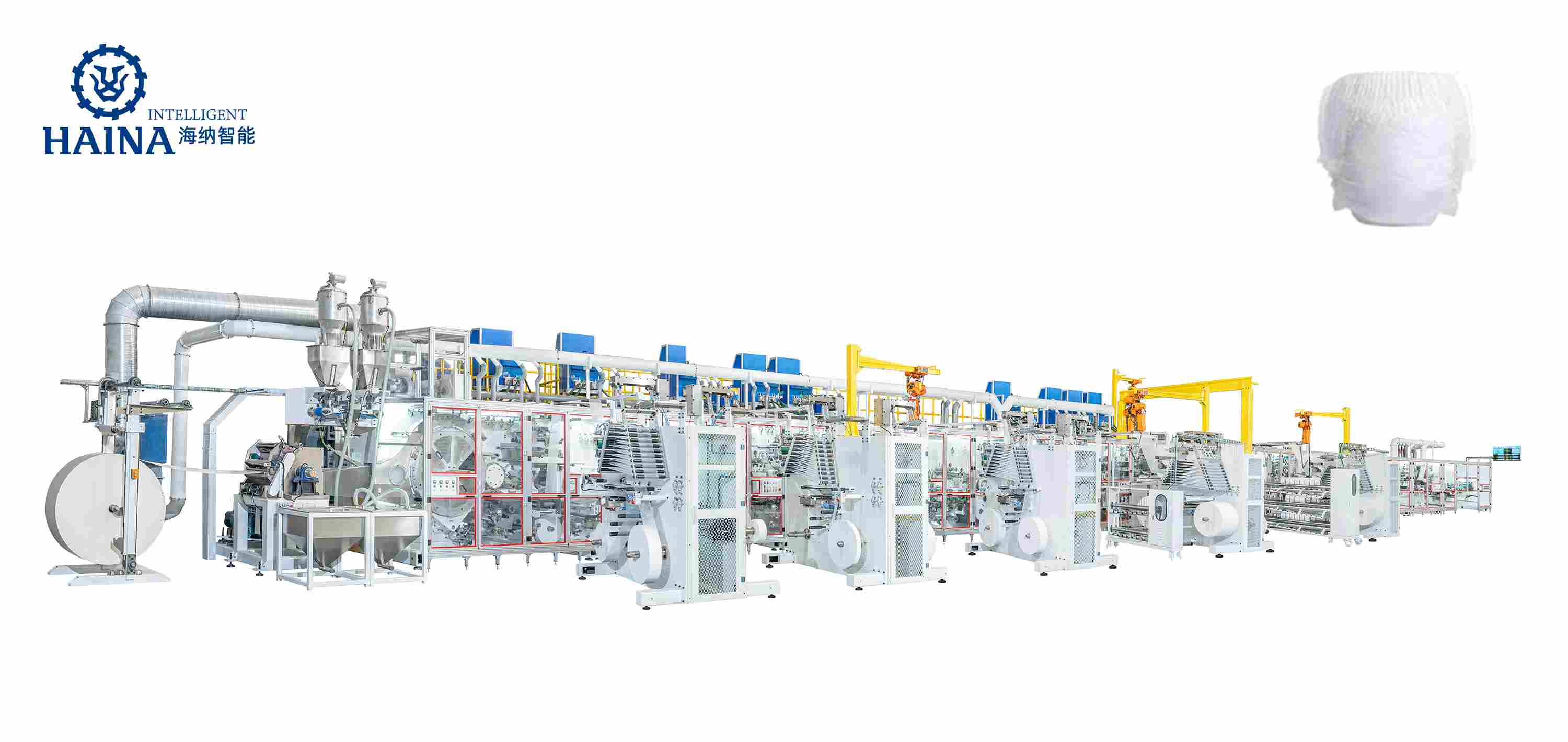
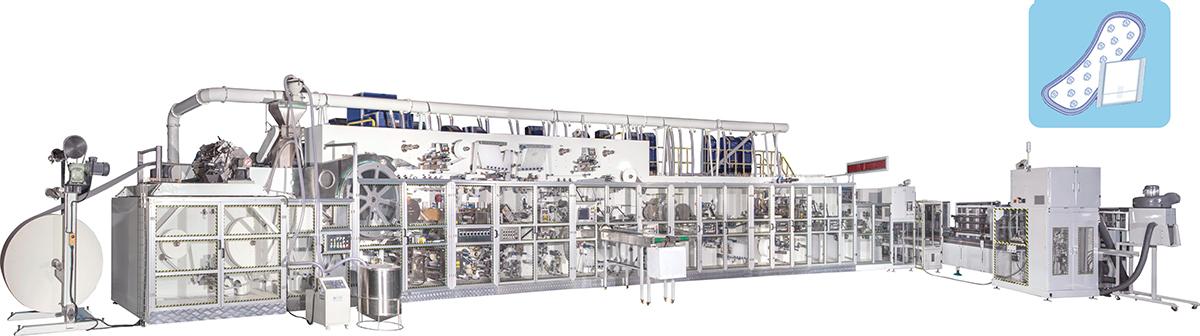
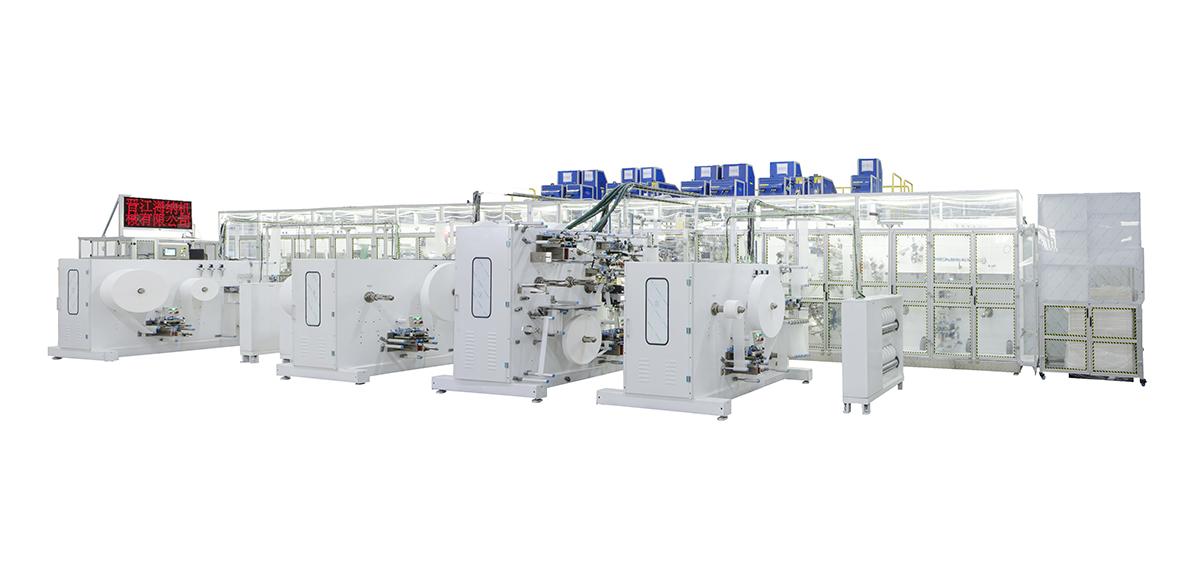
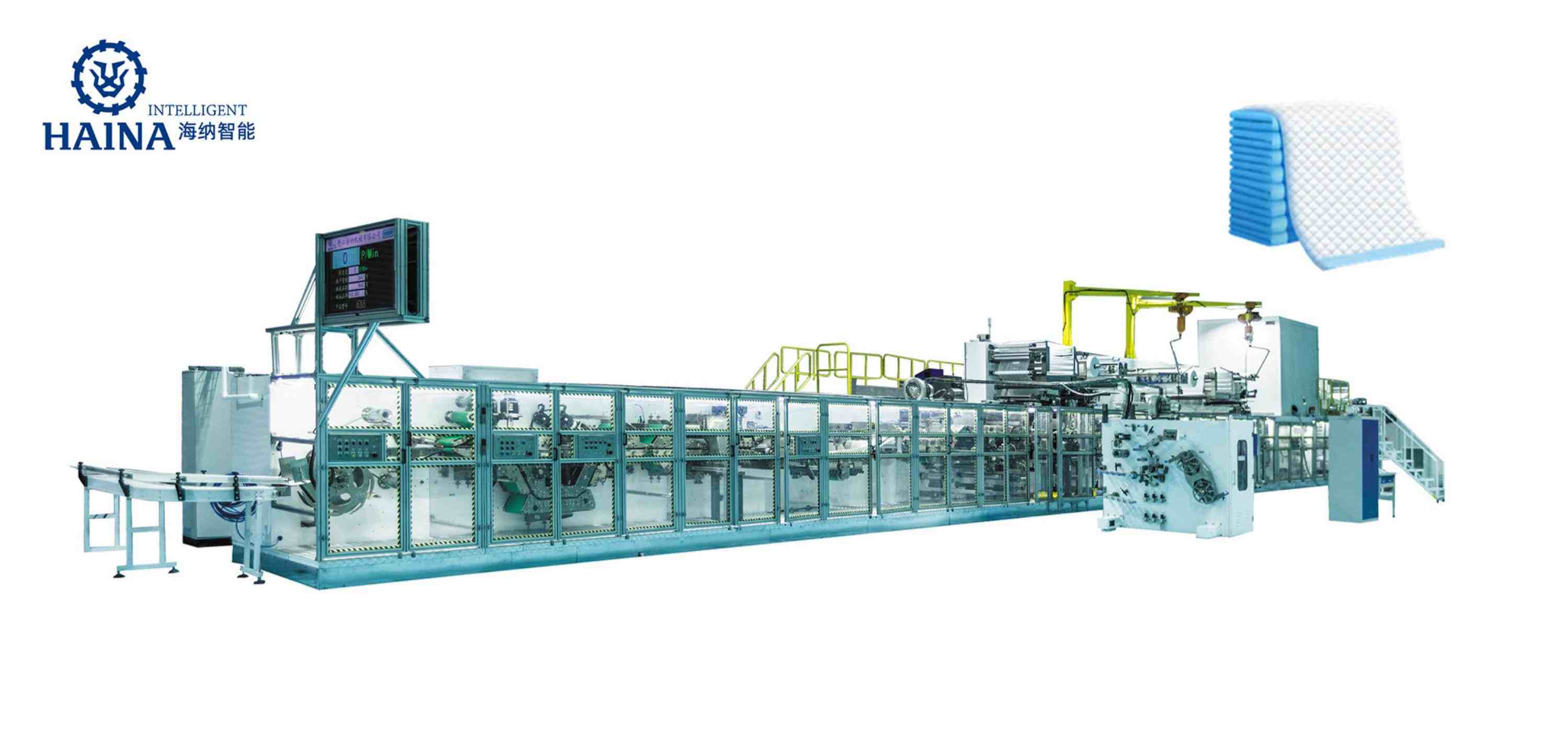
For HAINA's sanitary napkin production equipment, request project-specific utility information for the proposed configuration. A public product category establishes the machine family, but it does not identify every auxiliary item or installation condition in a quotation. The evidence schedule should follow the actual offered scope and its documented assumptions.
Draw the Boundary Around the Equipment Included
List the main machine and the auxiliary equipment that a figure includes. Depending on the offered project, relevant items may be supplied by different organisations or serve more than one process. Identify which are within the stated boundary and which remain separate. Do not assume that a figure labelled “complete line” has the same scope in every supplier document.
Also distinguish the machine's requirement from a facility system serving it. Data taken at a shared supply point may include unrelated loads or losses outside the machine boundary. That does not make the record useless, but it changes the claim it can support. The measurement location and included consumers must be understandable to the reviewer.
A simple boundary list should have a controlled configuration reference. If the proposed line later gains an accessory or changes its packaging arrangement, revisit the affected utility information. An old figure remains evidence about its original configuration; it should not silently become the value for the revised offer.
Utility evidence needs a defined equipment boundary as well as a numerical value.
Describe the Operating Window Behind a Measured Value
Identify the beginning and end of the observation and describe what occurred within that window. Was the line preparing for production, producing the specified item, paused, changing product or undergoing another documented event? These descriptions give an average or observed maximum its meaning. A record described only as “during operation” may omit conditions essential to its interpretation.
Record the relevant product and configuration associated with the window. If conditions changed during the interval, preserve the event boundary or explain that the reported value combines them. Do not choose a favourable portion of a longer record and present it as representative of a broader operating claim without a stated basis.
The buyer and source should agree the question that the window is intended to answer. A short observation might establish that a particular event was seen, while providing limited support for a claim about another operating pattern. The necessary scope belongs in the approved evidence plan; this guide does not invent a standard duration or sampling interval.
Make Simultaneous Operation Assumptions Explicit
A set of equipment ratings does not say which items were operating together in a measured record. List the relevant operating combination and any assumptions about concurrent use. If an accessory was idle or supplied separately during the observation, keep that fact alongside the figure. Otherwise the same number may be interpreted differently by procurement and facilities.
Where data is estimated rather than measured, identify the assumptions and who supplied them. Do not conceal an estimated simultaneous load inside a column labelled “test result.” A transparent estimate can be useful for a preliminary discussion, provided the reviewer understands its basis and the further work needed before relying on it.
Shared equipment introduces another question: how was its contribution attributed to this line? Ask for the method or state that the contribution has not been separated. Avoid applying an arbitrary allocation simply to complete a spreadsheet. The facility team may need the combined requirement, while a commercial comparison may seek a different boundary. Both requests should be identified rather than blended.
Create a Schedule That Preserves the Origin of Every Figure
Use one row per distinct data claim. The illustrative entries below contain no actual load values; they demonstrate the questions that make supplied values interpretable. In a working schedule, keep the original document reference and revision with each entry.
Type of supplied figure
Boundary and window to record
Assumption to expose
Clarification before use
Sum of equipment ratings
Named equipment list and configuration revision
Whether all listed items are assumed to operate together
Ask the facility reviewer how this input should be used
Measured interval average
Measurement point, product and start/end events
Which pauses or preparation events are included
Confirm whether it answers the intended comparison question
Observed maximum in a record
Available observation record and relevant operating events
Limits of the observation and recording method
Do not describe it as an unrestricted maximum requirement
Shared utility system figure
Included consumers and supply boundary
Whether this line's contribution was separated
Clarify allocation or retain the combined-system scope
Keep unresolved fields visible and assign them to the party able to provide the evidence. A missing operating window should not be filled by procurement's guess. The schedule is most useful when it shows which figures are ready for their stated purpose and which still need explanation.
A project evidence schedule should distinguish ratings, measurements and estimates.
Request a Record That Qualified Reviewers Can Interpret
The responsible technical personnel should determine the appropriate measurement arrangement, instruments and approved procedure. Procurement's role is to request an interpretable record, not to prescribe unsafe measurement work. Ask the record owner to identify the method, measurement point, instrument reference and relevant limitations through the project's normal technical documentation process.
Retain enough source information to understand how the reported summary was derived. If the original record includes events outside the selected window, identify the selection rule. If data was unavailable during part of the observation, record the gap. Removing an inconvenient interval without explanation can change the meaning of a reported average or maximum.
For different utilities, keep the relevant units and stated reference conditions clear. A reviewer may need additional context before two figures can be compared. Do not perform an unsupported conversion that hides a difference in measurement basis. Ask qualified specialists to resolve the technical comparison and preserve their reasoning with the schedule.
Compare Compatible Evidence Before Ranking Offers
Group figures by their defined purpose and basis. Where suppliers provide different kinds of evidence, request comparable clarification before ranking them. The lower number is not necessarily the lower requirement; it may simply exclude an accessory, reflect another product or summarise a different interval. Explain such differences in the comparison rather than forcing a numerical conclusion.
If a common comparison cannot yet be established, state that the evidence is not directly comparable and identify the missing condition. This is a useful procurement result because it prevents a decision from resting on an apparent advantage that has not been demonstrated. The team can then decide whether further data is necessary for the purchasing stage.
A later configuration change should trigger review of the affected comparison rows. Preserve the earlier offer's evidence as historical context, but label which revision supports the current decision. The same discipline applies when a supplier replaces an estimate with a measurement: retain the distinction and review whether the new record answers the original question.
If the comparison introduces consumption per unit of product, the production denominator also needs a defined basis. Identify the output counted during the same window and whether the claim concerns all produced units or an agreed accepted-output measure. A utility observation from one interval and an output figure from another do not become comparable merely because they appear in the same spreadsheet. Ask the record owner to explain the association. This does not supply an efficiency calculation or a promised result; it identifies another boundary that a claimed unit consumption figure must make clear.
Hand the Data to Facility Reviewers with Its Limits Attached
Provide the facility team with the schedule, equipment boundary and source documents together. A single number copied into a layout note can lose the conditions that made it meaningful. Highlight which values are design inputs supplied for that purpose and which are observations requiring interpretation. The qualified design team should determine the final facility requirements.
Record any clarification requested by the designers and return it to the appropriate supplier or project owner. If the answer changes the equipment scope or assumptions, update the controlled project record. This prevents separate departments from retaining different versions of the same utility claim.
At handover, identify remaining evidence gaps and who is responsible for resolving them. Avoid presenting an incomplete schedule as final simply because the machine order has advanced. Clear provenance allows later reviewers to distinguish an agreed requirement from a preliminary estimate and to understand why a value may need revision.
Keep measurement conditions attached when utility information passes from purchasing to facilities.
Frequently Asked Questions
Can rated values be compared directly with measured averages?
They describe different types of information. Clarify the intended question, included equipment and operating basis before comparing them. Qualified reviewers should determine which evidence is appropriate for design or purchasing use.
Does the highest value observed during a trial define every future requirement?
No. It is an observation within a particular record and method. Its interpretation depends on the tested conditions, observation limits and the engineering purpose for which it will be used.
What if an auxiliary device was excluded from the supplier's figure?
Identify the exclusion explicitly and obtain the relevant separate information. Decide the comparison or design boundary before combining figures, with technical review of their different bases.
Should purchasing choose the measurement duration?
Purchasing can define the question it needs answered. The appropriate observation plan and safe measurement procedure should be agreed by the responsible qualified personnel, using the applicable project requirements.
Conclusion
A utility figure becomes useful when its origin and intended use remain visible. Define the equipment boundary, describe the operating window, expose simultaneous-operation assumptions and retain the measurement or estimation basis. The resulting evidence schedule helps procurement compare like information and gives facility reviewers the context they need. Where evidence differs, resolve the difference before treating a smaller number as a better offer or a complete design requirement.