Two waistband samples can leave the same pull up diaper trial and tell different stories by the time a buyer examines them. One has remained loose in a labelled tray; another has been packed, transported, stretched during a demonstration and returned to its bag. Comparing their readings without those histories can turn a sample handling difference into an apparent machine problem. The useful procurement question is therefore how to make the evidence comparable before deciding what the machine or material has achieved.
This guide develops a waistband sample conditioning card for buyer and supplier review. It concerns the waiting period after production, storage and handling history, and the order of observations. It does not prescribe a universal relaxation period or a product acceptance limit.
Start with the Review Question, Before Collecting Samples
Decide whether the review is about a newly made product, the product after its intended packaging process, or a retained sample at a later stage. Those are different questions. A sample plan that is appropriate for checking consistency at the trial line may not answer a question about packaged goods received elsewhere. Write the intended comparison at the top of the request so that observers do not quietly substitute one population for another.
Next identify the product revision and waistband material lots associated with the trial. Record the agreed sample preparation and evaluation method by reference to its approved version. If the method leaves waiting or handling conditions unspecified, resolve that gap with the responsible product and test personnel before using the results for acceptance. The absence of a written condition is not evidence that the condition has no effect.
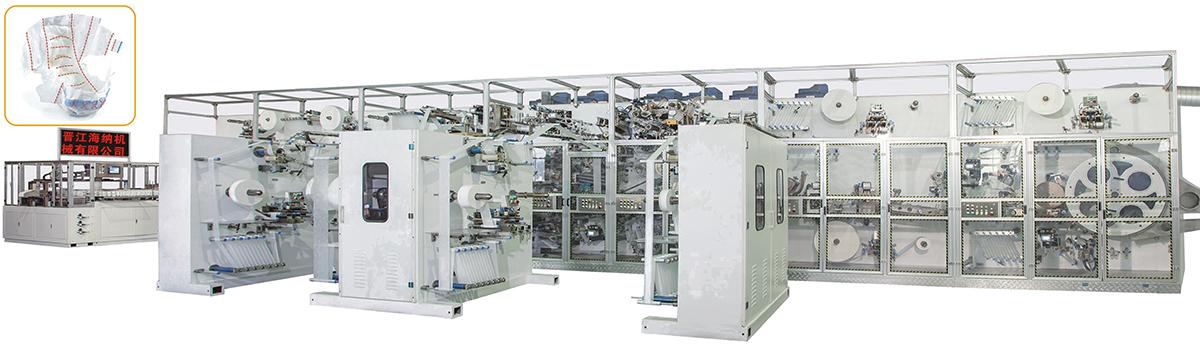
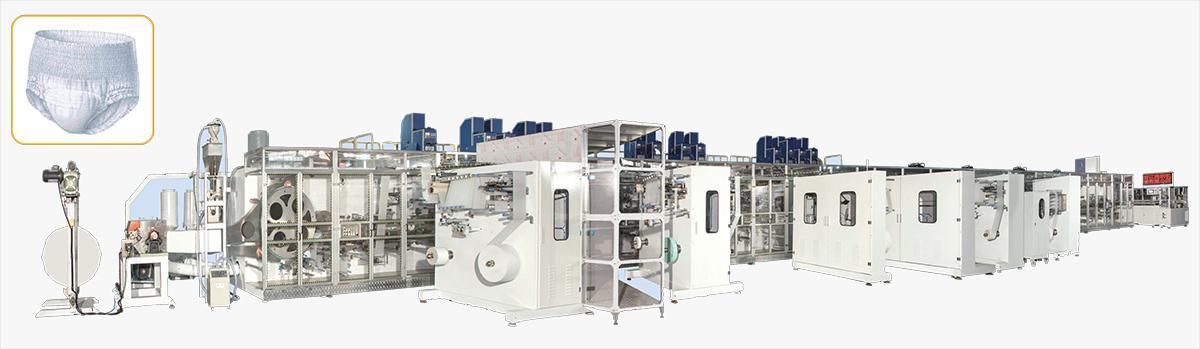
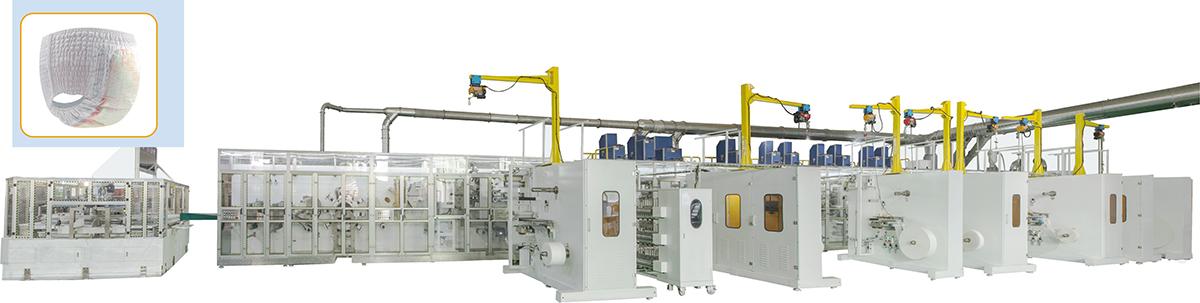
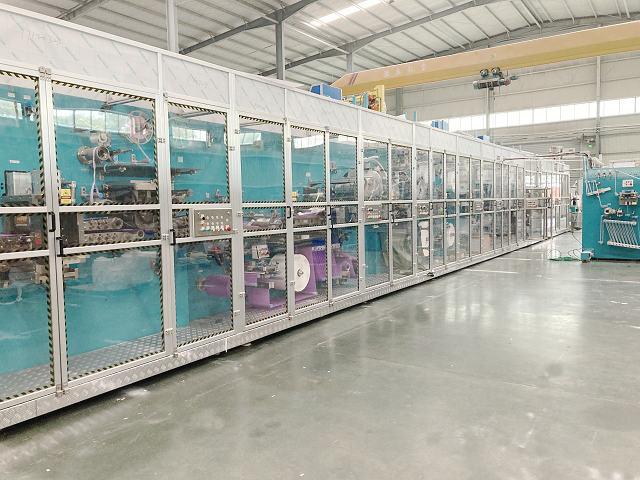
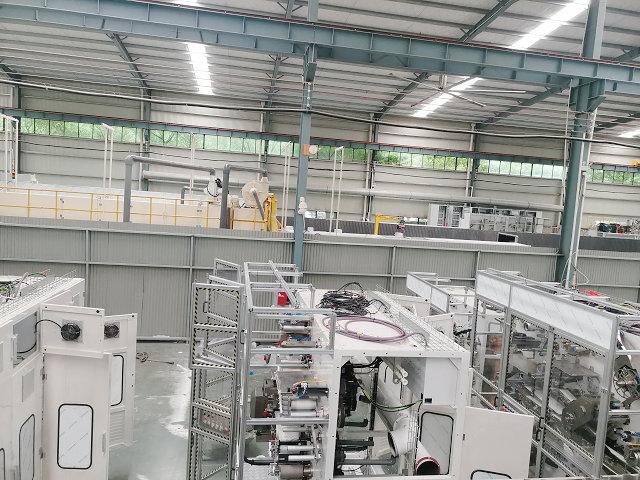
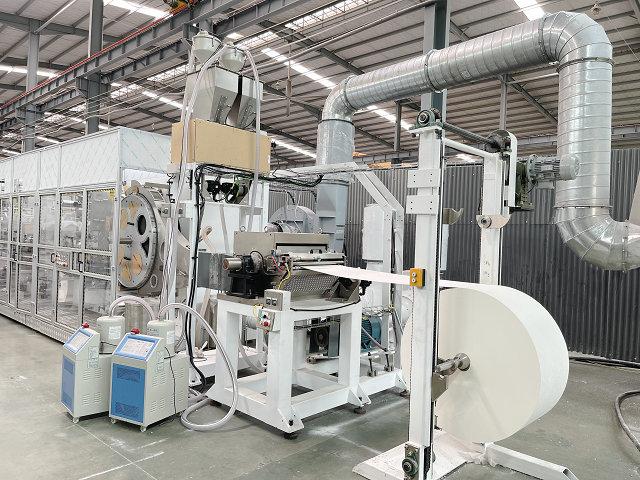
HAINA lists baby diaper and pull up equipment within its baby diaper machine product range. A discussion about a particular project should establish which sample handling responsibilities belong to the supplier, the buyer and any independent laboratory. Product family information alone does not establish an agreed laboratory protocol.
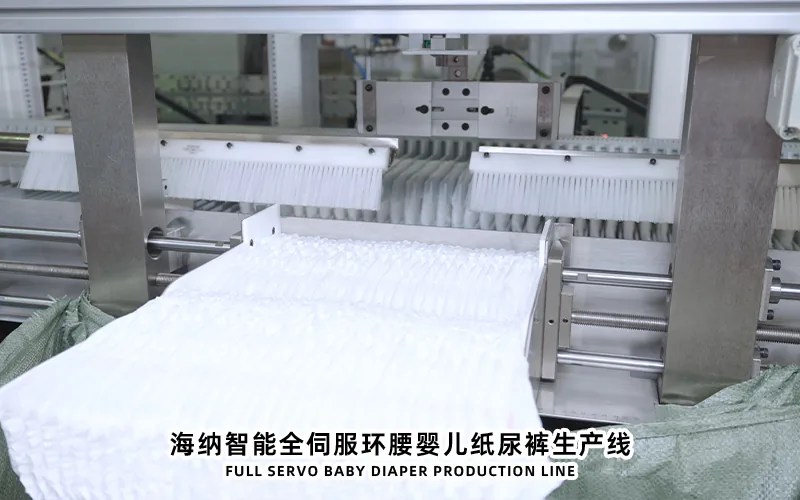
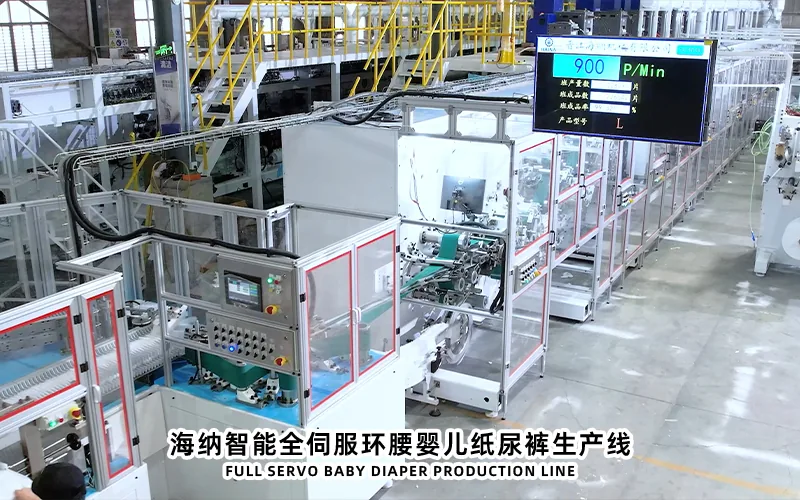
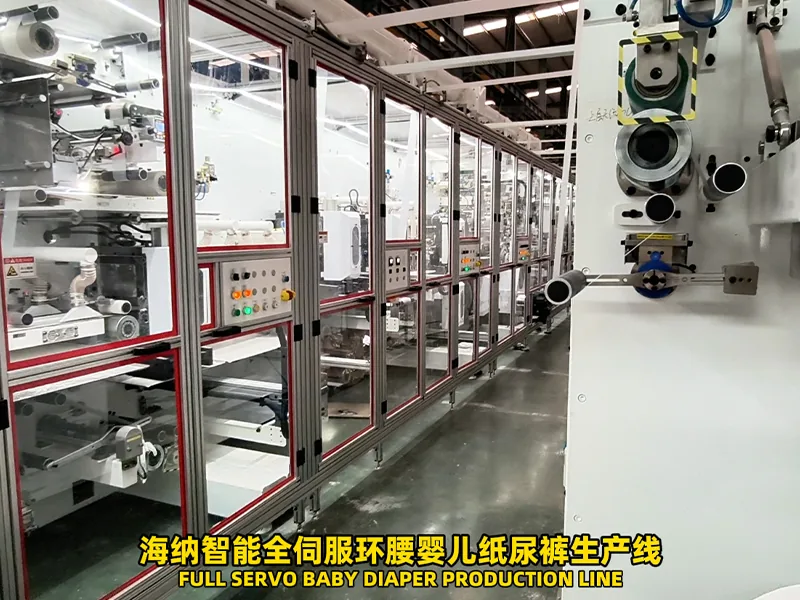
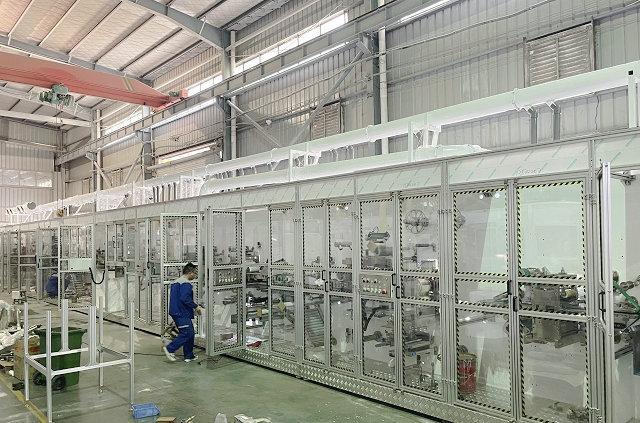
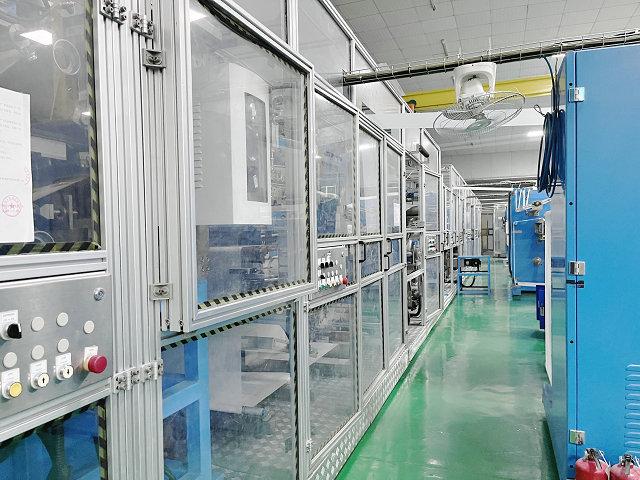
Machine photographs identify the equipment family; sample history needs separate written evidence.
Give Each Sample a Traceable Time Origin
A note reading “tested after storage” is too vague to support a comparison. Associate the sample with a production event or recorded collection window, then identify when each relevant observation occurred. Where exact timing is unavailable, retain the known interval and its uncertainty rather than inventing a precise timestamp. The review team can then judge whether that uncertainty matters for its particular question.
Distinguish the time of production from the time a sample was labelled, packed, opened and measured. These events can occur in different places and may be recorded by different people. Use a shared convention for dates and time references where records cross locations. An apparently longer waiting period may otherwise be a difference in how two observers described the starting point.
The card should identify who supplied each timestamp and which source supports it, such as a collection sheet or laboratory receipt. When a sample passes through several hands, add events to its existing record rather than restarting the clock at arrival. A receiving laboratory needs to know what happened before delivery, even when its own conditioning procedure begins only after receipt.
Separate Loose, Packed and Reopened Sample Histories
Packaging status belongs in the evidence, not in an observer's memory. State whether the sample remained loose, entered the intended pack format, was removed for inspection, or was repacked. Describe the actual arrangement sufficiently for the approved review method. Do not assume that two bags with the same external appearance have subjected their contents to the same handling history.
If the trial compares loose and packed samples, treat packaging history as a deliberate comparison factor. Allocate identifiable samples to each group before the histories diverge. Avoid pooling the groups into a single average and then presenting that value as the characteristic of all trial output. The point of the grouping is to preserve a distinction that the product team may need to investigate.
During transport, record departures from the agreed handling conditions and describe what is known. A damaged outer carton or an opened sample bag does not automatically prove a change in waistband behaviour, but it creates an evidence question. Keep affected samples identifiable until the reviewer determines which conclusions remain supported. Replacing an inconvenient sample without recording the replacement hides the very history the card is meant to explain.
Record Stretching That Happened Before the Official Reading
A sample used in a sales demonstration may already have been pulled, fitted to a display form or handled repeatedly by visitors. Calling its next reading the first reading would obscure those events. Ask anyone transferring samples to state whether previous loading is known, absent under controlled handling, or unknown. These categories are more informative than an unchecked box marked “unused.”
Where the approved method includes repeated observations, distinguish the initial observation from later ones. Keep sample identity consistent across the sequence. A reading from a fresh specimen and a later reading from a previously examined specimen should not be presented as interchangeable simply because both came from the same production run.
This is a documentation issue, not a recommendation to introduce a new stretching exercise. Test personnel should use the buyer-approved method and equipment appropriate to the product. Reviewers should also avoid inferring fit, wearer comfort or health effects from a handling record alone. The card establishes the context of a measurement; it does not expand the meaning of the underlying test.
Retain the link from the trial to the sample even after the sample leaves the production area.
Build a Card That Exposes Comparison Limits
Keep the card compact enough to travel with the sample set. It should link to detailed test records rather than attempt to replace them. The following entries are illustrative documentation examples, not measured results or a proposed test specification. Their purpose is to show how the same product identity can coexist with different sample histories.
Illustrative sample
Recorded history
Evidence still needed
Comparison decision
Waistband A
Loose since identified collection window; no prior examination reported
Approved waiting condition and observation timestamp
Compare within the loose-sample group when conditions are confirmed
Waistband B
Packed, shipped and opened at receipt
Packing and receipt events; departures from agreed handling
Keep separate from A unless the method permits that comparison
Waistband C
Used in a demonstration before formal testing
Description of previous loading, if recoverable
Flag prior use; do not silently treat as a fresh specimen
Add the specimen identifier, product revision, material reference, method version, responsible observer and location to the actual project form. Keep missing information visible. A reviewer should be able to distinguish an observed fact from a statement supplied by another party and from an assumption awaiting confirmation. That distinction makes follow-up focused rather than argumentative.
Agree an Observation Sequence That Does Not Rewrite the Sample
Some observations leave a specimen available for later examination; others change its condition. Ask the test owner to identify these dependencies in the approved procedure. The sample schedule should then show which specimens serve each observation and which are retained. This prevents a convenient photograph or informal demonstration from unknowingly consuming a sample reserved for a later comparison.
Document exceptions as they happen. If a reviewer asks for an additional demonstration, allocate a suitable specimen or mark the affected sample's history. Do not conceal the extra handling merely because it occurred before the official test sheet was opened. Similarly, a sample returned from one laboratory should retain that laboratory's history if another team later evaluates it.
Reports can present results in a convenient order, but the underlying records must preserve the actual observation order. When an unexpected difference appears, the team needs to reconstruct events without relying on recollection. That reconstruction is particularly valuable when the machine setting, product revision and material lot appear unchanged yet the samples were handled differently.
Resolve Mixed Evidence Without Inventing a Correction Factor
When historical samples lack reliable handling records, do not “normalise” their results with an unsupported adjustment. State which condition is unknown and how it limits the comparison. Depending on the agreed decision, the available evidence may still support a descriptive observation, while falling short of an acceptance comparison. That narrower conclusion is more defensible than a precise but ungrounded correction.
A replacement sample set should answer the unresolved question explicitly. Specify the histories to control and preserve the link to the earlier issue. Otherwise a second trial can generate another collection of attractive samples without resolving why the first comparison was inconclusive. The owner of the product decision should approve the revised evidence plan.
Keep an unexplained difference open until a suitable comparison exists. Similar appearance is not a substitute for an agreed measurement, and different readings do not alone identify a machine cause. Material, preparation, method and handling evidence may all need review. The card helps the team choose the next discriminating observation instead of immediately changing the equipment.
The review decision should follow the evidence associated with identifiable specimens.
State What the Sample Approval Actually Covers
An approval should name the sample group, evaluation method and conditions that support it. If it covers only loose samples collected during a particular trial, say so. Do not allow a later recipient to read it as approval of every packaging history or future material combination. The scope should remain understandable even when the original reviewers are unavailable.
Attach unresolved conditions to the approval record with an owner and the evidence required for closure. Distinguish permission to continue a project activity from acceptance of a product characteristic. These decisions may occur together, but one does not automatically establish the other. The project team should use its agreed authority and approval process.
Retained specimens need the same discipline as tested ones. Record where they are held and whether opening or handling them changes their intended use. A reference sample is useful only while its identity and limitations remain clear. The resulting card becomes a practical bridge between the supplier's trial record and the buyer's later product review.
Frequently Asked Questions
Is there one relaxation period suitable for every waistband?
This guide does not establish one. The responsible product and test personnel should agree conditions using the applicable product specification and evaluation method. Record that agreement before treating samples as comparable.
Can an already stretched sample still be useful?
It may support a question that explicitly includes that history. Identify the previous use and check whether the approved method permits the intended comparison. Do not relabel it as untouched.
What if the production time was recorded only as a collection window?
Keep the actual window and its source. Ask the reviewer whether that uncertainty is acceptable for the decision. Replacing an interval with a guessed timestamp makes the evidence appear more precise without improving it.
Does a consistent sample card prove wearer comfort?
No. It documents specimen history and supports the interpretation of the selected evaluation. Any broader product claim needs its own appropriate evidence and approval.
Conclusion
A useful waistband comparison starts before anyone reads a measurement. Identify the intended product state, preserve production and handling events, separate packaging histories, and make previous loading visible. Then connect the observations to the approved method and a clearly bounded decision. When evidence is incomplete, document the limitation and request a comparison that addresses it. This approach lets a buyer discuss differences in trial samples without mistaking undocumented handling for proof about the machine.