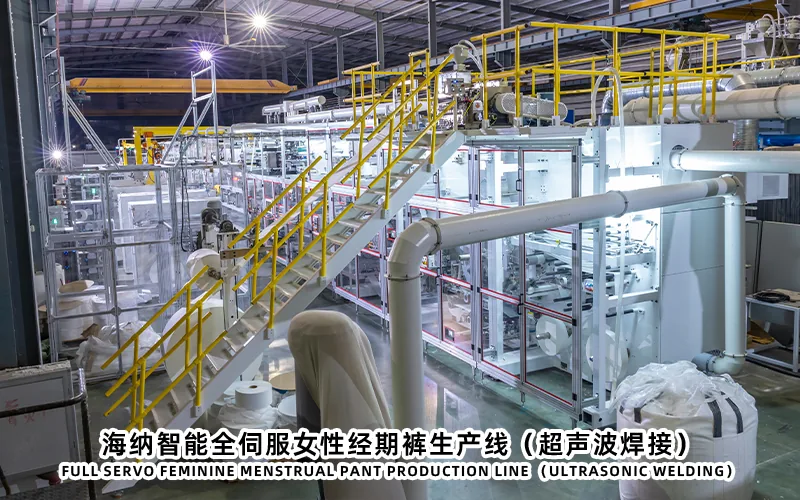
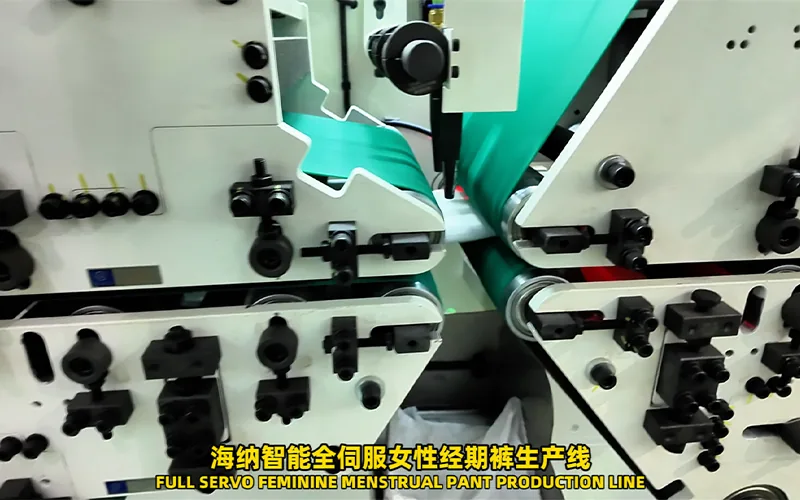
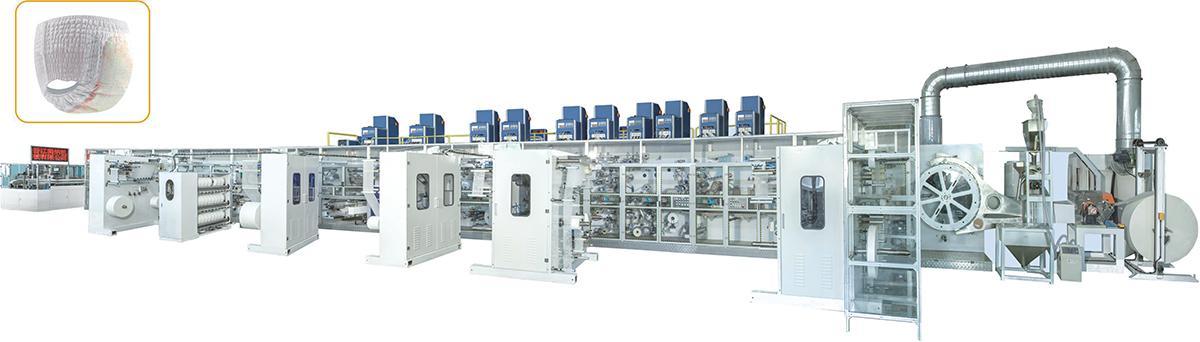
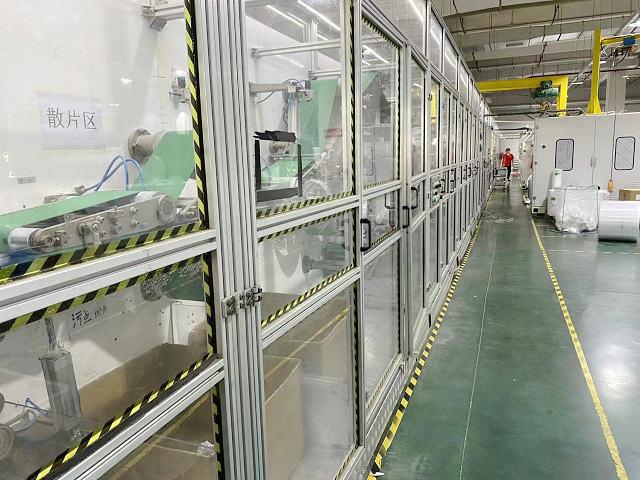
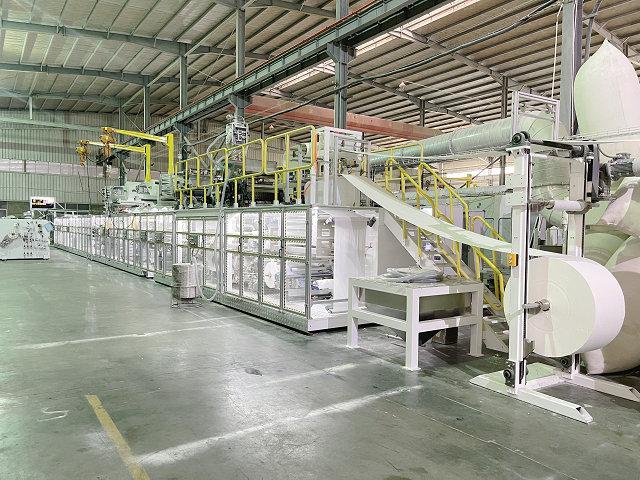
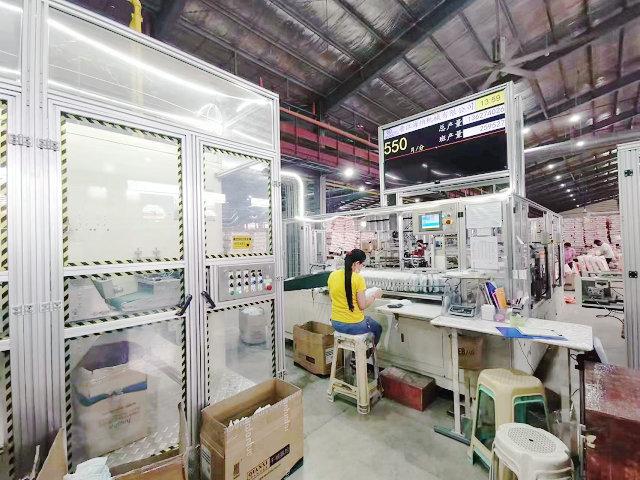
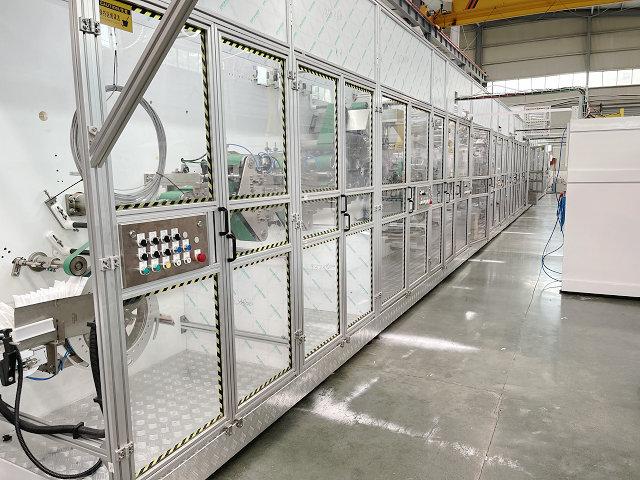
Commissioning a lady diaper making machine at an overseas plant requires verified site readiness, protected shipment receipt, correct mechanical assembly, tested utilities, approved materials, trained local roles, controlled dry and wet runs, product-quality release, and documented handover. The supplier cannot compensate for missing power quality, compressed air, dust extraction, lifting access, packaging interfaces, or trial materials after arrival. Before travel and shipment, both parties should approve drawings, responsibilities, FAT open items, utility test records, installation sequence, communication arrangements, and acceptance criteria. Commissioning is complete only when the installed line can reproduce agreed products safely with records the local team can use.
Freeze Overseas Project Responsibilities
Use one responsibility matrix covering the equipment supplier, buyer, local contractors, material suppliers, packaging supplier, freight agent, and any third-party inspector. Assign every drawing, permit, utility, tool, lifting device, connection, trial material, test instrument, interpreter, travel document, and acceptance signature. Verbal assumptions create expensive waiting when several organizations are involved.
Define the commissioning boundary. State whether supplier work includes unloading, positioning, mechanical assembly, electrical connection, utility connection, dry checks, product trials, packaging integration, operator training, maintenance training, site acceptance, and open-item closure. Identify the working hours, local safety induction, supervision rules, and authorization needed before anyone operates or modifies equipment.
Carry FAT results into the site plan. Every open item needs an owner, due date, evidence, and impact on shipment or commissioning. Attach approved product drawings, material list, FAT recipes, reference samples, tooling list, alarm records, and interface documents. Site teams should not rebuild the project baseline from email messages.
Plan communication. Confirm working language, document language, interpreters for technical training, remote meeting access, time-zone windows, contact hierarchy, and escalation route. Use translated labels or instructions where required by the buyer's site rules, but maintain controlled source revisions.
Clear responsibilities should be approved before equipment and specialists travel.
Verify the Site Before Shipment and Travel
Issue a site-readiness checklist with photographs, drawings, measurements, and test records. Verify floor condition, openings, unloading area, indoor route, door dimensions, columns, roof clearance, crane or forklift capacity, equipment position, maintenance aisles, material flow, waste route, emergency access, and packaging area. Compare the actual site with the latest approved layout.
Utilities should be tested, not reported as nearly ready. Confirm incoming power, voltage and frequency as specified, grounding, phase sequence where relevant, isolation, cable sizing, compressed-air pressure and quality, vacuum, dust extraction, cooling, ventilation, network, lighting, and environmental conditions. Record results at the connection point under an appropriate load where possible.
Check consumables and production-intent materials. The site needs all webs, core materials, elastics, adhesives, packaging, cleaning products, lubricants, and quality supplies in approved condition. Verify storage, conditioning, roll-handling tools, winding direction, core size, and material identification. Missing one narrow barrier web can stop an otherwise complete trial.
Confirm people and time. Name operators, electricians, mechanics, quality staff, material handlers, packaging staff, safety representatives, and decision makers who will attend. Protect their training schedule from routine factory work. Arrange local contractor availability for corrections that are outside the machine supplier's scope.
Remote readiness evidence
Dated site photographs match the controlled layout and installation route.
Utility measurements are recorded at the machine connection boundary.
Lifting devices tools test instruments and local labor are confirmed.
Production and packaging materials are received identified and conditioned.
FAT open items are closed or have an approved site action.
Travel access communication interpretation and safety induction are arranged.
Commissioning schedule includes owners dependencies and release gates.
Receive Identify and Preserve the Equipment
Inspect shipping units before unloading. Photograph container and package condition, seals, impact indicators where provided, moisture evidence, identification marks, and visible damage. Compare packages with the packing list. Record exceptions before moving equipment and notify the responsible freight and insurance parties according to the commercial procedure.
Use the approved lifting points, center-of-gravity information, package weights, and handling instructions. Protect precision surfaces, sensors, cables, cabinets, and protruding components. Do not lift a machine module from convenient frame members unless they are identified for that purpose.
After unloading, place units in their planned sequence and maintain preservation. Keep electrical cabinets dry, cover open ducts and pipes, protect tooling from corrosion and impact, and control access to loose parts. If installation is delayed, define periodic inspection and environmental protection.
Reconcile every package and component. Tag modules, cabinets, guards, platforms, shafts, tooling, change parts, spares, documents, and accessories against the packing list. A missing small interface cable or special fixture can delay commissioning as effectively as a major component.
Receiving controls protect traceability and equipment condition before assembly starts.
Complete Mechanical Installation and Utilities
Install from controlled layout datums. Verify module position, level, alignment, anchors where specified, frame connections, guards, platforms, roll-loading access, and component-removal clearance. Record measurements before connecting flexible services that could hide misalignment. Keep shipping restraints identified until the responsible person releases their removal.
Inspect rotating and moving assemblies after transport. Check shafts, rollers, belts, chains, bearings, couplings, cutters, fasteners, lubrication, sensors, encoders, and cable carriers according to supplier procedures. Confirm that tools and loose shipping materials are removed before guards close.
Electrical work should follow approved diagrams and local requirements. Verify cable identity, termination, grounding, insulation and protective checks as applicable, panel cleanliness, fan direction, and isolation. Back up control software and recipes before site changes. Record every field modification and update drawings.
Clean and test air, vacuum, dust, cooling, adhesive, and other utility systems before connecting sensitive components. Verify pressure, flow, direction, filtration, drainage, leakage, interlocks, and isolation. Dust extraction branches should be balanced for the installed routing, and filters must be accessible for maintenance.
HAINA can coordinate equipment-side installation and commissioning requirements for its menstrual pants making machine with the buyer's approved site plan. Local facility work and final acceptance responsibilities should remain explicit in the project matrix.
Release Dry Commissioning Safely
Dry commissioning begins only after an authorized pre-start review. Confirm guards, emergency stops, access switches, isolation, fire equipment, work permits, housekeeping, personnel clearance, utility tests, and documented completion of installation checks. Remove temporary bypasses unless an approved test procedure requires controlled use.
Energize systems in the agreed sequence. Verify controller, drives, HMI, networks, sensors, actuators, valves, alarms, direction of rotation, lubrication, vacuum, extraction, and utility interlocks. Jog individual zones where permitted before synchronized movement. Record faults and corrections instead of repeatedly resetting unexplained alarms.
Test emergency and protective functions under an approved safe method. Confirm that stop categories and restart behavior match the project design. Verify access-door response, loss of air, loss of vacuum, material absence signals, downstream stop communication, and other contracted interlocks. Restore and document normal configuration after each test.
Thread noncritical or setup materials only after dry motion is stable. Check web paths, guides, splice devices, adhesive readiness, cutters, waste removal, folding, joining, rejection, and downstream transfer. Release product materials through a signed gate.
Dry commissioning verifies direction interlocks alarms and synchronized motion before product trials.
Run Material and Product Trials
Begin product trials with the approved bill of materials and a known launch size. Record material lots, environment, machine configuration, recipe, tooling, operators, and quality instruments. Make controlled adjustments with one owner and a change log. Uncoordinated changes by several teams make cause and effect impossible to trace.
Progress through threading, low-speed formation, first-piece review, controlled acceleration, stable operation, planned stop, restart, and downstream integration. Do not confuse a brief maximum-speed observation with stable acceptance. Record actual speeds, durations, stops, rejects, splices, adjustments, and quality results.
Inspect core formation and position, barriers, elastic placement and recovery, leg contours, backsheet, side joins, cutoff, folding, count, and package. Use the approved sampling and measurement methods. Challenge selected online inspection and rejection functions safely, then confirm suspect products are physically removed.
Perform a representative size change with local staff. Observe tooling identification, lifting, cleaning, adjustments, recipe selection, threading, first-piece approval, and return to accepted output. Record the actual process and improve instructions. The goal is repeatability, not an unsupported universal changeover claim.
Use a Commissioning Responsibility Matrix
Commissioning gate
Buyer evidence
Supplier evidence
Release authority
Site ready
Layout utilities access materials people and safety records
Connection requirements and readiness review
Buyer project manager
Installation complete
Local work inspections and permit closure
Alignment assembly and equipment check records
Joint engineering signoff
Dry run released
Utility and safety authorization
Direction interlock alarm and motion tests
Authorized safety and technical owners
Product trial released
Approved materials quality tools and trained staff
Machine configuration recipe and test procedure
Joint production and quality signoff
Handover accepted
Site acceptance results local ownership and open-item plan
Documents backups training spares and support contacts
Contractually named representatives
Names can be added to the matrix, but roles should remain even when personnel change. Every gate should have objective evidence and a signed release. If a condition is waived, record the risk, temporary control, owner, due date, and retest requirement.
Handover Local Operation and Support
Training should follow real tasks. Operators need startup, threading, material change, recipe control, product checks, alarms, stops, rejection, housekeeping, and shutdown. Maintenance staff need isolation, inspection, lubrication, alignment, change parts, wear parts, calibration, backups, and fault diagnosis. Quality staff need sampling, measurement, defect response, quarantine, and traceability.
Use demonstrations and supervised practice, not attendance alone. Record who can perform each task and which items require more coaching. Provide controlled manuals, drawings, parts lists, alarm guidance, maintenance schedules, electrical backups, recipes, inspection methods, and accepted samples in an accessible handover package.
Inventory supplied spare and wear parts. Label their storage, preservation, use point, and reorder information. Identify critical parts whose absence could stop production and verify the buyer's replenishment route. Keep changed tooling protected and traceable.
Close commissioning with a site acceptance report. Summarize products and materials run, demonstrated conditions, quality results, stops, training, documents, spares, modifications, remaining risks, open items, owners, evidence, and due dates. Define remote-support contacts, required diagnostic information, secure access method, and escalation times without promising results outside the service agreement.
Handover is complete when local teams can reproduce approved work with controlled records.
Frequently Asked Questions
When should supplier technicians travel to the overseas plant?
Travel after documented readiness confirms access, utilities, installation resources, materials, staff, safety arrangements, and unresolved FAT actions. Remote evidence should be reviewed before booking.
Can commissioning begin if final production materials are unavailable?
Limited mechanical or provisional trials may proceed with approved substitutes, but results must state their limits. Final product acceptance requires the agreed production-intent materials.
Who connects the factory utilities?
The contract and responsibility matrix should name the party for every utility and the connection boundary. Supplier requirements and buyer or contractor test records must meet before release.
What should remain after the commissioning team leaves?
The plant needs trained roles, approved recipes and samples, drawings, manuals, backups, maintenance and spare plans, quality methods, acceptance records, open-item owners, and support contacts.
Conclusion
Overseas commissioning succeeds when preparation is treated as part of the technical project. Freeze responsibilities, verify the site with evidence, receive and preserve equipment carefully, complete mechanical and utility checks, release dry motion safely, and run product trials under controlled conditions. A gate-based matrix, practical training, and complete handover records let the local factory reproduce accepted production after visiting specialists depart and give both parties a clear route for closing remaining actions.