Adult & Baby Diaper Machine,Sanitary Napkins Production Line Blog
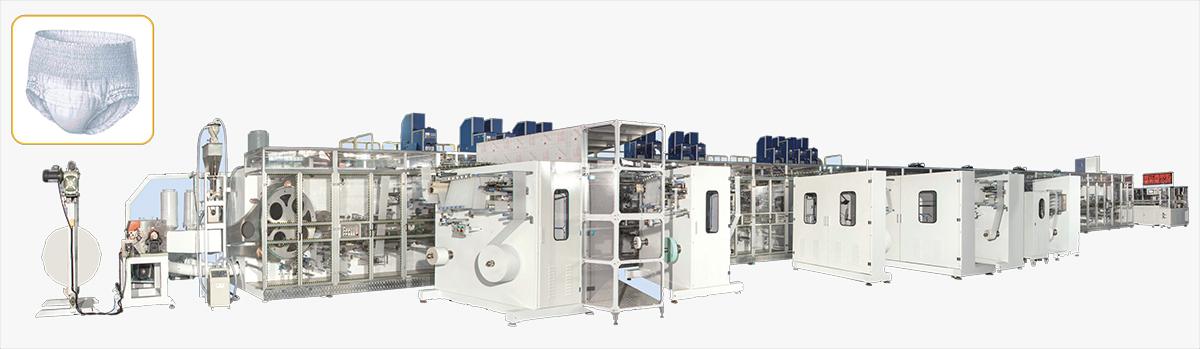
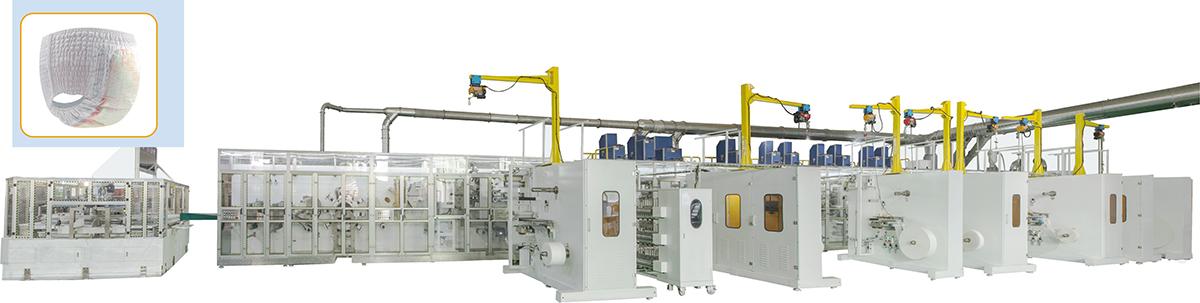
Build a baby diaper manufacturing machine FAT for waistband and side tape feeding, placement, bonding, dynamic events, inspection, rejection, and samples.
A FAT for waistband and side tape quality on a baby diaper manufacturing machine should test component identity, feeding, tension, position, cut accuracy, adhesive transfer, bond integrity, refastening function, inspection, and rejection under named materials and product sizes. Buyers should approve drawings, samples, measurement methods, and defect categories before the run. Test startup, stable operation, acceleration, roll change, stop and restart, and size change. Acceptance must use traceable samples and the signed product specification; machine set points and a short peak at design speed are not substitutes for finished-product evidence.
Freeze the Waistband and Side Tape Specification
Attach the approved product drawing and signed reference samples to the FAT. Identify front and back waist features, waistband material, elastic arrangement, frontal tape or landing material, left and right side tapes, release layers, adhesive pattern, finished positions, lengths, widths, orientation, and functional expectations. Use drawing tolerances already agreed in the project.
Build a size matrix. The smallest and largest products can expose different travel, cut-length, tension, and registration limits. Mark which dimensions are measured from the product centerline, cut edge, core, fold, or another controlled datum. Ambiguous reference points produce inconsistent inspection even when the machine is unchanged.
Define appearance and function defects in words and pictures where possible. Categories may include missing tape, reversed tape, damaged hook, poor release, skew, offset, short or long cut, adhesive contamination, detached edge, wrinkled waistband, uneven elastic, weak bond, and incorrect fold. State the sampling and decision rule in the buyer's quality plan.
Acceptance note: Use signed drawings and product-test methods as the pass basis. Process settings can explain a result, but they do not replace inspection of the finished diaper.
Verify Component Feeding and Material Direction
Record each component supplier, grade, lot, roll width, diameter, core, weight, winding direction, active surface, release side, splice construction, and storage condition. Confirm that left and right materials are correctly identified. Similar-looking tape rolls can create a systematic defect when orientation is reversed.
Inspect shaft or chuck fit, roll alignment, dancer or tension control, guide position, sensor contrast, low-material detection, and web path. Observe the component from full roll to near-empty roll. Tape and elastic composite can behave differently as inertia changes, so one short run from a partially used roll is incomplete.
Thread the component using the controlled procedure. Check contact surfaces for contamination, adhesive buildup, wear, or sharp edges. Verify that the web remains flat and centered before cutting or transfer. If the station includes automatic splicing, prepare the specified splice and test detection, sequence, waste segregation, and recovery.
Component identity, orientation, tension, and guidance are verified before quality sampling.
Control Placement Length and Machine Phase
Review the cut and transfer sequence for waistband and tape components. Confirm cutter condition, vacuum, transfer surface, phase reference, servo or mechanical timing, and product tracking. Record settings by approved recipe and machine condition. A correct average position can hide alternating or transient errors, so preserve samples in production order.
Measure left and right placement separately. Use the drawing datum and controlled tool, and note whether the product is measured flat, relaxed, extended, or conditioned. For elastic waist features, define how tension is removed or applied during measurement. Different handling can produce different apparent dimensions.
Check symmetry and interaction with cuffs, leg elastic, core, backsheet, and final fold. A side tape can meet its local position tolerance but interfere with folding or package appearance. The FAT should inspect complete finished products rather than isolated component strips only.
Placement inspection sequence
Confirm product size, recipe revision, component lot, and machine condition.
Collect consecutive samples without selecting only visually good products.
Mark machine direction, left and right sides, sequence, time, and event.
Condition and position samples according to the approved measurement method.
Measure cut length, offset, angle, symmetry, and required product datums.
Record result, defect category, setting change, and verification sample.
Evaluate Adhesive Transfer and Bond Integrity
Document adhesive grade and batch, storage, melter, hose and applicator setup, filters, temperature set points, pressure, application timing, pattern, and maintenance condition. Verify actual material surfaces and application location. An adhesive selected for one nonwoven or film may not perform identically on another surface.
Inspect for missing adhesive, excessive application, bleed-through, stringing, contamination, buildup, blocked nozzles, and edge lift. Check whether the component remains secure through cutting, transfer, folding, stacking, and package compression. Preserve samples for any required conditioning because immediate hot bond and later functional bond can differ.
Use the buyer's approved bond or functional test. For refastenable side tapes, include initial attachment, release, application to the landing zone, and any agreed refastening evaluation. Do not invent a universal force value. The FAT method and limit should come from the signed product specification and be applied consistently.
Bond quality is judged on controlled finished samples, not adhesive settings alone.
Challenge Startup Splices Stops and Speed Changes
Collect samples during startup, after the process reaches the intended operating condition, before and after a component roll change, around an approved splice, after a controlled stop, and after restart. These transitions can change tension, phase, adhesive transfer, and component tracking. Mark exact event times and link samples to the alarm and adjustment log.
Increase speed using the supplier's safe procedure and record the set point at each sample. Keep design speed, operating speed, stable working speed, and FAT acceptance value distinct. A brief peak can show motion capability but cannot prove stable component quality. The acceptance run should use the contracted product, material, duration, and quality method.
Test more than one size when the waist or tape geometry changes materially. Include the size that creates the largest placement travel or difficult fold. If a planned product cannot be tested because material or tooling is unavailable, record the limitation and carry the item into site acceptance rather than assuming equivalence.
Dynamic events reveal placement and bond risks hidden by a short steady sample.
Test Inspection Tracking and Physical Rejection
List the defects the installed sensors or vision system is designed to detect. This may include missing components, position outside a configured window, contrast, shape, or another defined feature. State detection limits and product conditions. Do not imply that one camera verifies bond strength or every possible defect.
Create controlled challenge products safely. Use marked missing, displaced, reversed, or otherwise specified components and record their machine position. Confirm sensor detection, logic, tracking through downstream stations, physical rejection, reject-bin control, counter update, and alarm or data record. Reconcile every challenge input with its final disposition.
Check false rejects using acceptable products and actual material variation. Lighting, surface texture, print, wrinkles, dust, and speed can affect vision performance. Verify recipe changes for each size and access rights for inspection limits. After stop and restart, confirm that tracking does not reject the wrong product or allow a known fault into accepted output.
FAT challenge
Process evidence
Finished-product check
Required disposition
Missing side tape
Marked input and inspection event
Confirm identity at reject point
Detected, tracked, rejected, and counted as specified
Shifted component
Controlled offset within and outside test window
Measured position from approved datum
System response matches configured and signed limits
Splice passage
Prepared splice, event time, and line state
Products around splice kept in sequence
Known affected products segregated according to logic
Restart tracking
Controlled stop, reset, and restart record
First products and reject sequence inspected
No known challenge product enters accepted flow
Acceptable variation
Normal approved material and recipe
Consecutive products meet quality plan
False rejection remains within contracted method
Sample Across the Run and Classify Defects
Create a sampling map before the FAT starts. Include startup, defined stable intervals, roll depletion, splice, speed change, planned stop, restart, changeover, and end of run. Assign sample quantities and inspection responsibilities according to the approved quality plan. Number and bag samples so their sequence is not lost.
Use separate categories for waistband material, elastic position, tape cut, tape placement, bond, contamination, folding interaction, sensor detection, and packaging damage. Record left and right sides independently where relevant. Summaries should show both isolated defects and repeated patterns rather than one combined rejection percentage.
When an adjustment is made, record the setting, reason, person, time, and affected samples. Restart the relevant observation window after a significant correction. Avoid mixing pre-correction and post-correction output in one acceptance result. Preserve selected passing and failing samples with the final report.
Sequential sampling links waistband and tape results to actual production events.
Close the Quality FAT with Traceable Evidence
The FAT file should contain the approved drawing revision, material and lot list, recipe revision, machine configuration, measuring tools, test methods, run log, operating conditions, samples, defect records, inspection challenges, counter reconciliation, photographs, and signatures. HAINA and the buyer can use the same evidence set when reviewing the baby diaper manufacturing machine against the agreed product requirements.
Record every failed, conditional, or deferred item in an exception register. State the requirement, observation, immediate containment, corrective action, owner, due date, and retest method. Classify whether the issue blocks shipment, requires correction before packing, or can be verified at site for a documented reason.
After correction, repeat enough of the test to show that the fault is resolved and related functions remain acceptable. Update recipes, inspection jobs, drawings, procedures, spare lists, and training when the change affects them. Carry retained samples and controlled settings into site commissioning for comparison after transport and installation.
Waistband and Side Tape FAT FAQ
Can waistband and tape quality be accepted from dimensions alone?
No. Review identity, orientation, placement, appearance, adhesive transfer, bond or fastening function, dynamic stability, inspection, rejection, and interaction with folding.
How many product sizes should be tested?
Use the contracted FAT plan and include sizes that represent meaningful changes or difficult limits. Record any untested size and its later verification method.
Does a vision system prove side tape bond strength?
Not unless a specific validated function exists for that purpose. Vision normally checks defined visible features; bond performance requires the approved product test.
Why collect samples around a roll splice?
Splicing can disturb tension, phase, tracking, and component continuity. Sequential samples verify how the process detects and segregates affected products.
Conclusion
A meaningful waistband and side tape FAT connects material identity, feeding, machine phase, adhesive process, finished-product function, dynamic events, inspection, and rejection. Freeze the specification and defect catalog first, collect sequential samples across the full run, and keep speed terms distinct. Traceable evidence and a controlled exception process give buyers a defensible quality decision and provide the site team with settings and samples for commissioning.